Optimize Your Business Bandwidth for Speed and Productivity
In today’s digital-first world, bandwidth is one of the most important factors driving business performance. From video conferencing with clients to running cloud-based CRM systems or mobile applications, every task depends on smooth data transfer and reliable network connections. But what exactly is business bandwidth, and why should companies prioritize it when evaluating their internet speed and IT setup?
What is Bandwidth?
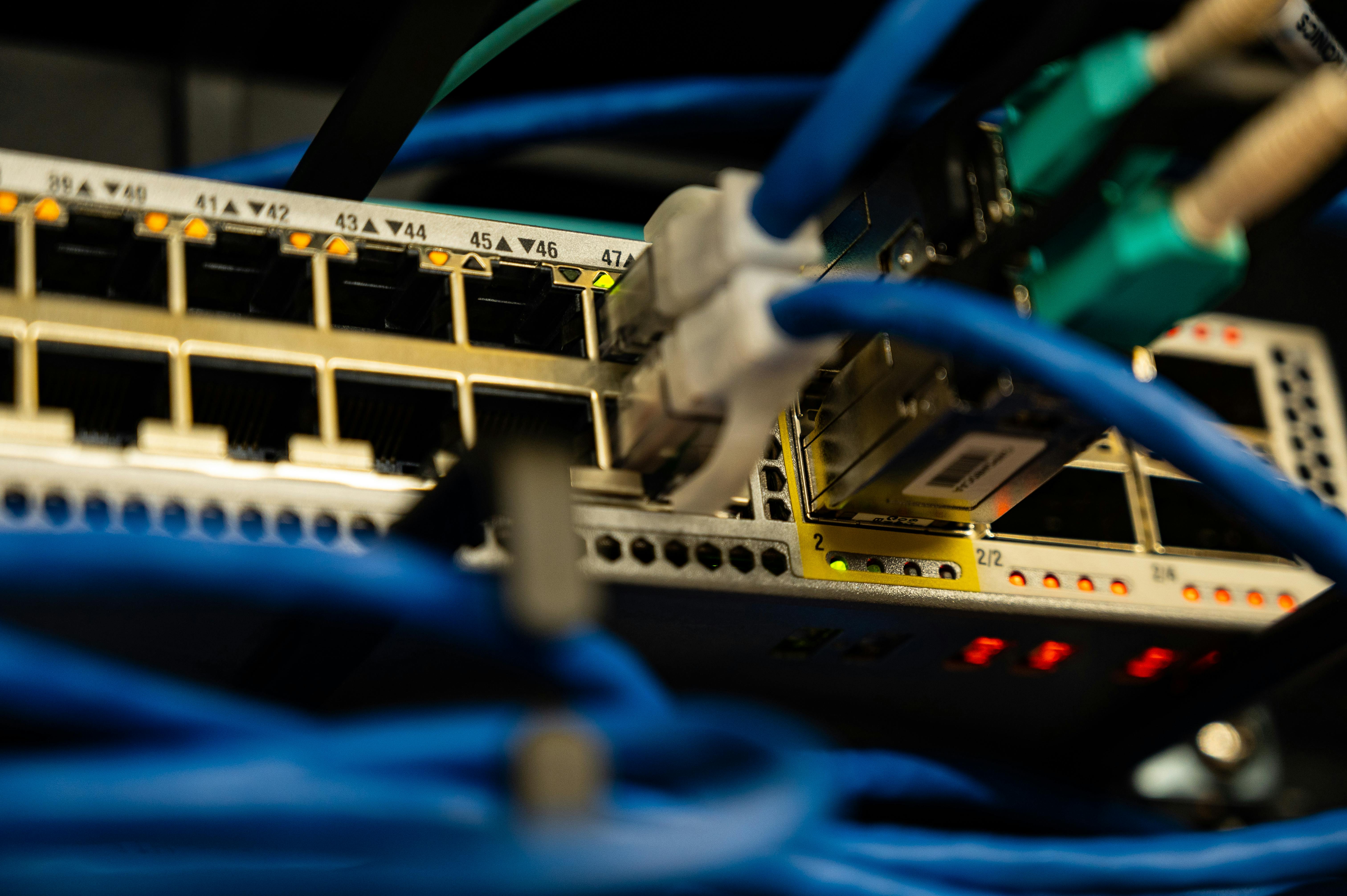
At its core, bandwidth refers to the maximum rate of data transfer over a network connection. It is typically measured in Mbps (megabits per second) or Gbps (gigabits per second). The higher the bandwidth, the more information can flow at once, ensuring efficiency and minimizing delays.
Think of bandwidth like a highway: more lanes allow more traffic (data) to move simultaneously. For businesses, having the right bandwidth means smoother operations, fewer interruptions, and better scalability as digital demands grow.
Differences in Bandwidth Speeds
Bandwidth is about how much data can be transmitted at any given time. This doesn’t just apply to internet speed—though that’s the most common example. Bandwidth also impacts file transfers within a company network, data synchronization between cloud platforms, and the performance of CRM systems or mobile applications.
When bandwidth is too low, data packets line up and create bottlenecks, slowing down everything from video conferencing to cloud backups. When bandwidth is sufficient, data flows freely, supporting both small-scale and enterprise-level operations.
Here’s a breakdown of how different speed ranges translate into practical use:
Slow Speeds (Up to 1 Mbps)
Enough for sending emails or light browsing, but unsuitable for data-heavy tasks such as cloud storage or streaming.
Moderate Speeds (1-10 Mbps)
Capable of supporting small-scale video conferencing, SD streaming, and lightweight mobile applications.
High Speeds (10-100 Mbps):
Reliable for HD video streaming, frequent large file transfers, and simultaneous multi-device connectivity in small-to-medium offices.
Very High Speeds (100 Mbps and above)
Designed for modern enterprises handling cloud computing, advanced CRM systems, mobile applications, UHD/4K video conferencing, and continuous large-scale data transfer.
Bandwidth Within Businesses
Bandwidth directly affects how efficiently companies operate day to day.
| Seamless Communication | High-quality video conferencing and VoIP calls depend on strong business bandwidthfor crystal-clear audio and video without lag. |
|---|---|
| Efficient Cloud Access | Applications like Microsoft 365, Google Workspace, and Salesforce rely on cloud computing, which performs best with high bandwidth for quick collaboration and backups. |
| Faster File Transfers | Industries like media, healthcare, and engineering regularly share large files, and sufficient bandwidth keeps projects moving on schedule. |
| Multi-Device Connectivity | Offices often connect dozens of laptops, printers, IoT devices, and mobile applications.More bandwidth ensures smooth performance across the board. |
| Security and Data Protection | Firewalls, VPNs, and live monitoring tools require bandwidth to run effectively without slowing down network connections. |
Connections and Devices with Bandwidth Specifications
Bandwidth isn’t only about internet service—it also depends on the performance of cables and wireless systems that move data within a business.
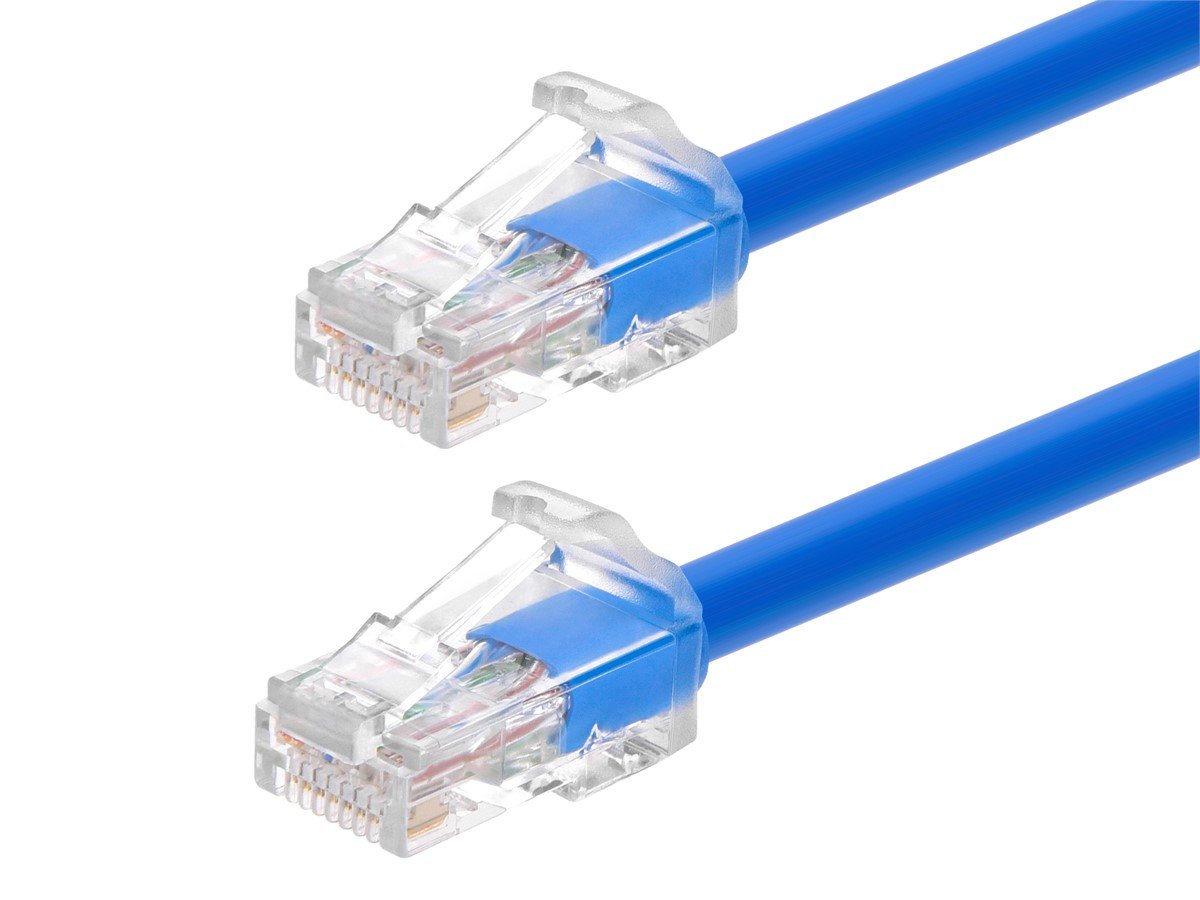
Ethernet Cables
Ethernet cables carry data between computers, routers, and switches, and their bandwidth rating determines network speed capabilities:
Cat5e – 100 MHz (Up to 350 MHz)
A cost-effective choice for small offices and general networking needs.
Cat6 – 250 MHz (Up to 550 MHz), 1 Gbps (Up to 10 Gbps over short distances)
Ideal for businesses that need better speed and reliability.
Cat6A – 350 MHz (Up to 550 MHz), 10 Gbps
Designed for high-performance applications with enhanced shielding and minimal interference.
Cat8 – 2000 MHz, 25 Gbps (Up to 40 Gbps over short distances)
Best suited for data centers and enterprise setups that demand ultra-fast networking.
Fiber Optic Cables
Fiber optic cables transmit data as light signals, offering significantly higher bandwidth and longer transmission distances than traditional copper cables:
OM3 (up to 100 Gbps, 100m max range)
Great for office network backbones.
OM4 (up to 100 Gbps, 150m max range)
Ideal for high-speed enterprise applications.
OM5 (up to 100 Gbps, 440m max range)
A future-proof solution with enhanced wavelength division multiplexing.
Single-mode fiber (up to 100 Gbps, 40km max range) –
Best suited for large-scale deployments and data centers, supporting high-bandwidth networking.

HDMI Cables
Businesses using high-resolution displays for presentations, digital signage, or conference rooms need HDMI cables with sufficient bandwidth:
HDMI 1.4 (10.2 Gbps)
Supports 1080p video and up to 4K at 30Hz.
HDMI 2.0 (18 Gbps)
Ideal for businesses that need better speed and reliability.
HDMI 2.1 (48 Gbps)
Supports 8K video at 60Hz and advanced 4K HDR formats.
HDMI 2.2 (96 Gbps)
Supports 12K video at 120Hz.

USB Cables
USB connections are essential for peripherals like external storage, docking stations, and charging:
USB 2.0 (480 Mbps)
Suitable for devices that need moderate bandwidth like flash drives, external hard drives, and webcams.
USB 3.0/3.1 Gen 1 (5 Gbps)
Great for high-speed data transfer and external hard drives, high-definition cameras, and gaming peripherals.
USB 3.1 Gen 2 (10 Gbps)
Ideal for high-performance tasks like 4K video transfers, large file backups, and fast charging.
USB4 (40 Gbps)
Perfect for ultra-high-speed data transfer, including 4K/8K displays, and high-performance storage solutions.

Wi-Fi Connections
Wireless networks require sufficient bandwidth for seamless performance:
Wi-Fi 5 (up to 3.5 Gbps)
Suitable for retail stores, cafés, and growing businesses using cloud apps and video streaming.
Wi-Fi 6 (up to 9.6 Gbps)
Ideal for busy offices, schools, and hospitals needing reliable connections for many devices.
Wi-Fi 6E (up to 9.6 Gbps on 6GHz band)
Great for high-tech businesses using AR/VR, video conferencing, and cloud collaboration.
Wi-Fi 7 (up to 46 Gbps)
Perfect for large enterprises and future-ready industries that need ultra-fast, low-latency connectivity.
Why Choose Monoprice for Your Bandwidth Solutions
Looking for reliable products you can count on? Discover why Monoprice is the best choice for you:
Unbeatable Value and Performance
Monoprice offers high-quality, reliable products with exceptional performance—all at a fraction of the cost of competitors.
Wide Selection
Whether you need products for personal use or large-scale projects, we have a variety to choose from.
Volume Pricing
Enjoy great savings on wholesale purchases with our competitive volume pricing.
Lifetime Warranty
Every cable and mount comes with a lifetime warranty, giving you peace of mind.
Easy 30-Day Returns
Not completely satisfied? Our hassle-free 30-day return policy has got you covered.
Tech Support
Our expert tech support team is always ready to answer your questions and help you choose the perfect product.
Comprehensive Business Support
Our sales representatives are available via phone or email to assist with custom quotes, and our convenient line of credit can help expand your business procurement.
Trusted Experience
With over 22 years in the business, you can count on Monoprice for quality and reliability.
Maximizing Productivity with the Right Bandwidth
In today’s workplace, business bandwidth is the foundation of efficiency. From cloud computing and CRM systems to video conferencing and secure data transfer, having the right equipment ensures smooth daily operations. Whether through Ethernet cables, fiber optic cables, USB cables, or Wi-Fi connections, bandwidth influences every part of modern business life.
Monoprice.com offers a full range of connectivity solutions to meet these needs, helping your business stay connected, productive, and future-ready.
Shop Monoprice Cables
Sign up for more product bandwidth insights
