

Is Cat5e Ethernet Cable Shielded or Grounded? It Depends
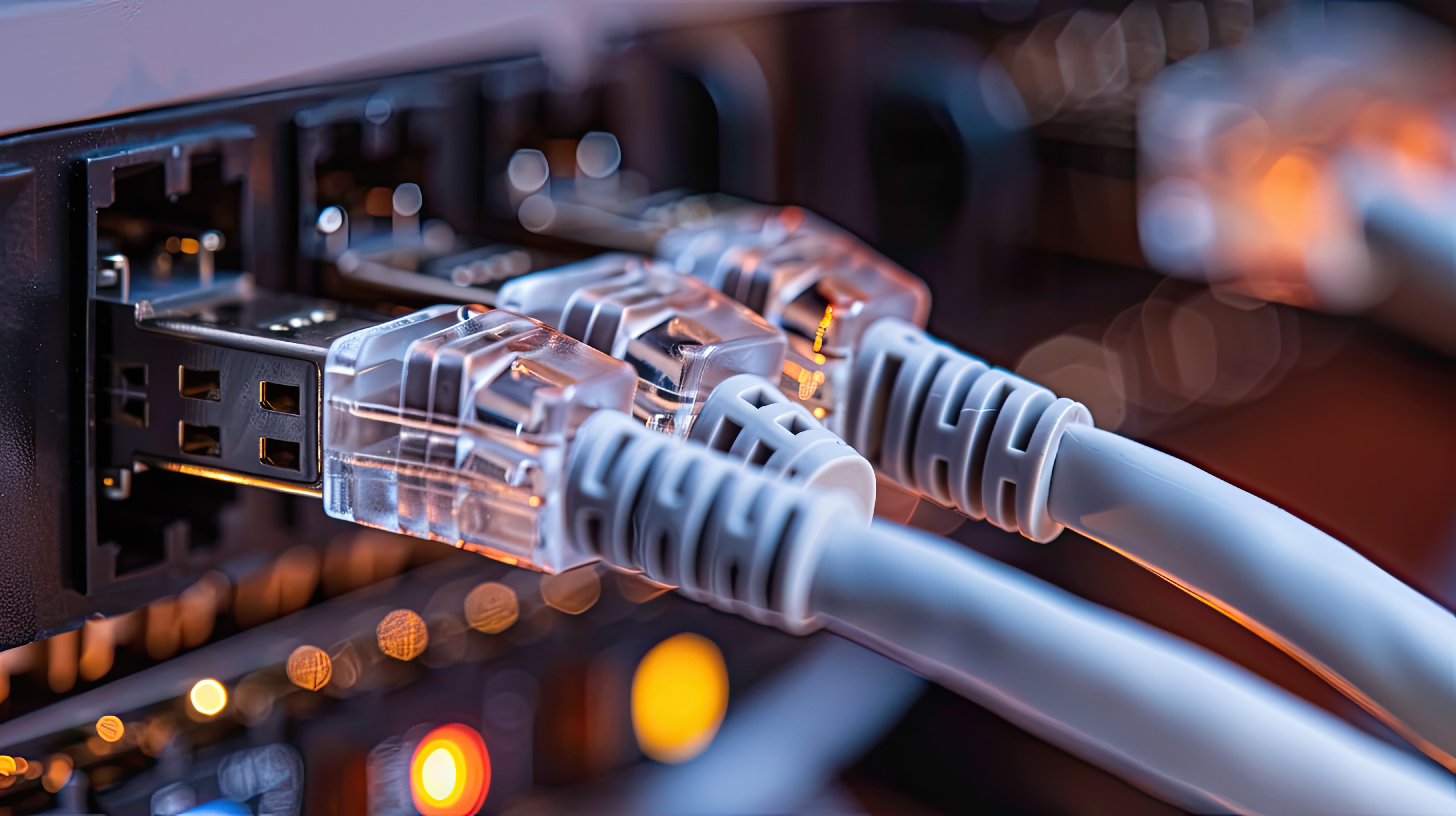
Is Cat5e Cable Shielded or Unshielded? Here Is What You Actually Need to Know
So you are shopping for Cat5e cable and someone asks you, shielded or unshielded, and you kind of freeze for a second because honestly the difference was not something you had thought through yet. Fair enough. It is one of those questions that sounds simple on the surface but opens up into a whole set of considerations once you start digging. Cat5e, which stands for Category 5 enhanced, is one of the most widely used Ethernet cable types in both residential and commercial settings. It supports speeds up to 1 Gbps and frequencies up to 100 MHz, which covers a lot of ground for home networks, office setups, and light enterprise use. But when it comes to shielding and grounding, the answer is not one-size-fits-all. It depends on the environment, the application, and how much interference you are actually dealing with. Let us break it down in terms that actually make sense.
What Does Shielded Mean in the Context of Ethernet Cable
Right, so first things first. Shielding in an Ethernet cable refers to a physical barrier, typically a foil wrap or braided mesh, that surrounds the internal twisted wire pairs. This barrier is designed to block electromagnetic interference, which is often abbreviated as EMI, and radio frequency interference, known as RFI. When electrical signals are traveling through a cable and there is a lot of interference nearby, from motors, fluorescent lighting, HVAC systems, or other cables, that interference can degrade signal quality. Shielding acts as a physical buffer that absorbs or deflects that noise before it reaches the signal-carrying conductors inside. Cat5e cables are available in both shielded and unshielded variants. The unshielded version is called UTP, which stands for Unshielded Twisted Pair. The shielded version is most commonly referred to as STP, Shielded Twisted Pair, or FTP, Foiled Twisted Pair. There are also more advanced configurations like SFTP, which combines both foil and braided shielding, though that is more common in Cat6 and Cat6a territory.
Unshielded Cat5e UTP: The Standard Choice for Most Installations
For the majority of residential and standard office network installations, unshielded Cat5e is the practical default and for good reason. UTP cable is easier to install, more flexible, lighter, and less expensive than shielded alternatives. Because the twisted pairs themselves provide a basic level of noise rejection through a principle called differential signaling, UTP handles most typical interference environments without issue. If you are running cable through drywall, above drop ceilings in a small office, or along baseboards in a home, UTP Cat5e is going to get the job done reliably. The reduced complexity also means faster termination times, which matters when you are wiring an entire building or multiple rooms. There is a reason it has remained the go-to choice for structured cabling in environments where interference is not a significant concern.
Shielded Cat5e STP and FTP: When the Environment Demands More
Now here is where it gets interesting. Shielded Cat5e becomes the right call when the cable is being installed in environments with elevated levels of electrical noise. Industrial facilities, manufacturing floors, hospitals with heavy medical equipment, data centers with dense equipment, and buildings with older or uneven electrical infrastructure all represent situations where shielding pays off. If your cable runs parallel to power conduits for extended lengths, or if it passes near large motors or HVAC compressors, the potential for signal interference increases significantly. In those cases, the added protection that a foil or braided shield provides is not optional, it is necessary for maintaining signal integrity and network reliability. Shielded Cat5e cable is also used in some outdoor or semi-outdoor installations, often in combination with weatherproofing treatments, where environmental factors add to the interference challenge.
Does Shielded Cat5e Need to Be Grounded
This is a critical point and one that trips people up all the time. Yes, shielded Cat5e cable must be properly grounded to work as intended. This is not a suggestion. The shield itself has to have a path to ground in order to discharge the electromagnetic energy it absorbs. If a shielded cable is installed without proper grounding at both ends, or even worse, if grounding is inconsistent between endpoints, the shield can actually become an antenna and make interference problems worse rather than better. Proper grounding requires that the shielded cable connect to properly grounded patch panels, keystone jacks, or connectors, and that the overall system ground is clean and consistent. For anyone deploying shielded Cat5e in a professional or commercial setting, working with a qualified electrician or network installer who understands grounding requirements is a wise investment. Skipping that step defeats the entire purpose of using shielded cable in the first place.
Key Differences Between Shielded and Unshielded Cat5e at a Glance
When comparing the two types side by side, a few clear distinctions emerge that help narrow down the right choice for a given project. Consider these factors before making a purchase decision:
Cost and installation complexity Shielded Cat5e costs more per foot and requires more careful installation, including proper grounding infrastructure, specialized connectors, and compatible patch panels. Unshielded Cat5e is simpler and more budget-friendly across the board. Interference resistance Shielded cable delivers measurably better performance in high-EMI environments. Unshielded cable performs well in clean environments but can show degraded performance when exposed to sustained electrical noise. Flexibility and bend radius UTP cable is generally more flexible and forgiving during installation. STP and FTP cables can be slightly stiffer due to the additional shielding layer, which requires attention to minimum bend radius during routing. Compatibility UTP terminates easily with standard RJ45 connectors and patch panels. Shielded cable requires shielded connectors and panels designed to maintain the shield continuity throughout the entire run.How to Choose the Right Cat5e Cable for Your Specific Application
Choosing between shielded and unshielded Cat5e really comes down to an honest assessment of where the cable is going and what it will be near. Start by mapping out the cable route. Are there long parallel runs next to electrical conduit? Are you in an industrial building with heavy machinery operating nearby? Is the installation inside a typical residential home or small office with standard electrical wiring? For clean environments, UTP is the right call. For noisy environments, shielded Cat5e with proper grounding infrastructure is the smarter investment. It is also worth thinking ahead. If there is any chance the space will be used for more demanding applications in the future, or if the electrical environment is unpredictable, going with shielded cable now can save a costly retrofit later. Consulting with a professional network installer before committing to a large cable purchase is always a reasonable step when the environment is complex.
Common Mistakes People Make When Deploying Cat5e
A few installation errors come up again and again, and they are worth knowing before you start a project. Running Cat5e parallel to high-voltage electrical wiring for extended distances without shielding is one of the most frequent causes of degraded network performance that gets misdiagnosed as a hardware or software issue. Another common problem is using shielded cable without connecting it to a proper ground, which as mentioned earlier, can actually amplify interference rather than block it. Exceeding the maximum run length of 100 meters for Cat5e is another mistake that causes signal attenuation and unreliable connections. And using low-quality or mismatched connectors, especially in shielded installations, creates weak points that undermine the performance of even the best cable. Taking time to plan the installation carefully, use appropriate components throughout, and test each run after installation goes a long way toward avoiding these headaches.
Shielded vs Unshielded Cat5e: Performance Expectations in Real-World Use
Under normal operating conditions, a properly installed UTP Cat5e run will deliver solid, consistent Gigabit Ethernet performance with negligible interference issues. In environments with significant EMI, that same UTP run might experience packet loss, reduced throughput, or intermittent connectivity. Shielded Cat5e in those same conditions will typically maintain stable performance, assuming the grounding is done correctly. It is important to remember that Cat5e, shielded or not, has a ceiling. It is not going to push 10 Gigabit speeds reliably over longer runs. For that, Cat6a is the appropriate upgrade path. But for Gigabit networks serving home users, small businesses, or standard office environments, Cat5e delivers excellent value and performance when installed correctly and matched to the right shielding level for the environment.
Why Monoprice Is a Smart Source for Your Cat5e Networking Cable Needs
When you are sourcing Cat5e cable for a serious installation, the quality of the cable itself matters just as much as the planning that goes into the project. Monoprice has built a trusted reputation among IT professionals, AV integrators, and savvy consumers for delivering high-performance networking products at pricing that does not require a procurement justification meeting. Whether you need bulk unshielded Cat5e for a clean office deployment or shielded variants for a more demanding environment, the product selection is deep, the specifications are transparent, and the construction quality holds up. If you are ready to outfit your network with reliable infrastructure that performs, explore the full range of shielded and unshielded Cat5e Ethernet cables for professional and home network installations at Monoprice and find the right cable for your specific application without overpaying for it. The value is there. The performance backs it up.
Frequently Asked Questions About Cat5e Shielding and Grounding
Is Cat5e cable shielded by default?
No, Cat5e cable is not shielded by default. The most common version is UTP, or Unshielded Twisted Pair, which relies on the twist of the pairs to reduce interference rather than a physical shield. Shielded versions, labeled STP or FTP, are available but must be specifically selected for installations requiring EMI protection.
What does Cat5e STP mean?
Cat5e STP stands for Category 5 Enhanced Shielded Twisted Pair. It refers to a version of Cat5e cable that includes a physical shielding layer, typically foil or braided mesh, around the internal twisted wire pairs to protect against electromagnetic and radio frequency interference.
Does shielded Cat5e need to be grounded?
Yes, shielded Cat5e must be properly grounded to function correctly. Without a proper ground connection, the shield cannot discharge the electromagnetic energy it absorbs and may actually worsen interference. Grounding must be consistent at both ends of the cable run and through all connected hardware.
When should I use shielded Cat5e instead of unshielded?
Use shielded Cat5e in environments with high levels of electromagnetic interference, such as industrial facilities, hospitals, data centers, or locations where cable runs parallel to high-voltage electrical conduit for extended distances. In standard residential or small office environments, unshielded Cat5e is typically sufficient.
Can I mix shielded and unshielded Cat5e in the same network?
It is not recommended to mix shielded and unshielded Cat5e within the same cable run or segment. Mixing cable types can create ground loop issues and inconsistent shielding that degrades performance. It is best to standardize on one type throughout a given installation.
What is the maximum length for a Cat5e cable run?
The maximum recommended length for a Cat5e cable run is 100 meters, or approximately 328 feet. Exceeding this distance causes signal attenuation that results in reduced throughput and unreliable connections. For longer distances, network switches or signal repeaters should be used to extend the run.
Does Cat5e shielding improve internet speed?
Shielding does not directly increase internet speed. What it does is protect signal integrity in high-interference environments, which can prevent the packet loss and connection drops that would otherwise reduce effective throughput. In clean environments, unshielded Cat5e and shielded Cat5e deliver comparable performance.
What connectors do I need for shielded Cat5e cable?
Shielded Cat5e requires shielded RJ45 connectors and compatible patch panels or keystone jacks that are designed to maintain shield continuity throughout the run. Using standard unshielded connectors with shielded cable breaks the shielding path and eliminates the protection the shield is meant to provide.
Is Cat5e still relevant or should I upgrade to Cat6?
Cat5e remains a fully relevant and capable cable standard for Gigabit Ethernet applications. For most home networks and standard business environments, it delivers more than adequate performance. Cat6 or Cat6a becomes the better choice when 10 Gigabit speeds or longer runs with higher bandwidth headroom are required.
How can I tell if my Cat5e cable is shielded?
You can identify shielded Cat5e cable by looking at the cable jacket for markings such as STP, FTP, or SFTP printed directly on the outer casing. Shielded cable also tends to feel slightly stiffer and heavier than unshielded versions. The printed specifications on the cable jacket will confirm the construction type.


