

What Is a Patch Cord and Why It Matters for Networks
What Is a Patch Cord and Why Does It Matter in Your Network Setup
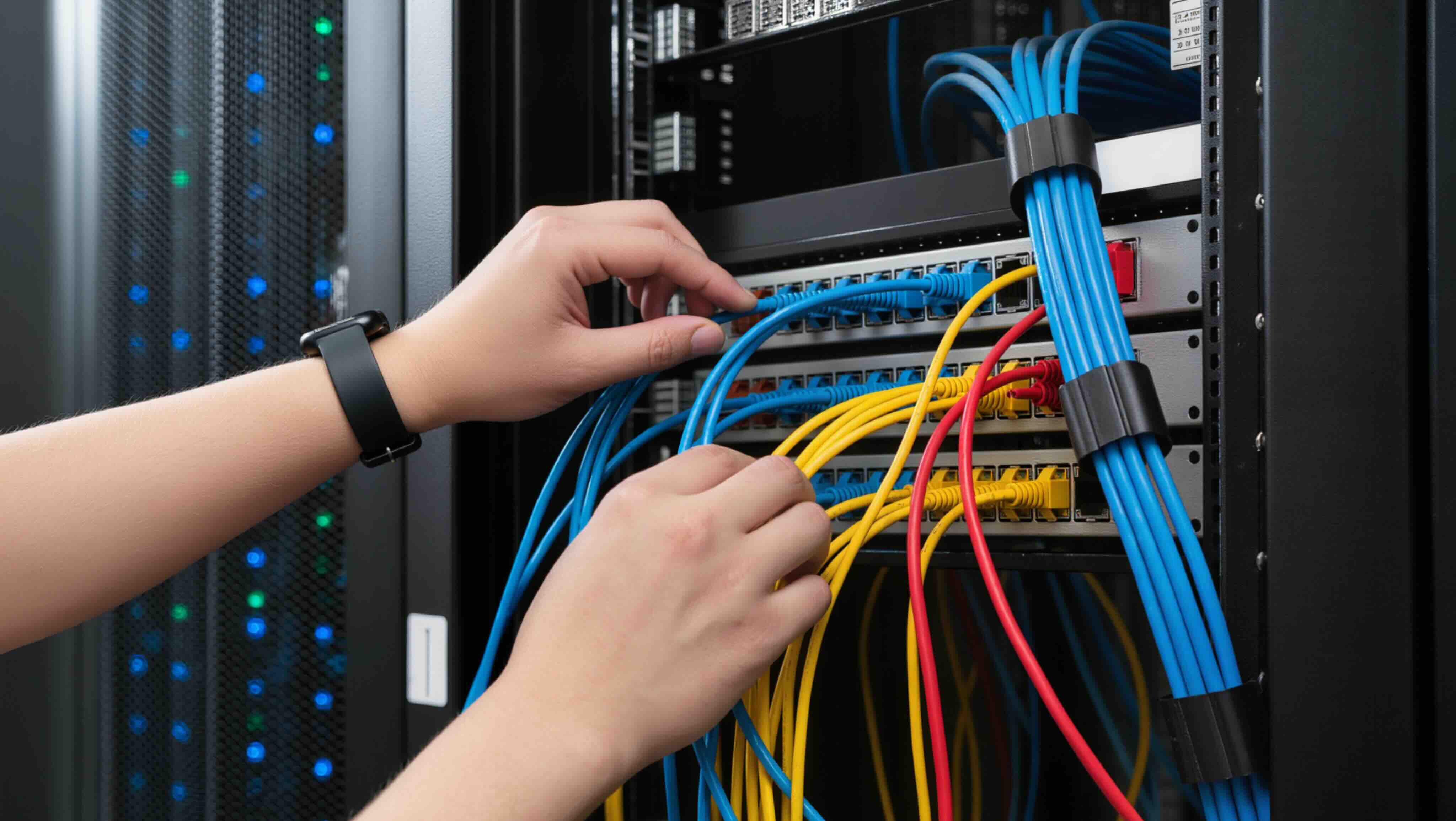
If you have spent any time around networking equipment, server rooms, or even a basic home office setup, you have probably heard the term patch cord thrown around. And honestly, it is one of those things that sounds more complicated than it actually is. A patch cord, sometimes called a patch cable, is a short-length electrical or optical cable used to connect one electronic device to another for signal routing. That is really the core of it. These cables are used in data centers, offices, home networks, and telecommunications environments to make the physical connections between equipment like switches, routers, patch panels, and computers. They are the connective tissue of modern networking infrastructure.
How a Patch Cord Actually Works
So here is what is happening inside one of these cables. A patch cord carries electrical signals or light pulses from one port to another, completing a circuit that allows data to travel between devices. In copper-based Ethernet networking, that means twisted pairs of wire running inside a flexible jacket, terminated with RJ45 connectors on each end. In fiber optic applications, the cord contains one or more strands of glass or plastic fiber and uses LC, SC, or ST connectors instead. Either way, the job is the same: create a reliable, low-loss pathway for data. What makes patch cords distinct from bulk cable runs is that they are pre-terminated, meaning the connectors are already attached and tested, ready to plug in and go. That distinction matters a lot for installers and IT teams working under time pressure.
Common Types of Patch Cords You Should Know
Not all patch cords are the same, and picking the wrong one can introduce performance issues or simply fail to work at all. Here is a breakdown of the most common types you will encounter in the field:
- Ethernet patch cords (Cat5e, Cat6, Cat6A, Cat8) for copper-based LAN connections
- Fiber optic patch cords (single-mode or multimode) for high-speed or long-distance data runs
- Coaxial patch cables used in cable TV and RF signal distribution
- Audio patch cords for analog and digital audio routing in AV setups
- USB patch cables for device-to-host data and power connections
Each type has its own performance envelope. For most enterprise and SMB networking environments, Cat6 or Cat6A Ethernet patch cords are the standard. They support Gigabit and 10-Gigabit speeds respectively, with Cat6A pushing bandwidth up to 500MHz across a 100-meter channel. For data centers dealing with higher densities and longer runs, fiber patch cords become the more practical and scalable option. The point is to match the cord type to the demands of the environment.
Key Advantages of Using Quality Patch Cords
There is a real temptation in some installations to treat patch cords as an afterthought. But the quality and specification of these cables directly impacts network performance, uptime, and troubleshooting time. Here is why investing in the right patch cord is worth it:
- Pre-terminated ends save installation time and eliminate field-termination errors
- Flexible jackets make cable management cleaner and easier in tight spaces
- Stranded conductors in patch cords offer better bend resistance compared to solid wire
- Color-coded options simplify port identification and reduce human error during maintenance
- Tested and rated performance means you know exactly what you are getting before it goes live
Beyond those practical benefits, quality patch cords maintain signal integrity over their rated lengths and frequency ranges. A cheap, unrated cord might work fine for a casual connection but can introduce crosstalk, attenuation, or intermittent failures in demanding environments. That is the kind of thing that turns a five-minute fix into a three-hour diagnostic nightmare.
Common Drawbacks and Limitations to Consider
Patch cords are not without their limitations. For one, they are designed for short runs, typically under five meters for copper and variable distances for fiber depending on mode type. Using them beyond their designed range without proper infrastructure is going to cause problems. Another thing worth noting is that stranded conductors, while flexible, have slightly higher attenuation than solid conductors used in horizontal cable runs. This is why patch cords are always used in combination with structured cabling, not as a replacement for it. There is also the issue of connector wear. RJ45 plugs can degrade after repeated insertions and removals, especially in high-traffic patch panels. And in fiber applications, contaminated connectors are one of the leading causes of signal loss, so proper cleaning protocols matter a lot more than people expect.
Patch Cords vs. Crossover Cables: Clearing Up the Confusion
This comes up more than you might think. A standard patch cord, often called a straight-through cable, connects devices of different types, like a computer to a switch. A crossover cable is wired differently and was historically used to connect two similar devices directly, like two computers without a switch in between. Most modern network equipment uses Auto-MDI/MDIX, which automatically detects and adjusts for the connection type, so crossover cables are largely obsolete in current networking. But if you are ever working in a legacy environment or with older managed switches, the distinction still applies. Understanding it prevents a lot of wasted troubleshooting time.
Best Practices for Patch Cord Management and Maintenance
Good patch cord discipline is something that separates a clean, efficient network rack from an absolute mess that no one wants to deal with six months later. Start with length. Use the shortest patch cord that comfortably reaches between ports without tension. Excess cable creates clutter and airflow problems in dense rack environments. Label both ends of each cord or use color coding to identify circuits at a glance. Avoid sharp bends that exceed the cable's minimum bend radius, which can stress the conductors or optical fibers inside. Store spare patch cords in a dry, organized environment with dust caps on fiber connectors. And do periodic inspections, because failed or degraded patch cords are one of the sneakiest causes of intermittent network issues.
When to Replace Your Patch Cords
Patch cords do not last forever, even if they are physically intact. If a connection is performing below expected speeds, experiencing packet loss, or dropping intermittently, the patch cord should be one of the first things you swap out during diagnostics. Visible damage like cuts, kinks, or damaged connector tabs is an obvious signal for replacement. For fiber patch cords, regular end-face inspection using a fiber scope is a best practice to catch contamination before it causes a service outage. In high-availability environments, keeping a stock of tested, properly rated spare patch cords on hand is not optional. It is just good operational practice.
Why Monoprice Is the Right Source for Your Patch Cord Needs
When it comes to sourcing patch cords for any environment, whether it is a small office, a structured cabling project, or a full-scale data center deployment, the quality and value of what you buy matters more than most people initially realize. Monoprice has built a reputation as a go-to supplier for networking professionals, integrators, and IT teams who need dependable, well-tested cables at prices that make procurement straightforward. The product line spans Cat6, Cat6A, Cat8, and fiber patch cords in a wide range of lengths, colors, and configurations, designed to perform to spec without overcharging for it. If you are putting together an infrastructure order or just need reliable patch cords that you can trust to perform, shop high-performance Ethernet and fiber patch cords at Monoprice and see how far your budget actually goes when quality and value come standard. The difference between a network that works and one that consistently performs comes down to decisions made at every layer of the infrastructure, including the cords connecting it all together.
Frequently Asked Questions About Patch Cords
What is the difference between a patch cord and a regular Ethernet cable?
A patch cord is a short, pre-terminated cable designed for flexible connections between equipment like switches, routers, and computers. Regular Ethernet cable, often sold in bulk, uses solid conductors and is intended for permanent horizontal runs inside walls or ceilings, not for repeated plugging and unplugging.
Can I use a patch cord for a long cable run?
No. Patch cords are engineered for short distances, typically up to five meters for copper types. For longer runs, solid-core structured cabling is the appropriate solution, with patch cords used only at the endpoints to connect to equipment and patch panels.
What does Cat6 or Cat6A mean on a patch cord?
These designations refer to the performance category of the cable. Cat6 supports up to 1 Gigabit per second at 250MHz bandwidth over 100 meters. Cat6A extends that to 10 Gigabits per second at 500MHz, making it better suited for high-density or high-throughput networking environments.
Are fiber patch cords better than copper patch cords?
It depends on the application. Fiber patch cords support higher speeds over longer distances with no electromagnetic interference, making them ideal for data center backbones or inter-building links. Copper patch cords are more cost-effective for standard workstation connections and shorter runs within a single floor or room.
What connector types are used on fiber patch cords?
The most common fiber connector types are LC, SC, and ST. LC connectors are compact and widely used in high-density data center environments. SC connectors are older but still common in telecom applications. ST connectors use a twist-lock mechanism and appear in legacy or industrial fiber installations.
How do I know what length patch cord to use?
Choose the shortest length that allows the cable to reach comfortably between ports without pulling tight or creating sharp bends. Excess length creates unnecessary cable clutter in racks and can interfere with airflow, which affects equipment cooling in dense installations.
Why does patch cord color matter?
Color is primarily a management and organizational tool. Using different colors to represent different network segments, VLANs, or service types makes it significantly faster to identify circuits during moves, adds, and changes, and reduces the risk of disconnecting the wrong cable during maintenance.
Can a bad patch cord cause slow internet speeds?
Yes. A damaged, degraded, or substandard patch cord can introduce signal loss, crosstalk, or connection instability that results in reduced throughput, higher error rates, or dropped connections. If speeds are consistently below expected levels, swapping the patch cord is one of the fastest and simplest first steps in the diagnostic process.
What is the difference between single-mode and multimode fiber patch cords?
Single-mode fiber uses a narrower core to carry a single light path, supporting longer transmission distances and higher bandwidth. Multimode fiber uses a wider core and is better suited for shorter runs within buildings or campus environments. The two types are not interchangeable and require matching transceivers and infrastructure.
How should I clean a fiber optic patch cord connector?
Use a certified fiber optic cleaning tool or cassette designed specifically for the connector type. Never blow on a fiber end-face or use materials that can leave residue. Inspect the end-face with a fiber inspection scope after cleaning to confirm it is free of contamination before making the connection.


