

Understanding Grounding and Splitter Wires in AV Systems
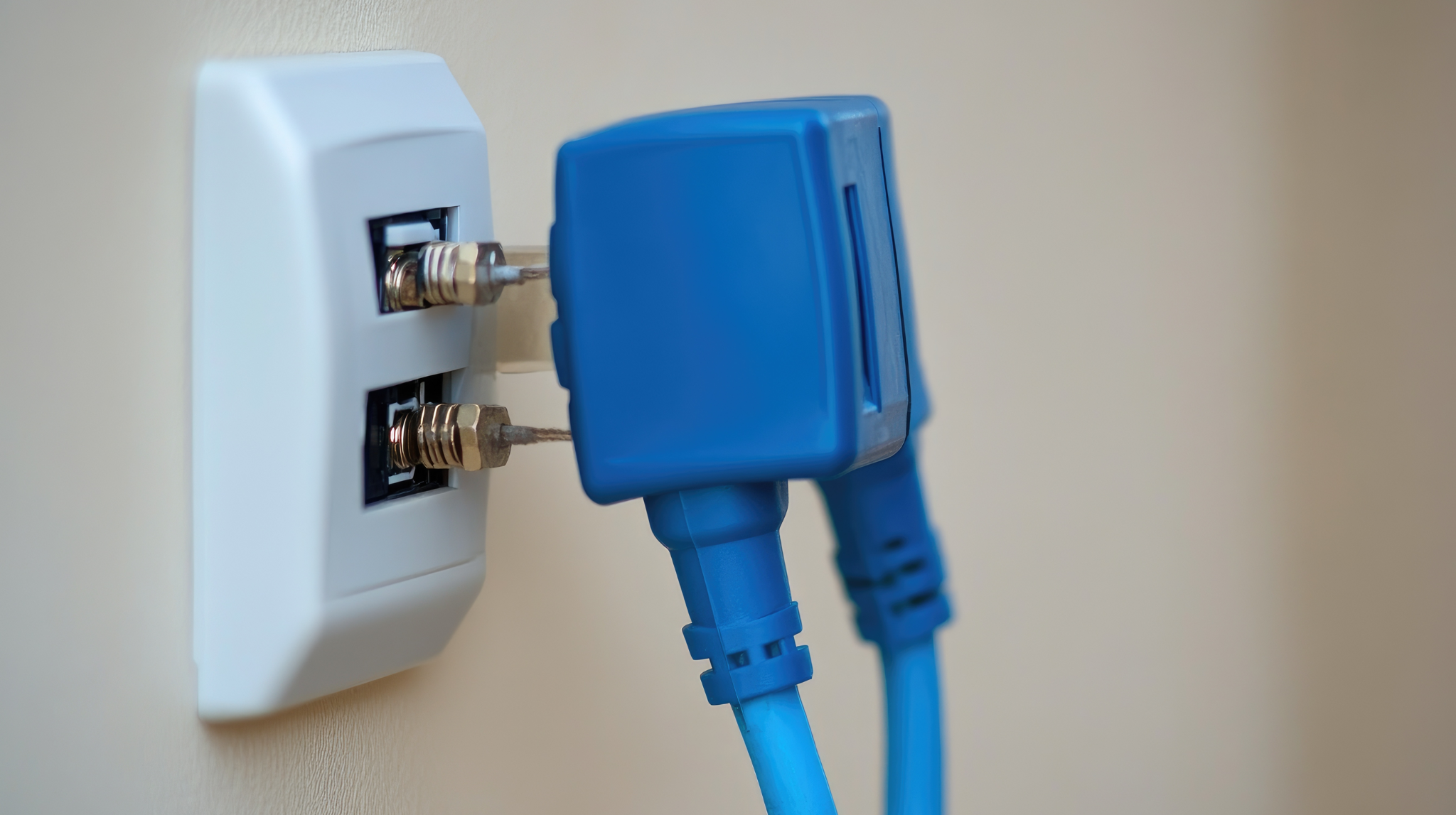
What Is a Splitter Wire and Why Does It Matter in AV Systems?
So you've got a home theater setup, or maybe a commercial AV installation, and somewhere along the way someone mentioned a splitter wire. Maybe you glossed over it. That happens. But here's the thing -- that one component, or the absence of it, can quietly ruin the performance of an otherwise solid system. A splitter wire is exactly what it sounds like: a cable or wiring configuration that takes a single signal source and divides it into two or more outputs. Simple in theory. In practice, though, there's a bit more going on under the hood, especially when grounding enters the conversation. Getting both right means the difference between a crisp, clean AV experience and one plagued by hum, interference, or degraded signal quality.
How Splitter Wires Actually Work in Audio and Video Setups
At the core level, a splitter wire duplicates a signal -- audio, video, or both -- and routes it to multiple destinations simultaneously. Think of it like a fork in a road. One signal path becomes two, three, or even more. In practice, this is useful when you need the same video feed on multiple displays, or you want audio running to several rooms from a single source. The mechanism itself varies depending on signal type. Passive splitters rely on the strength of the incoming signal to divide and distribute. Active splitters use a powered circuit to amplify and cleanly replicate the signal across each output. For high-resolution video formats like 4K or 8K, passive options often fall short. Signal degradation over even moderate cable runs is a real concern, and active splitting becomes the smarter, more reliable solution in those scenarios.
The Role of Grounding in AV Signal Integrity
Grounding is one of those topics that professionals understand intuitively and everyone else tends to underestimate. In any electrical or electronic system, grounding provides a reference point -- a stable baseline that keeps signal voltages consistent and excess electrical energy safely redirected. In AV systems specifically, improper grounding is frequently the root cause of the notorious ground loop hum, that low-frequency buzz that seems to appear out of nowhere and refuses to go away. What's actually happening is that two or more components in the system have slightly different ground potentials, and the difference creates an unwanted current loop that the audio system picks up as noise. It is genuinely frustrating when you spend real money on quality equipment and the output still sounds like a malfunctioning appliance. Grounding is what prevents that.
How Splitter Wires and Grounding Interact
Here's where it gets interesting. When you introduce a splitter wire into an AV system, you're creating multiple signal pathways. Each of those pathways has its own ground reference depending on the device or display it's connected to. If those grounds are not consistent -- which they often aren't across different power circuits or outlet positions -- you've just created the conditions for ground loop interference across every split output. The more outputs you add, the more potential ground discrepancy points exist. Shielded cabling helps. Proper equipment isolation helps more. And in professional installations, ground lift adapters and balanced connections are used to break ground loops without disconnecting the grounding protection entirely. The takeaway: splitting a signal is straightforward. Doing it without introducing grounding artifacts requires some deliberate planning.
Key Advantages of Using Quality Splitter Wires
When done right, using a proper splitter wire setup delivers real, tangible benefits for both home and professional AV environments. Here is a breakdown of what you gain with the right approach:
Consistent signal distribution across multiple displays or zones without needing multiple source devices Simplified cable management by centralizing signal routing Cost-effective expansion of existing AV setups without purchasing redundant equipment Active splitters maintain signal quality over longer cable runs Reduced equipment load by eliminating the need for multiple separate output devicesFor integrators working on multi-room audio or commercial display installations, these advantages add up fast. Running a single HDMI or coaxial line from a source and splitting it properly is cleaner, faster to install, and far easier to troubleshoot than daisy-chaining devices or relying on ad hoc workarounds.
Common Drawbacks and Limitations to Know Before You Buy
There are real limitations here worth acknowledging. Passive splitters are the most accessible option on the market, but they are also the most likely to cause signal degradation, especially with high-bandwidth video formats. HDCP handshake failures -- that annoying moment when a protected content signal refuses to pass through -- are more common with low-quality passive splitters. Additionally, longer cable runs after a split point can amplify any existing signal weakness. And then there's the grounding issue discussed earlier. Not all splitter wires or HDMI splitters are designed with shielded connectors or grounded housings, which leaves the door open for interference in sensitive audio environments. Matching the splitter type to the specific signal requirements of the system is non-negotiable if performance matters.
Practical Tips for Optimizing Your Splitter Wire Setup
Getting this right doesn't require advanced engineering knowledge. A few focused decisions at the planning stage will save a considerable amount of headaches later. Consider these practical guidelines:
Always match splitter specifications to your highest resolution source device Use shielded cabling on every leg of the split to reduce interference susceptibility For runs longer than 15 feet after the split point, prioritize active splitters with built-in signal amplification Ground all equipment to the same power strip or circuit when possible to minimize ground potential differences Test each output independently before finalizing a wall or rack installation Avoid stacking passive splitters in series -- signal degradation compounds quicklyThese are not complicated adjustments. But they reflect how professionals approach installations that need to hold up over time without constant recalibration. Treating grounding and signal splitting as connected considerations rather than separate checklist items is the shift in thinking that separates a clean install from a problematic one.
Choosing Between Passive and Active Splitters for Your Specific Needs
The passive versus active debate comes down to three factors: signal type, cable run length, and budget sensitivity. Passive splitters work reasonably well for short runs, standard definition or 1080p content, and situations where only two outputs are needed. They require no external power and introduce minimal complexity. Active splitters, on the other hand, are the correct choice for 4K and 8K content delivery, runs exceeding 15 to 20 feet, and installations with three or more output destinations. The built-in amplification stage compensates for signal loss that splitting inherently introduces. In commercial environments -- digital signage, conference rooms, hospitality displays -- active splitters are the default standard precisely because the performance stakes are higher and signal consistency matters at every single output point.
Why Monoprice Is the Right Source for Splitter Wires and AV Signal Management
When it comes to building a reliable AV system, the components you choose at the signal distribution layer set the ceiling for everything else downstream. Monoprice has spent years developing a reputation built on delivering professional-grade AV infrastructure at pricing that makes sense for both home users and commercial integrators. Whether you are sourcing a two-way passive splitter for a bedroom setup or specifying active HDMI distribution equipment for a multi-room commercial installation, the product depth and engineering standards at Monoprice are hard to match at comparable price points. If you are ready to stop guessing and start building a signal chain you can actually rely on, explore the full range of professional AV splitter cables and grounded signal distribution solutions designed to meet the demands of modern high-resolution systems. The quality is there. The value is built in. And the performance speaks for itself.
Frequently Asked Questions About Splitter Wires and Grounding in AV Systems
What is a splitter wire used for in an AV system?
A splitter wire divides a single audio or video signal from one source and routes it to two or more output devices simultaneously, enabling multi-display or multi-zone setups without requiring additional source components.
Does using a splitter wire reduce signal quality?
Passive splitters can reduce signal strength across outputs, particularly for high-resolution formats. Active splitters compensate with built-in amplification, maintaining consistent signal quality across all connected devices.
What causes a ground loop hum in AV systems?
Ground loop hum occurs when two or more devices in a system have different ground potentials. The voltage difference creates a current loop that audio equipment interprets as a low-frequency buzz or hum in the output.
How does a splitter wire contribute to grounding problems?
Splitting a signal introduces multiple connection points, each tied to the ground reference of its connected device. If those devices are on different circuits or have inconsistent grounding, the result can be ground loop interference across all outputs.
Should I use a passive or active splitter for 4K video?
Active splitters are the recommended choice for 4K and 8K video. The signal bandwidth required for high-resolution formats is high enough that passive splitting typically causes noticeable degradation, HDCP handshake failures, or both.
How do I prevent ground loops when using a splitter wire?
Connect all equipment to the same power circuit or power strip when possible. Use shielded cabling, and consider ground lift adapters or balanced connections in professional installations to eliminate ground loop paths without compromising safety.
Can I use multiple passive splitters in series to reach more outputs?
This is not recommended. Stacking passive splitters compounds signal loss at each stage, resulting in degraded image or audio quality. A single active splitter with the required number of outputs is the correct approach for multi-destination distribution.
What type of cable should I use with a splitter wire for best results?
Shielded cable is strongly preferred for all legs of a split signal path. Shielding reduces susceptibility to electromagnetic interference and helps maintain consistent ground references across connected devices.
How far can a signal travel after being split?
With passive splitters, signal integrity can degrade on runs longer than 10 to 15 feet depending on signal type and resolution. Active splitters extend usable distance significantly, with many supporting runs of 50 feet or more per output.
Is grounding only relevant for audio systems or does it affect video too?
Grounding affects both audio and video performance. In video systems, poor grounding can introduce visual artifacts, color banding, or flickering. In audio, it most commonly manifests as hum. Proper grounding is essential across the entire AV signal chain.


