

The Evolution and Lasting Value of the Ethernet Jack
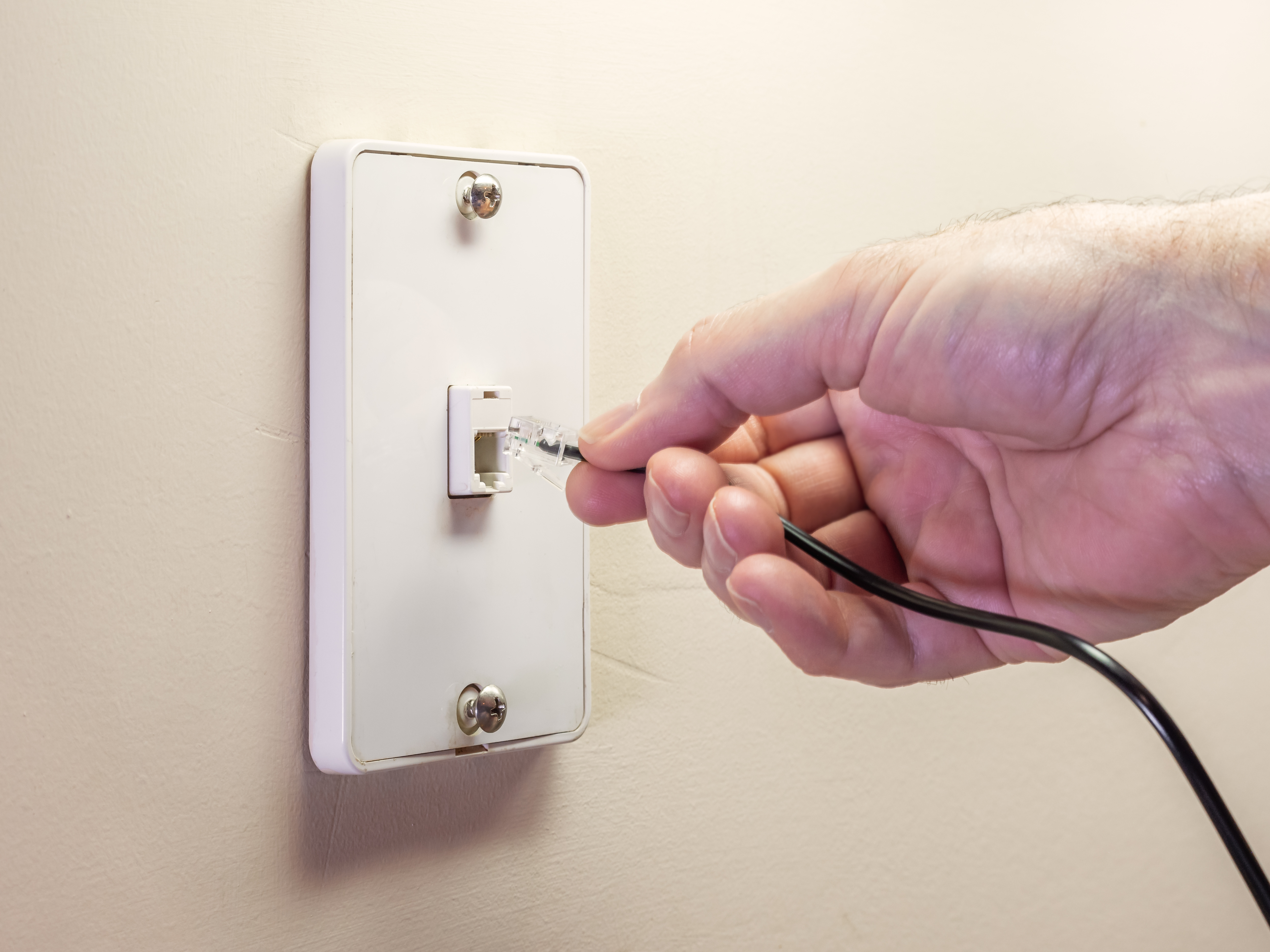
What Is an Ethernet Jack and Why Does It Still Matter?
So, okay -- if you have ever plugged a cable into the back of a router or into a wall port to get your computer online, you have already used an Ethernet jack. Simple enough on the surface, but there is actually a lot more going on there than most people realize. The Ethernet jack -- formally known as an RJ45 port -- is the standardized connector interface used to establish wired network connections between devices. It has been around for decades, and honestly, it is not going anywhere anytime soon. Despite the boom in wireless technology, wired networking through the Ethernet jack remains one of the most dependable, high-performance ways to move data across a network. Whether you are setting up a home office, outfitting a commercial building, or running a structured cabling project, understanding what an Ethernet jack actually does -- and why it still holds so much value -- is genuinely useful information.
A Brief History of the Ethernet Jack
The RJ45 connector -- which is the physical form of the modern Ethernet jack -- has roots going back to the early days of telecommunications. Originally developed for telephone networks, the eight-pin modular connector was later adapted for use in data networking, becoming the standard interface for Ethernet connections. From the original 10BASE-T Ethernet standard all the way through to today's Cat8 cabling supporting 40Gbps speeds, the physical jack itself has remained remarkably consistent. That is actually a feat of engineering discipline. Generations of networking infrastructure were built around this connector, and the industry kept evolving the cable and electronics behind it rather than scrapping the form factor entirely. That kind of backward compatibility is rare, and it has made the Ethernet jack one of the most enduring hardware interfaces in the history of consumer and enterprise technology.
How an Ethernet Jack Works
At its core, the Ethernet jack is a termination point -- a structured interface where a network cable connects to a device, wall plate, patch panel, or networking switch. The RJ45 connector inside the jack holds eight copper pins that correspond to the eight wires inside a standard twisted-pair Ethernet cable. When a cable is plugged in, those pins make contact with the wires, completing the electrical circuit needed for data transmission. The jack itself does not process data -- that happens in the networking hardware. What the jack does is provide a clean, standardized, and mechanically secure connection point. Many jacks also include shielding to reduce electromagnetic interference, which matters a lot in environments where signal integrity is critical. It sounds straightforward, and in many ways it is, but the precision behind a well-manufactured Ethernet jack directly affects network performance and long-term reliability.
Types of Ethernet Jacks and Cable Categories
Not all Ethernet jacks are created equal, and that is worth paying attention to. The jack itself needs to be rated to match the cable category you are working with -- otherwise you create a bottleneck in your network infrastructure. Here is a quick breakdown of what you will commonly encounter:
Cat5e jacks support speeds up to 1Gbps over 100 meters and remain a reliable choice for standard home and small office networking Cat6 jacks support 1Gbps over 100 meters and up to 10Gbps over shorter distances, with tighter construction to reduce crosstalk Cat6A jacks support 10Gbps over a full 100 meters and are increasingly specified in commercial and enterprise deployments Cat8 jacks are built for high-density data center environments, supporting speeds up to 40Gbps over shorter cable runsChoosing the right jack category means thinking ahead. If you are running cable inside walls or through conduit, going one tier higher than your current needs is almost always the smarter move. Pulling cable again later is far more expensive than buying better jacks upfront.
Key Advantages of Wired Ethernet Connections
This is where things get really interesting -- or at least, this is where people start to realize why wired networking has not been replaced by Wi-Fi. Wireless is convenient, no question, but it has real limitations. An Ethernet jack delivers a consistent, interference-resistant connection that wireless simply cannot replicate in most demanding use cases. Speed is one factor, but latency is often the bigger issue. For gaming, video conferencing, VoIP systems, and real-time data transmission, low and stable latency is critical. A wired Ethernet connection consistently outperforms wireless in this regard. Security is another advantage -- wired connections are inherently more difficult to intercept than broadcast wireless signals. Add to that the simple fact that a physical connection does not get disrupted by neighboring networks, physical obstructions, or radio frequency congestion, and you start to understand why enterprises, data centers, and serious home network builders still run Ethernet to every location that matters.
Common Drawbacks to Keep in Mind
Now for the honest part. Ethernet jacks are not without limitations, and ignoring them would not be practical or fair to anyone reading this. The biggest one is obviously physical constraints -- a wired connection requires cable runs, wall ports, and planning. Retrofitting an older home or building with structured cabling can be costly and disruptive. Mobility is also a real consideration. Devices that need to move around -- tablets, phones, laptops in casual use -- do not always benefit from or even support wired connections. And installation quality matters enormously. A poorly terminated jack, a damaged cable, or a mismatched category rating can degrade performance to the point where the wired connection offers little advantage over wireless. The hardware is reliable, but the setup needs to be done right. That is why quality components and proper installation practices are not optional -- they are foundational.
Ethernet Jacks in Modern Home and Business Networking
Today's networking environments have gotten more complex, and the Ethernet jack has scaled right alongside them. Smart home setups, dedicated home offices, media streaming rooms, and small business networks all benefit from strategically placed Ethernet ports. In commercial environments, structured cabling systems use patch panels, wall jacks, and keystone inserts to create organized, manageable, and scalable network infrastructure. Power over Ethernet -- commonly known as PoE -- has also expanded what wired jacks can do. A PoE-enabled Ethernet jack can deliver both data and electrical power over a single cable, eliminating the need for separate power supplies for devices like IP cameras, wireless access points, and VoIP phones. That kind of efficiency matters, especially in larger deployments where cable management and power distribution need to stay clean and organized.
Practical Tips for Choosing and Installing Ethernet Jacks
A few things that genuinely make a difference when working with Ethernet jacks in any installation context:
Always match the jack category to your cable -- running Cat6 cable into a Cat5e jack eliminates the performance benefit of the higher-rated cable Use keystone jacks for modular wall plate installations -- they snap in cleanly and allow you to mix and match port types as needs change Look for jacks with clear color-coded wiring guides to reduce termination errors during installation In high-interference environments, specify shielded jacks and shielded cable to maintain signal integrity Test connections after termination using a cable tester -- do not assume a physical connection equals a working network link Plan cable runs before installation to minimize sharp bends, which can degrade signal quality over timeThese are not complicated guidelines, but skipping any of them tends to create problems that are genuinely annoying to troubleshoot after the fact.
Why Monoprice Is the Smarter Choice for Ethernet Jacks and Network Infrastructure
Here is the bottom line -- if you are building out a wired network, whether it is a single room or a multi-floor commercial installation, the components you choose directly affect the performance and reliability you get. Monoprice has built a well-earned reputation for delivering professional-grade networking hardware at pricing that makes sense for both individual buyers and large procurement teams. From keystone jacks and patch panels to structured cabling accessories and cable management solutions, the product lineup is deep and consistently quality-driven. You are not paying for brand markup. You are paying for performance. For anyone ready to invest in reliable wired infrastructure, exploring high-performance Ethernet jacks and professional networking solutions from Monoprice is a genuinely smart starting point. The value proposition is straightforward -- better components, fair pricing, and the kind of product depth that supports projects of any scale without compromise.
Frequently Asked Questions About Ethernet Jacks
What is an Ethernet jack used for?
An Ethernet jack is used to create a wired network connection between a device and a network infrastructure, such as a router, switch, or structured cabling system. It provides a standardized physical interface for data transmission using twisted-pair copper cables.
Is an Ethernet jack the same as an RJ45 port?
Yes. The terms are commonly used interchangeably. RJ45 refers to the specific connector standard used in Ethernet networking, and an Ethernet jack is the port or receptacle that accepts an RJ45 plug.
What is the difference between Cat5e, Cat6, and Cat6A jacks?
Cat5e jacks support up to 1Gbps. Cat6 jacks support 1Gbps at full range and up to 10Gbps at shorter distances with reduced crosstalk. Cat6A jacks support 10Gbps over a full 100-meter run and are the preferred choice for future-ready commercial installations.
Can I replace an Ethernet jack myself?
Yes, with the right tools and basic knowledge of wiring standards -- T568A or T568B -- most people can terminate and replace an Ethernet jack. Using a punch-down tool for keystone jacks and a cable tester to verify the connection afterward is strongly recommended.
Do Ethernet jacks affect internet speed?
They can. If your jack is rated lower than your cable category or your internet service tier, it can create a bottleneck. Using properly rated jacks that match your cabling and hardware ensures you are not leaving performance on the table.
What is a keystone Ethernet jack?
A keystone jack is a modular Ethernet jack designed to snap into a standard keystone wall plate or patch panel. It allows for flexible, organized installations and makes it easy to replace or upgrade individual ports without rewiring.
What does PoE mean in the context of Ethernet jacks?
PoE stands for Power over Ethernet. In compatible setups, a PoE-enabled jack and switch allow electrical power to be delivered to devices -- like IP cameras or wireless access points -- through the same cable carrying data, eliminating the need for a separate power source.
How many wires are inside an Ethernet jack?
An Ethernet jack uses eight pins that correspond to the eight individual wires inside a standard twisted-pair Cat cable. These wires are arranged in four pairs and are responsible for transmitting and receiving data.
Are shielded Ethernet jacks worth it?
In environments with significant electromagnetic interference -- such as industrial facilities, buildings with dense electrical wiring, or high-density server rooms -- shielded jacks paired with shielded cable provide measurably better signal integrity and are worth the additional cost.
How long do Ethernet jacks last?
Quality Ethernet jacks are designed for thousands of insertion cycles and can last many years under normal use. Longevity depends on the quality of the jack, installation conditions, and whether the connection points are exposed to physical stress or environmental factors like humidity and temperature extremes.


