

RCA Switching Box: Connect More Devices With Ease
What Is an RCA Switching Box and Why Does It Still Matter?
If you have ever looked at the back of an older television, stereo receiver, or home theater setup and counted more RCA devices than available inputs, you already know the problem. An RCA switching box solves exactly that. It is a passive or active device that lets you connect multiple RCA-equipped sources to a single input on your TV, amplifier, or receiver. Think of it as a traffic director for your analog audio and video signals. You plug in your DVD player, gaming console, VCR, or cable box, and the switch lets you choose which one gets through at any given time. Simple concept, genuinely useful in practice.
How RCA Signals Work and Why Switching Matters
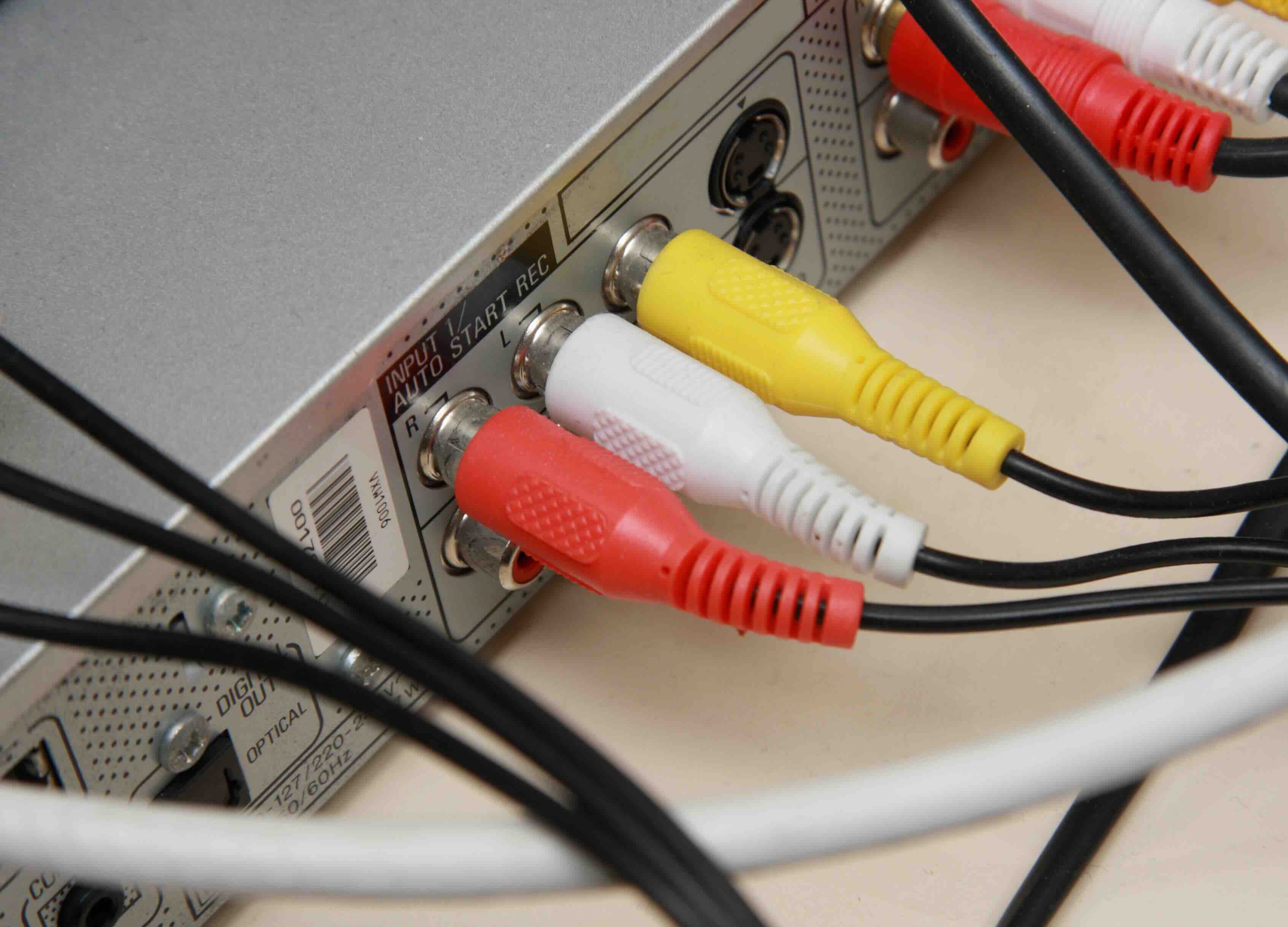
RCA connectors, those familiar red, white, and yellow plugs, carry analog audio and composite video signals. Each cable carries a single channel of information. Stereo audio requires two connectors, and composite video needs one more. When you have multiple devices sharing a single destination, signals can interfere with each other if they are all connected simultaneously without a switch. That is where the switching box earns its place. It isolates the selected input, routing only that signal to the output while keeping the others electrically separated. Whether the switch is mechanical or electronic, the goal is clean signal delivery without crosstalk or degradation.
Types of RCA Switching Boxes Available
Not all RCA switches are built the same, and knowing the difference helps you pick the right one for your setup. Here is a breakdown of the main types you will encounter:
- Manual RCA switch boxes require you to physically press a button or turn a dial to select your input. They are simple, affordable, and do not require a power source. These work well for casual setups where you are not switching sources constantly.
- Automatic or sensing switches detect an active signal and route it to the output without any manual input. This is convenient but can sometimes cause issues if multiple sources are powered on at the same time.
- Active RCA switches use a small power supply to buffer the signal, which can help maintain signal quality over longer cable runs or when connecting lower-output devices.
- Bidirectional switches allow signal flow in both directions, which is useful for more complex AV routing setups.
Most home users are perfectly served by a basic manual switch. But if you are running a more involved installation or dealing with longer distances, stepping up to an active model makes a real difference.
Key Advantages of Using an RCA Switch Box
The benefits are practical and immediate. First, you stop being limited by the number of inputs on your TV or receiver. Older televisions in particular tend to have one, maybe two, composite inputs. An RCA switch expands that to three, four, or even more connected devices. Second, it keeps your cables organized. Instead of constantly unplugging and re-plugging cables behind your entertainment center, everything stays connected and you simply select the source you want. Third, cost is on your side. These devices are inexpensive and straightforward to install. There is no software, no firmware, no complicated configuration. Plug in your sources, plug the output into your TV, and you are done.
Common Drawbacks and Limitations to Know
RCA is an analog format, so it carries some inherent limitations that no switching box can overcome. Composite video, which is what the yellow RCA cable carries, tops out at standard definition. If you are dealing with older content on older hardware, that is fine. But if you are hoping to push high-definition signals through an RCA switch, that is not how it works. You would need an HDMI switch for that. Additionally, passive switches can sometimes introduce minor signal loss, particularly with cheaper units or in setups involving long cable runs. It is also worth noting that RCA switches do not upscale or convert signals. What goes in is what comes out, format and quality intact. For users with modern 4K displays and current-generation consoles, RCA switching is not the right tool. But for retro gaming setups, older media players, and legacy AV equipment, it remains exactly the right solution.
What to Look for When Buying an RCA Switching Box
Shopping for an RCA switch does not have to be complicated. A few key factors will steer you toward the right product.
- Number of inputs: Count your devices before you buy. A three-input switch covers most casual setups, but a four or five-input model gives you room to grow.
- Signal type support: Make sure the switch handles both composite video and stereo audio if you need video switching, or audio-only if that is your use case.
- Build quality: Metal housings and quality connectors hold up better over time. Loose or corroded RCA ports are a frustrating and avoidable problem.
- Passive versus active: Passive is fine for most home setups. Active is worth the small additional cost if you are dealing with longer cable runs or signal loss concerns.
- Power requirements: Some active switches need a wall adapter, others run off USB. Know your setup before you buy.
Paying attention to these details upfront saves you the headache of returning something that does not quite fit your needs.
RCA Switching Boxes in Modern Home and Professional AV Setups
It might seem like RCA is a dying technology, but that would be underestimating how much legacy hardware is still in active use. Retro gaming communities, for instance, have seen massive growth in recent years, and a huge portion of that hardware connects exclusively via RCA. Recording studios and broadcast facilities also maintain older equipment that uses analog RCA connections. Schools, churches, and community centers often have AV systems built around analog infrastructure that simply has not been replaced. In all of these scenarios, a reliable RCA switching box is not a workaround. It is the right tool for the job. Even in modern smart home setups, there are edge cases where analog audio routing through an RCA switch provides a simpler and more cost-effective path than a digital alternative.
Installation Tips for Getting the Most Out of Your RCA Switch
Installation is genuinely straightforward, but a few habits will make your experience better from the start. Always match your cable colors to the corresponding ports. Red goes to red, white to white, yellow to yellow. It sounds obvious, but a mismatched connection is one of the most common sources of audio or video issues. Keep your cables tidy and avoid tight bends, which can degrade signal quality over time. If you are using a passive switch and notice any buzzing or interference, try repositioning the switch away from power strips or other electronics. Shielded RCA cables can also help in electrically noisy environments. For professional installations, label your inputs. It saves time and confusion when you need to troubleshoot or reconfigure later.
Why Monoprice Is the Right Choice for Your RCA Switching Needs
When it comes to sourcing reliable AV connectivity products without overspending, Monoprice stands out as a trusted partner for both consumers and professionals. The product lineup covers a wide range of switching and connectivity solutions, built to deliver consistent performance at pricing that respects your budget. Whether you are setting up a retro gaming station, a multi-source audio system, or a legacy AV installation in a commercial space, the right hardware should not cost a fortune to get right. Monoprice has built its reputation on exactly that principle. Explore the full range of RCA switching boxes and analog AV connectivity solutions at Monoprice to find the right fit for your specific setup. From straightforward manual switches to more capable active models, the selection is practical, well-built, and priced to make sense. That combination of performance and value is what keeps integrators, AV professionals, and everyday users coming back.
Frequently Asked Questions About RCA Switching Boxes
What does an RCA switching box do?
An RCA switching box lets you connect multiple RCA-equipped devices to a single input on your TV or receiver, allowing you to select which source is active without unplugging cables.
Do RCA switch boxes affect signal quality?
Passive switches may introduce minor signal loss, especially over long cable runs. Active switches buffer the signal and generally maintain quality more effectively. For most home setups, the difference is minimal.
Can an RCA switch box support HD or 4K video?
No. RCA composite video is a standard definition analog format. If you need HD or 4K switching, you should use an HDMI switch instead.
Do I need a power source for an RCA switch?
Passive RCA switches require no external power. Active switches typically use a wall adapter or USB power source to buffer the signal.
How many devices can I connect to an RCA switch?
It depends on the model. Most consumer RCA switches support three to five input sources, though configurations vary. Check the product specifications before purchasing.
Is an RCA switch the same as an AV selector?
They are essentially the same device. The terms are often used interchangeably. Both route multiple RCA sources to a single output destination.
Can I use an RCA switch for audio only?
Yes. If you only need to switch between audio sources, a switch that supports just the red and white RCA connectors will handle stereo audio routing without the video channel.
Will an RCA switch work with a modern television?
It depends on whether your TV has RCA inputs. Many modern televisions have eliminated composite inputs entirely. Check your TV's input panel before purchasing an RCA switching solution.
What is the difference between a passive and an active RCA switch?
A passive switch routes signals mechanically with no power required. An active switch uses a powered circuit to buffer the signal, which helps preserve quality across longer cable runs or with weaker source signals.
Are RCA switching boxes still worth buying?
Yes, for the right applications. If you are working with legacy hardware, retro gaming consoles, older media equipment, or analog audio sources, an RCA switching box is a practical and affordable solution that solves a real problem.


