

Power Cables and Grounding Guide for Technology Users
Understanding Power Cables and Grounding: A Complete Guide for Technology Users
If you have ever set up a home theater, wired a server rack, or just plugged in a computer, you have interacted with power cables and grounding systems without necessarily thinking twice about them. And honestly, most people do not. But understanding what these components actually do, how they work, and why grounding in particular matters so much, that is the kind of foundational knowledge that pays off every single time you make a technology purchase or installation decision. So let us break it all down in plain language, from the basics to the stuff that actually affects your setup in the real world.
What Is a Power Cable in the Technology Industry
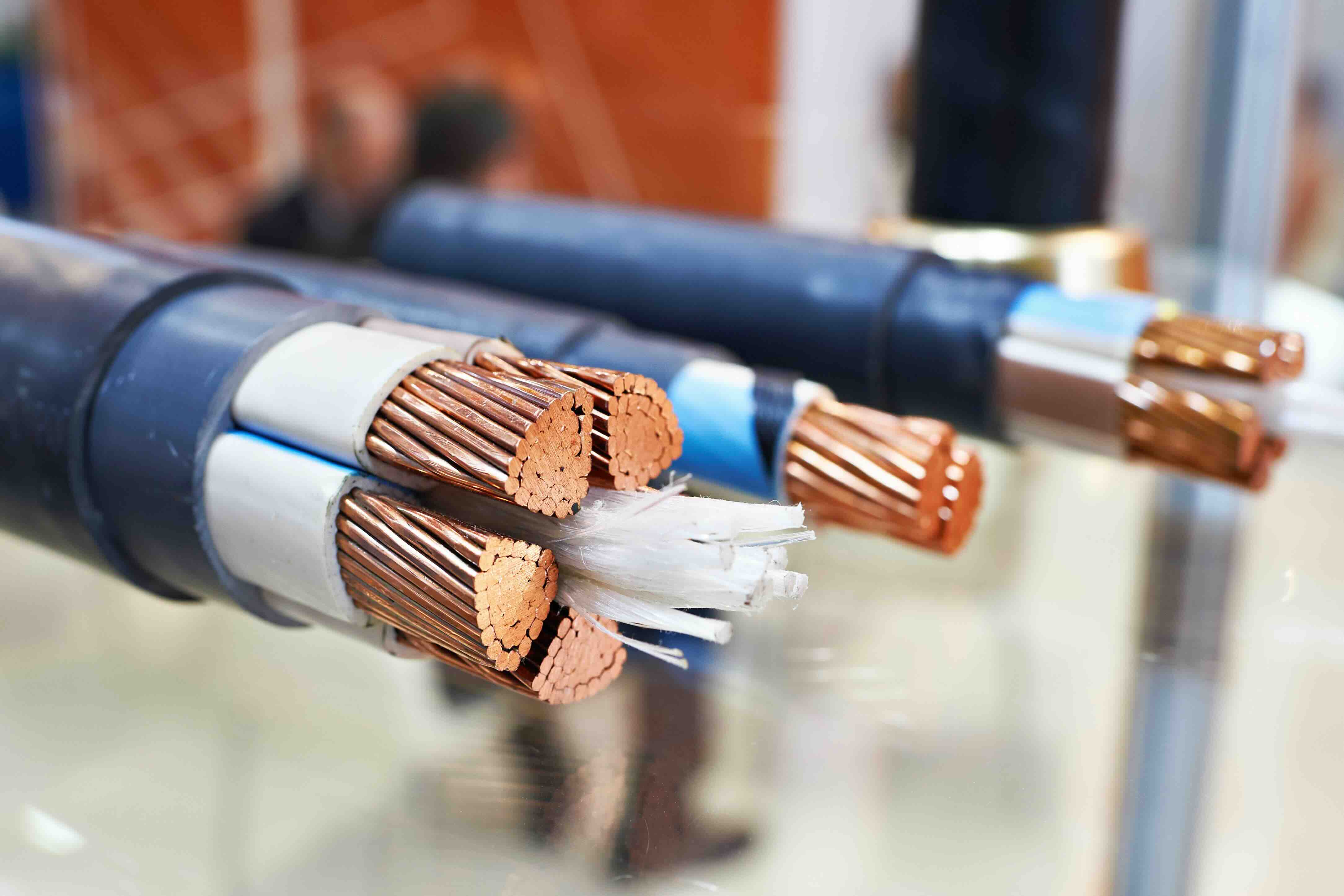
A power cable is exactly what it sounds like on the surface, a conductor that delivers electrical energy from a source to a device. But in the technology industry, it carries a bit more weight than that simple definition suggests. Power cables for electronics are engineered to handle specific voltages and current ratings, comply with safety standards, and fit standardized connector types like IEC C13, C15, C19, and NEMA configurations. The cable itself is typically made up of multiple conductors, usually copper, wrapped in insulation layers designed to protect against heat, abrasion, and electrical interference. The gauge of the wire, measured in AWG in North America, determines how much current can safely pass through it without overheating. Thicker cables with lower AWG numbers handle more amperage. A 14 AWG power cable, for instance, handles more load than an 18 AWG. That matters a lot when you are powering a high-draw device like a rack-mounted UPS or a large power amplifier.
What Does Grounding Mean and Why Does It Matter
Grounding is a safety and performance concept that a lot of people gloss over, which is a mistake. In electrical systems, grounding means connecting part of the circuit to the earth, literally the physical ground beneath your building. The purpose is twofold. First, it provides a safe path for stray electrical current to dissipate in the event of a fault, like a short circuit or a surge. Without that path, the excess energy has to go somewhere, and that somewhere is often your equipment, or worse, a person. Second, proper grounding dramatically reduces electrical noise, that low-level interference that can degrade audio quality, introduce artifacts into video signals, and cause erratic behavior in sensitive digital systems. In racks full of networking gear, audio equipment, or broadcast hardware, grounding is not optional. It is structural to how the system performs and stays safe.
How Power Cables and Grounding Work Together
The relationship between power cables and grounding is tightly integrated. A standard three-prong power cable includes three conductors: the hot wire carrying live current, the neutral wire returning current to the source, and the ground wire. That third prong connects to the grounding system in your building's electrical infrastructure. When everything is functioning correctly, the ground wire carries essentially no current. It is standing by. But the moment a fault occurs, it activates, creating a low-resistance return path that trips the circuit breaker and prevents serious damage or electrocution. This is why using two-prong adapters to bypass the ground connection is genuinely risky, especially for technology equipment that may contain capacitors, transformers, and switching power supplies that generate their own electrical noise. Cutting the ground out of the equation removes a critical layer of protection.
Types of Power Cables Used in Technology Setups
There is more variety here than most people expect. The type of power cable you need depends heavily on the equipment you are powering and the environment it lives in. Some of the most common configurations include the following.
- Standard IEC C13 to NEMA 5-15P cables used for desktop computers, monitors, and networking switches
- Heavy-duty C19 to NEMA 5-20P cables for high-powered rack equipment and servers
- Locking power cables that use twist-and-lock connectors to prevent accidental disconnection in professional environments
- Right-angle power cables designed for tight spaces where a straight plug would create tension on the connector
- Extension cords rated for specific amperage, which must never be exceeded in a technology context
Each of these has a specific application context. Matching the right cable to the right device is not just about physical compatibility, it is about ensuring current capacity and safety compliance align with the equipment's actual power draw requirements.
Key Advantages of Proper Power Cabling and Grounding
Getting this right has measurable, practical benefits across the board. Proper power cables and grounding contribute directly to equipment longevity, signal integrity, and system reliability. In audio and video production environments, a properly grounded system eliminates ground loops, those aggravating hum and buzz issues that plague improperly wired setups. In data centers and server environments, consistent power delivery and effective grounding reduce the risk of data corruption caused by transient voltage spikes. For everyday users, it means equipment runs safely and efficiently without unexpected shutdowns or component degradation over time. It is one of those areas where doing it correctly upfront saves significant cost and frustration down the road.
Common Drawbacks and Mistakes to Avoid
There are a few pitfalls that come up repeatedly when people approach power cabling and grounding without enough information. Using undersized cables for high-draw equipment is one of the most common, and most dangerous, errors. Running a power-hungry amplifier or a rack-mounted UPS on a cable that cannot handle the amperage creates heat buildup that degrades insulation and, in worst cases, causes fires. Another frequent issue is daisy-chaining power strips without accounting for total load capacity, which can trip breakers or damage equipment silently over time. On the grounding side, floating grounds, where the ground connection is lifted or improperly made, introduce noise and eliminate fault protection simultaneously. Avoiding these mistakes mostly comes down to checking specs, understanding your environment, and using quality components from the start.
Practical Tips for Choosing the Right Power Cable
Making the right call on power cables does not have to be complicated once you know what to look for. Start by identifying the power requirements of the device you are cabling, particularly its amperage draw and voltage rating. Match the cable's AWG rating to support that draw with margin to spare. Confirm the connector types on both ends match the device input and the outlet or PDU you are connecting to. For rack environments, standardize on locking connectors where possible to prevent accidental pulls. Always use cables that meet or exceed applicable safety certifications, such as UL listing in North America or CE marking in European markets. And if your setup involves sensitive audio, video, or networking equipment, make sure your building's grounding infrastructure is verified before assuming it is adequate.
Grounding in Modern Technology Environments: What Has Changed
Modern technology environments have added complexity to grounding that older electrical guidelines did not fully anticipate. Switching power supplies found in virtually all contemporary electronics generate high-frequency noise that requires effective grounding to manage. Data centers running thousands of compute nodes rely on carefully engineered grounding planes and bonding systems to maintain equipment safety and electromagnetic compatibility. In broadcast and live production, isolated ground receptacles and star grounding topologies have become standard practice to eliminate interference across complex signal chains. Even in home office environments, the proliferation of networked devices has made ground quality more relevant than it was a decade ago. Understanding how your physical space is grounded and how your power infrastructure is set up is increasingly relevant for anyone running a technology-dependent environment.
Why Monoprice Is the Right Source for Power Cables and Grounding Solutions
When it comes to sourcing power cables and grounding components that actually perform to spec without inflated costs, Monoprice has built a reputation that professionals and consumers both rely on consistently. The product lineup covers the full range of configurations, from standard desktop power cables to heavy-duty locking rack cables designed for demanding data center and AV production environments. Every cable is built to carry the certifications and ratings that matter, UL listing, correct AWG ratings, and proper shielding where applicable. That means you are not guessing at compliance or safety, you are getting components that have been engineered and verified. For IT managers, AV integrators, and home users who want performance without overpaying, finding high-quality power cables and grounded electrical components for technology setups at Monoprice is a straightforward decision that holds up under real-world scrutiny. The combination of competitive pricing, broad selection, and documented performance specs makes Monoprice a reliable partner for any project where power integrity and grounding quality are non-negotiable.
Frequently Asked Questions About Power Cables and Grounding
What is the difference between a grounded and ungrounded power cable?
A grounded power cable includes a third conductor, the ground wire, connected to the earth through your building's electrical system. An ungrounded cable uses only two conductors, hot and neutral, offering no fault protection path and no electrical noise dissipation route.
Can I use a two-prong adapter on a three-prong power cable safely?
It is not recommended, particularly for technology equipment. Using a two-prong adapter eliminates the grounding path, removing fault protection and potentially introducing electrical noise into sensitive electronics.
What AWG rating should I use for a standard desktop computer power cable?
Most desktop computers operate safely on 18 AWG power cables, but 16 AWG is a better choice for high-performance workstations or equipment with higher power draw specifications. Always verify the device's amperage requirements before selecting a cable.
What is a ground loop and how does it affect audio and video equipment?
A ground loop occurs when two or more pieces of equipment share a common ground at different electrical potentials, creating a loop through which current flows and generates audible hum or visible interference in video signals. Proper grounding design and isolation transformers are common solutions.
How do I know if my building's grounding is adequate for technology equipment?
A licensed electrician can test your outlet grounding using a plug-in outlet tester or a more detailed continuity test. For critical environments like data centers or recording studios, a full electrical assessment is the appropriate step.
What is the difference between IEC C13 and IEC C19 power connectors?
IEC C13 connectors are the standard three-prong type used for most desktop computers, monitors, and networking gear, rated for up to 10 amps. IEC C19 connectors are larger and rated for up to 16 amps, used for high-draw servers, UPS units, and rack PDUs.
Do power cable quality differences actually affect performance?
For standard power delivery, the primary quality factors are conductor gauge, insulation integrity, and connector build quality. These affect safety, heat management, and connection reliability. Verified certifications like UL listing confirm a cable has met defined safety and performance standards.
What is a locking power cable and when should I use one?
A locking power cable uses a twist-and-lock mechanism on the connector to prevent accidental disconnection. These are standard in professional rack environments, data centers, and live production settings where an unexpected power loss can cause significant problems.
Why does grounding reduce electrical noise in technology systems?
Grounding provides a low-impedance reference point and a path for stray high-frequency noise generated by switching power supplies and digital circuits to dissipate safely. Without it, that noise circulates through the system and affects audio, video, and data signal quality.
Is it safe to extend a power cable using a regular household extension cord?
Only if the extension cord is rated for the same or higher amperage as the device being powered. Using an undersized extension cord for technology equipment increases resistance, generates heat, and can damage both the cord and the connected device over time.


