

Mounting Speakers on the Ceiling: A Complete Guide
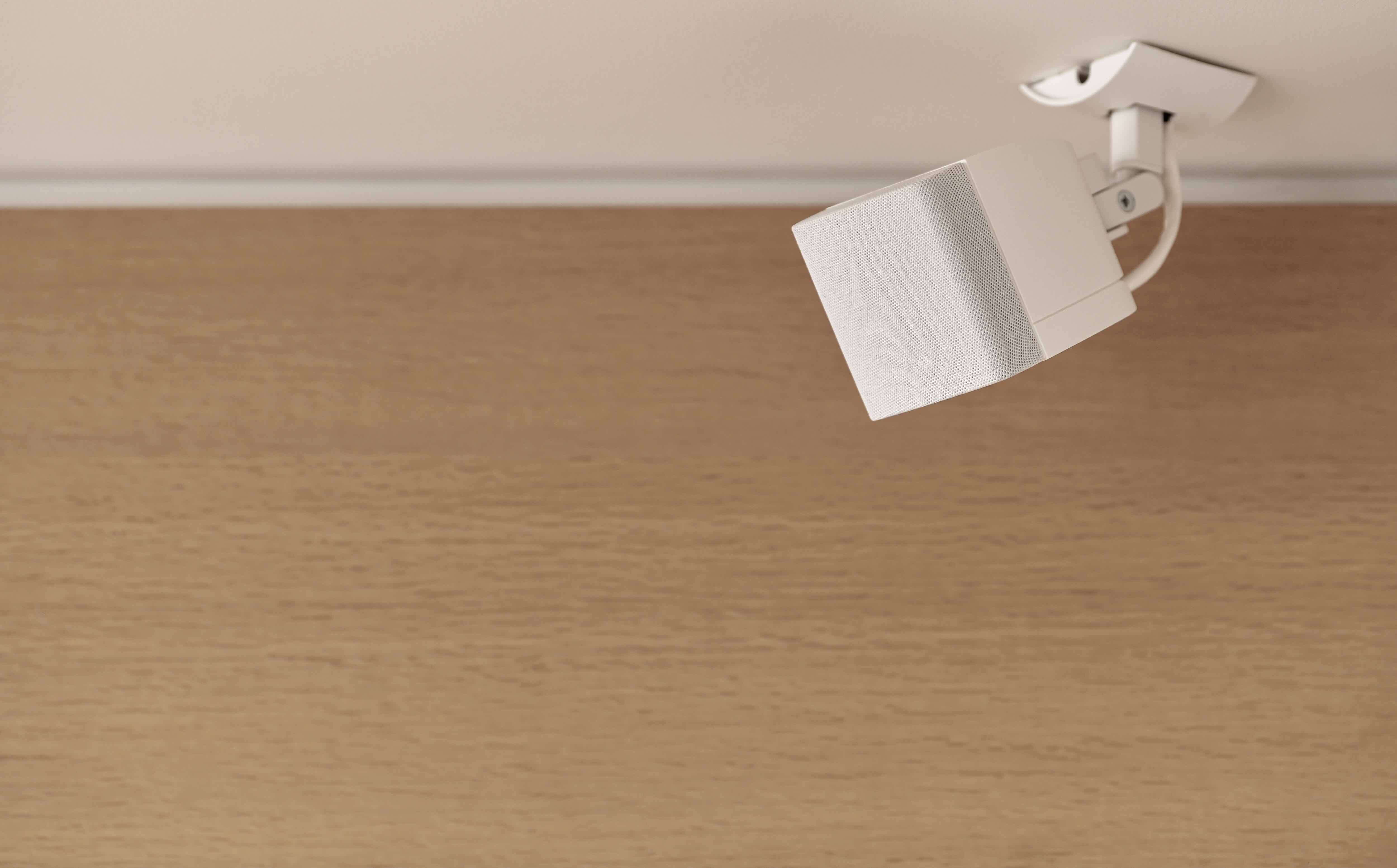
Mounting Speakers on the Ceiling: What You Need to Know Before You Start
Ceiling speaker installations come up constantly in home theater builds, commercial AV projects, whole-home audio setups, and even basic office sound systems. And honestly, the question of how to mount speakers on the ceiling is one of those things that looks simple from a distance but has a lot of layers once you actually start planning it out. There are brackets, different ceiling types, wire routing decisions, load ratings -- and that's before you even think about speaker placement for sound quality. This guide is meant to walk through all of it in a practical way, whether you're setting up a single room or speccing a multi-zone system.
What Does "Mounting Speakers on the Ceiling" Actually Mean
There are two broad categories here, and it's worth separating them early. The first is in-ceiling speakers, which are flush-mounted directly into drywall and sit inside the ceiling cavity itself. The second is surface-mounted or pendant-style ceiling speakers, which attach to the ceiling surface or hang from it using a bracket or mount. In-ceiling speakers give you the cleanest aesthetic -- you barely notice them -- while surface-mounted options offer more flexibility in placement and are easier to install without cutting into drywall. Both approaches are legitimate, and the right one depends entirely on the space, the use case, and how permanent you want the installation to be.
How Ceiling Speaker Mounts Work
A ceiling speaker mount is a hardware solution designed to secure a speaker to a ceiling surface safely and at a controlled angle. Most mounts attach to a junction box or directly into ceiling joists using screws, toggle bolts, or anchors depending on the ceiling material. The mount holds the speaker enclosure and often includes a ball joint or swivel mechanism that allows you to aim the speaker at a specific listening position. This is especially important in larger rooms or commercial spaces where you need to direct sound coverage deliberately. Ceiling mounts typically have a weight rating -- this is a number you should not ignore. Speakers have real mass, and an undersized mount in a high-traffic area is a liability, not just an inconvenience.
Key Advantages of Ceiling Speaker Installations
There are some genuinely compelling reasons why ceiling placement has become the default in so many professional and residential installations. The benefits go beyond just keeping things off the floor or out of the corners.
- Space efficiency and clean aesthetics
- Consistent overhead sound coverage for large or open areas
- No floor obstructions or furniture conflicts to work around
- Ideal for multi-zone audio without cluttering the room
- Effective for immersive audio formats like Dolby Atmos height channels
- Professionally finished look for commercial and hospitality environments
The overhead position also means sound distributes more evenly across a room compared to speakers placed at ear level in corners, which can create hot spots and dead zones. In spaces like conference rooms, retail floors, or open-plan offices, this matters a lot.
Common Drawbacks and Limitations to Consider
Ceiling mounting is not without its complications. For starters, the installation process is more involved than placing a bookshelf speaker on a shelf. You're dealing with ceiling access, wire fishing, potential drywall cutting, and structural considerations. In-ceiling installs are essentially permanent -- patching drywall is a real process if you change your mind. Surface mounts are more forgiving in that regard, but they're still not trivial. Beyond installation effort, acoustics can be a consideration. Ceiling speakers sometimes struggle to deliver the same stereo imaging as traditional left-right speaker setups, especially for critical listening. And in rooms with very high ceilings, getting adequate volume and coverage without distortion requires speakers and amplification that can actually deliver. The gear has to match the space, or the results will be underwhelming regardless of how well everything is mounted.
Ceiling Types and What They Mean for Your Installation
Not all ceilings are the same, and the type of ceiling you're working with directly affects which mounting approach is viable. Standard drywall ceilings over wood joists are the most forgiving -- you can use toggle bolts for lighter loads or screw directly into the joist for heavier ones. Drop ceilings, common in commercial buildings and basements, have their own ceiling speaker tiles and grid-compatible mount systems, which are actually very convenient once you know what to look for. Concrete ceilings require masonry anchors and a bit more planning. Vaulted or angled ceilings add another layer, since you'll want a mount with enough articulation to compensate for the slope and still direct the speaker where it needs to go. Always confirm the ceiling structure before purchasing hardware.
Speaker Placement Tips for Better Sound Coverage
Placement is where a lot of ceiling installations either succeed or fall short. A few things are worth knowing before you commit to drilling any holes.
- Position speakers so the center of coverage aligns with primary listening or occupancy zones
- Space multiple speakers apart at a distance roughly equal to the ceiling height for even coverage
- Avoid placing speakers directly above hard reflective surfaces without some acoustic treatment
- Aim adjustable tweeters toward the primary listening position, not straight down
- For stereo setups, maintain consistent left-right symmetry from the listening position
- In larger rooms, more speakers at lower volume beats fewer speakers pushed hard
For Dolby Atmos overhead height channels specifically, manufacturer guidelines usually specify placement at around 30 to 55 degrees elevation relative to the main listening position. That's a narrow enough range that getting it right actually matters for the surround experience.
Wiring Considerations for Ceiling Speaker Runs
One aspect that tends to catch people off guard is the wiring. Running speaker cable through a ceiling is not complicated, but it does require in-wall rated CL2 or CL3 cable in most residential applications -- standard speaker wire is not rated for inside-wall or inside-ceiling use and may not meet local code requirements. The run length also matters. Longer cable runs can increase resistance and affect performance, particularly with lower-impedance speakers. It's worth calculating total wire resistance relative to speaker impedance before you finalize your layout. And wherever possible, plan the wire routing before any drywall work is done. Retrofitting cable paths through finished ceilings is one of those jobs that takes three times longer than it should.
Choosing the Right Ceiling Speaker Mount
Mount selection comes down to a few practical criteria: weight capacity, compatibility with your speaker's mounting pattern, ceiling type compatibility, and the range of swivel or tilt adjustment available. A mount rated for eight pounds that you're loading with a twelve-pound speaker is a problem waiting to happen. Adjustability matters too -- a fixed-angle mount is fine for some applications, but if you need to aim coverage precisely, you want at least a basic ball joint. For pendant speakers in commercial environments, look at mounts designed specifically for that form factor. And pay attention to finish -- in visible installations, mismatched hardware stands out in a way that undermines an otherwise clean setup.
Why Monoprice Is a Smart Choice for Ceiling Speaker Installations
When you're planning a ceiling speaker project -- whether it's one room or a whole building -- the quality and value of the components you choose determine how long that installation holds up and how good it sounds from day one. Monoprice has built a genuine reputation among integrators, contractors, and serious home AV enthusiasts for delivering reliable, well-engineered products without the inflated price tags that come with some legacy AV brands. From in-ceiling speakers designed for accurate, full-range sound reproduction to ceiling speaker mounts with the articulation and weight ratings professional installs demand, the lineup covers a real range of use cases. If you're sourcing components for a project and want gear that performs at a level above its price point, shop ceiling speakers and mounting hardware at Monoprice and see how far your installation budget can actually go. The combination of verified performance, thoughtful design, and competitive pricing makes Monoprice a practical first stop for anyone building out a ceiling audio system the right way.
Frequently Asked Questions About Mounting Speakers on the Ceiling
What type of mount do I need to hang speakers from the ceiling?
The right mount depends on your speaker type, ceiling material, and desired angle adjustment. For surface-mount speakers, look for a ceiling bracket with a swivel or ball joint rated for your speaker's weight. For in-ceiling speakers, the speaker itself usually includes a mounting ring that clips into the drywall cutout without a separate bracket.
Can I mount speakers on any ceiling type?
Most ceiling types can support speaker installations, but the hardware varies. Drywall ceilings use toggle bolts or joist screws, drop ceilings use grid-compatible tiles or clips, and concrete ceilings require masonry anchors. Always verify the ceiling structure before selecting mounting hardware.
How much weight can a ceiling speaker mount hold?
Weight ratings vary by mount design, typically ranging from five to fifty or more pounds. Always confirm the mount's rated capacity exceeds your speaker's actual weight, and anchor into ceiling joists or use appropriate anchors for the ceiling material when dealing with heavier speakers.
Do I need special wire for ceiling speaker installations?
Yes. Cables routed inside walls or ceilings should be CL2 or CL3 rated in-wall speaker cable, which meets fire safety standards for enclosed spaces. Standard speaker wire is not approved for in-wall or in-ceiling use in most building codes.
Where should ceiling speakers be positioned for best sound?
Position speakers so coverage centers over the primary listening area. For even sound distribution across a room, space multiple speakers apart at a distance roughly equal to the ceiling height. For stereo setups, maintain symmetrical left and right placement relative to the listening position.
Can ceiling speakers be used for Dolby Atmos setups?
Yes. Ceiling speakers are actually the preferred height channel solution for Dolby Atmos. Placement guidelines recommend positioning overhead speakers at roughly 30 to 55 degrees of elevation relative to the main listening position for accurate height effect reproduction.
Are in-ceiling speakers better than surface-mounted ceiling speakers?
In-ceiling speakers offer a cleaner, more integrated aesthetic and are preferred when appearance matters. Surface-mounted ceiling speakers are easier to install without drywall work and offer more placement flexibility. The better choice depends on the room, the permanence of the installation, and the priorities of the project.
How do I find ceiling joists for mounting speakers safely?
Use an electronic stud finder to locate joists before drilling. For heavier speakers, anchoring directly into joists is the most reliable approach. For lighter installations between joists, use toggle bolts or ceiling anchors rated for the load.
Can I install ceiling speakers myself or do I need a professional?
Many ceiling speaker installations are manageable as DIY projects with basic tools and some planning, particularly surface-mount setups. In-ceiling installs that involve drywall cutting and cable fishing through finished ceilings can be more involved and may benefit from professional installation, especially in commercial settings or when multiple zones are involved.
What is the difference between CL2 and CL3 rated speaker wire?
Both CL2 and CL3 are in-wall rated cable designations. CL3 is rated for slightly higher voltage levels and is generally considered a step up from CL2. For most residential speaker installations, CL2 is sufficient, but CL3 is an acceptable substitute wherever CL2 is specified.


