

LAN Cable Plugs: RJ45 Connectors for Every Network
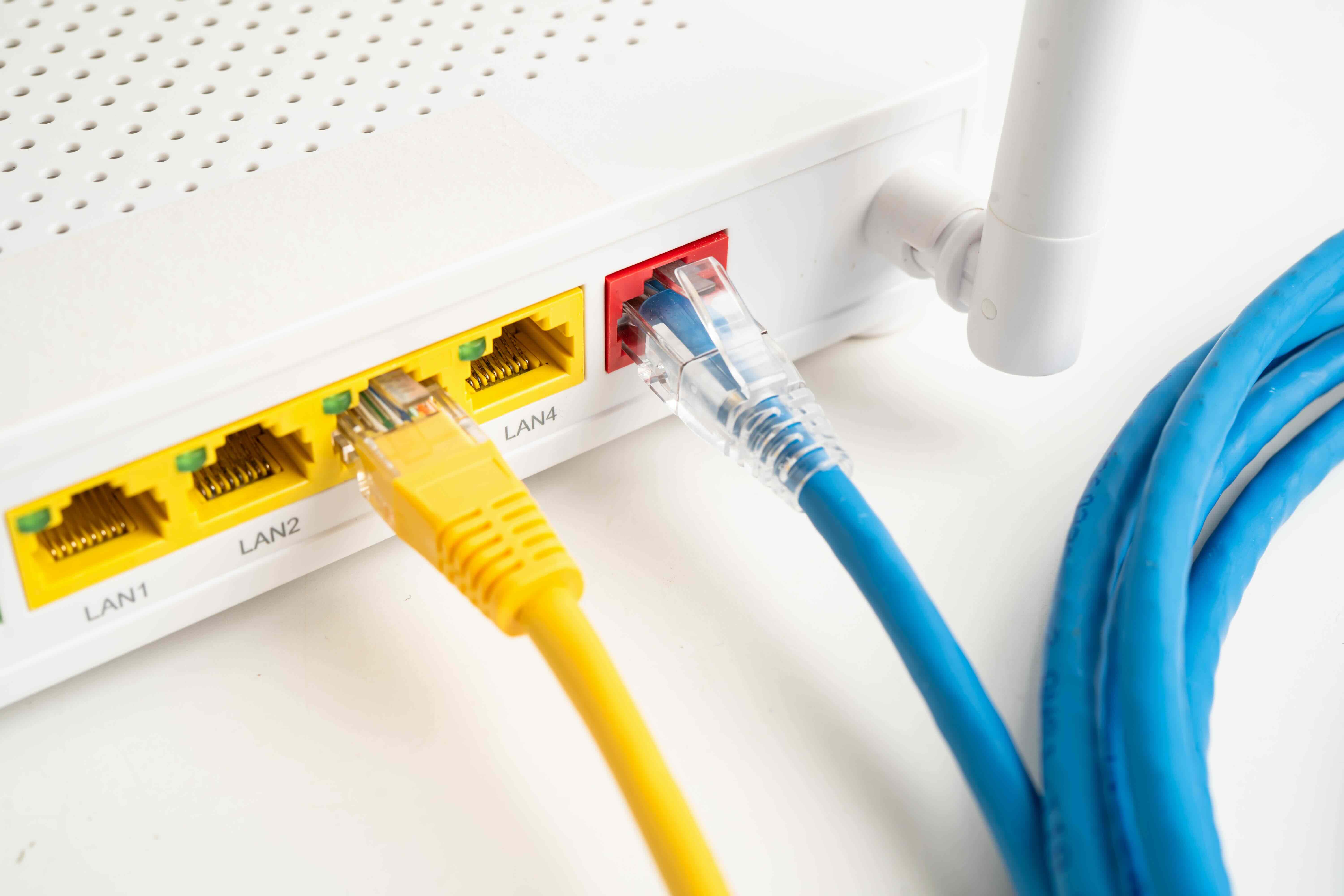
What Is a LAN Cable Plug and Why Does It Matter for Your Network?
If you have ever set up a home network, installed an office switch, or run Ethernet cable through a wall, you have dealt with a LAN cable plug whether you realized it or not. It is one of those small components that does not get much attention until something goes wrong. The LAN cable plug, more formally known as an RJ45 connector, is the termination point at the end of an Ethernet cable. It is what physically connects a cable to a router, switch, patch panel, or network interface card. Small? Yes. Inconsequential? Not at all. A poor crimp or a mismatched plug can bring down an entire network segment, introduce latency, or cause intermittent packet loss that is genuinely frustrating to troubleshoot. Understanding how these connectors work, which types are available, and how to choose the right one for your cabling project is practical knowledge worth having.
How the RJ45 Plug Actually Works
The RJ45 plug is an eight-position, eight-contact connector, commonly abbreviated as 8P8C. Inside the plug, eight individual contacts align with the eight conductors inside a standard Ethernet cable. When the plug is crimped onto the cable, metal tines pierce through the wire insulation and make direct contact with each conductor. That mechanical and electrical connection is what allows data signals to travel from one device to another. The contacts inside the plug are arranged in a specific color-coded order, following wiring standards established by the Telecommunications Industry Association. You will most commonly work with either T568A or T568B wiring configurations, and choosing one consistently throughout an installation keeps everything compatible and readable. The plug slides into an RJ45 port with a small locking tab that clicks into place, creating a secure connection that is easy to disengage when needed.
Pass-Through vs. Standard RJ45 Plugs: Which Should You Use?
This is where a lot of people stop and think -- and rightfully so. There are two main plug designs on the market today, and they each come with real workflow differences. Standard RJ45 plugs require you to cut the cable conductors flush before inserting them, relying on precise alignment inside the connector before crimping. Pass-through plugs, on the other hand, allow the conductors to extend completely through the front of the connector. This makes it significantly easier to visually confirm correct wire order before crimping. A dedicated pass-through crimping tool then trims the excess wire automatically during the crimp cycle. For anyone doing volume terminations or working in tight spaces, pass-through plugs are a genuine efficiency upgrade. For smaller jobs or experienced technicians who have a reliable workflow with standard plugs, either option performs equally well once properly terminated.
Cat5e, Cat6, and Cat6A Plugs: Not All Connectors Are Interchangeable
Here is something that trips people up more often than it should. Not every RJ45 plug is rated for every cable category. The internal geometry and conductor spacing inside a Cat6 or Cat6A plug differs from a Cat5e plug because higher-category cables use larger gauge wire and in some cases include a central spline that separates wire pairs. Trying to terminate Cat6 cable with a plug designed for Cat5e often results in a poor crimp, unreliable contact, or a connector that simply will not seat correctly. Always match your plug to your cable category. This is not marketing language -- it is a physical compatibility requirement. Cat5e plugs are designed for 24 AWG solid or stranded conductors in unshielded cable. Cat6 plugs accommodate the larger conductor diameter and tighter tolerances of Cat6 installations. Cat6A plugs are built for the even more demanding requirements of 10-Gigabit Ethernet applications and often include shielded variants for environments with elevated EMI exposure.
Shielded vs. Unshielded LAN Cable Plugs
Most residential and light commercial installations use unshielded twisted pair cable, and the standard unshielded RJ45 plug works perfectly in those environments. However, industrial settings, data centers, and installations near heavy electrical equipment often require shielded twisted pair cable, which carries shielded plugs to match. A shielded RJ45 plug includes a metallic housing or foil wrap that extends the cable's shielding all the way to the termination point. This continuity of shielding is critical. A gap in the shield at the connector level defeats the entire purpose of running shielded cable. If you are specifying STP or FTP cable for a project, source shielded plugs and confirm they are compatible with your cable's specific shielding configuration, whether that is foil, braid, or a combination of both.
Key Advantages of High-Quality RJ45 Plugs
The connector market is full of options at wildly different price points, and the quality difference is measurable. Investing in well-manufactured LAN cable plugs delivers real returns across an installation.
- Higher contact durability and consistent crimp force distribution
- Gold-plated contacts that resist oxidation and maintain low-resistance connections over time
- Precise internal wire channels that keep conductors properly aligned before crimping
- Compatibility with both solid and stranded conductors in a single plug design
- Compliance with TIA/EIA-568 wiring standards for certified network performance
- Strain relief boots that protect the cable jacket from stress at the termination point
These are not abstract benefits. They translate directly into more reliable networks, fewer return visits for troubleshooting, and installations that hold up over years of use rather than months.
Common Drawbacks and Mistakes to Watch For
Even with good components, termination errors happen. The most frequent issue is miswired conductors, where the color-coded pairs are not seated in the correct order before crimping. Once the crimp is made, the connection is effectively permanent and the plug must be cut off and replaced. Another common problem is insufficient cable jacket strip length, which can pull conductors out of alignment inside the plug. Over-stripping, conversely, leaves too much untwisted pair exposed, which degrades crosstalk performance, particularly at higher frequencies. Using the wrong crimp tool for the plug style is another issue worth flagging. Pass-through plugs require a compatible pass-through crimp tool -- a standard crimp tool will not trim the excess conductors cleanly. And finally, skipping a cable tester after termination is a habit that costs time in the long run. A basic continuity tester takes seconds and catches wiring errors before they become network problems.
Practical Tips for Clean, Reliable Terminations Every Time
Good technique makes the single biggest difference in termination quality, and it is something that compounds across an entire installation. A few practices that consistently produce better results include confirming wire order visually before fully seating conductors, using a cable stripper with a depth stop to prevent nicking the conductor insulation, and selecting plugs with clear housings so you can verify alignment one final time before crimping. Always test every terminated cable before running it through conduit or securing it behind a wall. That extra two minutes per connection prevents hours of rework. For large-scale deployments, working with patch panels and pre-terminated cable assemblies can reduce field termination errors significantly, though the ability to field-terminate with quality plugs and a reliable crimp tool remains an essential skill for any network technician.
Why Monoprice Is the Right Source for LAN Cable Plugs and Networking Essentials
Choosing the right supplier for networking components matters as much as choosing the right product. Monoprice has built a well-earned reputation as a dependable source for professional-grade networking infrastructure, offering RJ45 connectors, Ethernet cables, crimp tools, and cable testing equipment that meet the performance standards that IT professionals and installation teams actually need. The product lineup spans Cat5e through Cat6A, with both shielded and unshielded options and pass-through plug designs that streamline high-volume termination work. For anyone building out a wired network from scratch or maintaining an existing installation, sourcing your components from a trusted supplier of professional LAN cable plugs and Ethernet networking products ensures you are working with components that are spec-compliant, consistently manufactured, and priced to make professional-quality infrastructure accessible without compromise. That combination of quality and value is what sets Monoprice apart from the crowded field of networking component suppliers.
Frequently Asked Questions About LAN Cable Plugs
What is the difference between an RJ45 plug and an RJ11 plug?
An RJ45 plug is an 8-position, 8-contact connector used for Ethernet networking. An RJ11 plug is a 6-position, 2 or 4-contact connector used for telephone lines. They are not interchangeable, and RJ11 connectors cannot carry Ethernet data signals properly.
Can I use the same RJ45 plug for Cat5e and Cat6 cable?
No. Cat5e and Cat6 plugs have different internal geometries to accommodate different wire gauges and cable constructions. Always use a plug rated for the specific cable category you are terminating to ensure a reliable crimp and proper signal performance.
What does pass-through mean on an RJ45 plug?
A pass-through RJ45 plug allows the wire conductors to extend fully through the front of the connector before crimping. This makes it easier to visually verify correct wire order. A compatible pass-through crimp tool trims the excess conductors automatically during the crimp process.
Do I need shielded RJ45 plugs for my installation?
Shielded plugs are required when you are using shielded twisted pair cable. Using an unshielded plug on shielded cable breaks the continuity of the shield and eliminates the protection against electromagnetic interference that shielded cable is designed to provide.
What wiring standard should I follow, T568A or T568B?
Either standard works for standard Ethernet connections, but T568B is the more common choice in North American commercial installations. The most important rule is consistency -- use the same standard on both ends of every cable in your installation.
How many times can an RJ45 plug be inserted and removed from a port?
Most quality RJ45 plugs and ports are rated for approximately 750 mating cycles. For connections that are frequently disconnected and reconnected, consider using a keystone jack or patch panel to protect both the plug and the port from excessive wear.
What crimp tool do I need for RJ45 plugs?
A standard 8P8C crimp tool works for most conventional RJ45 plugs. Pass-through plugs require a pass-through compatible crimp tool that includes a blade to trim excess conductor length. Using the wrong tool can result in an incomplete crimp or damaged conductors.
Can I terminate Cat6A cable with a standard Cat6 plug?
Cat6A cable has specific termination requirements due to its larger conductor size and shielding in many variants. Using a Cat6 plug on Cat6A cable can result in a poor crimp, misaligned contacts, and failure to achieve the 10-Gigabit performance Cat6A is designed to support.
Why does my network connection drop intermittently after I terminated my own cable?
Intermittent drops are often caused by a partial crimp, a miswired conductor pair, or conductors that were not fully seated before crimping. Testing with a cable continuity tester immediately after termination will identify these faults before the cable is deployed.
Is there a performance difference between gold-plated and standard RJ45 contacts?
Gold-plated contacts resist oxidation more effectively over time, maintaining lower contact resistance across the life of the connection. In demanding environments or permanent installations, gold-plated connectors provide more consistent long-term performance than standard nickel or tin-plated alternatives.


