

J Hook Clamp Guide for Cleaner Cable Management
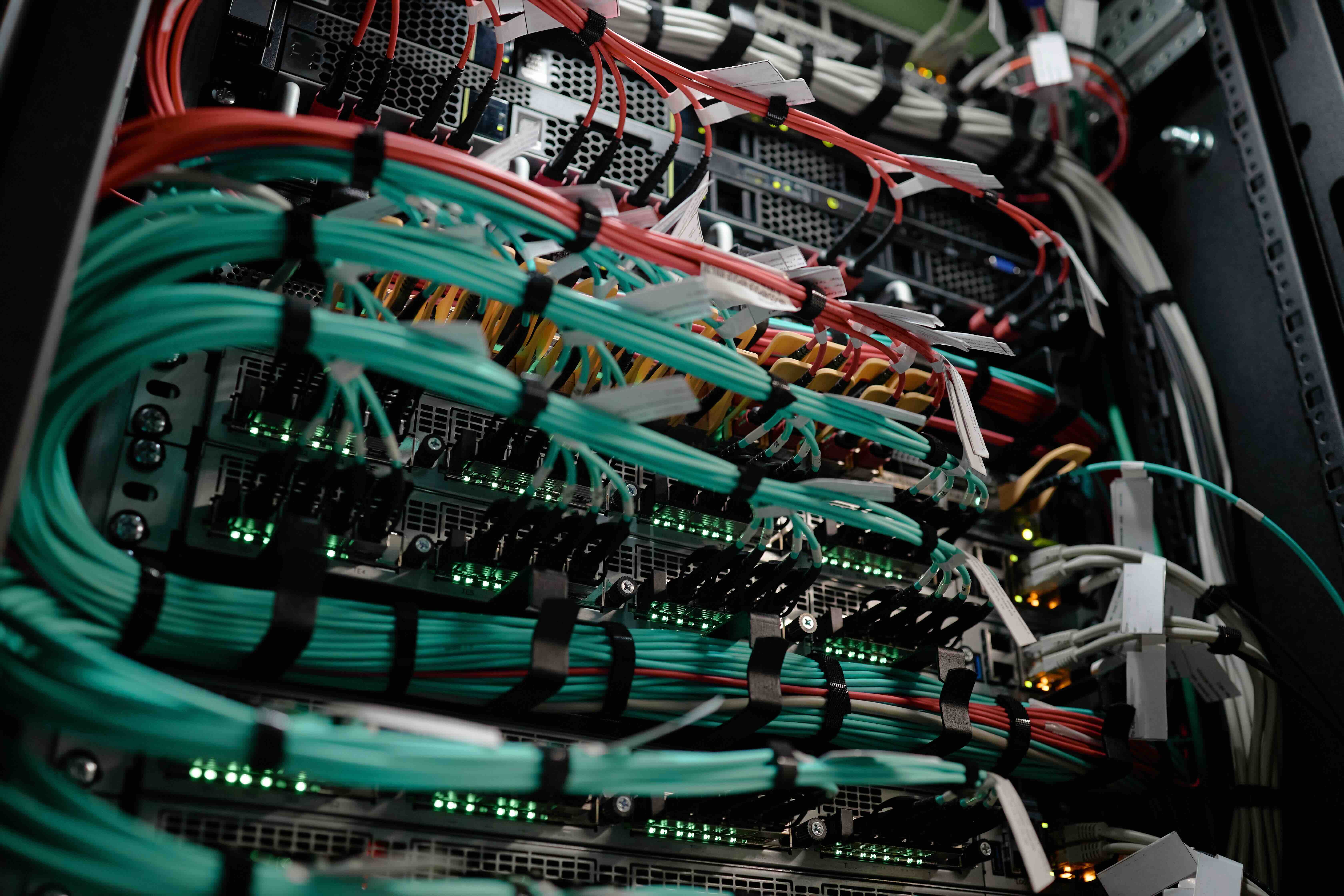
What Is a J Hook Clamp and Why Does It Matter in Cable Management?
If you work in IT infrastructure, structured cabling, or AV installation, you have almost certainly dealt with the challenge of routing cables cleanly through a ceiling grid or above a drop ceiling. That is where the J hook clamp comes into the picture. It is a simple, durable mounting accessory designed to support and guide cable bundles along a defined pathway without the need for traditional conduit or cable trays. The design is exactly what the name suggests: a hook shaped like the letter J, typically made from steel or galvanized steel, that attaches to ceiling wire, threaded rod, or structural members above a suspended ceiling. At first glance it looks almost too simple, but when you are managing hundreds of feet of Cat6, fiber optic, or AV cabling across a commercial space, these little hooks become one of the most important pieces of the installation puzzle. They keep things organized, accessible, and code-compliant without adding unnecessary weight or cost to the project.
How Does a J Hook Clamp Actually Work?
The mechanics behind a J hook clamp are deliberately straightforward. The hook portion cradles the cable bundle from below, while the mounting end attaches to a support structure above. Most designs include a threaded rod attachment, a beam clamp, a bridle ring, or a loop that fits around ceiling wire. Some versions include a closure or retaining strap that keeps cables from sliding out during or after installation. The clamp is typically positioned at regular intervals along the cable run, usually every four to five feet, to prevent cable sag and ensure proper support. Once mounted, cables are simply laid into the hook rather than pulled through conduit. This makes it significantly easier to add, remove, or re-route cables later without dismantling an entire pathway. For anyone who has spent time troubleshooting a cabling run in a finished ceiling, that accessibility alone is worth the investment in proper J hook infrastructure.
Common Types of J Hook Clamps and Their Applications
Not all J hook clamps are built the same, and choosing the right type for your environment makes a measurable difference in performance and longevity. Here is a quick breakdown of the most common variants you will encounter in the field:
- Single piece J hooks with beam clamps, ideal for attaching directly to steel structural members
- Threaded rod J hooks, designed to hang from all-thread rod suspended from the deck above
- Bridle ring J hooks, which are lighter duty and commonly used for lighter low-voltage cable runs
- Snap-in closure J hooks, which add a retaining mechanism to prevent cables from dislodging
- Wide body J hooks, built to handle larger or denser cable bundles in high-density environments
Each variant has its place depending on the type of structure you are working in, the weight and volume of cables being supported, and whether the installation is subject to inspection under local codes or standards like BICSI or NFPA 70. Galvanized steel options are typically preferred in environments where moisture or corrosion could be a concern, while standard steel works well in controlled indoor spaces like server rooms or office buildings.
Key Advantages of Using J Hook Clamps in Technology Installations
There are a few reasons why J hook clamps have become standard practice in low-voltage cabling installations across commercial and enterprise environments. First, they are cost-effective compared to full conduit systems or cable tray installations, which require more materials and more labor to install. Second, they provide excellent accessibility. Cables sit in an open cradle rather than being locked inside conduit, which means adding a new cable run to an existing pathway is fast and does not require specialized tools. Third, J hook clamps help maintain proper cable bend radius, which is critical for data cables like Cat6 or Cat6A where excessive bending can degrade signal performance. Fourth, they keep things tidy. A well-run J hook installation with consistent spacing and proper cable management looks professional and is much easier to audit or modify down the road. For IT managers and integrators who are responsible for maintaining infrastructure over time, that matters more than people initially realize.
Drawbacks and Limitations to Consider
J hook clamps are genuinely useful but they are not without limitations. One of the most commonly cited concerns is that an open hook design does not protect cables from physical damage the way enclosed conduit does. In environments where cables might be exposed to foot traffic above the ceiling or where physical interference is a risk, open J hooks may not be the safest choice on their own. Additionally, some local electrical codes have specific requirements about cable support systems, and in certain cases, conduit may be required regardless of preference. J hook clamps are also not well-suited for very heavy cable bundles without additional reinforcement, and overloading them can cause bending or failure over time. Finally, because they are so easy to use, it can be tempting to over-bundle cables, which introduces its own issues including heat retention and signal crosstalk in high-density data cable runs. Proper installation discipline matters just as much as product selection.
J Hook Clamps vs. Cable Trays: Which Should You Choose?
This comes up constantly and the answer depends almost entirely on the scale and nature of the installation. Cable trays are better suited for very high-density runs or when cables need significant physical protection and organization over long distances in industrial or data center environments. They offer more structural support and often look more organized when carrying dozens of cables side by side. However, cable trays require more planning, more materials, and significantly more installation time and labor cost. J hook clamps win on flexibility and speed. They are easier to install in existing buildings, easier to modify, and substantially cheaper per linear foot. For typical commercial office installations, structured cabling runs in schools or hospitals, or AV signal distribution across a medium-sized venue, J hook clamps will handle the job efficiently and economically. When the cable count climbs into the hundreds and the environment demands a more robust support system, cable tray starts to justify the additional investment.
Best Practices for Installing J Hook Clamps Correctly
Getting the most out of J hook clamps means following a few installation practices that experienced cabling professionals swear by. Proper spacing is the foundation of a good installation. Placing hooks too far apart leads to cable sag, which looks unprofessional and can strain connections over time. Here are the practices worth following consistently:
- Space J hooks no more than four to five feet apart on horizontal runs
- Always maintain the manufacturer-specified minimum bend radius for each cable type
- Do not exceed the rated load capacity of the hook
- Use closure or retaining straps in any area where cables might be disturbed during maintenance
- Label cable bundles at each J hook for easier future identification
- Avoid mixing high-voltage power cables with low-voltage data cables in the same hook run
Following these guidelines consistently results in installations that are cleaner, more compliant, and far easier to service months or years down the line.
J Hook Clamp Standards and Code Compliance in Technology Environments
If you are working on a commercial installation that will be inspected, it is worth familiarizing yourself with the relevant standards. BICSI guidelines address cable support spacing and installation methods for low-voltage cabling. The National Electrical Code, particularly Article 800 for communications wiring, includes requirements for cable support that J hook installations need to satisfy. Some jurisdictions have adopted specific amendments that go beyond the base NEC requirements, so local code review is always part of due diligence before a large installation. Using listed and labeled J hook clamps from reputable manufacturers helps ensure that the hardware itself meets the necessary standards, which simplifies the inspection process and reduces liability exposure for the installer.
Why Monoprice Is a Smart Choice for Your Cabling and Installation Hardware Needs
When you are sourcing hardware for a cabling project, the quality and consistency of every component matters. Monoprice has built a well-earned reputation among IT professionals, AV integrators, and structured cabling installers for delivering reliable, professional-grade products at prices that make projects more viable without sacrificing performance. Whether you are outfitting a small office or a large commercial space, having access to a trusted supplier who stocks the accessories you need means fewer delays and more predictable project outcomes. Monoprice's catalog spans cables, connectors, mounting hardware, and cable management solutions designed to meet the real-world demands of technology professionals. If you are looking for a dependable source for professional cable management and structured cabling installation solutions, Monoprice delivers on both quality and value in a way that makes sense for both individual installers and procurement teams managing larger infrastructure budgets. The combination of product depth, competitive pricing, and consistent availability makes it a practical first stop for any technology installation project.
Frequently Asked Questions About J Hook Clamps
What is a J hook clamp used for in cabling installations?
A J hook clamp is used to support and route cable bundles above drop ceilings or along structural members in commercial and enterprise environments. It holds cables in an organized pathway without requiring conduit, making it a cost-effective and accessible solution for low-voltage cabling runs including Cat6, fiber optic, and AV signal cables.
How far apart should J hook clamps be spaced?
Industry best practice and most code standards recommend spacing J hook clamps no more than four to five feet apart on horizontal cable runs. Closer spacing may be necessary for heavier cable bundles or in areas where cables are subject to physical disturbance.
Are J hook clamps code compliant for commercial installations?
Yes, J hook clamps can be code compliant when they are properly listed and labeled, installed at correct intervals, and used in accordance with applicable standards such as NEC Article 800 and BICSI guidelines. Always verify local code requirements before beginning a commercial installation.
What is the difference between a J hook and a bridle ring?
A bridle ring is a closed circular or oval loop used to guide cables, while a J hook has an open cradle shape that allows cables to be dropped in from the side. J hooks are generally easier to load and service after installation, while bridle rings offer a more enclosed pathway.
Can J hook clamps support fiber optic cable?
Yes, J hook clamps can support fiber optic cable, but it is critical to maintain the minimum bend radius specified for the fiber being used. Improper bending at the hook can cause signal attenuation or physical damage to the fiber, so proper hook sizing and placement is essential.
What materials are J hook clamps typically made from?
Most J hook clamps are made from steel, with galvanized or zinc-plated finishes available for corrosion resistance. Galvanized options are preferred in environments where moisture exposure is possible, such as above ceiling spaces in older buildings or in industrial settings.
How many cables can a single J hook clamp support?
The cable capacity of a J hook clamp depends on its size and load rating. Most standard J hooks are rated to support a specific weight and cable bundle diameter. Exceeding that capacity can cause the hook to bend or fail, so it is important to select the appropriate hook size for the volume of cables being routed.
Do J hook clamps require special tools to install?
Most J hook clamps do not require specialized tools for installation. They typically attach to ceiling wire, threaded rod, or beam clamps using basic hand tools. This ease of installation is one of the primary reasons they are preferred over conduit systems for many commercial cabling projects.
When should I use a cable tray instead of J hook clamps?
Cable trays are generally the better choice when dealing with very high-density cable runs, environments requiring significant physical cable protection, or data centers where dozens of cables need to travel the same pathway over long distances. For typical commercial office or AV installations, J hook clamps are usually sufficient and more cost-effective.
Are J hook clamps reusable if a cabling layout changes?
In most cases, yes. J hook clamps can be removed and reinstalled if a cabling layout changes, provided the attachment hardware and the hooks themselves are not damaged during removal. This reusability is one of the practical advantages of J hook systems compared to more permanent cable management infrastructure.


