

How to Wire and Ground Cat6 Cable the Right Way
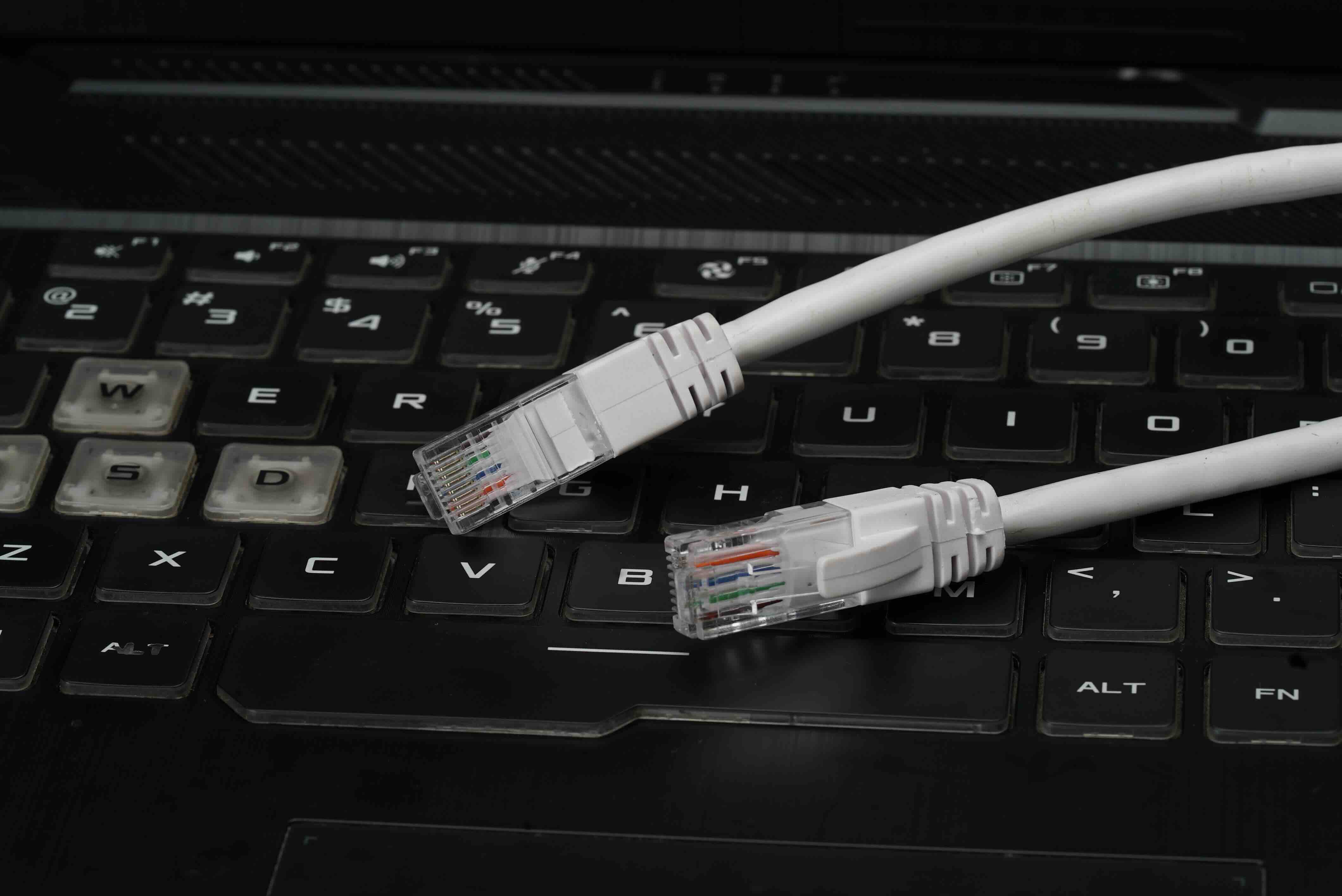
What Does It Mean to Ground a Cat6 Cable and Why Should You Care
If you have ever set up a network in a commercial building, a home office, or an industrial space, you have probably heard someone mention grounding the cable. And if you are like most people, you nodded along and hoped it would not come up again. But grounding is one of those topics that keeps showing up for good reason. It directly affects how well your network performs and how protected your equipment is. Cat6 cable is already a solid step up from older standards. It handles speeds up to 10 Gbps over shorter runs, reduces crosstalk, and supports the bandwidth demands of modern infrastructure. But without proper grounding, even the best cable can become a liability. This article breaks down what grounding means in the context of Cat6 wiring, how to do it correctly, and what happens when you skip it.
Understanding Cat6 Cable at a Basic Level
Cat6, short for Category 6, is a standardized twisted pair cable used for Ethernet networking. It consists of four pairs of copper wires twisted tightly together to reduce electromagnetic interference. The cable meets specifications defined by the TIA/EIA-568 standard and is backward compatible with Cat5e and Cat5 infrastructure. Cat6 supports 1 Gbps at up to 100 meters and 10 Gbps at distances up to 55 meters. There is also Cat6A, the augmented version, which extends 10 Gbps performance to the full 100-meter distance. Both versions come in shielded and unshielded variants, and the shielded versions are where grounding becomes especially important. Unshielded twisted pair, or UTP, does not have a metallic foil or braid layer, so there is nothing conductive to ground. Shielded twisted pair, or STP and its variants like F/UTP and S/FTP, includes shielding that must be properly terminated and grounded to function correctly.
Shielded vs Unshielded Cat6 Cable
This is probably the most practical distinction to understand before getting into grounding. Unshielded Cat6 cable is the most common choice for standard office and residential installations. It is flexible, easier to work with, and does not require special grounded connectors or panels. Shielded Cat6 cable, on the other hand, wraps the conductors in a metallic shield designed to block external electromagnetic interference and prevent signal leakage. These cables are typically used in environments with high electrical noise, such as manufacturing floors, hospitals, or data centers near heavy machinery. The tradeoff is that shielded cable must be grounded at both ends through properly grounded patch panels, connectors, and equipment chassis. An improperly grounded shielded cable does not just fail to protect, it can actually act as an antenna and attract more interference than an unshielded cable would.
How Grounding Works in Network Cabling
Grounding in cabling infrastructure works by providing a low-resistance path for stray electrical energy to safely dissipate. When a shielded cable is installed, the metallic shield around the conductors needs to connect to an earth ground at the termination point. This ground connection is typically made through the patch panel or keystone jack, which is itself bonded to the rack, and the rack is bonded to the building's electrical ground system. The entire chain matters. If any link in that path is broken, the shield floats electrically and can cause signal degradation, ground loops, or even equipment damage during electrical surges. This is why TIA-607 standards exist specifically to govern bonding and grounding of telecommunications infrastructure. Following those standards is not optional in professional installations and should not be treated as optional in any serious network deployment.
Common Grounding Mistakes and How to Avoid Them
There are a few mistakes that come up repeatedly in the field. Knowing what they are saves a lot of troubleshooting time later.
- Grounding only one end of a shielded cable run, which creates ground loops instead of eliminating interference
- Using ungrounded or plastic patch panels with shielded cable, breaking the continuity of the shield path
- Mixing shielded and unshielded components in the same run, which defeats the purpose of shielding entirely
- Failing to bond the equipment rack to the building's ground, leaving the entire cable infrastructure floating
- Using low-quality connectors that do not make reliable contact with the cable shield during termination
- Ignoring the grounding path when using inline couplers or surface mount boxes
Each of these mistakes is fixable once you know what to look for. The general rule is continuity. The shield needs a complete, unbroken path to ground, and every component in the system needs to be compatible with that requirement.
Wiring Cat6 Cable Correctly: Pinouts and Standards
Beyond grounding, the actual wiring configuration of a Cat6 cable matters a great deal. There are two accepted wiring standards: T568A and T568B. The T568B configuration is more commonly used in commercial installations across North America, while T568A is often found in government and residential settings. Both are acceptable as long as the same standard is used consistently at both ends of a straight-through cable. A crossover cable uses T568A at one end and T568B at the other, though modern network equipment with auto-MDI/MDI-X support has largely made crossover cables unnecessary. The pairs in a Cat6 cable are orange, blue, green, and brown, each with a solid and striped wire. Correct termination means maintaining the twist of each pair as close to the termination point as possible, no more than half an inch of untwisted wire at the jack or plug. Longer untwisted sections increase crosstalk and reduce overall performance.
Tools and Materials Needed for a Proper Cat6 Installation
Getting the installation right the first time requires the right gear. Cutting corners on tools usually shows up as performance issues that are frustrating to diagnose after the fact.
- A professional-grade punch-down tool for terminating keystone jacks and patch panels
- RJ45 crimp tool rated for Cat6 plugs, preferably with a ratchet mechanism for consistent crimps
- Wire stripper designed for network cable to avoid nicking the conductors
- Cable tester capable of verifying continuity, wire map, and grounding continuity for shielded installs
- Shielded Cat6 cable appropriate for the environment, indoor or outdoor rated as needed
- Grounded patch panels and shielded keystone jacks or shielded RJ45 connectors
- Cable management hardware to maintain bend radius and reduce physical stress on the cable
Investing in quality components at every layer of the installation is what separates a network that runs flawlessly for a decade from one that requires constant maintenance and troubleshooting. This is not a place to save two dollars per port.
When Grounding Cat6 Cable Matters Most
Not every installation requires shielded cable, and not every shielded installation is grounded correctly. The environments where proper grounding delivers the most measurable benefit include industrial facilities with variable frequency drives and heavy motors, healthcare environments with sensitive monitoring equipment, broadcast facilities where signal integrity is critical, and data centers where cable density and equipment proximity create significant electromagnetic noise. In a standard residential or small office deployment, unshielded Cat6 properly terminated to T568B standards will perform reliably without any grounding concerns. The decision to use shielded cable should be driven by the environment and the performance requirements, not by assumption. But when shielded cable is chosen, the grounding infrastructure has to be in place before a single cable is pulled.
Why Monoprice Is the Right Choice for Cat6 Cable and Networking Infrastructure
Sourcing the right cable and components should not be complicated, and it should not require paying a premium for performance that is available at a fair price. Monoprice has built a well-earned reputation in the networking and AV space by delivering professional-grade products that hold up in real installations. Whether you are an IT integrator outfitting a commercial space, a facilities manager upgrading aging infrastructure, or a home lab builder who takes their setup seriously, the product lineup covers every scenario without unnecessary cost inflation. From shielded and unshielded Cat6 cable in bulk spools to patch panels, keystone jacks, and structured wiring components, everything you need is in one place. The quality is consistent, the specifications are accurate, and the value is straightforward. If you are ready to build or upgrade a network that performs the way it should, explore high-performance Cat6 Ethernet cables and network infrastructure solutions that deliver real results without the inflated price tag. Monoprice is the kind of supplier that professionals actually recommend to other professionals, and that reputation is earned through consistent product quality and honest pricing across every category.
Frequently Asked Questions About Wiring and Grounding Cat6 Cable
Does Cat6 cable need to be grounded?
Only shielded Cat6 cable requires grounding. Unshielded Cat6 cable does not have a metallic shield layer, so there is nothing to ground. If you use shielded Cat6 or Cat6A, the shield must be properly grounded at the termination point through grounded patch panels or connectors bonded to the building's electrical ground system.
What happens if a shielded Cat6 cable is not grounded?
An ungrounded shielded cable can actually perform worse than unshielded cable. The floating shield picks up electromagnetic interference and can amplify it rather than blocking it. It can also create ground loops that cause signal noise, data errors, and in some cases, equipment damage during electrical events.
What is the difference between Cat6 and Cat6A for grounding purposes?
Both Cat6 and Cat6A come in shielded variants that require grounding, but Cat6A shielding is more robust because it supports 10 Gbps over the full 100-meter distance where EMI control is more critical. The grounding principles are the same for both, but Cat6A shielded installations are even less forgiving of improper grounding due to the tighter performance tolerances involved.
Can I mix shielded and unshielded Cat6 components?
No. Mixing shielded cable with unshielded jacks, patch panels, or connectors breaks the shield continuity and eliminates any protection the shielding was intended to provide. Every component in a shielded run must be rated and designed for shielded use and must be properly bonded to ground.
What wiring standard should I use for Cat6, T568A or T568B?
T568B is the most commonly used wiring standard in North American commercial installations. T568A is also valid and is preferred in some government and residential applications. What matters most is consistency. Both ends of a straight-through cable must use the same standard. Mixing them creates a crossover cable, which is rarely needed with modern network equipment.
How much untwisted wire is acceptable at a Cat6 termination point?
No more than half an inch of untwisted wire at the jack or plug is the recommended limit for Cat6. Exceeding this increases crosstalk between pairs and degrades performance. Maintaining the twist as close to the termination point as possible is one of the most impactful things you can do to preserve signal quality.
What tools do I need to properly terminate Cat6 cable?
At minimum you need a cable stripper designed for network cable, a punch-down tool for keystone jacks and patch panels, and an RJ45 crimp tool for field-terminated plugs. A cable tester is essential for verifying wire map accuracy and, in shielded installations, confirming ground continuity through the entire run.
How do I know if my building's electrical ground is adequate for network cable grounding?
Your network grounding is only as reliable as the electrical ground it connects to. A qualified electrician should verify that the building's grounding electrode system meets current code requirements. For telecommunications specifically, TIA-607 provides the standard for bonding and grounding infrastructure in commercial buildings.
Can improper Cat6 grounding cause network equipment to fail?
Yes. In environments with significant electrical noise or lightning exposure, an improperly grounded shielded cable can conduct surge energy directly into connected equipment. Over time, even lower-level interference can degrade network interface cards, switches, and other hardware. Proper grounding is as much about equipment protection as it is about signal performance.
Is shielded Cat6 cable always better than unshielded Cat6?
Not always. Shielded Cat6 is the right choice for electrically noisy environments, but it requires a fully grounded infrastructure to deliver its benefits. In a standard office or home environment with no significant interference sources, unshielded Cat6 is easier to install, more flexible, and performs just as well without the added complexity of grounding requirements.


