

How to Tell If Coaxial Cable Is Live and Grounded
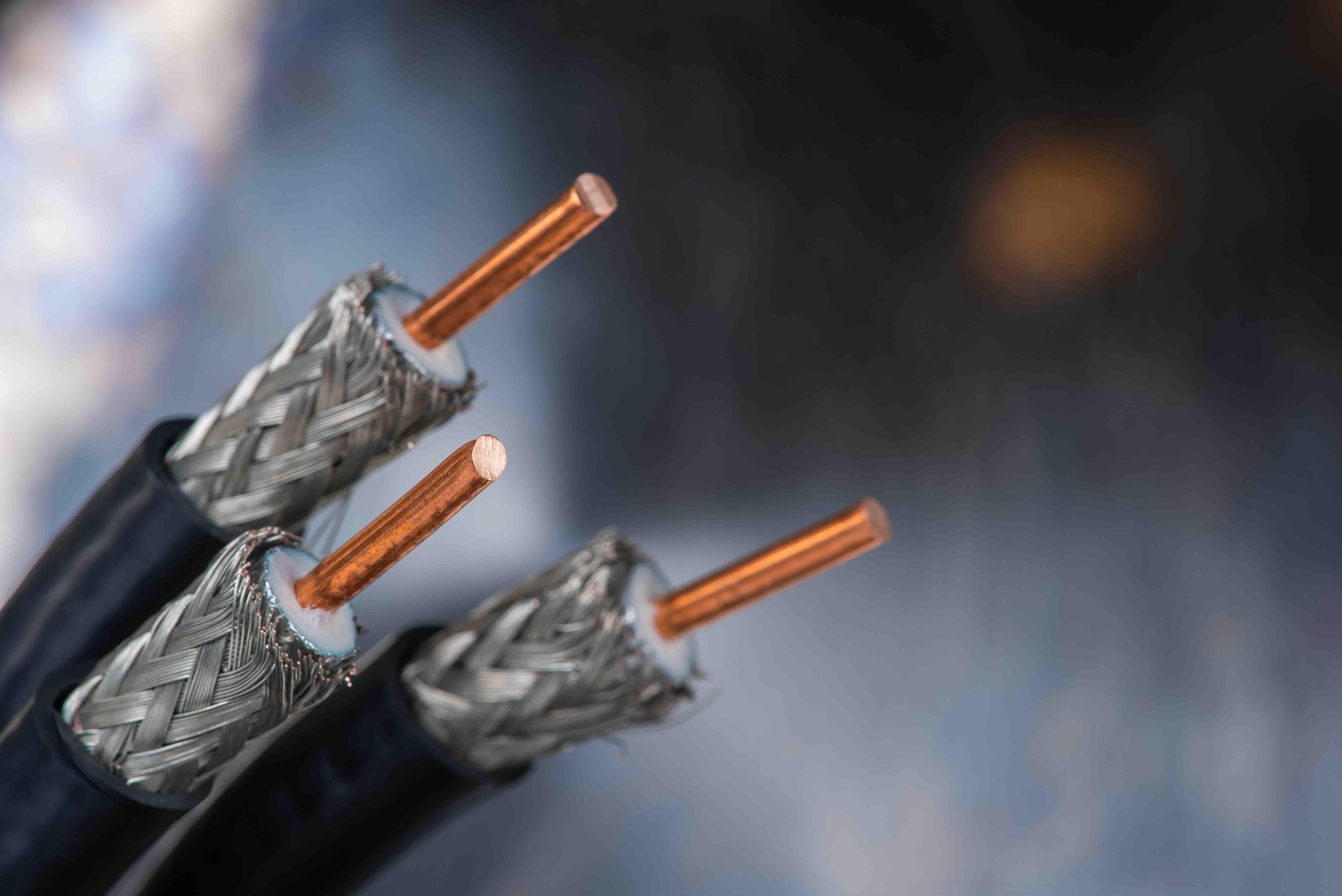
How to Tell If Coaxial Cable Is Live and Grounded: A Complete Guide
Coaxial cable is everywhere. It runs through walls in older homes, connects satellite dishes to receivers, carries cable TV signals, and supports certain broadband internet setups. But here is where things get a little tricky for a lot of people: knowing whether that cable is actually live, carrying a signal, and properly grounded is not always obvious just by looking at it. And that matters more than most folks realize. A live but ungrounded coaxial line can create real safety risks, including the potential for electrical shock, interference issues, and even fire hazards during lightning events. So if you have got a coaxial cable in your home or workspace and you are not sure about its status, this guide is exactly what you need.
What Is Coaxial Cable and Why Does Its Status Matter
Coaxial cable, often just called coax, is a type of electrical cable that features a central copper conductor surrounded by insulation, a metallic shield, and an outer protective jacket. That layered design is what allows it to carry high-frequency signals over long distances with relatively low signal loss and minimal interference pickup. You will typically encounter it in RG6 and RG59 formats in residential and light commercial settings. Now, when people ask whether a coaxial cable is live, they are usually asking one of two things: does the cable have a signal running through it, or does it carry an electrical voltage that could pose a hazard? Both questions are valid, and the answers require different approaches to verify. Understanding the distinction up front saves a lot of confusion later on.
Understanding the Difference Between Signal and Voltage on Coaxial Lines
This is a point that trips people up constantly. Coaxial cable can carry a low RF signal, which is the kind used for TV and cable data transmission, and it can also carry DC voltage in specific applications like powering satellite LNBs or certain amplifiers. That DC voltage, sometimes ranging from 5V to 29V depending on the application, does not feel like much but it is still a live electrical current. On top of that, grounding issues or improper installation can sometimes allow household AC voltage to appear on the outer shield of the cable, which is genuinely dangerous. So the cable being used only for signal does not automatically mean it is safe to handle carelessly or leave improperly grounded.
Tools You Need to Test Whether a Coaxial Cable Is Live
You do not need a full electronics lab for this. A few straightforward tools will cover most residential and light commercial situations. Having the right equipment on hand before you start is really the most practical approach.
- A digital multimeter capable of measuring both AC and DC voltage
- A coaxial cable tester or signal meter for RF signal detection
- A non-contact voltage tester as an initial safety check
- A coaxial continuity tester to check grounding integrity
- Optional: a TDR (time-domain reflectometer) for longer or buried cable runs
The non-contact voltage tester is a smart first move. It does not require you to physically touch any conductors, which keeps you safer if something unexpected is going on with the line. From there, a multimeter gives you the actual numbers.
How to Check If a Coaxial Cable Is Carrying Voltage
Start by disconnecting the coaxial cable from any device it is connected to. Hold a non-contact voltage tester near the connector end of the cable. If it lights up or beeps, that is your immediate signal that AC voltage is present on the line and you need to stop what you are doing and investigate the source before proceeding. If the non-contact tester is clear, use your multimeter set to DC voltage mode. Touch the positive probe to the center pin of the coaxial connector and the negative probe to the outer metal sleeve. Satellite systems and powered antenna amplifiers will often show a DC voltage reading here, typically between 12V and 29V. If you get a reading, the cable is live in the DC sense and is actively powering a device in the signal chain. Note the voltage and verify it aligns with your equipment specifications before proceeding with any installation or splicing work.
How to Verify Coaxial Cable Grounding
Grounding on coaxial cable is handled through the outer shield and the ground block, which is typically installed where the cable enters a building. A properly grounded coaxial system bonds the cable shield to the building's electrical ground, which provides a safe path for induced voltage from lightning or static to dissipate without traveling through your equipment or posing a risk to people in the building. To check if the grounding is intact, set your multimeter to continuity or resistance mode. Place one probe on the outer metal shield of the coaxial connector and the other probe on a known good ground point, such as the grounding lug on your electrical panel or a verified ground rod. A reading near zero ohms confirms continuity between the cable shield and ground. A very high or open reading means the ground path is broken or was never properly established, and that is a situation worth correcting before anything else.
Common Signs That Coaxial Grounding Is Compromised
Sometimes the issue does not show up cleanly on a meter but shows up in other ways that are worth knowing about. Recognizing these signs early can prevent both equipment damage and safety incidents.
- Frequent static or interference on cable TV or satellite reception with no clear signal source
- Mild tingling sensation when touching connected equipment, which suggests stray voltage
- Equipment damage or failures during or after storms, suggesting no ground path for lightning-induced surges
- Visible corrosion or physical damage at the ground block where the cable enters the structure
- Loose or missing bonding jumper at the ground block connection point
Any of these indicators suggests a grounding inspection is overdue. It is not something to leave unaddressed, especially in areas prone to electrical storms.
Key Advantages of Properly Tested and Grounded Coaxial Installations
Taking the time to confirm a coaxial cable's live status and grounding integrity has real, tangible payoffs. Signal quality improves when the shield is properly grounded because it effectively blocks external interference from corrupting the transmitted signal. Equipment longevity goes up when surge paths are correctly established. And personal safety improves significantly when stray AC voltages or improperly wired connections are identified and corrected before someone handles the cable without knowing the risk. For installers and technicians, proper testing also builds professional credibility and ensures compliance with NEC (National Electrical Code) requirements around cable grounding, which is something building inspectors actually look for.
Common Drawbacks and Limitations to Be Aware Of
Testing coaxial cable is not without its complications. One persistent challenge is that coaxial runs in walls or conduit cannot be easily tested end to end without access to both termination points, which is not always convenient or even possible in finished spaces. Another limitation is that basic multimeters do not measure RF signal levels, only voltage, so you may need a dedicated coaxial signal meter to determine whether an RF signal is actually present on a line. Additionally, older coaxial installations in homes built before the mid-1990s may have used RG59 cable with inadequate shielding, which can affect both signal quality and the effectiveness of grounding. Understanding these constraints ahead of time helps set realistic expectations and guides smart decisions about when to test versus when to replace aging cable infrastructure entirely.
Why Monoprice Is the Smart Choice for Your Coaxial Cable and Testing Needs
When you are serious about getting your coaxial installations right, the quality of the cable itself and the tools you use to test it matter more than most people initially think. That is where Monoprice consistently delivers. Whether you are running new RG6 lines in a residential setup, retrofitting a commercial installation, or simply replacing degraded cable that is contributing to signal loss, Monoprice offers a reliable, thoroughly tested catalog of coaxial cables, connectors, and signal distribution hardware built to perform without the inflated price tags that other brands attach to comparable specs. For anyone who wants high-quality coaxial solutions backed by a brand that understands both the consumer and professional sides of the market, exploring the full range of coaxial cables and signal distribution accessories at Monoprice is a practical and cost-effective starting point. The combination of accessible pricing, reliable build quality, and the kind of product depth that supports everything from basic home AV to demanding integrator projects makes Monoprice a genuinely smart long-term partner for your technology infrastructure.
Frequently Asked Questions About Coaxial Cable Testing and Grounding
How do I know if a coaxial cable is live without a multimeter?
A non-contact voltage tester is the safest alternative. Simply hold it near the connector. If it detects AC voltage, it will alert you without requiring direct contact with the conductor. This is always the recommended first step before handling any unknown cable.
Is it safe to touch a coaxial cable that is live?
In most cases, the DC voltage carried on coaxial lines for satellite or amplifier power is low enough that brief contact is not immediately dangerous for most people. However, if stray AC voltage is present on the shield due to a wiring fault, the risk is significantly higher. Always verify with a voltage tester before assuming it is safe to handle.
What does it mean if my coaxial cable shows AC voltage on a multimeter?
AC voltage on a coaxial cable, particularly on the outer shield, is abnormal and indicates a wiring fault or improper installation somewhere in the system. This should be investigated and corrected by a qualified electrician before the cable is used or handled further.
Does a coaxial cable need to be grounded if it is only used indoors?
Yes. NEC requirements mandate that coaxial cable entering a structure from outside be grounded at the point of entry regardless of where it terminates indoors. Even for entirely indoor runs that originate from a grounded distribution system, maintaining a proper ground path protects both equipment and occupants.
What is the difference between RG6 and RG59 for home installations?
RG6 has a larger center conductor and improved shielding compared to RG59, making it better suited for modern cable TV, satellite, and broadband applications. RG59 is largely considered outdated for new installations and is more prone to signal loss at higher frequencies.
How do I test for continuity between the coaxial cable shield and ground?
Set a multimeter to continuity or resistance mode. Touch one probe to the outer metal sleeve of the coaxial connector and the other to a verified ground point such as an electrical panel ground lug or ground rod. A reading near zero ohms confirms a good ground connection.
Can a coaxial cable carry enough voltage to be lethal?
Coaxial cable in normal operation carries either low-level RF signals or low DC voltage, neither of which is typically lethal. The danger arises when a wiring fault introduces AC mains voltage onto the cable, which can absolutely be hazardous. This scenario, while uncommon, underscores the importance of testing before handling.
What causes signal interference on a grounded coaxial line?
Common causes include physical damage to the cable's outer shield, corroded or loose connectors, poorly installed splitters that degrade signal strength, or nearby sources of electromagnetic interference. Even a properly grounded cable can suffer interference issues if the physical integrity of the cable or its connectors is compromised.
How often should coaxial cable grounding be inspected?
For residential applications, inspecting the ground block and bonding connections every two to three years is a reasonable schedule. After any major storm, particularly one involving lightning in your area, a visual and electrical check is strongly advisable to confirm the ground path is still intact and no damage has occurred.
Can I use a regular continuity tester instead of a dedicated coaxial cable tester?
A basic continuity tester can verify whether the center conductor and shield are intact from one end of the cable to the other, which is useful for detecting physical breaks. However, it cannot measure signal quality, detect impedance mismatches, or evaluate the performance of the cable at RF frequencies. A dedicated coaxial cable tester provides far more actionable diagnostic information for any serious installation work.


