

How to Connect Speaker Wire to RCA the Right Way
How to Connect Speaker Wire to RCA and Ground It Properly
So you've got speaker wire running from one end of your setup and an RCA input on the other, and now you're staring at both wondering how exactly these two things are supposed to meet in the middle. It's a genuinely common situation, whether you're wiring a custom home audio system, integrating components in a vehicle, or connecting passive speakers to an older receiver that only has RCA outputs. The good news is that this is not nearly as complicated as it looks. The less good news -- well, there are some things worth knowing before you start stripping wire ends. Grounding especially. That part matters more than most people expect.
What Is the Difference Between Speaker Wire and RCA Connections
Speaker wire and RCA cables serve related but distinctly different purposes in an audio signal chain. Speaker wire carries amplified audio signals from a power amplifier to a speaker driver. It typically consists of two conductors -- a positive and a negative -- and carries relatively high current. RCA connectors, on the other hand, are designed to carry line-level or pre-amplified signals between components. They use a coaxial structure with a center pin for the signal and an outer ring for the ground reference. When you're trying to bridge these two formats, you're essentially adapting between two different signal contexts, and that distinction shapes everything about how you approach the connection. The impedance levels differ. The signal strength differs. Knowing this upfront saves a lot of troubleshooting time later.
Why You Might Need to Convert Speaker Wire to RCA
The most common scenario involves car audio installations where a factory head unit only outputs speaker-level signals but an aftermarket amplifier requires RCA line-level inputs. Another frequent case is home theater setups where certain components are mismatched in connector types. Custom audio integration in commercial environments also comes up often -- think background music systems, conference room AV, or restaurant audio where legacy wiring meets modern equipment. In each of these cases, a speaker wire to RCA converter or adapter is the practical solution. Some amplifiers include a built-in high-level input that accepts speaker wire directly, but not all do, and understanding your specific components first is time well spent.
Tools and Materials You Will Need
Before getting into the actual connection process, gather everything you need. Trying to do this in stages is slower and increases the chance of wiring errors.
- Wire strippers rated for the gauge you are using
- A high-level to line-level converter or a passive speaker wire to RCA adapter
- RCA cables of the appropriate length
- Electrical tape or heat shrink tubing
- A multimeter for verifying continuity and grounding
- A grounding lug or chassis ground point if working in a vehicle
- Zip ties or cable management clips
Working with quality materials here is not optional if you care about audio performance. Cheap adapters and thin-gauge speaker wire introduce noise, signal loss, and connection failures. The components you choose at this stage directly affect the audio clarity you'll hear on the other end.
Step-by-Step Guide to Connecting Speaker Wire to RCA
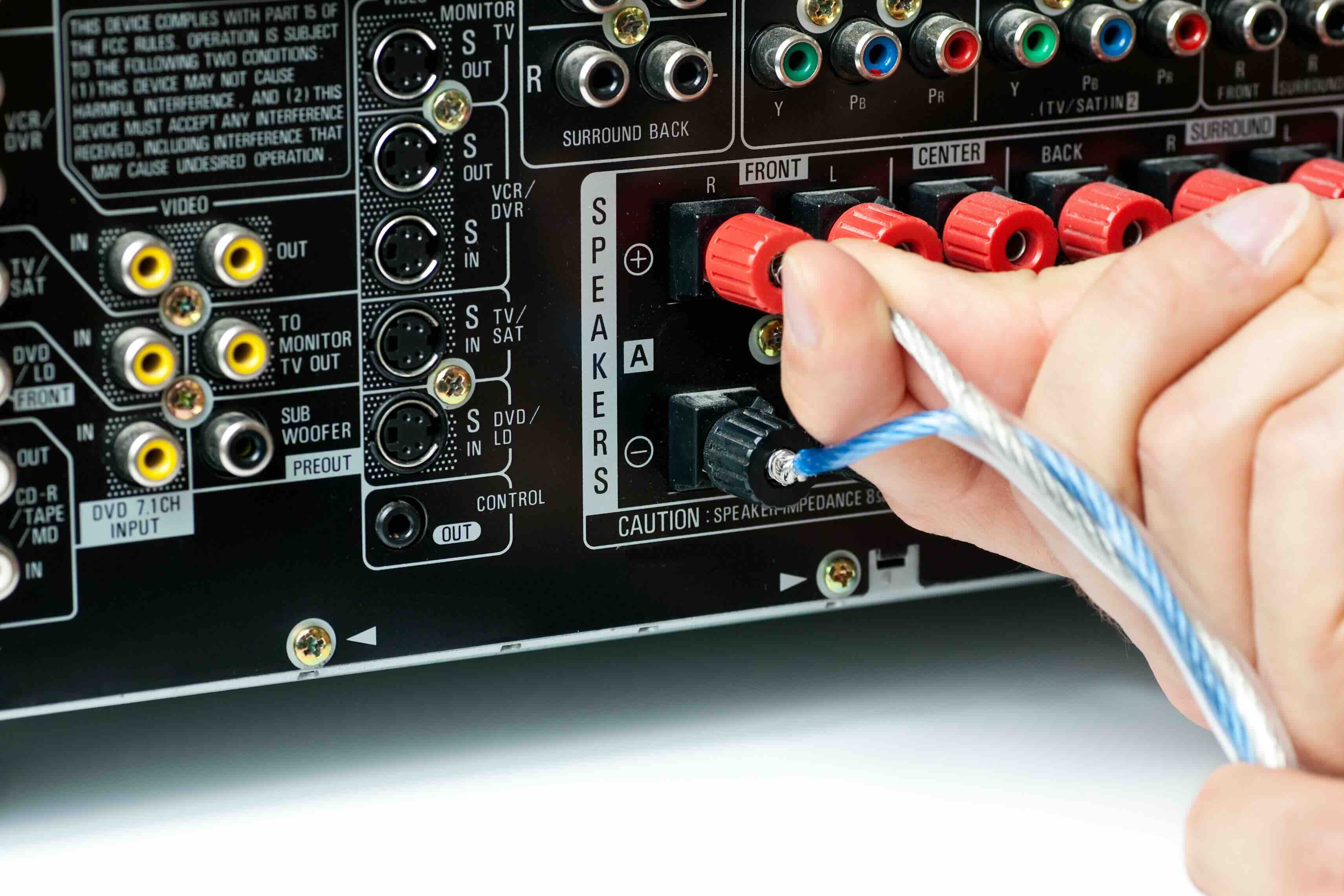
The actual connection process is straightforward once you understand the signal path. If you are using a passive adapter, the speaker wire positive conductor connects to the center pin contact of the RCA connector, and the negative conductor connects to the outer ground ring contact. Strip about half an inch of insulation from each conductor using your wire strippers. Twist the exposed copper strands firmly to avoid fraying. Insert the positive conductor into the appropriate terminal on the adapter and tighten the screw terminal securely. Do the same with the negative conductor on the ground terminal. If you are using a dedicated high-level to line-level converter, follow the manufacturer's wiring diagram, which typically involves similar polarity assignments but may include additional leads for power and ground in active converter models. Always double-check polarity before powering on your system. Reversed polarity causes phase cancellation and significantly degrades bass response.
How to Properly Ground the Connection
Grounding is where a lot of DIY installs go wrong. In a vehicle, the ground for an RCA or converter circuit should connect directly to a clean chassis ground point -- meaning bare metal, free of paint and corrosion. A bad ground is the primary cause of alternator whine, buzzing, and interference in car audio. Use a grounding lug, sand down the contact surface if needed, and use a short, thick ground wire. In a home audio context, the ground is typically handled internally by the RCA cable itself through its outer shielding conductor, but if you're experiencing hum, checking the ground path from each component back to a common reference point is the first diagnostic step. Ground loops -- where multiple components share different ground potentials -- are responsible for more audio noise problems than almost any other cause. Isolating each component's ground and running them to a single point, sometimes called a star ground configuration, resolves most of these issues cleanly.
Common Mistakes and How to Avoid Them
A few errors come up repeatedly when people work through this type of connection for the first time.
- Using speaker wire that is too thin for the signal load, which increases resistance and degrades audio quality
- Skipping the strain relief on the adapter or connector, which leads to eventual wire breakage at the solder or terminal joint
- Grounding to a painted or corroded surface in a vehicle install, which creates a high-resistance ground path
- Mixing up positive and negative conductors, which results in phase issues
- Using a passive adapter on a system where the signal level is too low for it to work effectively without distortion
Each of these is easy to avoid with a bit of planning. Read the specs on your converter or adapter, verify conductor polarity before finalizing connections, and always test with a multimeter before buttoning everything up.
Active vs. Passive Speaker Wire to RCA Converters
Passive converters are simpler -- they use resistors to step down the signal and require no external power. They work well in lower-power applications but can sometimes introduce signal degradation at very high or very low input levels. Active converters include a small amplifier circuit that conditions the signal before outputting it at line level, which delivers cleaner, more consistent results across a wider range of input levels. Active units typically require a 12V power source in vehicle installs. For home audio, line-level matching transformers serve a similar purpose and are often preferred in professional or semi-professional environments. The choice between active and passive depends on your source signal strength, the sensitivity of the receiving equipment, and the listening environment. When in doubt, active converters tend to be the more reliable choice.
Why Monoprice Is the Right Source for Speaker Wire, RCA Adapters, and Grounding Accessories
If you've made it this far and you're ready to actually build this connection out properly, the components you choose matter more than most people realize. Monoprice has spent years building a reputation as a trusted supplier of high-performance audio and AV accessories at pricing that actually makes sense for both individual installations and large-scale integration projects. Whether you need oxygen-free copper speaker wire, precision-molded RCA connectors, or reliable conversion adapters, the product catalog is built around real-world performance requirements rather than marketing inflated specs. For anyone working through a speaker wire to RCA setup -- whether it's a single car audio build or a multi-zone commercial installation -- finding professional-grade RCA adapters and speaker wire conversion accessories from a supplier you can actually trust makes the entire process faster, cleaner, and less frustrating. The value is real, the quality is consistent, and the range of available products covers virtually every connection scenario you'll encounter in modern audio work.
Frequently Asked Questions
Can I connect speaker wire directly to an RCA input without an adapter?
Not reliably. Speaker-level signals carry significantly more voltage than line-level RCA inputs are designed to receive. Connecting speaker wire directly to an RCA input without a proper converter risks damaging the receiving component and will likely produce distorted audio.
What gauge speaker wire should I use when connecting to an RCA converter?
For most residential and car audio applications, 16 AWG or 18 AWG speaker wire is sufficient. Longer runs or higher-power systems benefit from 14 AWG to reduce resistance-related signal loss.
How do I know which conductor is positive and which is negative on speaker wire?
Most speaker wire is marked with a stripe, ribbing, or printed text on one conductor to indicate polarity. The marked conductor is typically the positive. Always verify before making your final connection.
What causes hum or buzzing after connecting speaker wire to RCA?
The most common causes are a poor ground connection, a ground loop between components, or a low-quality adapter introducing interference. Check all ground points and consider using a ground loop isolator if the hum persists.
Do I need a powered converter or will a passive adapter work?
It depends on your signal level. Passive adapters work for standard speaker-level outputs, but active converters provide better performance and signal consistency, especially in car audio installs with variable amplifier output levels.
Can I use this type of connection in a home stereo system as well as a car?
Yes. The same principles apply in both environments. The primary difference is that vehicle installs require attention to chassis grounding, while home setups deal more often with ground loop issues between multiple components on shared power circuits.
Is it safe to leave the converted connection powered on continuously?
Passive adapters are generally safe for continuous use. Active converters that draw vehicle power should be wired to a switched power source so they power off with the ignition. This prevents battery drain and extends component life.
What is a ground loop and how does it affect audio quality?
A ground loop occurs when two or more components connected together have different ground potentials. The resulting current flow through the signal ground creates an audible hum, typically at 60Hz in the United States. It is resolved by establishing a single common ground reference for all connected components.
How do I test whether my speaker wire to RCA connection is working correctly before final installation?
Use a multimeter to verify continuity and correct polarity on each conductor before powering the system. Once powered on, play a low-volume test tone and listen for distortion or interference before securing cables in place.
Does the quality of the RCA connector or adapter affect sound quality?
Yes, noticeably. Low-quality connectors with thin shielding or poor contact materials introduce noise and signal loss. Gold-plated, well-shielded connectors with solid solder or clamping terminals provide better conductivity and more durable long-term performance.


