

How Long Is 3.5mm? Audio Jack Sizes Explained
What Is 3.5mm and Why Does It Still Matter in Tech?
So, 3.5mm. It sounds like a measurement you'd find in a hardware store, and technically, it is -- but in the world of consumer electronics and professional audio, it carries a whole different kind of weight. The 3.5mm audio jack, sometimes called a headphone jack or aux port, is one of the most enduring connector standards in modern technology. It measures exactly 3.5 millimeters in diameter, which is roughly the width of a standard pencil eraser. Small, right? But that tiny cylinder has been responsible for delivering audio from billions of devices across decades of tech evolution. Phones, laptops, cameras, tablets, portable speakers, gaming headsets, studio monitors -- the list goes on. Understanding how long 3.5mm is, what it does, and where it fits today is genuinely useful whether you're building a home studio, setting up a conference room, or just trying to figure out which cable actually works with your setup.
The Physical Dimensions: How Long Is a 3.5mm Jack?
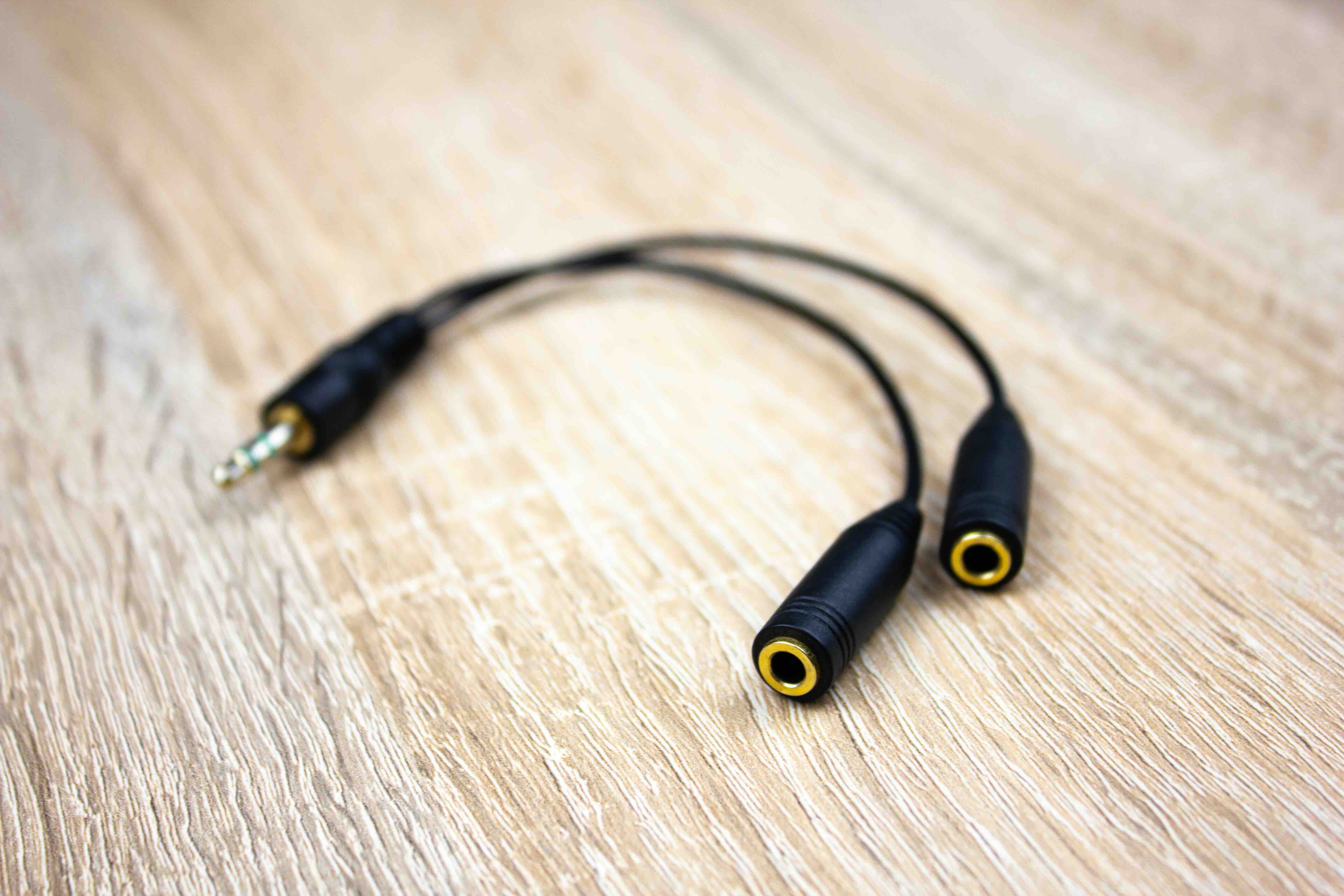
The diameter of the plug tip is 3.5mm, but the full plug length is a different measurement entirely. A standard 3.5mm plug -- specifically the TRS or TRRS variety -- typically measures around 14mm to 17mm in total shaft length, depending on the manufacturer and configuration. The 3.5mm figure refers purely to the barrel diameter, which is what determines compatibility with the port it plugs into. To put that in perspective, 3.5mm is approximately 0.138 inches. Visually, you can think of it as slightly thicker than a standard sewing needle but noticeably thinner than a pencil. In comparison, the older 6.35mm (quarter-inch) jack -- the kind you see on professional audio equipment and guitar amplifiers -- is nearly double the diameter. The 3.5mm format won out in consumer electronics largely because of its compact size, making it ideal for portable devices where space is always at a premium.
A Brief History of the 3.5mm Audio Connector
The 3.5mm jack did not originate with smartphones or MP3 players. Its roots trace back to the mid-20th century, derived from the older 6.35mm phone connector used in telephone switchboards. Sony helped popularize the smaller 3.5mm format in the 1950s and 1960s with transistor radios, and then the 1979 launch of the Walkman effectively made it a global standard for portable audio. By the time the iPod era arrived in the early 2000s, the 3.5mm jack was already deeply embedded in the audio ecosystem. It survived the transition from CDs to digital downloads, and then smartphones carried it into the mobile era -- that is, until Apple removed it from the iPhone 7 in 2016. That decision sparked a debate that is honestly still going on in certain corners of the internet. But here is the thing: the jack itself never went away. It adapted.
TRS vs. TRRS: Understanding the Configurations
Not all 3.5mm connectors are the same, and this is where a lot of confusion happens. The physical size is identical, but the internal configuration changes based on the number of conductive rings on the shaft. Here is a quick breakdown of what those mean:
- TS (Tip, Sleeve) -- mono audio, common in some instrument cables
- TRS (Tip, Ring, Sleeve) -- stereo audio, used in headphones and balanced mono applications
- TRRS (Tip, Ring, Ring, Sleeve) -- stereo audio plus microphone, used in smartphone headsets
- TRRRS (Tip, Ring, Ring, Ring, Sleeve) -- less common, used in some active noise-canceling devices
The TRRS configuration is the one most people interact with daily without realizing it. When you plug a headset into your phone and can both hear audio and speak through the mic, that is a TRRS connector doing its job. Compatibility between configurations matters more than people think. A TRS plug in a TRRS port will technically fit, but the microphone channel will not function. Always check which configuration your device and cable support before assuming they will work together perfectly.
Where 3.5mm Connections Are Used in Technology Today
Despite predictions that the 3.5mm jack was on its way out, it remains embedded in a wide range of devices and applications. Laptops from nearly every major manufacturer still include at least a combo audio jack. Gaming consoles and controllers, including the PlayStation and Xbox platforms, use 3.5mm ports for headset connectivity. Cameras and audio recorders rely on 3.5mm for microphone inputs in the field. DJ equipment, mixers, and portable audio interfaces often integrate 3.5mm alongside larger professional connectors. In the business world, many conference microphones, headsets, and huddle room systems still default to 3.5mm for its simplicity and universal compatibility. The format is not declining -- it is consolidating into the spaces where it genuinely excels: reliability, cost-efficiency, and zero latency analog signal transfer.
Key Advantages of the 3.5mm Audio Standard
There are real, practical reasons this connector format has survived for as long as it has. It is not nostalgia. The 3.5mm jack offers analog audio output, which means no digital-to-analog conversion is required when using a passive device like a standard wired headphone. That translates to zero wireless latency -- important for gaming, video production, and live audio monitoring. The connectors themselves are inexpensive to manufacture and replace, which keeps cable and accessory costs low. There is also universal device compatibility across a staggering range of hardware, which matters a lot when you are managing mixed equipment environments. And the physical connection is simple to troubleshoot -- if audio cuts out, you can check the jack, reseat the plug, or swap the cable in seconds. No app. No pairing process. No firmware update required.
Common Drawbacks and Limitations to Know About
The format has its limitations, and it is worth being honest about them. The 3.5mm jack is a mechanical connection, meaning it is subject to wear over time. Repeated insertion and removal can loosen the port, cause intermittent audio, or lead to physical damage on the device side. Signal quality can also degrade over long cable runs without proper shielding, making it less suitable for professional long-distance audio routing where XLR or quarter-inch balanced connections are more appropriate. Additionally, the absence of a 3.5mm jack on many modern smartphones has pushed users toward USB-C or Lightning adapters, which adds an extra step and a potential failure point. For high-resolution audio applications, the analog nature of 3.5mm can be a ceiling on overall audio fidelity compared to USB audio interfaces or digital optical connections.
Choosing the Right 3.5mm Cable for Your Setup
Cable quality makes a bigger difference than most people expect. A poorly shielded 3.5mm cable introduces interference, especially in environments with a lot of wireless activity or near power cables. Look for cables with oxygen-free copper conductors, braided shielding, and reinforced strain relief at the connector ends -- those are the areas that fail first under regular use. Cable length matters too. For desktop audio setups, a 3 to 6 foot cable is usually more than sufficient. For longer runs across a room or stage, consider a 3.5mm to quarter-inch adapter paired with a more robust cable. Gold-plated connectors, while sometimes dismissed as marketing, do offer better corrosion resistance over time -- particularly in humid environments or gear that gets moved around frequently.
Why Monoprice Is the Smart Choice for 3.5mm Cables and Audio Accessories
When it comes to sourcing reliable 3.5mm audio cables and accessories without overpaying, Monoprice has built a reputation that speaks for itself across both consumer and professional markets. The product lineup spans everything from basic auxiliary cables to shielded stereo cables engineered for studio and live audio applications. Every cable is built with the kind of attention to construction detail -- proper shielding, quality conductors, reinforced connectors -- that makes a real difference in day-to-day performance. Whether you are outfitting a home office, setting up a recording space, or sourcing cables for a commercial AV installation, the value proposition is clear: high-performance audio connectivity at pricing that does not require a budget justification conversation. For anyone who needs dependable, professionally built audio solutions, exploring 3.5mm audio cables and connectors from Monoprice is a straightforward path to getting the right gear at the right price. The selection is broad, the specs are transparent, and the quality holds up under real-world use -- which is exactly what you should expect from a trusted supplier in the audio and electronics space.
Frequently Asked Questions About 3.5mm Audio Connectors
How long is a 3.5mm audio plug in total length?
The 3.5mm measurement refers to the plug barrel diameter. The full shaft length of a standard 3.5mm plug is typically between 14mm and 17mm depending on the connector type and manufacturer.
Is 3.5mm the same as an aux cable?
Yes, in most common usage, aux cables use 3.5mm TRS connectors. The term aux refers to the auxiliary audio input or output, and the 3.5mm TRS plug is the most common connector used for that purpose in consumer electronics.
What is the difference between TRS and TRRS in 3.5mm connectors?
TRS has three conductors and supports stereo audio. TRRS has four conductors and supports stereo audio plus a microphone channel, which is why it is used in smartphone headsets. Physically they are the same size but electrically they are different.
Can I use a 3.5mm TRS cable in a TRRS port?
The plug will fit physically, but the microphone channel will not function. You will still get audio output, but you will not be able to use a microphone through that connection without the correct TRRS cable or an adapter.
Does cable length affect 3.5mm audio quality?
Yes, over longer distances, unbalanced 3.5mm cables can pick up interference and signal degradation. For runs beyond 15 to 20 feet, consider using a balanced connection type or a quality shielded cable to maintain audio integrity.
Why did some smartphones remove the 3.5mm headphone jack?
Manufacturers cited reasons including internal space savings, water resistance improvements, and a push toward wireless audio. However, many users and professionals continue to prefer wired connections for reliability, latency performance, and compatibility.
Is 3.5mm audio considered high quality for professional use?
It depends on the application. For monitoring, field recording, and general playback, 3.5mm performs well. For high-end studio work or long-distance routing, professional formats like XLR or quarter-inch TRS balanced connections are preferred.
What devices still use a 3.5mm headphone jack?
Most laptops, desktop computers, tablets, digital cameras, portable audio recorders, gaming controllers, and a large number of Android smartphones continue to include a 3.5mm audio port as of current production models.
How do I know if my 3.5mm cable is properly shielded?
Look for product specifications that mention braided shielding, foil shielding, or oxygen-free copper conductors. A shielded cable will also tend to be slightly stiffer and heavier than an unshielded one, and reputable manufacturers will list shielding details clearly in the product documentation.
What is the lifespan of a 3.5mm audio cable?
With regular use, a quality 3.5mm cable can last several years. The most common failure points are the connector ends where bending stress accumulates. Cables with reinforced strain relief at the plug significantly extend usable lifespan under daily handling conditions.


