

HDMI 2.0b Specs, Features, and Why It Still Matters
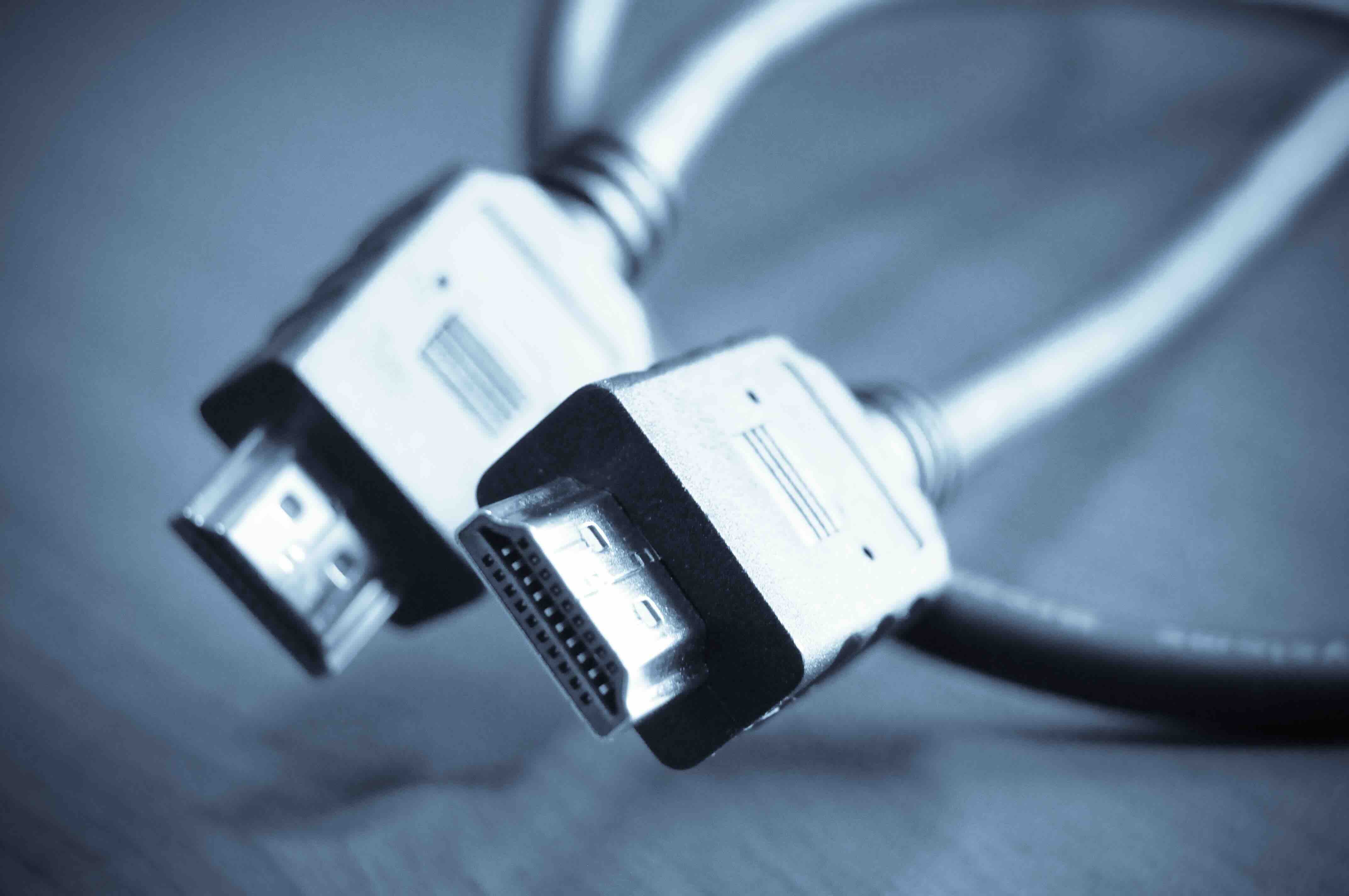
What Is HDMI 2.0b and Why Does It Still Matter in Today's Home Theater Setup
If you have spent any time researching displays, media players, or AV receivers in the last several years, you have probably crossed paths with HDMI 2.0b. It is one of those specs that shows up constantly on product pages, and yet most people are not entirely sure what separates it from earlier versions or why it even matters. Here is the short version: HDMI 2.0b is a meaningful upgrade over its predecessors that delivers real performance gains for 4K content, HDR video, and high-refresh-rate gaming. Understanding what it does, and what it does not do, is the difference between buying the right cable or device and buying the wrong one. So let us break it down properly.
A Quick History of HDMI: How We Got to Version 2.0b
HDMI, which stands for High-Definition Multimedia Interface, has been the dominant audio and video connection standard in consumer electronics since the mid-2000s. The original spec handled 1080p just fine. Then 4K content arrived, HDR came along with it, and suddenly the bandwidth demands jumped considerably. HDMI 1.4 made an attempt to handle 4K but was limited to 30Hz at that resolution, which is not great for anything beyond static video. HDMI 2.0 arrived in 2013 and pushed the maximum bandwidth to 18 Gbps, enabling true 4K at 60Hz. HDMI 2.0a added support for HDR using static metadata. HDMI 2.0b, finalized in 2016, extended that further by adding support for Hybrid Log-Gamma, commonly called HLG. That last piece is more significant than people give it credit for, especially for broadcast content.
HDMI 2.0b Technical Specifications: What the Numbers Actually Mean
The core specifications of HDMI 2.0b are worth knowing in plain terms. This is the version that solidified the feature set that most 4K displays and sources relied on for years. Here is what the spec includes at a glance:
- Maximum bandwidth: 18 Gbps
- Maximum resolution: 4K (3840 x 2160) at 60Hz
- Color depth support: up to 12-bit color per channel
- Color space support: BT.2020 wide color gamut
- HDR formats: HDR10 (static metadata via HDMI 2.0a), Hybrid Log-Gamma via HDMI 2.0b
- Audio channels: up to 32 audio channels
- Audio sample rate: up to 1536 kHz
- HDCP version: 2.2 for copy protection
- Simultaneous video streams: supports dual video streams to one display
- Ethernet channel: yes, via HDMI Ethernet Channel
That 18 Gbps ceiling is important to understand. It is enough to push 4K at 60Hz with HDR using 4:2:0 chroma subsampling, but it does have limits. Full 4:4:4 chroma at 4K 60Hz with HDR begins to push right up against that bandwidth ceiling, which is why some configurations require compression or subsampling tradeoffs. It does the job for the vast majority of content, but it is something to keep in mind if you are building a more demanding system.
HDR Support and HLG: The Upgrade That HDMI 2.0b Delivered
The headline addition in HDMI 2.0b was official support for Hybrid Log-Gamma. HLG is an HDR format developed jointly by the BBC and NHK specifically for broadcast environments. Unlike HDR10, which requires static metadata, HLG is designed to work without metadata entirely, which makes it better suited for live broadcast streams and standard cable or satellite delivery. It also has the practical advantage of being backwards-compatible with standard dynamic range displays, meaning an HLG signal can still be decoded and displayed reasonably well on an SDR screen. For anyone who uses a television as their primary display for both streaming and live broadcast content, HLG support makes a noticeable difference in picture quality and future compatibility. HDMI 2.0b made HLG an official part of the HDMI spec, which was an important step in standardizing HDR delivery across the industry.
HDMI 2.0b and Gaming: What Refresh Rates and Resolutions Are Actually Supported
Gaming is where HDMI 2.0b tends to get a lot of attention, and for good reason. At 1080p, the spec can handle up to 240Hz, which covers virtually every competitive gaming monitor at that resolution. At 1440p, it supports up to 144Hz. At 4K, the ceiling is 60Hz. For a large portion of console and PC gaming setups, that is more than adequate. The PlayStation 4 Pro and Xbox One X both shipped with HDMI 2.0b support, and both target 4K at up to 60 frames per second. That said, HDMI 2.0b does not support Variable Refresh Rate natively, and it does not support 4K at 120Hz, which is where HDMI 2.1 becomes relevant for next-generation gaming. If you are running a current-generation console or a mid-range gaming PC and playing on a 4K 60Hz display, HDMI 2.0b handles that scenario comfortably. If you are targeting 4K 120Hz with VRR and Auto Low Latency Mode, you will need to move up to HDMI 2.1.
Key Advantages of HDMI 2.0b
HDMI 2.0b holds up well as a practical connectivity standard, and its advantages are concrete. The support for 4K at 60Hz is genuinely sufficient for most streaming, Blu-ray, and broadcast use cases. The addition of HLG broadens its HDR compatibility in ways that matter for broadcast-focused households. Wide color gamut support via BT.2020 means the spec was built with future-looking color standards in mind, even if not every display can fully render them. The 32-channel audio capability and high sample rate support mean it can handle advanced audio configurations without compromise. And from a practical standpoint, HDMI 2.0b cables and devices are widely available, well-supported, and priced accessibly.
Common Limitations and Drawbacks of HDMI 2.0b
No spec is without limitations, and HDMI 2.0b has a few that are worth naming directly. The 18 Gbps bandwidth ceiling means it cannot support 8K content of any kind, and it falls short for 4K at 120Hz. Dynamic HDR formats like Dolby Vision at full capability and HDR10 Plus are not natively supported. VRR, ALLM, and Enhanced Audio Return Channel are all HDMI 2.1 features that do not exist in 2.0b. If you are building a home theater or gaming setup that needs to be future-ready for 8K or next-gen gaming, HDMI 2.0b will eventually become a bottleneck. For existing 4K setups though, it is a stable and fully capable standard that continues to serve the majority of consumer applications without issue.
How to Tell If Your Devices Are HDMI 2.0b Compatible
This is the practical question most people end up asking. The simplest approach is to check the product documentation or specifications page for any display, source device, or cable you are using. Look for explicit mention of HDMI 2.0b rather than just HDMI 2.0, since the HDR and HLG additions are version-specific. Cable quality matters here too. For HDMI 2.0b to perform at its full capability, you need a cable rated as Premium High Speed HDMI, which is the certification level that supports up to 18 Gbps. Standard High Speed cables are rated for 10.2 Gbps and are not sufficient for 4K 60Hz HDR content. If you are using a cable that is not labeled or certified at that bandwidth level, you may encounter signal degradation or dropped frames even if your devices are fully 2.0b compliant. Always verify the cable rating, not just the port version.
Why Monoprice Is the Right Source for HDMI 2.0b Cables and Accessories
When it comes to sourcing reliable HDMI 2.0b cables and AV connectivity products, the brand behind the cable matters more than most people realize. A poorly made cable can underperform even when connected to fully capable devices, and that is a frustration that costs time and money to diagnose. Monoprice has built a well-earned reputation as a trusted source for high-performance HDMI cables and connectivity solutions at prices that make sense for both individual buyers and professional integrators. Whether you are outfitting a single display or managing a multi-room AV installation, you will find that certified Premium High Speed HDMI 2.0b cables from Monoprice are built to spec, tested for performance, and priced to deliver real value without compromise. The product line is designed to meet the performance demands of today's 4K HDR environments while keeping costs practical for any budget. That is the kind of reliable, straightforward approach that makes Monoprice a go-to for integrators and home theater enthusiasts alike.
Frequently Asked Questions About HDMI 2.0b
What is the main difference between HDMI 2.0, 2.0a, and 2.0b?
HDMI 2.0 introduced 4K at 60Hz with 18 Gbps bandwidth. HDMI 2.0a added HDR10 support using static metadata. HDMI 2.0b added Hybrid Log-Gamma HDR support, which is used in broadcast applications. Each version builds on the previous one without changing the core bandwidth ceiling.
Does HDMI 2.0b support 4K at 120Hz?
No. HDMI 2.0b supports a maximum of 4K at 60Hz. To achieve 4K at 120Hz, you need HDMI 2.1, which provides up to 48 Gbps of bandwidth.
Is HDMI 2.0b backwards compatible with older HDMI versions?
Yes. HDMI is designed to be backwards compatible. An HDMI 2.0b device will work with older HDMI cables and ports, but the connection will operate at the capability of the lowest-spec component in the chain.
Do I need a special cable for HDMI 2.0b?
Yes. You need a Premium High Speed HDMI cable rated for 18 Gbps to fully support HDMI 2.0b performance including 4K 60Hz and HDR. Standard High Speed cables are only rated for 10.2 Gbps and may not reliably carry the full bandwidth.
What HDR formats does HDMI 2.0b support?
HDMI 2.0b supports HDR10 using static metadata and Hybrid Log-Gamma. It does not natively support dynamic HDR formats such as HDR10 Plus or full Dolby Vision without additional implementation from device manufacturers.
Is HDMI 2.0b good enough for PS5 or Xbox Series X?
HDMI 2.0b can handle 4K at 60Hz on next-gen consoles, but it does not support 4K at 120Hz, Variable Refresh Rate, or Auto Low Latency Mode, all of which require HDMI 2.1. Both the PS5 and Xbox Series X include HDMI 2.1 ports for that reason.
What is Hybrid Log-Gamma and why does it matter?
Hybrid Log-Gamma is an HDR format developed for broadcast use. It works without metadata, making it compatible with live broadcast signals. It is also backwards compatible with standard dynamic range displays. HDMI 2.0b made HLG an official part of the HDMI specification.
Can HDMI 2.0b carry audio and video simultaneously?
Yes. HDMI 2.0b carries both audio and video over the same cable. It supports up to 32 audio channels at sample rates as high as 1536 kHz, making it capable of handling advanced audio configurations including object-based audio formats.
How do I know if my TV supports HDMI 2.0b?
Check your television's specifications in the product manual or the manufacturer's website. Look specifically for HDMI 2.0b listed under the connectivity section. Some manufacturers may list it as HDMI 2.0 with HLG support, which effectively indicates 2.0b compliance.
Is HDMI 2.0b still relevant in 2024 and beyond?
Yes, for most consumer use cases. The majority of 4K streaming, Blu-ray playback, and broadcast content operates well within the capabilities of HDMI 2.0b. It remains a widely used and fully supported standard, though users planning for 8K or high-refresh-rate 4K gaming should plan for an upgrade to HDMI 2.1 capable hardware.


