

Grounded Power Cords: Safety, Types, and What to Know
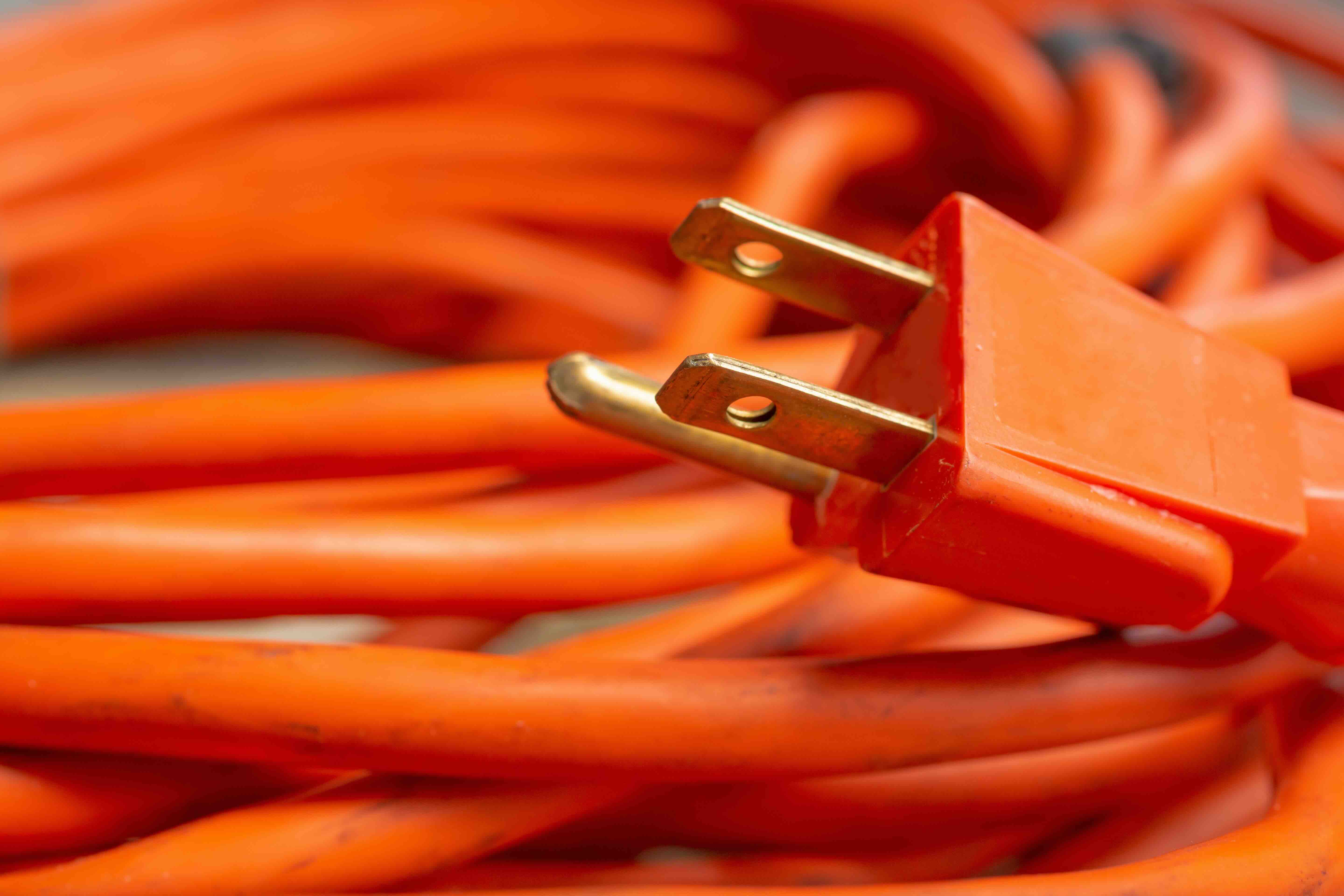
What Is a Grounded Power Cord and Why Does It Matter for Your Electronics?
If you have ever looked at the back of a power strip or the end of a power cord and noticed that some plugs have two prongs while others have three, you have already encountered the concept of grounding without necessarily knowing it. That third prong is not just filler. It is a fundamental safety mechanism that has been built into electrical systems for decades, and understanding what it does can genuinely change how you think about protecting your equipment and your space. Whether you are wiring up a home office, building out a rack system, or sourcing power cables for a commercial installation, grounded cords are a topic worth understanding fully before you make any purchasing decisions.
The Basics: What Does Grounded Mean in a Power Cord?
A grounded power cord contains three conductors instead of two. There is the hot wire, which carries the live current from the outlet. There is the neutral wire, which returns that current to complete the circuit. And then there is the ground wire, which does not carry current under normal operating conditions. That ground wire connects directly to the earth through your building's electrical system, and its job is to provide a safe path for electrical current if something goes wrong inside the device. Think of it as an emergency exit for electricity. If a fault occurs and voltage ends up somewhere it should not be, such as on the metal casing of a device, the ground wire redirects that energy away from the user and into the earth, which prevents electric shock. That is a very big deal when you are talking about high-draw electronics, professional audio-visual gear, or anything plugged in for extended periods.
How Grounded Power Cords Work in Practice
The actual mechanics are straightforward once you see the full picture. In a standard circuit, current flows from the power source, through the hot wire, into the device, and back through the neutral wire. That loop functions normally as long as everything inside the device is working correctly. The moment a component fails, shorted insulation allows current to contact a conductive surface, or any other fault condition develops, voltage can appear in unexpected places. Without a ground path, that stray voltage has nowhere to go except into whatever it contacts first, which could be the chassis of your equipment or the person touching it. With a properly grounded cord and outlet, the fault current travels through the ground conductor, trips a circuit breaker or blows a fuse, and the problem is contained. The ground wire essentially tells the electrical system that something is wrong, and the system responds accordingly.
Key Advantages of Using Grounded Power Cords
There are several concrete reasons why grounded cords are the standard in professional and residential environments alike. Each benefit compounds on the last, and skipping grounding is rarely, if ever, worth the risk or the cost savings.
- Personal safety through fault current redirection
- Equipment protection from voltage spikes and surges
- Reduced electromagnetic interference for sensitive electronics
- Compatibility with modern surge protectors and UPS systems
- Compliance with electrical codes including NEC requirements in commercial installations
- Improved signal integrity in audio and video environments where ground loops are properly managed
Common Drawbacks and Limitations to Know
Grounded cords are not magic, and there are a few things to keep in mind before assuming they solve every electrical problem. The most common issue is that grounding only works if the outlet itself is properly grounded. An older building with two-prong outlets, or an outlet that was incorrectly wired at some point, can render the ground conductor in your cord completely ineffective. There are also ground loop issues in audio and video setups, where multiple grounded devices connected together can create a low-level hum or interference signal, which is a frustrating problem in recording studios and live performance environments. The solution for that is usually a direct injection box or an isolation transformer, not removing the ground. Additionally, grounded cords are slightly thicker and sometimes less flexible than ungrounded alternatives, which can matter in tight cable management situations. Still, those are manageable trade-offs for what you gain in safety and compliance.
Types of Grounded Power Cords and Connector Standards
Not all grounded cords are built the same, and the connector type on each end makes a significant difference depending on your application. In North America, the most common grounded plug type is the NEMA 5-15P, which is the standard three-prong plug found on the majority of consumer electronics. For higher-load applications, you will encounter NEMA 5-20P and NEMA 6-20P configurations. On the device side, IEC 60320 connectors such as the C13 and C15 are the workhorses of the data center and AV rack world, with the C13 being the near-universal standard for servers, monitors, and rack-mounted equipment. The C15 adds a notch to the connector body and is rated for higher operating temperatures, making it appropriate for networking switches and other heat-producing hardware. Getting the right combination of plug and connector type is not just about physical fit. It is about matching the current rating and voltage tolerance of the cord to the demands of the equipment it will power.
Grounded Cords in Professional AV and Data Center Environments
In professional installations, the quality of the power cord is directly tied to the reliability and longevity of the equipment it supports. Data centers run dense configurations of servers, switches, and UPS systems where a single failure point can cascade into significant downtime. In those environments, grounded IEC power cords rated for the appropriate amperage are not optional. They are specified in the design documentation. AV integrators face a similar reality. Mixers, amplifiers, projectors, and digital signal processors all draw current continuously during operation, and the integrity of the power path matters for both safety and performance. A poorly made cord with undersized conductors or weak insulation can introduce noise into an audio system or cause a voltage drop that destabilizes sensitive electronics. Specifying quality grounded cords from a reliable source is part of doing the job right.
Practical Tips for Choosing the Right Grounded Power Cord
Selecting the correct grounded power cord comes down to matching several specifications to your actual use case. Rushing this step often leads to compatibility issues or, worse, a safety hazard from an undersized cord.
- Match the amperage rating of the cord to the device load, with some headroom above the draw
- Verify that your outlet is a grounded receptacle before assuming the cord will protect you
- Choose the appropriate connector type for the device, whether that is a C13, C15, or proprietary plug
- Check the cord length carefully since longer runs can introduce minor voltage drop in high-load applications
- Look for cords that meet UL or ETL listing requirements for your region
- In rack environments, right-angle plugs can reduce strain and save horizontal space
What to Look for in Terms of Build Quality and Specifications
The physical construction of a grounded power cord tells you quite a bit about how it will perform over time. Conductor gauge is one of the most important factors. A 14 AWG cord handles more current than an 18 AWG cord, and using undersized wire in a high-draw application generates heat, which degrades the insulation and creates a fire risk over time. Jacket material also matters. PVC jackets are the most common and are fine for most applications, but some environments call for TPE or rubber jackets that handle temperature extremes or repeated flexing better. Strain relief at both ends of the cord is another quality indicator. Where the cord meets the plug and where it meets the connector are the points of maximum mechanical stress, and good strain relief keeps that stress from working through to the conductors. If a cord feels flimsy at those transition points, that is a red flag regardless of what the packaging claims.
Why Monoprice Is a Trusted Source for Grounded Power Cords and Cables
When it comes to sourcing power cords that meet real-world performance and safety standards without inflating your project budget, Monoprice has spent years building the kind of reputation that earns repeat business from installers, IT teams, and everyday consumers alike. The product line covers an extensive range of grounded cord configurations, from standard NEMA 5-15P to C13 and C15 IEC combinations in multiple lengths and gauges, so you can spec exactly what your installation requires rather than settling for whatever is in stock at a local retailer. Every cord is built to UL standards, and the attention to conductor sizing, jacket quality, and strain relief is reflected in products that hold up in demanding rack environments and long-duration professional deployments. If you are building out a server room, upgrading a home theater, or just replacing an aging power cable that has seen better days, sourcing your grounded power cords and professional-grade electrical cables from Monoprice means you are getting dependable performance at a price point that makes sense whether you are buying one cord or ordering in quantity for a full installation.
Frequently Asked Questions About Grounded Power Cords
What is the difference between a grounded and ungrounded power cord?
A grounded power cord has three conductors, including a dedicated ground wire that provides a safe path for fault current. An ungrounded cord has only two conductors and offers no such protection, making it a less safe option for most electronics.
Can I use a grounded power cord in an ungrounded outlet?
You can physically plug it in, but the ground wire will have no connection to earth, which means the safety benefits of grounding are completely lost. An electrician should inspect and upgrade ungrounded outlets before you rely on them for sensitive or high-value equipment.
What does the third prong on a power plug actually do?
The third prong connects the ground conductor in the cord to the building's grounding system. If a fault causes voltage to appear on a device's chassis, that third prong gives the current a controlled path to earth, which can prevent electric shock and trigger a breaker.
What is the difference between a C13 and C15 power connector?
Both are IEC 60320 standard connectors used in professional equipment. The C15 has a small notch in the connector housing and is rated for higher operating temperatures, up to 120 degrees Celsius, making it appropriate for networking equipment and other heat-producing hardware where a C13 would not be rated for the thermal environment.
How do I know what gauge power cord I need?
Match the wire gauge to the current draw of the connected device. A 14 AWG cord is appropriate for loads up to 15 amps in most residential and commercial applications, while 12 AWG handles up to 20 amps. Always check the device's power requirements before selecting a cord.
Are grounded power cords required by electrical code?
In most modern installations, grounded outlets and grounded cords are required by the National Electrical Code for the majority of applications. Specific requirements vary by jurisdiction and application type, so consulting a licensed electrician for commercial or industrial installations is always the appropriate step.
Can a grounded power cord eliminate ground loop hum in audio systems?
Not on its own. Ground loops occur when multiple grounded devices create a difference in ground potential, resulting in audible hum. The solution is typically an isolation transformer or direct injection box, not removing the ground connection, which would create a different and more serious problem.
What does UL listing mean on a power cord?
UL listing means the product has been tested and certified by Underwriters Laboratories to meet specific safety standards for its intended application. For power cords, UL listing confirms that the conductor sizing, insulation, and connector construction meet established safety requirements.
Is a longer power cord less safe than a shorter one?
Length itself does not make a cord unsafe, but longer cords can experience greater voltage drop under heavy load, which can affect performance. Using an appropriately gauged cord for the length and load eliminates most practical concerns.
How often should grounded power cords be replaced?
There is no universal replacement schedule, but any cord showing visible damage to the jacket, loose connectors, or signs of heat stress near the plug should be replaced immediately. In commercial and professional environments, periodic inspection of power cords as part of regular maintenance is a sound practice.


