

Electrical Plugs in Canada: What You Need to Know
Electrical Plugs in Canada: What You Need to Know Before You Connect
If you have ever moved to Canada, traveled there, or even just ordered tech gear intended for Canadian use, you have probably paused at some point and wondered whether your devices are going to work once you plug them in. It is a fair question and honestly one that does not get answered clearly enough. Canadian electrical infrastructure follows a specific standard, and while it shares a lot of common ground with the United States, there are enough nuances that it is worth understanding before you start connecting equipment, especially in technology-heavy environments like home offices, server rooms, or professional AV setups.
What Type of Electrical Plug Is Used in Canada
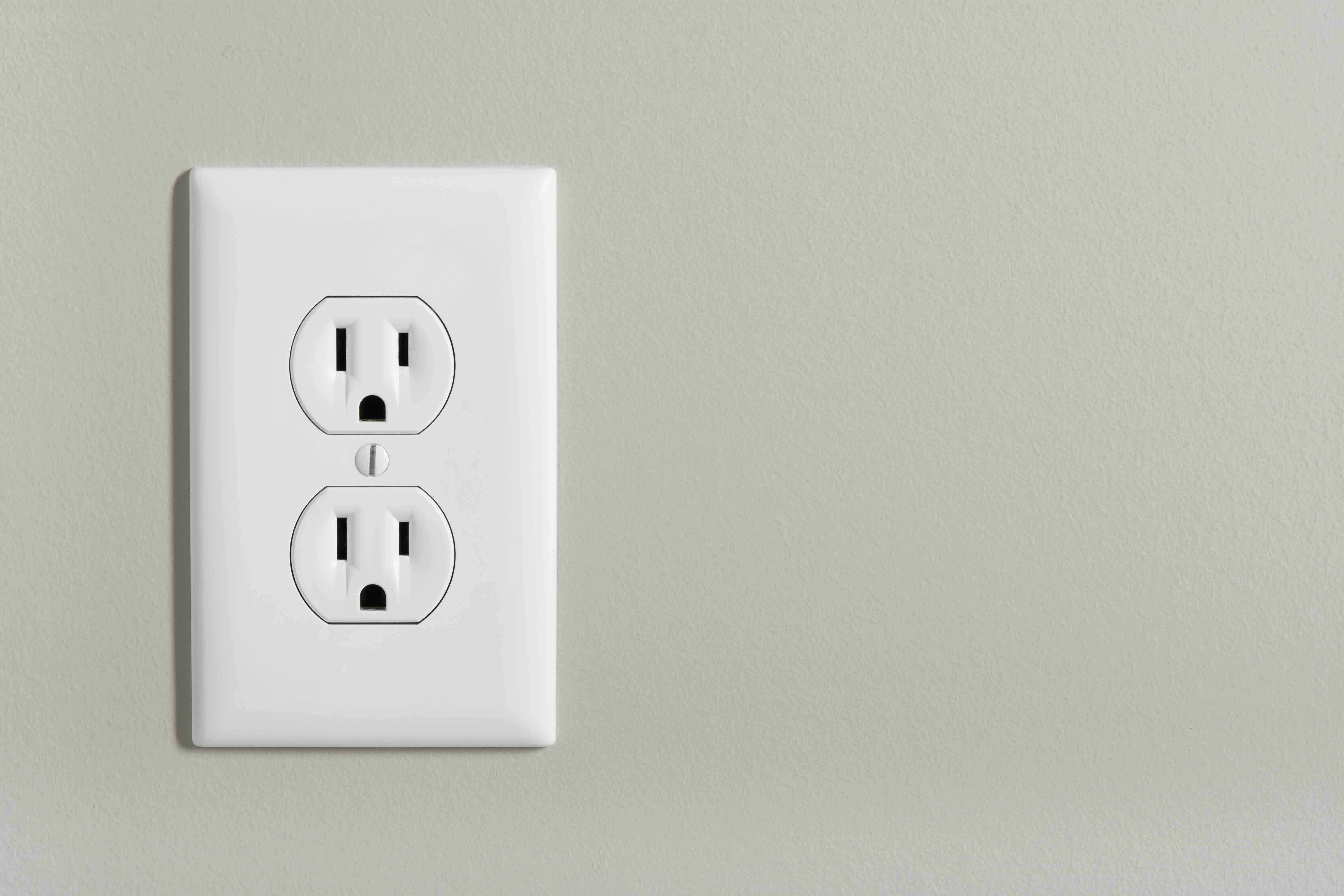
Canada uses Type A and Type B electrical plugs, which are the same plug types used throughout the United States and Mexico. Type A has two flat parallel prongs. Type B adds a third round grounding prong below those two flat blades. The standard voltage in Canada is 120V at 60Hz, which again matches the US standard. This means that most consumer electronics and technology hardware sold in North America will work in Canada without any adapters or converters required. That said, the grounding aspect matters quite a bit when you start dealing with sensitive tech equipment, and understanding the difference between Type A and Type B is more than just a trivia point.
Type A vs Type B: Why Grounding Matters in Tech Setups
Here is where things get practically important. Type A plugs are ungrounded, meaning there are only two conductors completing the circuit. Type B plugs include that third round pin, which is the ground. In everyday home use, a lot of smaller devices use Type A just fine. But in technology environments, grounding is not optional. Computers, network switches, AV receivers, power amplifiers, rack-mounted gear -- most of this equipment either comes with a three-prong Type B plug or should. Grounding protects against electrical faults, reduces the risk of shock, and critically for electronics, it helps manage electromagnetic interference. If you are running a home studio, a wired network closet, or even a well-organized home theater, using grounded outlets and grounded cables is simply the responsible approach. Never use an adapter to defeat the ground pin on equipment that ships with a three-prong plug.
Canadian Electrical Standards and the CSA
Canada's electrical standards are governed and enforced primarily by the Canadian Standards Association, widely known as CSA. Products sold in Canada for consumer or commercial electrical use typically carry CSA certification, which signals that the product has been tested and meets Canadian safety requirements. In many cases, products that are UL-listed in the United States will also carry CSA certification since the two organizations recognize similar safety benchmarks. When you are purchasing power bars, surge protectors, cables, or any powered technology product for use in Canada, checking for CSA certification is a smart move. It is not just regulatory compliance -- it is a genuine indicator of product safety and reliability.
Voltage and Frequency: What Canadian Compatibility Really Means
Canada operates at 120 volts and 60 hertz. This is important to understand because not all electrical systems globally share this standard. Europe runs at 230V and 50Hz, and many countries in Asia, Africa, and South America operate on different combinations of voltage and frequency. If you are importing technology equipment from outside North America, you need to verify that the device supports 120V at 60Hz before plugging it in. Most modern laptops, phone chargers, and small electronics use switching power supplies that handle a wide input range -- typically 100V to 240V at 50 or 60Hz -- but larger equipment like monitors, audio gear, and power tools may not. Always check the label on the power supply or the device itself before connecting anything.
Key Advantages of Canada's Electrical Standard for Tech Users
There are some real practical benefits to Canada using the North American standard. For technology buyers and professionals, this means a unified supply chain with the United States, easier product sourcing, and broad device compatibility across the border. It also means the accessories ecosystem -- power strips, surge protectors, cables, racks, and UPS units -- is enormous and highly competitive, which keeps prices reasonable without sacrificing quality. Here are the main advantages worth noting:
- Shared compatibility with all US-standard devices and accessories
- Wide availability of Type A and Type B cables, adapters, and power solutions
- Extensive CSA and UL certified product options at multiple price points
- Strong grounding infrastructure in modern Canadian construction
- No voltage conversion needed for the vast majority of consumer tech
Common Drawbacks and Things to Watch Out For
Even with a mature and well-standardized system, there are a few friction points. Older buildings in Canada, particularly those built before the 1960s or 1970s, may still have two-prong ungrounded outlets throughout. This creates a real problem for modern technology equipment that expects a ground. Using a grounded device in an ungrounded outlet through an adapter is a workaround that some people resort to, but it eliminates the protection the ground prong is actually providing. Other things to consider:
- Older Canadian homes may lack grounded outlets in critical rooms
- Extension cords and power bars vary widely in quality -- cheaper options can be fire risks
- Some specialty imported tech gear may require step-down transformers if designed for higher voltage markets
- Industrial and commercial spaces in Canada may use 240V or higher for large equipment, which is a completely different system
- Not all power bars include surge protection -- check specifications before assuming
Practical Tips for Setting Up Technology in Canada
When setting up a technology workspace, home office, or entertainment system in Canada, there are a few grounded habits -- no pun intended -- worth building into your process. First, audit your outlets. Know whether your space has grounded three-prong outlets before you start connecting gear. Second, invest in a quality surge protector rather than a basic power bar. A surge protector rated for the Canadian market with proper joule ratings will protect your investment in equipment. Third, if you are managing network infrastructure or AV equipment in a rack, consider a UPS unit -- an uninterruptible power supply -- to protect against power outages and brownouts. Fourth, never daisy-chain power bars. It is a common shortcut that increases fire risk and can overload circuits. Fifth, verify compatibility on any imported gear before purchase, especially if it is coming from European, Asian, or Australian markets where voltage and frequency differ.
International Travelers and Temporary Setups in Canada
For travelers arriving in Canada from countries that use different plug types -- Europe, the UK, Australia, or parts of Asia -- a plug adapter is necessary, but a voltage converter may not be. Again, the key is verifying what voltage range your device supports. Most modern laptops and phone chargers handle universal voltage, so a simple plug adapter from your native plug type to Type A or Type B is usually all you need. However, if you are bringing a device that is rated only for 220V to 240V and you plug it into a 120V Canadian outlet without a step-up converter, the device simply will not run at full power or may not function at all -- though it will not be damaged the same way a 120V device would be damaged by being plugged into a 240V outlet without protection.
Why Monoprice Is a Smart Choice for Canadian-Compatible Tech Accessories
When it comes to finding reliable, well-built power accessories, cables, and technology hardware designed to work within North American electrical standards, Monoprice has earned a strong reputation for delivering exactly that. The product lineup spans power management, AV connectivity, networking cables, and mounting hardware -- all built to perform without unnecessary cost inflation. Whether you are outfitting a home office in Toronto, building a network rack in Vancouver, or setting up a home theater in Calgary, Monoprice offers the kind of depth and consistency that makes sourcing straightforward. If you are looking for high-quality power accessories and cables compatible with Canadian electrical standards, the catalog covers everything from surge-protected power bars to heavy-gauge extension cords built to handle real loads. It is the kind of value-focused, performance-grounded approach that makes sense whether you are buying one item or kitting out an entire installation.
Frequently Asked Questions About Electrical Plugs in Canada
What plug type does Canada use?
Canada uses Type A and Type B plugs. Type A has two flat parallel prongs and is ungrounded. Type B has two flat prongs plus a round grounding pin and is the standard for most modern technology equipment.
Is Canada's voltage the same as the United States?
Yes. Canada operates on 120 volts at 60 hertz, which is identical to the United States. Devices sold and certified for the US market will work in Canada without any voltage conversion.
Do I need an adapter to use US electronics in Canada?
No adapter is needed. US and Canadian electrical standards use the same plug types, voltage, and frequency. Devices plug in and work the same way in both countries.
What does CSA certification mean on electrical products in Canada?
CSA stands for Canadian Standards Association. A CSA certification means the product has been independently tested and meets Canadian electrical safety requirements. It is an important indicator of product safety and reliability.
Why does the ground prong on a plug matter for technology equipment?
The ground prong provides a safe path for electrical faults, reduces the risk of electric shock, and helps control electromagnetic interference. For computers, networking gear, and AV equipment, proper grounding protects both the user and the hardware.
Can I use European electronics in Canada without a converter?
You will need a plug adapter and possibly a voltage converter. European devices are typically rated for 230V at 50Hz. If the device does not support universal voltage input, a step-down converter is required before it can safely run on Canada's 120V system.
Are older Canadian homes safe for modern technology equipment?
Older homes may have ungrounded two-prong outlets, which are not ideal for modern technology gear. If your building has outdated wiring, consulting a licensed electrician about upgrading to grounded outlets is the recommended course of action.
What is the difference between a power bar and a surge protector in Canada?
A power bar simply adds additional outlets to a circuit. A surge protector includes circuitry that absorbs voltage spikes before they reach connected devices. For technology equipment, a surge protector is strongly preferred over a basic power bar.
Is 240V used anywhere in Canada?
Yes. Canada uses 240V for high-demand applications such as electric dryers, stoves, HVAC systems, and some commercial or industrial equipment. Standard household and technology outlets are 120V, and these are completely separate circuits.
What should I look for when buying a surge protector for use in Canada?
Look for CSA certification, a joule rating of at least 1000 joules for basic protection, indicator lights that confirm the surge protection is active, and a warranty that covers connected equipment. Avoid power bars that are labeled as surge protectors without listing a joule rating, as they often provide little to no real protection.


