

Cat6A Cable Diameter: Sizes, Types, and Why It Matters
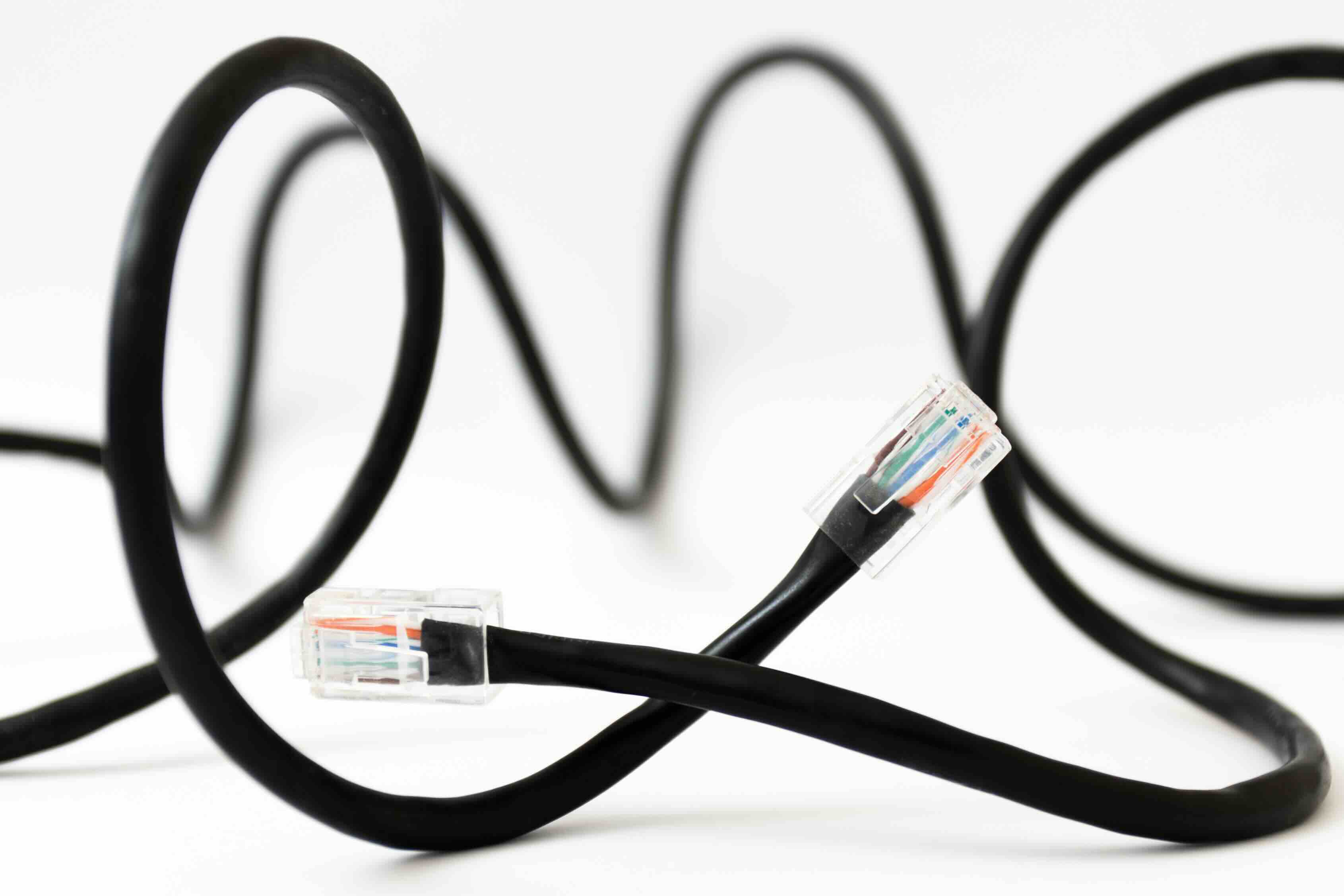
Cat6A Cable Diameter: What It Is, Why It Matters, and How to Choose Right
If you have ever gone down the rabbit hole of structured cabling, you have probably noticed that not all Ethernet cables are created equal. Cat6A, in particular, tends to throw people off because it is physically larger than what they might be used to. That size difference is not arbitrary. It is tied directly to performance, installation requirements, and long-term infrastructure value. So let us actually break this down in a way that makes sense before you buy the wrong cable for a project that deserves better.
Understanding Cat6A Cable Diameter: The Basic Numbers
Cat6A cables typically measure between 0.27 inches and 0.35 inches in outer diameter, which translates to roughly 6.9mm to 9mm depending on the construction type. For comparison, a standard Cat6 cable usually comes in at around 0.235 inches or about 6mm. That might not sound like much on paper, but multiply that across a conduit run carrying 24 cables and the difference becomes very real, very fast. The reason Cat6A is thicker comes down to how it achieves 10 Gigabit Ethernet performance at full 100-meter distances while managing alien crosstalk, which is the interference that bleeds between adjacent cable pairs. To do that effectively, manufacturers either use more substantial insulation, internal separators, or foil shielding, all of which add physical bulk.
UTP vs. F/UTP vs. U/FTP: How Construction Affects Diameter
Not every Cat6A cable is built the same way, and the internal architecture has a direct effect on the outer diameter. There are a few main types worth knowing.
- Unshielded Twisted Pair (UTP) Cat6A typically uses a large internal spline or cross-filler to separate the pairs and manage crosstalk without foil, resulting in a larger overall diameter, often on the wider end of that 7mm to 9mm range.
- Foil-shielded constructions like F/UTP or U/FTP wrap individual pairs or the entire cable bundle in a metallic foil layer, which handles alien crosstalk more efficiently. Because the shielding does the heavy lifting, the cable can actually be made slimmer while still meeting Category 6A performance standards.
- Slim or thin Cat6A cables, a relatively newer product category, have been engineered to bring that outer diameter down closer to Cat6 sizing, sometimes as tight as 5.8mm or 6mm, while still passing TIA-568 Cat6A certification.
Understanding which construction type you are dealing with matters a lot when planning conduit fill ratios, patch panel density, and bend radius requirements throughout any installation.
Why Cat6A Cable Diameter Impacts Your Installation
Here is where a lot of installers and IT buyers learn something the hard way. The thicker the cable, the more planning it demands. Conduit fill capacity is one of the most immediate concerns. Industry standards, specifically the NEC and BICSI guidelines, set limits on how many cables can safely occupy a conduit without causing heat buildup or physical strain on the conductors. A standard 1-inch conduit can handle more Cat6 runs than Cat6A runs, and that math changes your materials list and your labor estimates. Beyond conduit, patch panel ports and keystone jacks designed for Cat6 may not accommodate the larger jacket diameter of Cat6A cables comfortably, especially during termination. Cable management channels and ladder racks also need to account for greater bundle diameters when running Cat6A at scale. It is not a dealbreaker by any means, but overlooking cable diameter during the planning phase is one of the more common and costly mistakes in structured cabling projects.
Performance Advantages That Justify the Size
The extra girth has a purpose, and it delivers. Cat6A supports 10GBASE-T Ethernet at full 100-meter channel lengths, which Cat6 cannot reliably achieve beyond about 55 meters under certain conditions. It operates across a 500MHz bandwidth, double the 250MHz specification of Cat6. The improved alien crosstalk mitigation built into the physical design means better signal integrity in dense cable environments, which matters in data centers, enterprise deployments, and high-demand commercial installations. Cat6A is also the minimum recommended cabling standard for Power over Ethernet applications requiring PoE++ at 90 watts, because thicker conductors and better insulation help manage heat dissipation during sustained high-wattage delivery. If you are building infrastructure meant to support the next decade of network demands, especially as Wi-Fi 6E and 10G switching become mainstream, Cat6A is the cable grade that makes that future-proofing practical.
Common Drawbacks to Keep in Mind
Being honest about limitations is part of making a smart buying decision. Cat6A does cost more than Cat6, and the installation complexity adds to the total project cost when working at scale. The larger diameter makes it less forgiving in tight spaces and existing conduit runs already populated with other cables. Bending a Cat6A cable beyond its minimum bend radius, which is typically four times the outer diameter, can degrade performance, so it needs more careful handling during pulls. Termination also takes more time and precision, especially with shielded variants that require proper grounding to prevent the shield from becoming an antenna rather than a noise barrier. For small office or home network setups where 10G speeds are not yet a practical requirement, the added expense and handling complexity of Cat6A may not be justified over a quality Cat6 installation.
Slim Cat6A: A Practical Middle Ground
Slim Cat6A cables have gained serious traction in the industry because they address the biggest objection head-on. By engineering tighter tolerances and more efficient shielding geometries, manufacturers have brought Cat6A outer diameters down to sizes comparable to standard Cat6, without sacrificing the electrical performance that defines the Category 6A specification. This makes slim Cat6A particularly attractive for high-density patch panel environments, retrofit installations in conduit with limited remaining capacity, and deployments where aesthetics or cable management neatness are a priority. It is worth verifying that any slim Cat6A product carries legitimate third-party certification to the TIA-568.2-D standard, because the label alone does not guarantee compliance.
Choosing the Right Cat6A Cable for Your Application
Matching cable type to application context is where this all comes together practically. For new commercial or enterprise construction, standard Cat6A UTP with a proper cable management plan is a reliable, code-compliant approach. For environments with significant electromagnetic interference, such as manufacturing floors or spaces with heavy electrical equipment, shielded Cat6A with appropriate grounding infrastructure is the stronger choice. For data center top-of-rack connections or high-density switch rooms, slim Cat6A or pre-terminated Cat6A assemblies can simplify installation and improve airflow management. For horizontal runs in renovated spaces with limited conduit space, slim Cat6A again earns its place. The diameter is not just a spec to note and ignore. It is a variable that shapes every other decision in the project.
Quick Comparison: Cat6A Cable Types at a Glance
Before moving forward with any purchase decision, here is a practical snapshot of the main Cat6A construction types and what distinguishes them in real-world use.
- Standard UTP Cat6A: Diameter 7mm to 9mm, no shielding, uses internal spline, best for general commercial use, cost-effective at scale
- F/UTP Cat6A: Diameter 6.5mm to 8mm, overall foil shield, good EMI resistance, requires grounding, preferred in industrial environments
- U/FTP Cat6A: Diameter 6.5mm to 7.5mm, individually shielded pairs, excellent crosstalk control, more complex termination
- Slim Cat6A: Diameter 5.5mm to 6.2mm, typically shielded, high-density friendly, ideal for patch panels and retrofit installs
These distinctions matter when calculating conduit fill, sourcing compatible hardware, and projecting labor costs accurately.
Why Monoprice Is the Right Source for Your Cat6A Cabling Needs
When you are sourcing Cat6A cable at any volume, quality consistency, certification, and pricing clarity are non-negotiable. Monoprice has built its reputation over years on exactly those qualities, delivering cables and connectivity products that meet real performance standards without inflating the cost of doing business. Whether you are speccing out a single-floor office upgrade or a multi-site enterprise rollout, the depth of Cat6A options available, from standard bulk cable to slim patch cables to pre-terminated assemblies, gives you the flexibility to match the right product to the right job. If you are ready to compare specifications and find the right fit for your next structured cabling project, explore the full range of Cat6A Ethernet cables and networking infrastructure solutions at Monoprice and see how performance-grade cabling does not have to come at a premium price. That combination of certified performance, reliable construction, and honest value is exactly what makes Monoprice a trusted partner for IT professionals and integrators who cannot afford to compromise on infrastructure quality.
Frequently Asked Questions About Cat6A Cable Diameter
What is the standard outer diameter of a Cat6A cable?
Cat6A cables typically range from approximately 6.9mm to 9mm in outer diameter, depending on the construction type. Unshielded UTP variants tend to be on the larger end, while shielded slim designs can approach 5.5mm to 6.2mm.
Why is Cat6A thicker than Cat6?
Cat6A requires more robust construction to support 10 Gigabit Ethernet at 100 meters and manage alien crosstalk. This is achieved through thicker insulation, internal separators, or foil shielding, all of which increase the outer diameter compared to Cat6.
Does Cat6A cable diameter affect conduit fill calculations?
Yes. Because Cat6A cables are larger in diameter, fewer cables fit within a given conduit size compared to Cat6. This directly impacts conduit sizing, materials planning, and labor costs for structured cabling installations.
Can I use Cat6A cables in existing Cat6 patch panels?
Not always. Some Cat6 patch panel ports and keystone jacks have openings sized for smaller cable jackets and may not accommodate the larger diameter of standard Cat6A cables without difficulty during termination. Slim Cat6A or compatible Cat6A-rated hardware is the better solution.
What is slim Cat6A and how does it differ from standard Cat6A?
Slim Cat6A cables are engineered to reduce the outer diameter to approximately 5.5mm to 6.2mm while still meeting TIA-568 Category 6A electrical performance standards. They are ideal for high-density patch environments and retrofit installations where space is limited.
Does cable diameter affect Cat6A performance?
The diameter itself is a byproduct of the design choices that enable performance, not a direct performance factor. However, improper bending beyond the minimum bend radius, which is roughly four times the outer diameter, can degrade signal quality regardless of cable grade.
Is shielded Cat6A always larger in diameter than unshielded Cat6A?
Not necessarily. Shielded Cat6A cables that use foil efficiently can sometimes be slimmer than large-diameter UTP Cat6A cables that rely on a bulky internal spline for crosstalk management. Construction efficiency determines whether shielding adds or reduces overall diameter.
What is the minimum bend radius for Cat6A cable?
The minimum bend radius for Cat6A cable is generally four times the outer diameter of the cable. For a 7mm cable, that equals approximately 28mm. Exceeding this limit during installation can cause internal damage and degrade performance.
Is Cat6A required for PoE++ applications?
Cat6A is the recommended minimum standard for 90-watt PoE++ applications. The larger conductors and improved construction help manage heat dissipation during sustained high-wattage delivery, reducing the risk of performance degradation or fire hazard in densely bundled runs.
How do I verify that a Cat6A cable is genuinely certified to specification?
Look for cables that reference compliance with TIA-568.2-D or ISO/IEC 11801 Category 6A standards and carry third-party certification from a recognized testing lab. Manufacturer spec sheets should include measured electrical performance data, not just label claims.


