

Cat5e Ethernet Cable: Specs, Uses, and What to Know
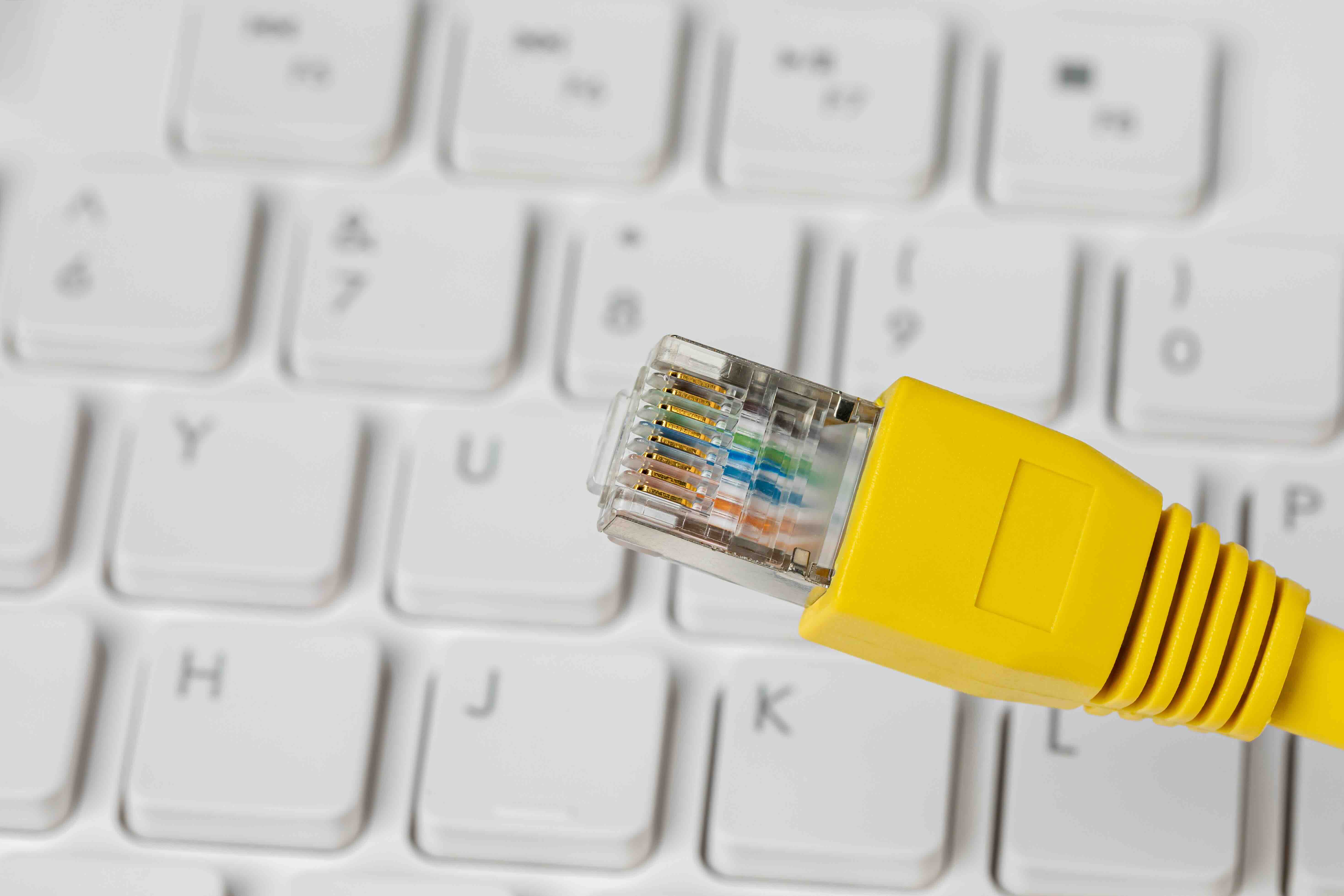
What Is Cat5e Cable and Why Does It Still Matter?
If you have ever set up a home network, wired an office, or worked alongside an IT team pulling cable through walls, you have almost certainly encountered Cat5e. It is one of the most widely deployed copper networking cables in the world, and honestly, for a standard that has been around since the late 1990s, it holds up remarkably well for a large number of everyday use cases. Cat5e -- short for Category 5 Enhanced -- is a twisted-pair copper cable standard defined by the TIA/EIA-568 specification. It was designed as a direct improvement over the original Cat5 standard, and that single letter addition, the "e," carries a meaningful amount of technical significance. Understanding what Cat5e actually does, where it performs well, and where it starts to fall short is genuinely useful information whether you are setting up a small home office or making infrastructure decisions for a mid-sized business.
The Technical Foundation: How Cat5e Cable Actually Works
At its core, Cat5e is a balanced twisted-pair cable. Inside the jacket, you will find four pairs of copper conductors, each pair twisted together at a specific rate. That twisting is not arbitrary -- it is the primary mechanism by which the cable reduces electromagnetic interference and, more specifically, a phenomenon called crosstalk. Crosstalk occurs when signals on one wire pair bleed into an adjacent pair, which degrades signal quality. Cat5e improves on original Cat5 by increasing the number of twists per foot and tightening manufacturing tolerances, which directly reduces near-end crosstalk, or NEXT. The result is a cable that supports data transmission at speeds up to 1 Gbps over distances up to 100 meters, or roughly 328 feet, operating at frequencies up to 100 MHz. That combination of speed, distance, and signal integrity is what made Cat5e the de facto standard for structured cabling in the 2000s, and it is why millions of installations still rely on it today.
Cat5e vs. Cat6 and Cat6A: Where the Differences Actually Land
This is where things get practical, and it is worth slowing down on. Cat6 and Cat6A are the more modern standards, and they do offer performance advantages. Cat6 supports 10 Gbps but only up to about 55 meters at that speed, while Cat6A extends 10 Gbps capability to the full 100-meter channel. Both operate at higher frequencies -- 250 MHz for Cat6 and 500 MHz for Cat6A. Cat5e simply cannot reach those speeds or frequencies. However, for the majority of residential and small-to-medium business networking environments that are running Gigabit Ethernet -- which is 1 Gbps -- Cat5e is entirely sufficient. The performance gap only becomes material when you are deploying 10-Gigabit infrastructure, running high-density PoE applications, or future-proofing a large commercial installation. For a home media setup, a small office network, or a VoIP deployment, Cat5e remains a highly capable and cost-effective choice.
Key Advantages of Cat5e Ethernet Cable
There are several reasons Cat5e has maintained such widespread adoption across both consumer and commercial environments. Each of these advantages contributes to its continued relevance in structured cabling decisions today.
- Cost efficiency compared to Cat6 and Cat6A
- Full Gigabit Ethernet support at 1 Gbps across 100-meter runs
- Extensive compatibility with standard RJ-45 connectors, patch panels, and keystone jacks
- Broad availability in bulk spooled and pre-terminated patch cable formats
- Sufficient bandwidth for VoIP, standard IP cameras, and general office networking
- Flexible deployment in both horizontal runs and patch applications
- Lower bend radius requirements than Cat6A, making installs in tight spaces more manageable
Common Drawbacks and Limitations to Know
Cat5e is not a universal solution, and being clear about its limitations is just as important as understanding its strengths. The most significant constraint is that it does not reliably support 10 Gbps speeds. While some vendors have demonstrated 10GBASE-T over short Cat5e runs in controlled conditions, this is not a supported or standard configuration. For any infrastructure being built or upgraded with 10-Gigabit Ethernet in mind, Cat5e is simply the wrong cable. Additionally, Cat5e offers no shielding in its standard unshielded twisted-pair, or UTP, form. In environments with heavy electrical interference -- industrial floors, areas near large HVAC systems, or spaces with significant RF noise -- unshielded Cat5e can struggle. Shielded variants exist, but they add cost and installation complexity. Power over Ethernet applications at higher wattage levels, such as PoE++ at 90 watts, also push Cat5e closer to its thermal and electrical limits than Cat6 or Cat6A cables.
Where Cat5e Is Still the Right Choice
Given the tradeoffs, Cat5e genuinely earns its place in a wide range of deployment scenarios. Home networks running on Gigabit routers and switches are a natural fit. Small office environments with standard workstations, printers, and IP phones do not need the overhead that Cat6A provides. Hospitality environments, retail point-of-sale networks, and classroom technology setups all represent spaces where the 1 Gbps throughput of Cat5e is fully adequate. Even structured cabling retrofits in older buildings, where conduit sizes and cable pathways may limit options, often favor Cat5e for its slightly smaller diameter and greater flexibility compared to the stiffer Cat6A constructions. Budget-conscious projects where a large number of cable runs are required also benefit meaningfully from the cost differential -- and over hundreds of drops, that difference adds up fast.
Understanding Cat5e Cable Construction and Variants
Not all Cat5e cables are built the same way, and the construction choices matter depending on the application. The two primary conductor types are solid and stranded. Solid Cat5e uses a single solid copper conductor per wire and is the standard choice for in-wall runs and structured cabling installations, where the cable will remain relatively static. Stranded Cat5e uses multiple smaller copper strands twisted together per conductor, which makes the cable more flexible and better suited for patch cables and equipment connections that get moved or flexed regularly. Beyond conductor type, the jacket material is another key variable. Standard PVC jackets work for most dry indoor environments. Plenum-rated jackets use low-smoke, fire-retardant materials required by code for cables run through air handling spaces. Outdoor and direct-burial Cat5e cables use UV-resistant and water-resistant jacketing for installations exposed to the elements. Selecting the right construction for the environment is not optional -- it directly affects both performance and code compliance.
Installation Tips for Getting the Most Out of Cat5e
Proper installation practices are what separate a reliable network from one that delivers inconsistent performance. A few principles are worth keeping front of mind during any Cat5e deployment.
- Never exceed the 100-meter maximum channel length including patch cable segments on both ends
- Maintain the twist pairs as close to the termination point as possible -- untwist no more than half an inch per pair
- Avoid running Cat5e parallel to electrical conduit for extended distances to reduce interference exposure
- Use the correct punch-down and termination standard consistently across the installation, either T568A or T568B, not a mix
- Do not exceed the cable's minimum bend radius, typically four times the cable diameter, to prevent signal degradation
- Test completed runs with a cable certifier or at minimum a continuity tester before closing up walls or locking down patch panels
Why Monoprice Is a Smart Source for Cat5e Networking Cables
When it comes to sourcing Cat5e cable, the quality of the product and the value of the purchase both matter -- and that is exactly where Monoprice delivers without compromise. Whether you are wiring a single room or pulling hundreds of cable runs across a commercial property, having a reliable supplier that offers consistent cable quality, verified specifications, and honest pricing is not a luxury. It is a requirement. Monoprice Cat5e cables are built to TIA/EIA-568 standards, available in solid and stranded constructions, and offered across a full range of jacket types including PVC, plenum, and outdoor-rated options. The product lineup spans pre-terminated patch cables in various lengths and bulk spooled options for custom installations. For anyone looking to build or upgrade a wired network with high-performance Cat5e Ethernet cables at a competitive price, Monoprice provides the depth of selection, specification transparency, and cost-efficiency that both DIY enthusiasts and professional installers need to get the job done right the first time.
Frequently Asked Questions About Cat5e Cable
What is the maximum speed of Cat5e cable?
Cat5e cable supports data transmission speeds up to 1 Gbps, which is Gigabit Ethernet, over a maximum channel length of 100 meters. It operates at frequencies up to 100 MHz and is not rated for reliable 10 Gbps transmission under standard conditions.
What is the difference between Cat5 and Cat5e?
Cat5e is an enhanced version of the original Cat5 standard. It features tighter manufacturing tolerances and a higher number of twists per foot in each conductor pair, which significantly reduces near-end crosstalk and improves signal integrity at Gigabit speeds. Original Cat5 is no longer a current standard and should not be used in new installations.
Can Cat5e support Power over Ethernet?
Yes, Cat5e supports standard PoE at 15.4 watts and PoE+ at 30 watts without issue in properly installed runs. Higher-wattage PoE++ applications at 60 to 90 watts are technically possible but generate more heat in the cable bundle, which can approach the limits of Cat5e's design. Cat6 or Cat6A is recommended for high-density or high-wattage PoE deployments.
Should I use solid or stranded Cat5e cable?
Use solid Cat5e for permanent in-wall or structured cabling runs where the cable will not be moved or flexed repeatedly. Use stranded Cat5e for patch cables, equipment connections, and any application where the cable needs to flex regularly. Using the wrong type for the application can cause performance issues or physical cable damage over time.
Is Cat5e still worth installing in new construction?
For residential and light commercial applications where Gigabit Ethernet is the target network speed, Cat5e is still a valid and cost-effective choice. However, if budget allows and future-proofing is a priority, Cat6 offers better headroom. Cat5e is generally not recommended for new commercial installations where 10-Gigabit infrastructure is anticipated.
What does the "e" in Cat5e stand for?
The "e" stands for Enhanced. It indicates that Cat5e meets stricter performance specifications than original Cat5, particularly around crosstalk reduction and signal-to-noise ratio at Gigabit speeds. These enhancements are defined within the TIA/EIA-568 standard.
What is the maximum length for a Cat5e cable run?
The maximum supported channel length for Cat5e is 100 meters, or approximately 328 feet. This total includes the horizontal cable run plus any patch cables at each end. Exceeding this length can result in increased signal attenuation and packet loss, degrading network performance.
What jacket type do I need for Cat5e cable in a plenum space?
Cables installed in plenum spaces -- air handling areas above drop ceilings or below raised floors -- must use plenum-rated jackets. Plenum Cat5e uses low-smoke, fire-retardant jacket materials that comply with NFPA 90A requirements. Using standard PVC-jacketed cable in a plenum space is a building code violation in most jurisdictions.
Does Cat5e work with standard RJ-45 connectors and keystone jacks?
Yes. Cat5e uses the same standard 8P8C connector configuration as all other modern twisted-pair Ethernet cable categories. It is fully compatible with RJ-45 plugs, keystone jacks, patch panels, and switches designed for standard structured cabling applications.
How do I know if my Cat5e installation is performing correctly?
The most reliable method is to use a cable certifier to verify that each run meets TIA/EIA-568 performance parameters including insertion loss, NEXT, and return loss. At minimum, a continuity tester should be used to confirm correct pinout and wire mapping. Visible signs of poor performance include slow transfer speeds, frequent packet drops, and unstable connections, which often point to installation errors at termination points rather than the cable itself.


