

Can You Use Cat6 Connectors on Cat5e Cable?
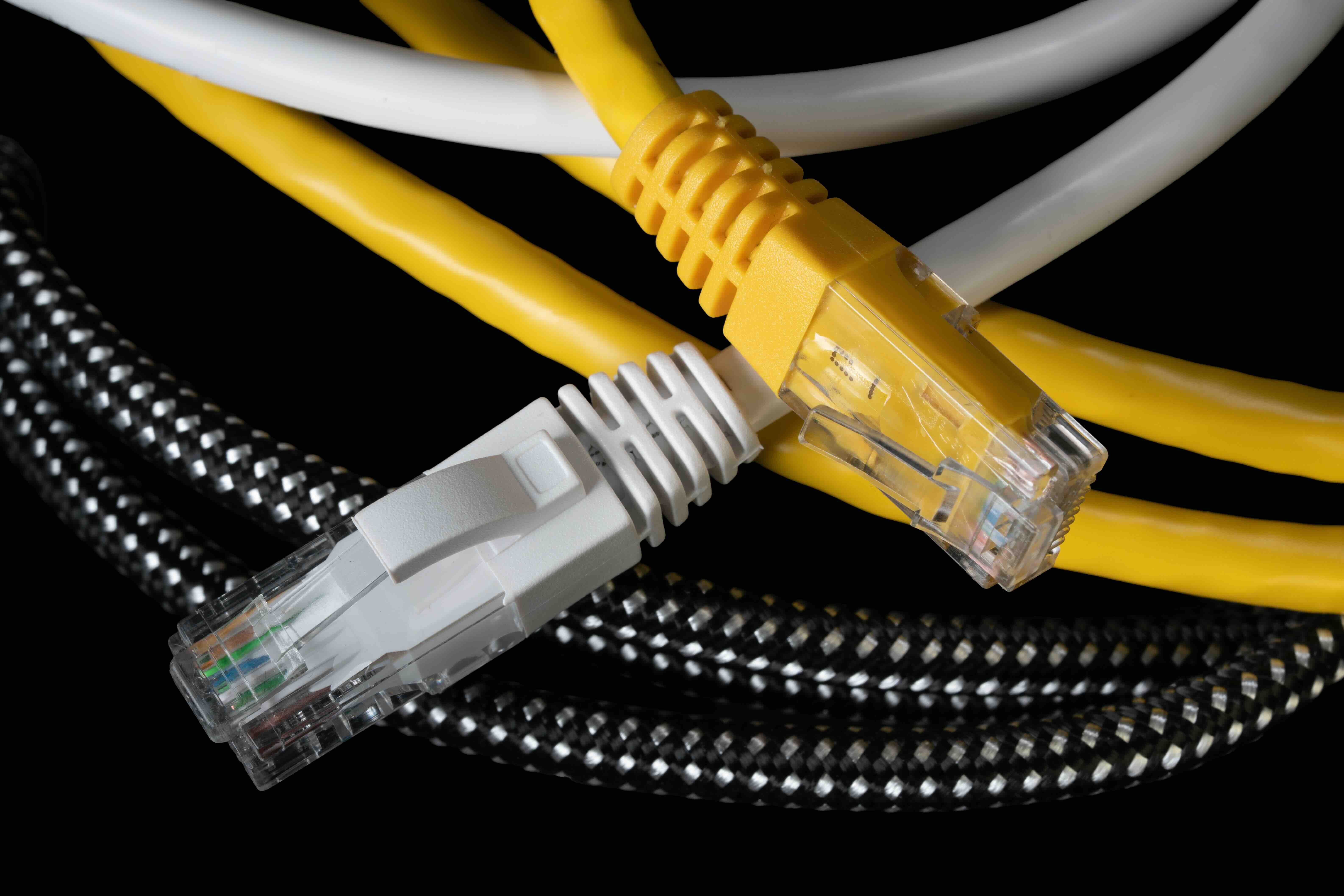
Can You Use Cat6 Connectors on Cat5e Cable? Here Is What You Need to Know
So you are mid-project, you have got a spool of Cat5e cable on the bench, and someone hands you a bag of Cat6 connectors. Maybe it was a mix-up at the supply house, maybe you grabbed the wrong box, or maybe someone told you it does not matter. And now you are wondering -- does it actually matter? Short answer: kind of. Longer answer: it depends on the connector type, the application, and how much signal integrity you care about. This guide walks through everything you need to know before you crimp a single wire.
Understanding the Difference Between Cat5e and Cat6 Cable
Before getting into connectors, it helps to understand what separates these two cable types. Cat5e, which stands for Category 5 Enhanced, supports data transmission up to 1 Gbps at 100 MHz. It is still widely used in residential installs, small offices, and legacy infrastructure. Cat6, on the other hand, supports up to 10 Gbps at 250 MHz over shorter distances, and up to 1 Gbps over longer runs. The physical difference is meaningful. Cat6 cable typically has a larger overall diameter due to thicker conductors, tighter twists, and often includes a center spline or separator that keeps the wire pairs isolated from each other. Cat5e is slimmer and more flexible. That distinction matters a lot when you start talking about connectors.
What Makes Cat6 Connectors Different from Cat5e Connectors
You might assume a connector is a connector. They both have eight pins, both use the same RJ45 form factor, and both terminate to the same standard wiring configurations like T568A or T568B. But the internal geometry is where things diverge. Cat6 connectors are engineered to accommodate that larger cable diameter and the internal spline. Many Cat6 connectors use a two-piece design, where the conductors are loaded into a separate insert before the whole assembly slides into the outer housing. This is specifically to manage the physical bulk of Cat6 cable. Cat5e connectors are smaller internally and designed for thinner wire bundles. They do not need to account for a spline, and the load bar or insert, if included at all, is sized accordingly.
Can You Physically Use Cat6 Connectors on Cat5e Cable
Here is where it gets practical. In most cases, yes, a Cat6 connector will accept Cat5e cable. The RJ45 form factor is universal, and the cable will fit into the connector housing. The pins will make contact with the conductors as long as you properly seat the wires. However, there is a catch. Because Cat5e cable is thinner and lacks the spline found in Cat6, the cable may not fill the connector housing as snugly as intended. This can result in looser wire seating, inconsistent crimps, and potentially poor contact between the conductor and the IDC pins. That said, many installers do this on occasion without issues, particularly when the two-piece Cat6 connector design allows for manual positioning of the wires regardless of cable diameter.
Signal Performance Implications You Should Not Ignore
This is where people sometimes get a little hand-wavy about it, and that is a mistake. If you are running Cat5e cable, your ceiling is already 1 Gbps at 100 MHz. Using a Cat6 connector does not upgrade the cable. The connector does not inject additional bandwidth into the link. What it can do, if improperly terminated, is introduce crosstalk, impedance mismatches, or return loss that degrades performance below even Cat5e spec. A poorly crimped or loosely seated connector on a Cat5e cable can take what should be a clean gigabit link and turn it into something that barely qualifies for the job. So the question is not just whether it fits -- it is whether it terminates correctly and consistently under testing conditions.
When This Swap Might Actually Work Fine
There are situations where using a Cat6 connector on Cat5e is genuinely fine and does not compromise the installation. These include low-demand environments where speed and signal integrity are not critical, patch panels or short patch cable runs where the run length is minimal, and temporary installs where you are bridging a gap until proper materials arrive. If you are wiring a home office, a small retail space, or a basic LAN where 100 Mbps is more than enough bandwidth, you are unlikely to notice any meaningful degradation. The key is to test after termination. A basic cable tester will confirm continuity. A more advanced certifier will tell you whether the link actually meets Cat5e spec, which is ultimately what matters for any professional install.
Key Considerations Before You Proceed
There are a few things worth checking before you commit to mixing these components on a job.
- Verify the connector housing diameter against your Cat5e cable jacket size
- Check whether the Cat6 connector uses a two-piece insert design, which gives you more flexibility during seating
- Confirm the wire gauge on your Cat5e cable since 23 AWG vs 24 AWG can affect how well the IDC pins make contact
- Always test with at minimum a wire map tester after crimping
- For certified installs or structured cabling covered under any kind of warranty or compliance spec, use matched components
That last point is not something to overlook. If you are working on a commercial install and there is an expectation that the cabling passes certification, mixing connector categories can complicate the documentation and potentially void performance guarantees.
Common Mistakes Installers Make with Mixed Connector and Cable Pairings
One thing that comes up repeatedly in the field is the assumption that because the crimp looks clean visually, the termination is solid. That is not always true. With oversized connector housings relative to cable diameter, the jacket strain relief may not grip properly, and the cable can pull back slightly, causing a miswire or open circuit after installation. Another common issue is not accounting for the load bar or insert in a two-piece Cat6 connector. Skipping the insert step or not fully seating it before crimping can leave conductors at slightly wrong depths, causing intermittent contact. These are not hypotheticals; they are the kinds of failures that show up six months later as mystery network drops that take hours to diagnose.
Best Practice Recommendation for Professional Installs
If you are doing this professionally and want to sleep at night, match your components. Cat5e cable with Cat5e connectors. Cat6 cable with Cat6 connectors. It is not just about signal purity -- it is about repeatability, documentation, and accountability. Structured cabling is supposed to be a system, and systems work best when every element is specified to work together. That said, the networking industry is full of pragmatic decisions, and in a pinch, using Cat6 connectors on Cat5e cable can work. Just test it, document it, and be upfront with your client or end user about what was used. Transparency is what separates a trustworthy installer from someone who just hopes for the best.
Why Monoprice Is the Right Source for Your Ethernet Cabling and Connector Needs
Whether you are sourcing for a residential install, a growing business network, or a large-scale commercial deployment, having a reliable supplier makes every project cleaner and more cost-effective. Monoprice has built a well-earned reputation for delivering professional-grade networking infrastructure at pricing that respects your budget without compromising on performance. From matched Cat5e and Cat6 connector and cable bundles to bulk cable spools and keystones, every product is built to spec and backed by real quality control. When you need Cat5e and Cat6 ethernet cables, connectors, and networking components that are engineered to work together, Monoprice is the kind of supplier that integrators and IT professionals return to because the value is consistent and the product delivers. Explore the full line of professional Cat5e and Cat6 Ethernet cables and RJ45 connectors for structured cabling installations and see why Monoprice continues to be a go-to source for smarter networking decisions across both residential and commercial environments.
Frequently Asked Questions
Can you use Cat6 connectors on Cat5e cable?
In most cases yes, a Cat6 connector will physically accept Cat5e cable because both use the RJ45 form factor. However, the difference in cable diameter and the absence of a spline in Cat5e can result in a loose fit inside the connector housing, which may lead to inconsistent crimping or poor conductor contact if not carefully managed.
Will using a Cat6 connector improve the speed of my Cat5e cable?
No. The connector does not upgrade the performance of the cable itself. Cat5e cable is rated for up to 1 Gbps at 100 MHz regardless of what connector terminates it. The connector type affects termination quality, not the cable's rated bandwidth ceiling.
Is it safe to mix Cat5e and Cat6 components in a network installation?
It can work in practice, but it is not recommended for certified or warranted structured cabling systems. Mixing components can complicate compliance documentation and may introduce termination issues that affect link performance over time.
How do I know if my crimp was successful when using Cat6 connectors on Cat5e?
Start with a wire map tester to confirm continuity and correct pin assignment. For any install where performance matters, use a cable certifier to verify the link meets at minimum Cat5e spec. A visual inspection alone is not sufficient to confirm a reliable termination.
What is the main physical difference between Cat5e and Cat6 cable?
Cat6 cable is generally larger in diameter, uses thicker conductors, has tighter wire twists, and often includes a center spline that separates wire pairs. Cat5e is slimmer, more flexible, and does not include a spline, which is why connector housing fit can differ between the two.
Do Cat6 connectors use a different internal design than Cat5e connectors?
Yes. Many Cat6 connectors use a two-piece design consisting of a separate wire insert and an outer housing. This design accommodates the larger diameter of Cat6 cable. Cat5e connectors typically use a simpler single-piece design sized for thinner cable bundles.
What happens if the Cat6 connector is too large for the Cat5e cable?
If the fit is too loose, the cable jacket may not seat properly under the strain relief, the conductors may not reach the IDC pins at the correct depth, and the crimp may result in intermittent connections or signal failures that are difficult to diagnose after installation.
Can I use Cat5e connectors on Cat6 cable?
This is generally not recommended and is more problematic than the reverse. Cat6 cable is often too large in diameter to seat properly inside a Cat5e connector housing, making it difficult to achieve a reliable crimp. The spline inside many Cat6 cables further complicates the fit.
What is the best practice when terminating network cables?
Always match your connector category to your cable category. Use Cat5e connectors with Cat5e cable and Cat6 connectors with Cat6 cable. Test every termination after crimping and document your materials, especially on commercial or structured cabling jobs where certification and accountability matter.
Where should I buy Cat5e and Cat6 connectors and cables for my project?
Purchase from a supplier that offers matched, spec-rated components with consistent quality. Monoprice carries a full range of Cat5e and Cat6 cables, connectors, keystones, and patch panels designed to perform together and priced to keep your project budget intact without sacrificing reliability.


