

Can You Safely Plug an AC Into an Extension Cord?
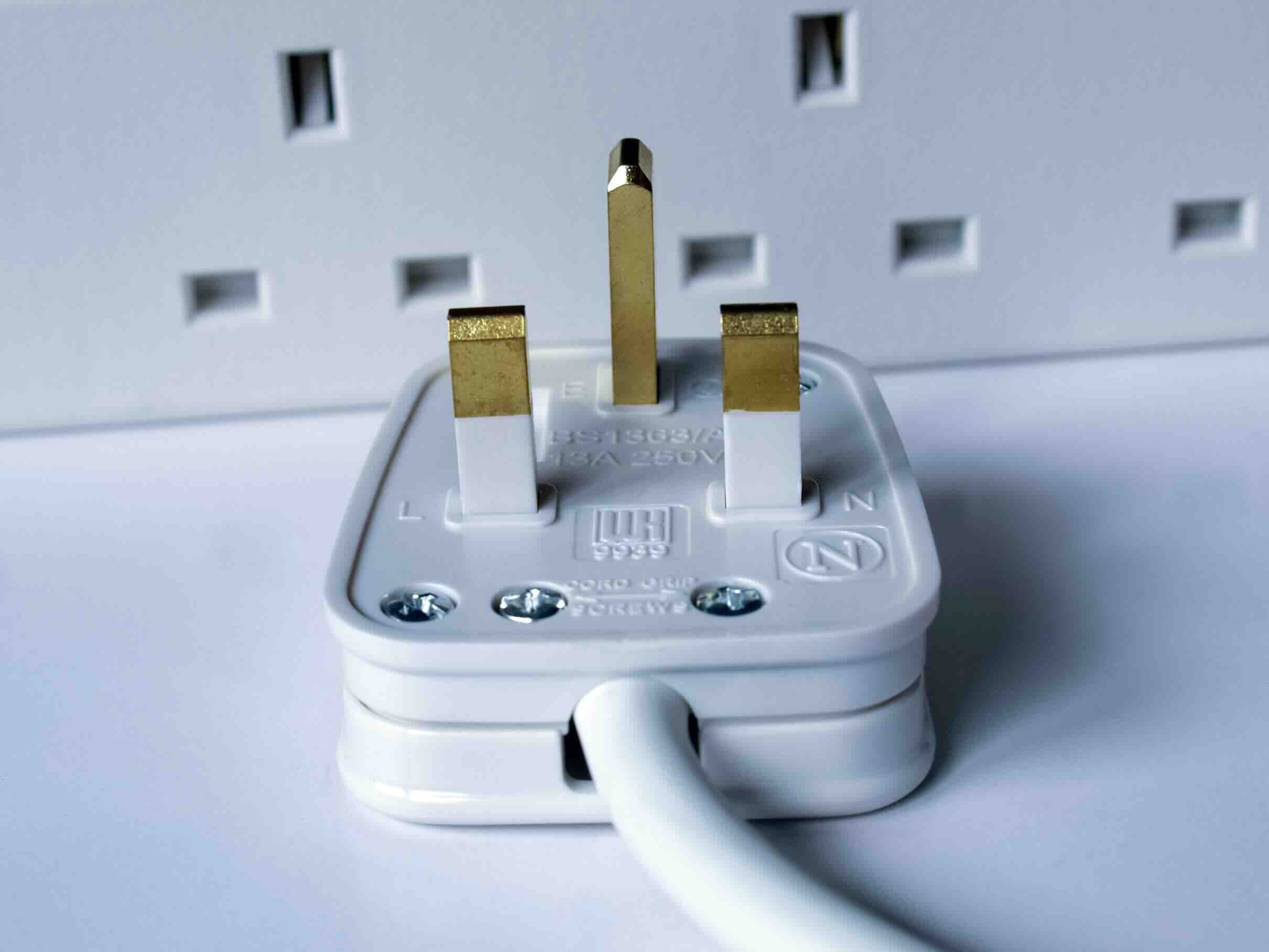
Can You Connect an AC Unit to an Extension Cord? What You Need to Know
It seems like a simple enough question. You just moved your window AC unit to a new room, the outlet is just a few feet too far, and you happen to have a heavy-duty extension cord sitting in the closet. So, can you plug the AC into it and call it a day? The honest answer is: it depends, and the wrong choice here can lead to real problems. Tripped breakers, overheated wires, fire hazards, and voided warranties are all very much on the table. This article breaks down exactly what you need to know before you reach for that extension cord, and how grounding factors into the equation in ways that genuinely matter for safety and performance.
Understanding How Air Conditioners Draw Power
Air conditioners are not like lamps or phone chargers. They are high-draw appliances that pull a significant amount of current the moment the compressor kicks on. Most window AC units start at around 5 to 8 amps and can spike well above that during startup. Larger units push 10 to 15 amps or more. That startup surge, called inrush current, is often two to three times the running load. Extension cords, even ones rated for high wattage, are engineered for temporary, lower-demand use. They are not designed to sustain the kind of continuous electrical draw that an AC unit demands over an entire cooling season. Heat builds up in the wire. Resistance increases. And if the gauge of the cord is too thin for the load, you have a genuine fire risk developing inside the wall of a cord that looks perfectly fine from the outside.
When an Extension Cord Might Actually Work
Not every situation is a flat no. If you are dealing with a small, portable AC unit under 7,500 BTU and a short run from the outlet, a properly rated extension cord can be acceptable on a temporary basis. The keyword there is temporary. The cord needs to be a heavy-duty, grounded extension cord rated for at least 15 amps, with a wire gauge of 12 AWG or thicker. A 14 AWG cord is often the minimum you see marketed as heavy duty, but for an AC unit, 12 AWG is the safer call. The cord should also be as short as possible. Every additional foot of cord adds resistance, and resistance generates heat. That is not a trade-off worth making for convenience.
Why Grounding Matters More Than Most People Realize
Here is where a lot of people underestimate the technical side of things. Grounding is not just a technicality on the plug. It is a critical safety mechanism that gives fault current a controlled path back to the panel rather than through you, or through flammable materials nearby. Air conditioners almost universally require a three-prong grounded outlet for this reason. If you are using an extension cord that is not grounded, or worse, plugging a three-prong cord into a two-prong adapter to force the connection, you have essentially removed the safety net entirely. A grounding fault in an ungrounded setup does not just trip a breaker. It can result in the chassis of the unit becoming energized, and that is a serious shock hazard. Always use a three-prong grounded extension cord that matches the ground configuration of your AC unit.
The Amperage and Gauge Relationship You Cannot Ignore
Let's make this practical. The relationship between amperage, wire gauge, and cord length is something you need to understand before buying anything. Here is a simplified breakdown of what to look for:
- For AC units drawing up to 10 amps on a cord run of 25 feet or less, 14 AWG is the minimum acceptable gauge.
- For AC units drawing up to 15 amps on a cord run of 25 feet or less, 12 AWG is strongly recommended.
- For any cord run over 25 feet, move up at least one gauge size regardless of the amp draw.
- Always check the amperage rating printed on the extension cord packaging, not just the wattage.
- Never use a cord that feels warm to the touch during operation, that is a sign of overload.
The gauge number and the wire thickness work inversely. A lower AWG number means thicker wire, which means more capacity for current flow with less heat buildup. Most lightweight extension cords sold at general retail are 16 AWG, which is completely inadequate for an AC unit of any meaningful size.
What the Manufacturers Actually Say
It is worth noting that most AC unit manufacturers explicitly advise against using extension cords in their product documentation. That is not just legal cover. It is because the combination of high continuous draw, startup surges, and the variable quality of third-party extension cords creates conditions that the manufacturer cannot test or certify for. Using an extension cord can also void your warranty if the unit is damaged in a way that can be attributed to improper power supply. If your AC manual says to plug directly into a properly rated wall outlet, that instruction exists for a reason.
The Right Solution Is Usually a Dedicated Outlet
If you find yourself reaching for an extension cord because the outlet is not close enough, that is actually a signal worth paying attention to. The real fix is having an electrician install a dedicated 15 or 20 amp outlet closer to where the unit needs to operate. A dedicated circuit ensures that the AC is not competing with other appliances on the same breaker, which is another common cause of tripped circuits and inconsistent performance. Yes, that costs more upfront than buying a heavy extension cord. But it is the correct, safe, code-compliant solution, and it protects your equipment and your home.
Extension Cord Safety Tips If You Proceed Anyway
If your situation is genuinely temporary and you have no immediate alternative, here are the non-negotiable rules for doing it as safely as possible:
- Use only a three-prong grounded heavy-duty extension cord rated for 15 amps minimum.
- Select a cord with 12 AWG wire gauge or thicker.
- Keep the cord as short as possible, under 6 feet is ideal.
- Never run the cord under rugs, through walls, or behind furniture where heat cannot dissipate.
- Do not use the cord with other appliances simultaneously.
- Check the cord for warmth every 30 minutes during initial use.
- Discontinue use immediately if the cord or plug shows any signs of discoloration, burning smell, or physical damage.
These are not suggestions. These are the basic conditions under which using an extension cord with an AC unit crosses from reckless into merely cautious.
Grounded Extension Cords in the Broader Tech and AV Ecosystem
For those working in home AV, IT infrastructure, or any kind of professional installation environment, the grounding conversation extends well beyond AC units. Servers, AV receivers, rack-mounted equipment, and professional displays all require properly grounded power sources to operate correctly and safely. Introducing ungrounded extension cords or power strips into those environments introduces noise, ground loops, and liability. This is exactly the kind of environment where product quality and electrical spec compliance matter at every point in the chain, not just at the device level but all the way back to the outlet.
Why Monoprice Is a Trusted Source for Power and Connectivity Solutions
When you are thinking through your power setup, whether for a home cooling solution, a home office, or a full AV installation, the quality of every component in the chain matters. Monoprice has built a reputation for delivering high-performance electrical and connectivity products that meet real-world demands without the inflated price tags you see from other brands. From heavy-duty power strips with proper grounding to surge protectors and cable management solutions designed for both residential and commercial applications, the product depth is genuinely impressive. If you are putting together a reliable, grounded power setup for your space, exploring grounded power strip and extension cord solutions at Monoprice is a smart starting point for finding spec-accurate, budget-conscious gear that holds up under sustained use. The combination of transparent product specifications, strong value pricing, and consistent quality makes Monoprice a go-to for both first-time buyers and professional integrators who need to get the power side of an installation right the first time.
Frequently Asked Questions
Can you plug a window AC unit into a regular extension cord?
Not safely in most cases. Window AC units require heavy-duty, grounded extension cords rated for at least 15 amps with a wire gauge of 12 AWG or thicker. Standard household extension cords are typically 16 AWG and are not rated for the sustained current draw of an air conditioner.
What gauge extension cord do I need for an air conditioner?
For most residential AC units, 12 AWG is the recommended minimum wire gauge. For larger units or longer cord runs, consider 10 AWG. Always verify the amperage rating on both the extension cord and the AC unit before connecting them.
Does an extension cord for an AC unit need to be grounded?
Yes. Any extension cord used with an air conditioner must be a three-prong grounded cord. Skipping the ground eliminates a critical fault protection pathway and creates a serious shock and fire hazard.
Can using an extension cord void my AC unit warranty?
Yes, it can. Most AC manufacturers specify that units should be plugged directly into a properly rated wall outlet. Damage caused by using an unapproved extension cord may not be covered under the product warranty.
How long can an extension cord be for an air conditioner?
Shorter is always better. Ideally, keep the cord under 6 feet. If you must go longer, increase the wire gauge by one size to compensate for the added resistance that comes with length. Never exceed 25 feet under any circumstances for an AC application.
What happens if an extension cord is too light for an AC unit?
The cord will overheat due to excessive resistance. This can melt insulation, trip circuit breakers, damage the AC unit, or in serious cases cause an electrical fire. Warm or hot extension cords during use are a warning sign that should not be ignored.
Is it safe to run an AC on an extension cord overnight?
It is not recommended. Extended use amplifies every risk associated with using an extension cord for high-draw appliances, including heat buildup and potential fire hazard. The safest solution is a dedicated, properly grounded wall outlet.
Can I use a power strip instead of an extension cord for my AC unit?
No. Power strips are designed for low-draw electronics and are not rated for the sustained current load of an air conditioner. Using one can damage the strip, trip your breaker, or create a fire risk. A direct wall connection or a properly rated heavy-duty extension cord are the only acceptable options.
What is the difference between a grounded and an ungrounded extension cord?
A grounded extension cord has three prongs and three conductors, including a dedicated ground wire that safely redirects fault current. An ungrounded cord has only two prongs and no ground path, which removes a critical safety layer required by most high-draw appliances including air conditioners.
What is the best long-term solution if my outlet is too far from my AC unit?
The best solution is to have a licensed electrician install a dedicated 15 or 20 amp grounded outlet in the correct location. This ensures code compliance, eliminates the risks associated with extension cord use, and provides a stable, properly grounded power source for the AC unit long term.


