

Cable Tie Sizes for Tech and IT Infrastructure Explained
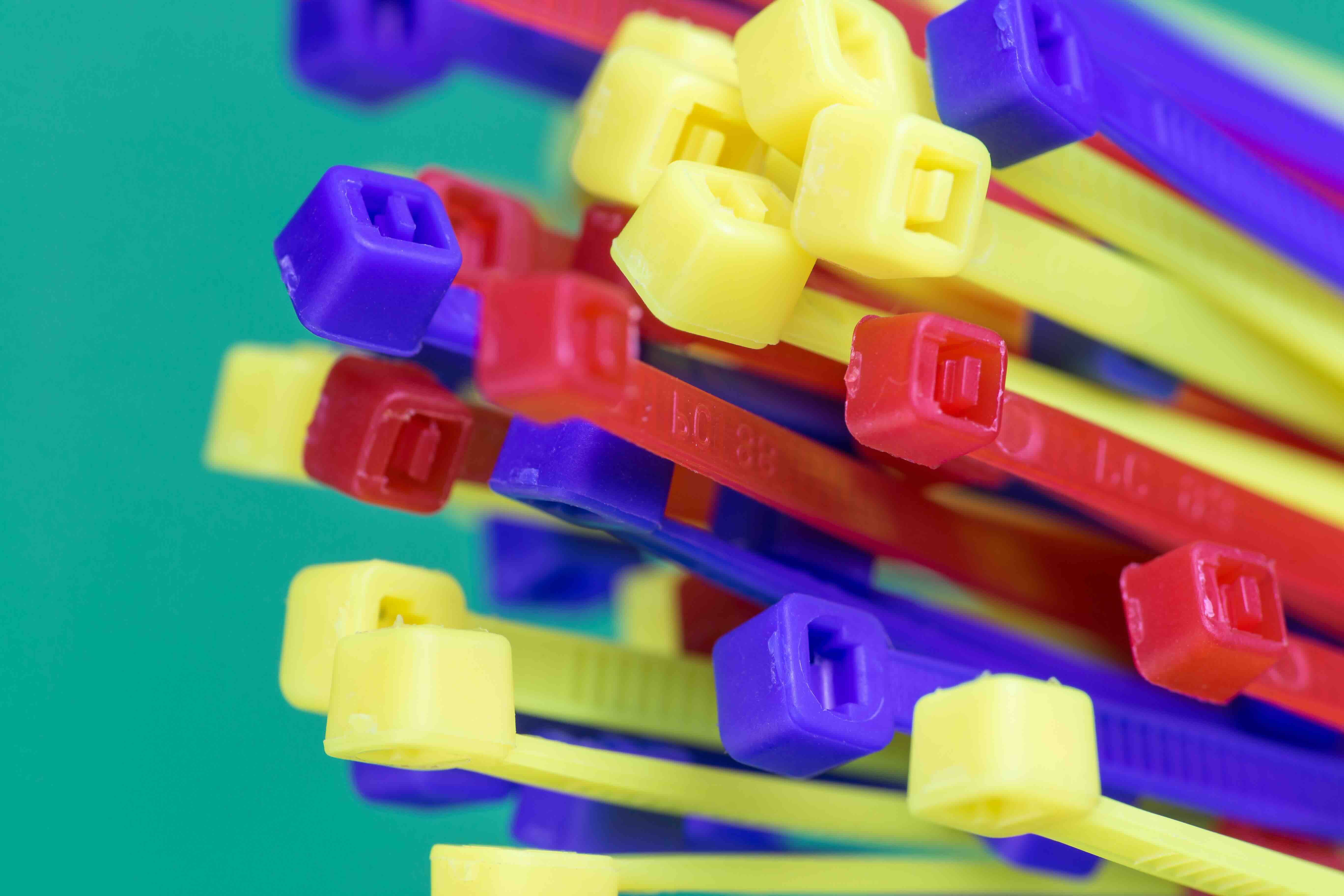
What Are Cable Ties and Why Do They Matter in Tech Infrastructure
Cable ties. You have probably seen them everywhere and maybe never thought twice about them. But if you work in IT, AV integration, data center management, or even just home networking, cable ties are quietly one of the most important organizational tools in your toolkit. They are small, yes, but the role they play in keeping infrastructure clean, safe, and functional is significant. A messy cable run is not just an eyesore. It creates airflow problems, makes troubleshooting a nightmare, and in dense rack environments, can actually introduce real risk. So let us get into what cable ties actually are, why sizing matters more than most people realize, and how to choose the right one for your specific setup.
Understanding Cable Tie Sizes and How They Are Measured
Cable ties are measured by two primary dimensions: length and width. Length determines how large a bundle the tie can wrap around, and width determines the strength and tensile rating of the tie. A standard small cable tie might measure around 4 inches in length and 0.1 inches in width, while larger heavy-duty variants can exceed 36 inches in length with widths pushing past 0.3 inches. The tensile strength, which is the amount of force the tie can hold before snapping, increases with width. For light-duty applications like bundling a few low-voltage signal cables behind a monitor, a thin 18-pound tensile strength tie works fine. For power cable management in a server room or outdoor conduit bundle, you want something rated at 50 pounds or higher. Getting this wrong leads to either wasted material or, worse, failed bundles mid-deployment.
Common Cable Tie Types Used in the Technology Industry
Not all cable ties are created equal, and the technology sector uses several distinct types depending on the environment and application. Here is a quick breakdown of the most common ones you will encounter:
- Standard nylon cable ties: The everyday workhorse. UV-stabilized versions are available for outdoor runs.
- Releasable cable ties: Allow repeated adjustments without cutting. Ideal during staging or temporary builds.
- Mounting head cable ties: Feature a built-in anchor point for attaching bundles to surfaces or panels.
- Metal detectable cable ties: Used in environments where accidental contamination must be traceable.
- Stainless steel cable ties: High-heat and corrosion-resistant, suited for industrial or outdoor electrical enclosures.
- Push mount cable ties: Integrate with panel knockouts for clean, inline routing in enclosures and rack builds.
For most IT and AV professionals, standard nylon and releasable ties cover the majority of use cases. But knowing the full range matters when you are speccing a complex installation.
How Cable Tie Length Affects Your Cable Management Strategy
This is where people make avoidable mistakes. Choosing the wrong length creates excess tail, awkward cinching angles, or worse, ties that cannot close properly because the bundle diameter exceeds what the tie accommodates. A 4-inch tie handles bundles up to roughly 0.75 inches in diameter. An 8-inch tie handles up to about 2 inches. Longer ties like 11 to 14-inch variants are suited for larger conduit groupings or dense cable harnesses in AV racks. The practical advice here is to measure your bundle diameter before selecting a tie length, then add buffer. It is more efficient to slightly oversize the tie than to use multiple smaller ties in series, which creates uneven tension and weak points in the bundle. In rack environments especially, consistent tie sizing across all cable runs makes the whole system look cleaner and perform better over time.
Key Advantages of Using the Right Cable Tie Size
Selecting the correctly sized cable tie is not a minor detail. It produces real, measurable benefits in professional environments. Consider what proper cable tie sizing actually delivers:
- Improved airflow in server racks and cable management trays, which directly impacts equipment thermals.
- Reduced strain on connectors and port interfaces when cables are bundled at correct tension.
- Faster troubleshooting since organized, consistently sized bundles are easier to trace and isolate.
- Longer cable lifespan because over-tightened or wrong-size ties can damage insulation over time.
- Cleaner installations that pass inspection and reflect professional workmanship standards.
These are not abstract benefits. In high-density deployments like data centers or enterprise AV builds, proper cable management translates to fewer service calls, less downtime, and more confidence from end clients.
Common Drawbacks and What to Watch Out For
Even something as simple as a cable tie has pitfalls. Over-tightening is probably the most frequent mistake, and it is especially problematic with Cat6 and fiber optic cables where jacket compression can degrade signal performance. Standard nylon ties are also single-use by default, so cutting them during a cable change means you need a fresh supply on hand. In outdoor or high-UV environments, untreated nylon degrades faster than expected, becoming brittle within a year or two depending on sun exposure. Temperature extremes matter too. Standard nylon handles a working range of roughly minus 40 to 185 degrees Fahrenheit, but specialized applications may push beyond that, requiring PTFE or stainless steel alternatives. And in cleanroom or food-adjacent tech environments, standard black ties are often non-compliant because they are not detectable if they break and fall into a controlled space. Know your environment before you standardize on a tie type.
How to Choose the Right Cable Tie for Your Technology Application
Start with environment. Indoor low-voltage work in a conditioned server room is completely different from an outdoor enclosure on a rooftop communications mast. Once you know the environment, determine your bundle diameter range, required tensile strength, and whether the installation is permanent or may need to be adjusted later. For structured cabling projects, a combination of 8-inch standard ties for main runs and 4-inch ties for patch panel dressing typically works well. For AV rack builds, releasable ties make staging and pre-show reconfiguration much faster. Always buy a few sizes larger than your estimated maximum bundle, because cable bundles grow during the life of an installation. Plan for that from the start and you will save yourself a full re-tie down the road.
Practical Tips for Cable Tie Installation in Professional Settings
A few habits make a noticeable difference. First, always cut the excess tail flush with the locking head using a proper flush-cut tool, not standard scissors. Leaving a sharp protruding tail is a safety hazard and looks unprofessional. Second, when working with delicate cables like fiber or thin signal wire, consider using Velcro-style wraps instead of nylon ties. They provide secure bundling without any compression risk. Third, stagger your tie placement along a cable run rather than grouping them too close together. Even spacing distributes tension across the bundle evenly and reduces the chance of insulation wear at stress points. Fourth, if you are color-coding your infrastructure, colored ties in standardized lengths are an underutilized organizational tool that makes zone identification immediate, even in low-light environments under a raised floor or behind a densely populated rack.
Why Monoprice Is the Right Source for Cable Ties and Cable Management Solutions
When you are building out infrastructure that needs to last, the supporting components matter just as much as the primary equipment. Monoprice has built a trusted reputation across both consumer and professional markets for delivering high-performance products at pricing that makes serious projects financially viable. Whether you are outfitting a single rack or standardizing cable management across a multi-site enterprise deployment, Monoprice provides the consistency, quality, and value that IT professionals and AV integrators depend on. The product catalog is deep, the specs are transparent, and the pricing reflects a commitment to making professional-grade tools accessible to everyone from independent contractors to large procurement teams. If you are ready to get organized and stay that way, explore the full range of professional cable management supplies and cable ties for structured cabling installations and see how much easier your next build can go when the fundamentals are handled right.
Frequently Asked Questions About Cable Tie Sizes and Technology Applications
What size cable tie should I use for Cat6 network cable bundles?
For standard Cat6 patch cable bundles, an 8-inch tie with a width of around 0.14 inches and a tensile strength of 40 to 50 pounds is appropriate. Avoid over-tightening, as compression can affect signal performance in high-frequency Ethernet applications.
Can I reuse cable ties after cutting them?
Standard nylon cable ties are single-use and should be discarded after cutting. If you anticipate needing to reopen or adjust a bundle regularly, use releasable cable ties, which can be unfastened and reused multiple times without cutting.
What is the difference between UV-resistant and standard nylon cable ties?
UV-resistant cable ties contain carbon black additives that protect against ultraviolet degradation. Standard nylon becomes brittle and fails faster when exposed to direct sunlight. Always use UV-rated ties for any outdoor installation or sun-exposed cable run.
How do I know what tensile strength I need?
Tensile strength should exceed the combined weight and tension of the cables in the bundle. For light-duty signal cables, 18 to 40 pounds is sufficient. For heavier power cable bundles or industrial applications, select ties rated at 50 pounds or higher.
Are cable ties safe to use on fiber optic cables?
Use caution. Standard nylon ties can be used on fiber if applied loosely and without cinching pressure. A better option is Velcro-style hook and loop cable wraps, which bundle fiber without any risk of jacket compression or bend radius violations.
What length cable tie works best for standard rack cable management?
For most rack builds, 8-inch ties cover the majority of use cases including patch panel dressing and mid-rack horizontal management. Use 4-inch ties for smaller bundles near port terminations and 11-inch or longer ties for dense vertical cable runs.
Why do some cable ties have mounting holes or anchor points?
Mounting head cable ties include an integrated eyelet or screw anchor that allows the bundle to be fastened directly to a panel, wall, or chassis. These are commonly used in structured cabling installations and equipment enclosures where routing the bundle at a fixed point is necessary.
What temperature range can standard cable ties handle?
Standard nylon 66 cable ties operate reliably between roughly minus 40 and 185 degrees Fahrenheit. For applications exceeding that range, such as near heat-generating industrial equipment or outdoor enclosures in extreme climates, consider stainless steel or PTFE cable ties instead.
How many cables can I bundle with one cable tie?
This depends on the tie length and individual cable diameter. The total bundle circumference must fit within the tie loop when cinched. As a practical guide, measure the bundle diameter first, then select a tie length that provides at least one inch of overlap past the locking head.
Is it bad practice to zip tie power cables and data cables together in the same bundle?
Yes, generally it is. Bundling power cables with low-voltage data or signal cables in the same tie creates potential for electromagnetic interference and may violate structured cabling standards like ANSI/TIA-568. Keep power and data runs separated and use distinct pathways wherever possible.


