

Bulk Wire Buying Guide: Types, Ratings & Installation Tips
What Is Bulk Wire and Why Does It Matter in Modern Tech Installations?
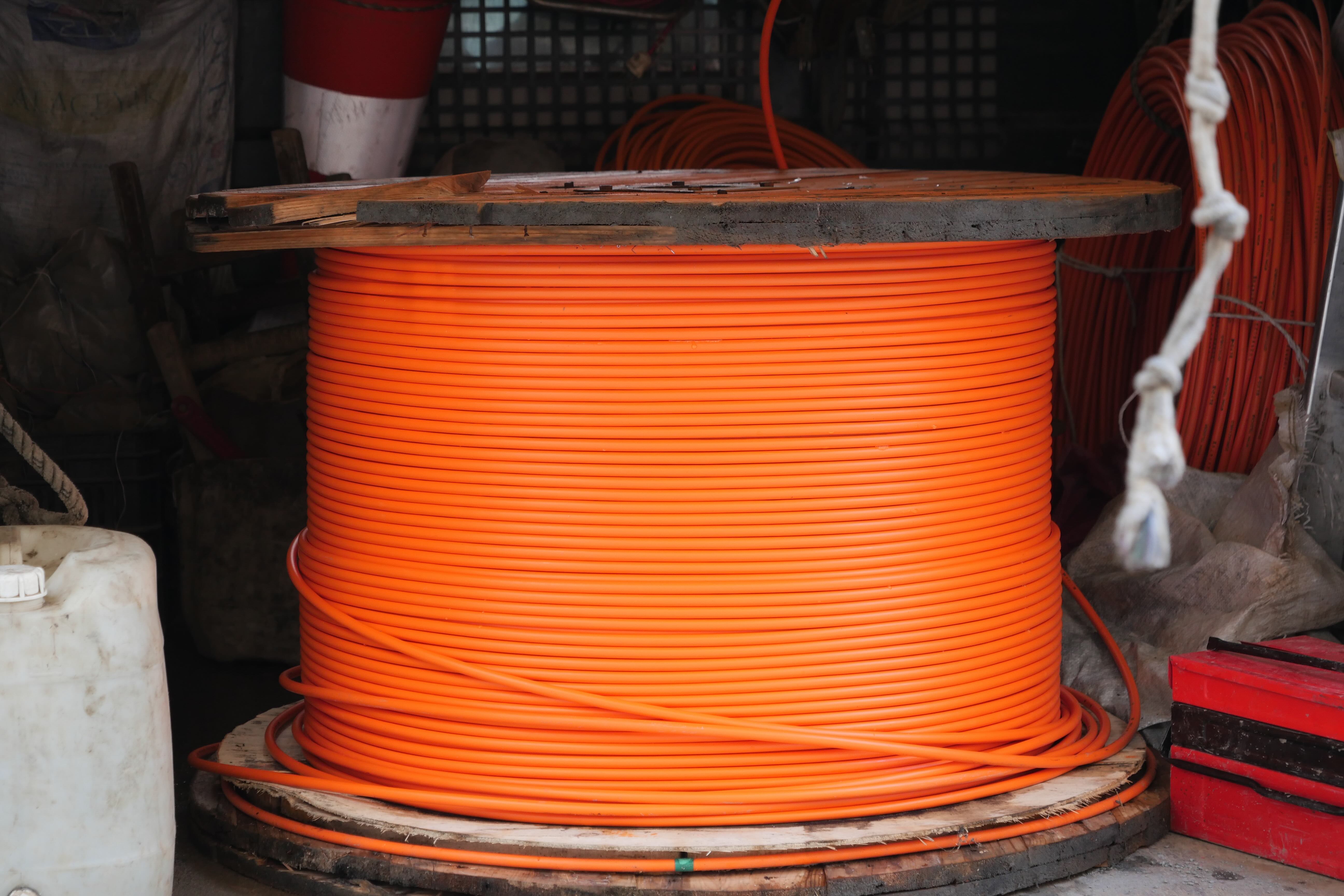
If you've ever pulled cable through a wall or tried to clean up a messy rack installation, you already know that the wire itself is kind of the unsung part of the whole setup. Bulk wire -- that is, wire sold by the foot or by the spool rather than as pre-terminated cables -- is the foundation of serious structured cabling projects. We're talking about everything from home theater installs to enterprise-grade network builds. Whether it's Cat6 Ethernet, speaker wire, coaxial, or low-voltage control cable, bulk wire gives installers, integrators, and even motivated DIY homeowners the flexibility to cut exactly what they need. No excess. No waste. Just the right run, the right length, terminated the way you want it. It sounds simple, and honestly it kind of is -- but the decisions you make here affect performance, reliability, and long-term cost more than most people realize going in.
Understanding the Different Types of Bulk Wire
This is where it gets a little technical, but stay with it -- the categories matter. Bulk wire isn't one thing. It's a broad term that covers several distinct product families, each engineered for a different purpose. Ethernet categories like Cat5e, Cat6, Cat6A, and Cat8 are probably the most recognizable for IT and networking work. Then there's speaker wire, which is typically sold in gauges like 16 AWG or 14 AWG and used heavily in audio distribution. Coaxial cable -- think RG6 or RG59 -- handles RF signals and is still widely used for antenna, satellite, and CCTV runs. And HDMI bulk cable exists too, though it's a more specialized product suited for longer custom in-wall runs. Each of these has construction variations as well: plenum-rated versus riser-rated, shielded versus unshielded, solid conductor versus stranded. Those distinctions aren't just spec-sheet jargon. They directly determine where the cable can be legally installed and how it performs under real-world conditions.
Plenum vs. Riser vs. Direct Burial: What the Ratings Actually Mean
This comes up constantly in installation projects and it's worth getting right the first time. Plenum-rated cable is designed for use in air-handling spaces -- the areas above drop ceilings or below raised floors where HVAC air circulates. The jacket material is low-smoke and flame-retardant, which is a building code requirement in those environments. Riser-rated cable runs between floors in vertical shafts and is also flame-retardant, though not to the same standard as plenum. Direct burial cable is gel-filled or otherwise sealed to resist moisture when run underground. Using the wrong type in the wrong environment isn't just a code violation -- it's a safety issue. So this is one of those things where you really want to check local building codes before you start pulling. Plenum cable does cost more, and that's just the reality of the material and compliance requirements, but it's the right call when the application demands it.
Key Advantages of Buying Bulk Wire Instead of Pre-Made Cables
The case for going bulk over pre-terminated patch cables is pretty strong once you think through the logistics. Here's what it comes down to in practical terms:
- Custom run lengths mean zero cable bunching and significantly cleaner installations
- Cost per foot is dramatically lower when purchasing in 500-foot or 1,000-foot spools
- Terminations can be matched exactly to the connector type needed for each endpoint
- Easier to meet code compliance since you're selecting the right jacket rating from the start
- Reduces trip hazards, airflow restrictions, and rack congestion in professional environments
- Bulk purchasing is highly cost-effective for contractors and integrators managing multiple job sites
For anyone doing more than a handful of runs, those points add up fast. The upfront investment in a spool and proper termination tools pays for itself quickly, especially when you're managing dozens or even hundreds of drops.
Common Drawbacks and Things to Watch Out For
Alright, so it's not all seamless. There are legitimate considerations here. First, bulk wire requires termination -- either keystone jacks, RJ45 connectors, banana plugs, or whatever the application calls for -- and that means you need the right crimping tools, punch-down tools, and some degree of skill. Improper terminations are a real source of performance issues, and they're also one of the harder things to troubleshoot after the fact. Second, not all bulk cable is the same quality. Conductor purity, jacket consistency, and pair twisting density vary between manufacturers, and budget cable from unverified sources can introduce signal loss or interference problems that won't show up until the system is under load. Third, managing a 1,000-foot spool in a tight crawl space or conduit pull is genuinely awkward. These are manageable challenges, but they are real ones worth accounting for in project planning.
How to Choose the Right Bulk Wire for Your Project
Matching wire to application starts with a few core questions. What signal type is being carried -- data, audio, video, or control? What's the distance of the run? What environment will the cable be installed in -- open air, conduit, plenum, or direct burial? And what performance level is actually required? For a basic home network, Cat6 unshielded is usually fine. For a high-density office environment near lots of electrical interference, Cat6A shielded starts to make real sense. For in-wall speaker distribution, 16 AWG is a solid general choice, but 14 AWG handles longer runs and higher power loads better. It's also worth thinking about future-proofing -- pulling a slightly higher-spec cable once is almost always smarter than re-pulling later when requirements change.
Installation Tips That Save Time and Prevent Problems
A few things that genuinely make a difference out in the field. Label every run before you terminate -- both ends, immediately. It sounds obvious but it's easy to skip when you're moving fast and it creates real headaches later. Use a cable puller or fish tape with a proper swivel to avoid kinking runs, especially in conduit. Don't exceed the cable's bend radius, particularly with Cat6A which is stiffer than most people expect. Keep data runs separated from electrical runs by at least a few inches to minimize interference. And test every run with a cable certifier or at minimum a basic toner and continuity tester before closing up walls. Finding a termination problem before drywall goes up is a minor inconvenience. Finding it after is a significantly bigger issue.
Bulk Wire in Enterprise and Commercial Settings
At scale, the economics and logistics of bulk wire really show their strength. IT departments managing large office deployments, AV integrators handling multi-room commercial installs, and contractors working on new construction all rely on bulk spools as a core part of their supply chain. The ability to standardize on a single cable specification across an entire building and terminate to exact lengths keeps infrastructure organized and reduces the long-term maintenance burden. For B2B buyers, having a reliable supplier relationship for consistent-quality bulk cable is genuinely strategic -- not just a purchasing convenience. Inconsistent cable quality across a large install is the kind of thing that shows up months later as intermittent connectivity issues, and those are expensive to diagnose and fix.
Why Monoprice Is the Smart Choice for Bulk Wire and Cabling Solutions
There are a lot of options when it comes to sourcing bulk wire, but not all of them hold up when you actually look at quality, availability, and pricing together. Monoprice has spent years building a reputation as a trusted source for installers, integrators, IT professionals, and serious DIY buyers who need reliable performance without paying inflated prices for a name. The product range covers Cat5e, Cat6, Cat6A, speaker wire, coaxial, and specialty cables across multiple jacket ratings -- plenum, riser, and direct burial -- so you can spec the right product for the right environment without compromising. Whether you're outfitting a single home office or sourcing cable for a commercial deployment, you can find high-performance bulk wire and structured cabling solutions at value-driven prices from Monoprice that align with both performance requirements and budget realities. The confidence that comes from working with a supplier who understands what installers actually need -- not just what looks good on a spec sheet -- makes a real difference in the field.
Frequently Asked Questions About Bulk Wire
What is bulk wire used for?
Bulk wire is used for structured cabling installations where custom run lengths are needed. Common applications include network cabling, in-wall speaker distribution, CCTV and coaxial runs, and low-voltage control wiring in residential, commercial, and enterprise environments.
What is the difference between plenum and riser bulk cable?
Plenum cable is designed for installation in air-handling spaces like HVAC plenums and has a low-smoke, flame-retardant jacket that meets specific fire code requirements. Riser cable is used in vertical shaft runs between floors and is also flame-retardant but held to a different standard than plenum. Using the wrong type can violate building codes.
Is Cat6 or Cat6A better for my installation?
Cat6 supports up to 10 Gbps at shorter distances and is suitable for most residential and small business applications. Cat6A supports 10 Gbps at full 328-foot runs and offers better shielding against interference, making it the better choice for high-density commercial or enterprise environments.
Do I need special tools to terminate bulk Ethernet cable?
Yes. Terminating bulk Ethernet cable requires a crimping tool for RJ45 connectors or a punch-down tool for keystone jacks, depending on the termination method. A cable tester is also strongly recommended to verify every run after termination.
What gauge speaker wire should I use for in-wall installations?
For most in-wall speaker runs under 50 feet, 16 AWG is adequate. For longer runs or systems driving speakers at higher power levels, 14 AWG provides lower resistance and better signal integrity. In-wall speaker wire should also be rated for in-wall use with an appropriate jacket.
Can I use outdoor-rated bulk cable indoors?
Outdoor or direct burial cable can technically be used indoors in some scenarios, but it may not meet the fire rating requirements for indoor installation in plenum or riser spaces. Always verify that the cable jacket rating matches the installation environment and complies with local building codes.
How much bulk cable should I purchase for a typical home network installation?
A standard home network installation covering a 2,000 to 3,000 square foot home typically requires between 500 and 1,000 feet of Cat6 cable, depending on the number of drops and the routing paths. Purchasing a 1,000-foot spool is often the most cost-effective approach and ensures you have enough for future additions.
What is the maximum run length for Cat6 Ethernet cable?
The maximum recommended run length for Cat6 Ethernet cable in a standard network application is 328 feet, or 100 meters. Exceeding this distance can result in signal degradation and reduced network performance. For longer runs, fiber optic cable or network switches should be considered.
Is shielded bulk cable necessary for most installations?
Shielded cable is most beneficial in environments with high levels of electromagnetic interference, such as near industrial equipment, large electrical conduit runs, or dense wireless environments. For typical residential and standard office installations, unshielded twisted pair cable is generally sufficient and easier to work with.
What is the difference between solid and stranded conductor bulk wire?
Solid conductor wire is better suited for fixed, permanent installations like in-wall and structured cabling runs because it maintains signal integrity over distance. Stranded conductor wire is more flexible and better for shorter patch runs or applications where the cable will be moved or flexed regularly. Using the wrong type can affect performance and connector compatibility.


