

Biscuit Jack RJ45: Surface Mount Networking Made Simple
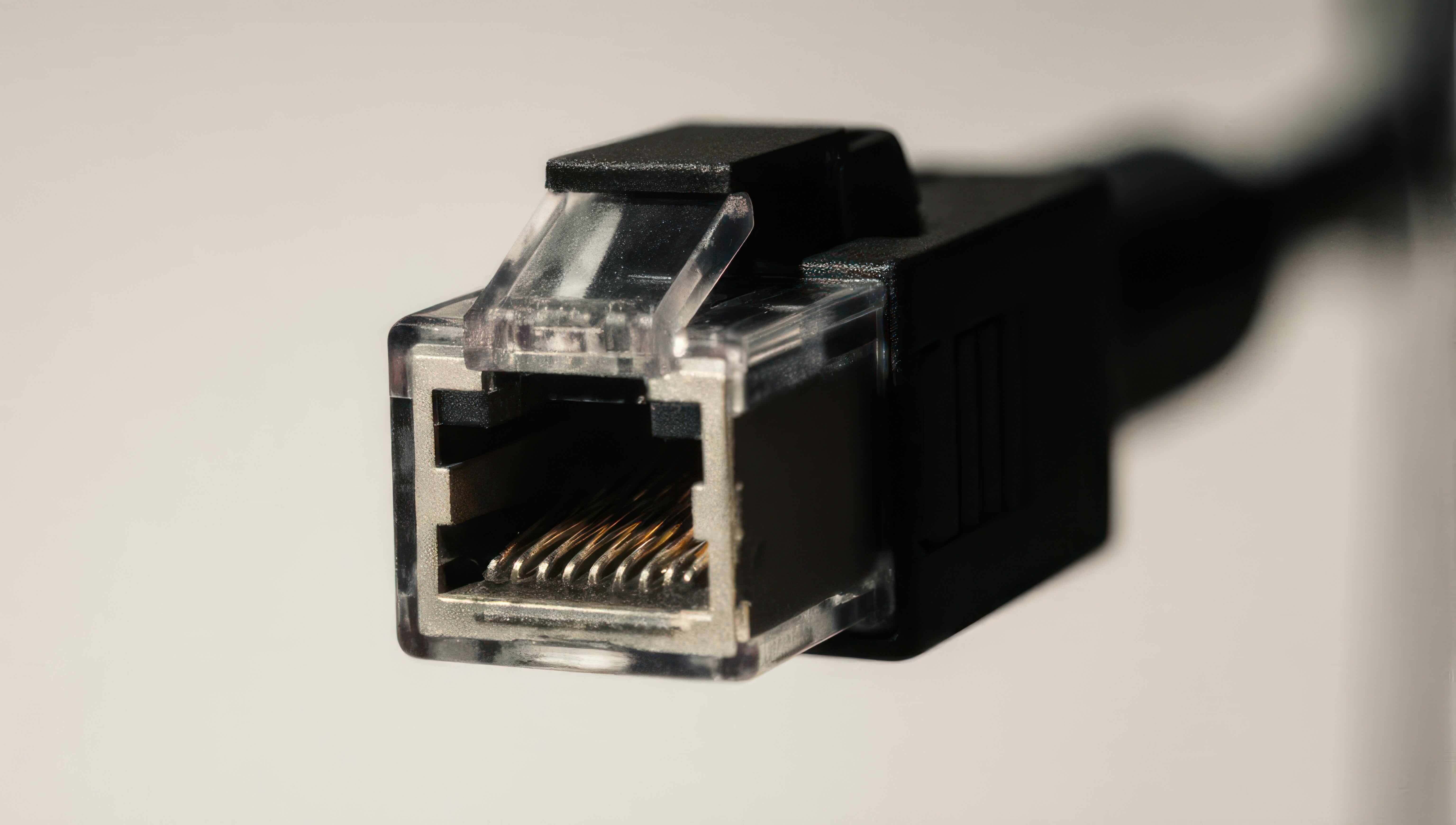
What Is a Biscuit Jack RJ45 and Why Does It Matter for Your Network?
If you have ever looked at a wall plate or patch panel installation and thought there had to be a simpler way to terminate Ethernet cables without a full punch-down block setup, you have already stumbled into the territory where biscuit jacks live. A biscuit jack RJ45, sometimes called a surface mount jack or keystone surface box, is a compact, self-contained housing that accepts a standard keystone RJ45 insert and mounts directly to a wall or surface without requiring a traditional wall plate cutout. It is a small thing, honestly. But the impact it has on clean, flexible network installations is genuinely significant -- particularly in spaces where running cable through walls is either impractical or just not worth the effort.
How a Biscuit Jack RJ45 Actually Works
The mechanics here are straightforward. A biscuit jack is essentially a two-piece plastic housing -- a base and a cover -- that snaps together to secure a keystone RJ45 module inside. The Ethernet cable enters through a port or cutout in the back or side of the housing, and the individual wire pairs are terminated onto the keystone jack using a punch-down tool, following either T568A or T568B wiring standards. Once the keystone is seated in the biscuit jack body, the cover clicks into place and the entire unit can be screwed or adhered flat against any surface. The front-facing port accepts a standard RJ45 patch cable, completing the connection. No drywall work. No wall box installation. Just a clean, finished termination point mounted wherever the cable run ends.
Key Applications and Where Biscuit Jacks Get Used Most
These are used constantly in commercial environments, home offices, retail installations, and anywhere a structured cabling run needs a neat endpoint without a full wall plate setup. Think exposed brick walls, concrete, wood panels, or modular office partitions -- situations where cutting a rectangular hole and installing a mud ring simply is not realistic. They are also popular in home theater setups where cable management matters but wall fishing is not on the table. A few common installation scenarios include:
- Offices needing quick desktop or baseboard-level Ethernet drops
- Home lab setups with exposed cable runs along baseboards or cable trays
- Retail environments where cables are routed along wall surfaces
- Temporary or semi-permanent network deployments in event spaces
- Classrooms and conference rooms requiring accessible data ports without construction
Advantages of Using Biscuit Jack RJ45 Connectors
There is a lot to like here, especially if you are an installer or IT professional who values speed and flexibility. First, installation time drops considerably compared to traditional wall plate methods. You do not need to cut drywall, install a back box, or pull cable through studs. Second, biscuit jacks are repositionable -- if the network layout changes, relocating a termination point is far less disruptive than pulling out a wall plate. Third, they support full keystone compatibility, which means you can swap in Cat5e, Cat6, or Cat6A keystone modules depending on your performance requirements without changing the housing. Aesthetically, a well-installed biscuit jack looks intentional and professional, not like a temporary fix. They fit naturally into surface-mounted cable trunking systems too, which makes them a go-to choice for clean, structured deployments in hard-surface environments.
Common Drawbacks Worth Knowing Before You Buy
Nothing is perfect, and biscuit jacks come with a few trade-offs worth understanding. Because they sit on the surface of a wall rather than recessed into it, they do protrude slightly -- usually not enough to be disruptive, but it is something to consider in high-traffic areas where physical contact with the jack is likely. They are also not ideal in environments where a flush, seamless finish is required, such as in upscale residential installations or commercial spaces with strict aesthetic standards. The exposed cable entry can also be a vulnerability if the installation is not managed with proper cable strain relief and trunking. And while biscuit jacks work with standard keystone modules, the housing itself is somewhat fixed in size, so fitting oversized or specialty keystones may not always work cleanly depending on the brand and form factor.
Biscuit Jack vs. Standard Wall Plate: Which One Should You Use?
The honest answer is that both have a place, and experienced installers keep both on hand. Standard wall plates with back boxes are the better choice when the cable is already running inside the wall, when aesthetics are a top priority, or when the installation is permanent and final. Biscuit jacks win when surface mounting is the only viable option, when speed of deployment matters, or when flexibility to relocate drops later is important. In commercial IT deployments especially, biscuit jacks are a legitimate professional-grade solution -- not a workaround. They are specified in structured cabling designs and used by network integrators on real enterprise jobs every day.
What to Look for When Choosing a Biscuit Jack RJ45
Not all biscuit jacks are built the same. A few specifications and features make a meaningful difference in both performance and longevity. Pay attention to the following when evaluating options:
- Keystone compatibility: Confirm the housing accepts standard 568-compliant keystone modules
- Material quality: Look for impact-resistant plastic that holds up under regular cable plug and unplug cycles
- Cable entry options: Rear, side, and bottom entry options offer flexibility for different routing paths
- Mounting hardware: Units that include screws and adhesive backing give you more installation options
- Color options: White, black, and ivory variants help match existing infrastructure finishes
- Category rating: While the housing itself is passive, pair it with a keystone rated for your target performance tier, whether that is Cat5e, Cat6, or Cat6A
Installation Tips for a Clean, Professional Result
Even a simple installation benefits from a few best practices. Always leave enough slack in the cable before terminating into the keystone -- a few extra inches inside the housing prevents strain on the termination under repeated use. Use a dedicated punch-down tool rather than improvising with a screwdriver; it ensures proper seating of each conductor and prevents the IDC contacts from being damaged. Verify your wiring standard before punching down, T568B is the most common in North American commercial installations, but consistency with your existing infrastructure matters more than which standard you pick. Secure the cable to the surface before it enters the jack using cable clips or a trunking system -- this keeps the installation looking intentional and protects the termination from mechanical stress over time. Finally, always test the finished run with a cable tester to confirm continuity and proper pinout before calling the job complete.
Why Monoprice Is the Right Source for Your Biscuit Jack and Network Cabling Needs
When you are speccing out a network installation, the last thing you want is to compromise on component quality at the termination point -- that is exactly where problems show up later. Monoprice has been a trusted name in structured cabling and network infrastructure for years, offering professional-grade products at pricing that makes sense for both individual installers and large-scale enterprise deployments. If you are looking for reliable RJ45 biscuit jacks, keystone modules, patch cables, and everything else needed for a complete Cat6 or Cat6A network installation, browsing the full range of RJ45 biscuit jacks and professional network infrastructure solutions at Monoprice is a smart starting point. The catalog is built for real-world installation needs, backed by warranties that reflect genuine confidence in product quality, and priced so that doing the job right does not mean overspending to get there.
Frequently Asked Questions About Biscuit Jack RJ45
What is a biscuit jack RJ45 used for?
A biscuit jack RJ45 is a surface-mount housing that holds a keystone RJ45 module, providing a finished Ethernet connection point on any flat surface without requiring wall cutouts or back boxes.
Is a biscuit jack the same as a keystone jack?
No. A keystone jack is the internal module that terminates the Ethernet cable and accepts the RJ45 plug. A biscuit jack is the outer housing that holds the keystone module and mounts to a surface.
What Ethernet categories are compatible with biscuit jacks?
Biscuit jack housings are passive and compatible with any standard keystone module. You can use them with Cat5e, Cat6, or Cat6A keystone inserts depending on your performance requirements.
Do I need a punch-down tool to install a biscuit jack?
Yes. To properly terminate the Ethernet cable conductors onto the keystone module inside the biscuit jack, a punch-down tool is the correct and recommended method for reliable electrical contact.
Can I use a biscuit jack for gigabit or 10-gigabit Ethernet?
Yes, provided you pair the biscuit jack housing with an appropriate keystone module rated for the target performance tier. A Cat6A keystone module in a biscuit jack housing supports 10-gigabit Ethernet up to 100 meters.
How is a biscuit jack mounted to a wall?
Most biscuit jacks include screw mounting holes for attaching directly to drywall, wood, or concrete with appropriate anchors. Some models also support adhesive mounting for surfaces where screws are not preferred.
What wiring standard should I use when terminating a biscuit jack?
T568B is the most common wiring standard used in North American commercial installations. T568A is also fully acceptable. The most important factor is using the same standard consistently throughout your entire cabling infrastructure.
Are biscuit jacks suitable for outdoor use?
Standard biscuit jacks are designed for indoor environments. For outdoor or high-humidity installations, look for housings specifically rated for environmental exposure and pair them with shielded or outdoor-rated keystone modules.
Can a biscuit jack affect network performance?
The housing itself is passive and does not affect signal performance. However, improper termination of the keystone module inside the jack, such as untwisting too much of the wire pair, can degrade performance, particularly at higher frequencies.
How many ports can a biscuit jack accommodate?
Most biscuit jacks are single-port, housing one keystone module. Dual-port biscuit jack variants are also available and useful when two Ethernet drops or a combination of Ethernet and other keystone formats are needed at the same location.


