

Balanced Audio Cables: What They Are and Why They Matter
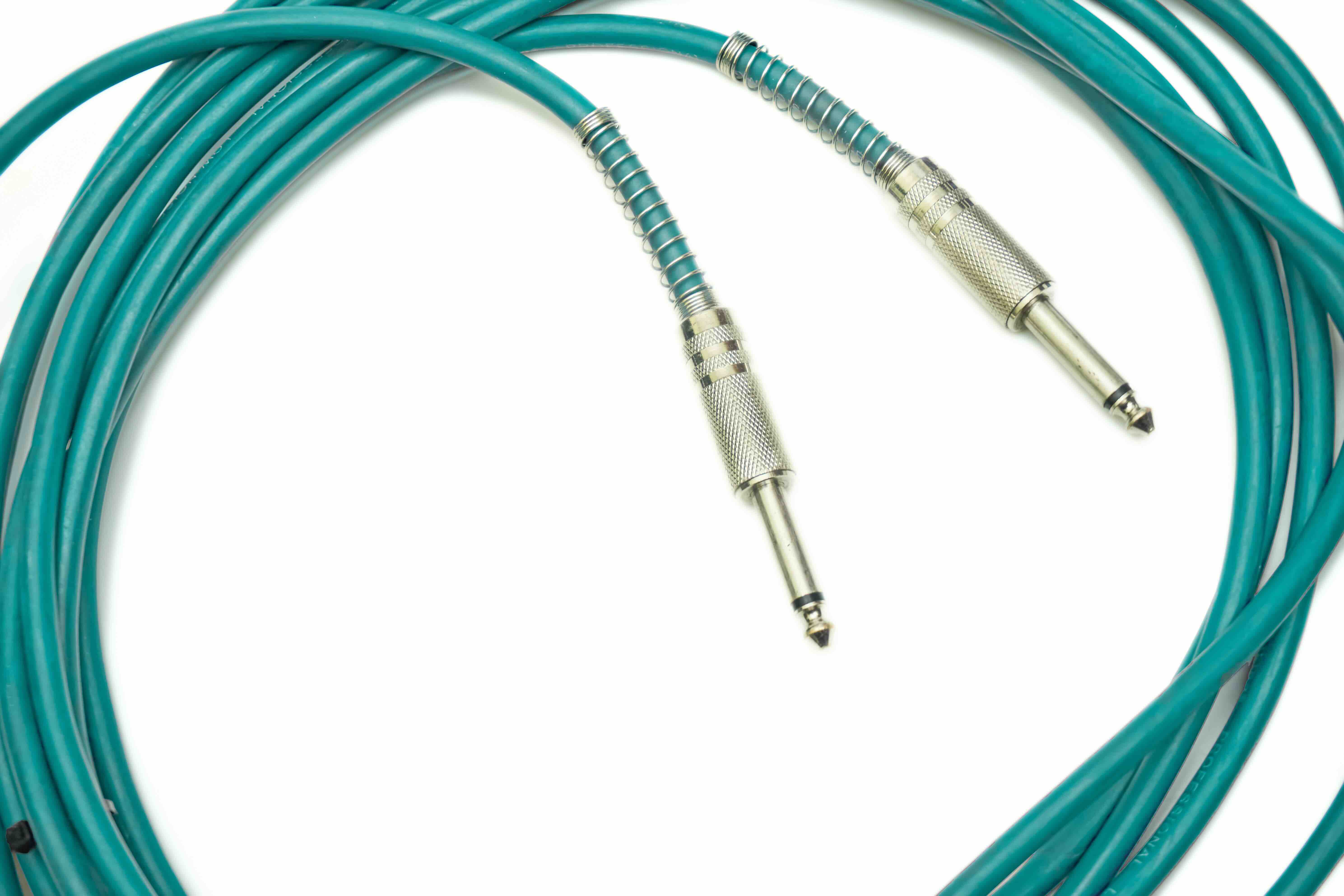
What Is a Balanced Audio Cable and Why Does It Matter for Your Setup
If you have spent any time around recording studios, live sound environments, or professional AV installations, you have probably heard the term balanced audio thrown around. And if you are newer to the space, it can feel like one of those concepts that sounds more complicated than it actually is. Here is the thing though: understanding balanced audio cables is genuinely useful information, whether you are wiring up a small home studio, running cables through a conference room, or managing a larger installation. It affects signal quality in ways that are immediately noticeable once you know what to listen for. So let us break it down from the ground up, keep it practical, and figure out whether balanced cables belong in your setup or not.
What Exactly Is a Balanced Audio Cable
A balanced audio cable carries an audio signal using three conductors: a positive signal, a negative signal, and a ground. What makes it interesting is that the negative conductor carries an inverted version of the same audio signal. When both signals reach the receiving device, the equipment flips the negative signal back to its original polarity and combines it with the positive signal. Any noise that was introduced along the way gets cancelled out in that process because the noise affected both conductors equally and cancels when the signals are combined. This technique is called common mode rejection, and it is genuinely one of the more elegant solutions in audio engineering. The connectors typically used are XLR connectors and TRS quarter-inch connectors, both of which are familiar sights in professional audio environments.
How Balanced Cables Differ From Unbalanced Cables
Unbalanced cables use just two conductors: one for the signal and one for ground. That is the design behind your standard RCA cable or a TS quarter-inch cable. Works fine for short runs, low-noise environments, or consumer-grade gear. The problem shows up when cable runs get long or when electromagnetic interference enters the picture from lighting rigs, power cables running parallel to audio lines, HVAC systems, or wireless equipment nearby. With an unbalanced cable, that noise has nowhere to go and it rides straight through to your output. Balanced cables eliminate that vulnerability almost entirely. The practical difference over a twenty-foot or fifty-foot cable run in a real-world install is not subtle. It is often the difference between a clean, professional signal and an audible hum that takes twenty minutes to troubleshoot at the worst possible time.
Key Advantages of Using Balanced Audio Cables
There are several reasons professional audio environments rely on balanced wiring as a default standard rather than an upgrade.
- Noise rejection across long cable runs
- Consistent signal integrity in electrically noisy environments
- Compatibility with professional mixing consoles, preamps, and outboard gear
- Lower signal degradation over distances of fifty feet or more
- Cleaner signal path in broadcast, live sound, and studio recording contexts
- Reduced troubleshooting time during installs and live events
These advantages are not theoretical. In a conference room with overhead lighting, HVAC equipment, and multiple displays running, balanced wiring is often the only way to maintain clean audio without constant interference management. For home studio use, it becomes particularly relevant once you move beyond desktop monitoring and start connecting multiple pieces of outboard gear or routing through an audio interface and patchbay.
Common Drawbacks and Limitations to Know About
Balanced cables are not a universal fix for every situation, and there are a few honest tradeoffs worth knowing before you start rewiring everything. First, balanced connections require that both the source and destination devices actually support balanced operation. If your equipment only has unbalanced inputs and outputs, using a balanced cable does not automatically provide the noise rejection benefit. The circuitry on both ends has to be designed for it. Second, XLR and TRS connectors add cost compared to basic unbalanced options, and for very short cable runs in a clean environment, the difference in performance may be imperceptible. Third, converting between balanced and unbalanced systems in a mixed environment introduces its own complexity and sometimes requires direct boxes or impedance matching transformers to avoid level mismatches or ground loop issues.
When You Should Use Balanced Audio Cables
The honest answer is: more often than most people do, especially in professional or semi-professional contexts. Any cable run longer than about fifteen feet should default to balanced if the equipment supports it. Live sound reinforcement almost always demands balanced wiring throughout the signal chain. Recording studios use balanced connections between interfaces, preamps, compressors, equalizers, and monitors. Corporate AV installs with ceiling microphones, DSP units, and ceiling speakers across large spaces absolutely depend on balanced infrastructure. Home users running a streaming setup or podcast workspace with a quality audio interface will benefit from XLR connections to microphones over long USB extenders in electrically busy rooms. The situations where unbalanced cables make more sense are generally desktop setups with short cable runs, consumer electronics connections, and instrument-to-amp connections where high-impedance signals are expected.
Choosing the Right Balanced Cable for Your Application
Not every balanced cable performs the same. Build quality, conductor material, shielding type, and connector construction all affect long-term reliability and signal integrity. For professional installs, look for cables with oxygen-free copper conductors, high-coverage braided or foil shielding, and durable strain relief at the connectors. XLR cables are the go-to choice for microphone and line-level balanced connections in most professional environments. TRS cables serve well in balanced stereo applications and in studio patchbay setups. For installations requiring custom lengths or in-wall routing, bulk cable with proper professional-grade terminations is the smarter, more cost-effective approach over pre-made consumer options. Getting the shielding right matters more than most people expect, particularly in commercial installs where cables run near power conduits or through dense cable management trays.
Balanced Audio in Modern AV Integration and Smart Systems
As AV systems become more integrated with networked audio, room automation, and DSP-driven distribution, balanced audio remains a foundational layer of that infrastructure. Dante and AoIP network audio systems still rely on balanced analog connections at the edge of the system where microphones, amplifiers, and speakers interface with the network. Conference room systems using ceiling microphone arrays feed balanced XLR outputs into DSP processors. Installed sound systems in houses of worship, educational institutions, and corporate campuses continue to run balanced analog as the backbone regardless of how sophisticated the control layer becomes. Understanding balanced cabling is not dated knowledge. It is still the most relevant practical skill set in professional AV wiring.
Practical Tips Before You Buy or Wire
A few things worth keeping in mind before you order cable or start an install.
- Verify that both source and destination devices have balanced inputs and outputs before specifying balanced cabling
- Match connector types to your equipment: XLR for mic-level and line-level balanced connections, TRS for balanced stereo or patchbay use
- Use appropriate cable gauge for longer runs to minimize resistance and maintain signal strength
- Label both ends of every cable during installation to save time during troubleshooting
- Do not mix balanced and unbalanced connections in the same signal chain without proper impedance matching
- Invest in quality connectors, because connector failure is one of the most common causes of audio issues in any installation
Why Monoprice Is a Smart Choice for Balanced Audio Cables and Professional AV Wiring Needs
When it comes to outfitting a studio, conference room, live sound rig, or any professional AV installation with reliable balanced audio cabling, quality and cost both matter. Monoprice has built a reputation for delivering exactly that combination, offering professional-grade cables with the construction standards that integrators and AV professionals depend on, without the inflated pricing that typically comes from brand-name markup. Whether you are sourcing XLR cables by the foot, buying pre-made balanced TRS cables in bulk, or speccing out a full installation, the product depth and quality consistency available through professional balanced XLR and TRS audio cables for AV installations makes the sourcing decision straightforward. Monoprice is a practical, value-driven partner for the kind of work that demands reliability at every connection point, and that is exactly the kind of sourcing relationship that makes professional installs run smoother from the first pull to final walkthrough.
Frequently Asked Questions About Balanced Audio Cables
What is the difference between a balanced and unbalanced audio cable?
A balanced cable uses three conductors to carry a positive signal, a negative inverted signal, and a ground, which allows the receiving device to cancel out noise picked up along the cable run. An unbalanced cable uses only two conductors and has no built-in noise rejection mechanism.
Does using a balanced cable automatically eliminate noise?
Not automatically. Both the source and destination devices must support balanced connections for common mode noise rejection to work. If one end of the cable connects to an unbalanced device, you lose the noise cancellation benefit.
What connectors are used for balanced audio cables?
The most common connectors for balanced audio are three-pin XLR connectors and TRS quarter-inch connectors. XLR is standard for microphones and line-level balanced connections, while TRS is commonly used in studio patchbays and balanced stereo applications.
How long can a balanced cable run before signal quality degrades?
Balanced cables can run reliably for hundreds of feet in professional installations, which is one of their primary advantages over unbalanced cables. Signal integrity remains consistent across long runs as long as quality cable and connectors are used.
Can I use a balanced cable with unbalanced equipment?
Yes, but the noise rejection benefit will not apply. Connecting a balanced cable to an unbalanced input or output simply means the system will operate in unbalanced mode. In some cases a direct box or impedance matching transformer is needed to prevent level mismatches.
What is common mode rejection and why does it matter?
Common mode rejection is the process by which a balanced audio system cancels out noise that was introduced equally on both signal conductors during transit. It is the core technical reason balanced cables perform so well in electrically noisy environments.
Are XLR cables always balanced?
Three-pin XLR cables used for audio are typically balanced, yes. However, XLR connectors are also used in other applications like DMX lighting control, so context matters. In standard professional audio applications, a three-pin XLR cable carries a balanced signal.
When does it make sense to use unbalanced cables instead of balanced?
Unbalanced cables work well for short runs in clean, low-noise environments, for connecting consumer electronics, and for instrument-to-amplifier connections where high-impedance signals are the norm. If the run is under fifteen feet and interference is not a concern, unbalanced connections are often sufficient.
Do balanced cables improve audio quality beyond just reducing noise?
The primary improvement is noise rejection rather than a change in tonal quality. However, because noise and interference are removed from the signal path, the perceived audio quality is often noticeably cleaner and more accurate, especially over long cable runs.
What should I look for when buying balanced audio cables for a professional install?
Focus on oxygen-free copper conductors, high-coverage shielding such as braided or foil construction, solid strain relief at the connectors, and connector build quality. For large installs, buying bulk cable and terminating on-site with quality connectors is usually more cost-effective and reliable than using multiple pre-made cables.


