

AC Power Cables Explained: Grounding, Types, and Uses
What Is an AC Power Cable and Why Does It Matter in the Tech World
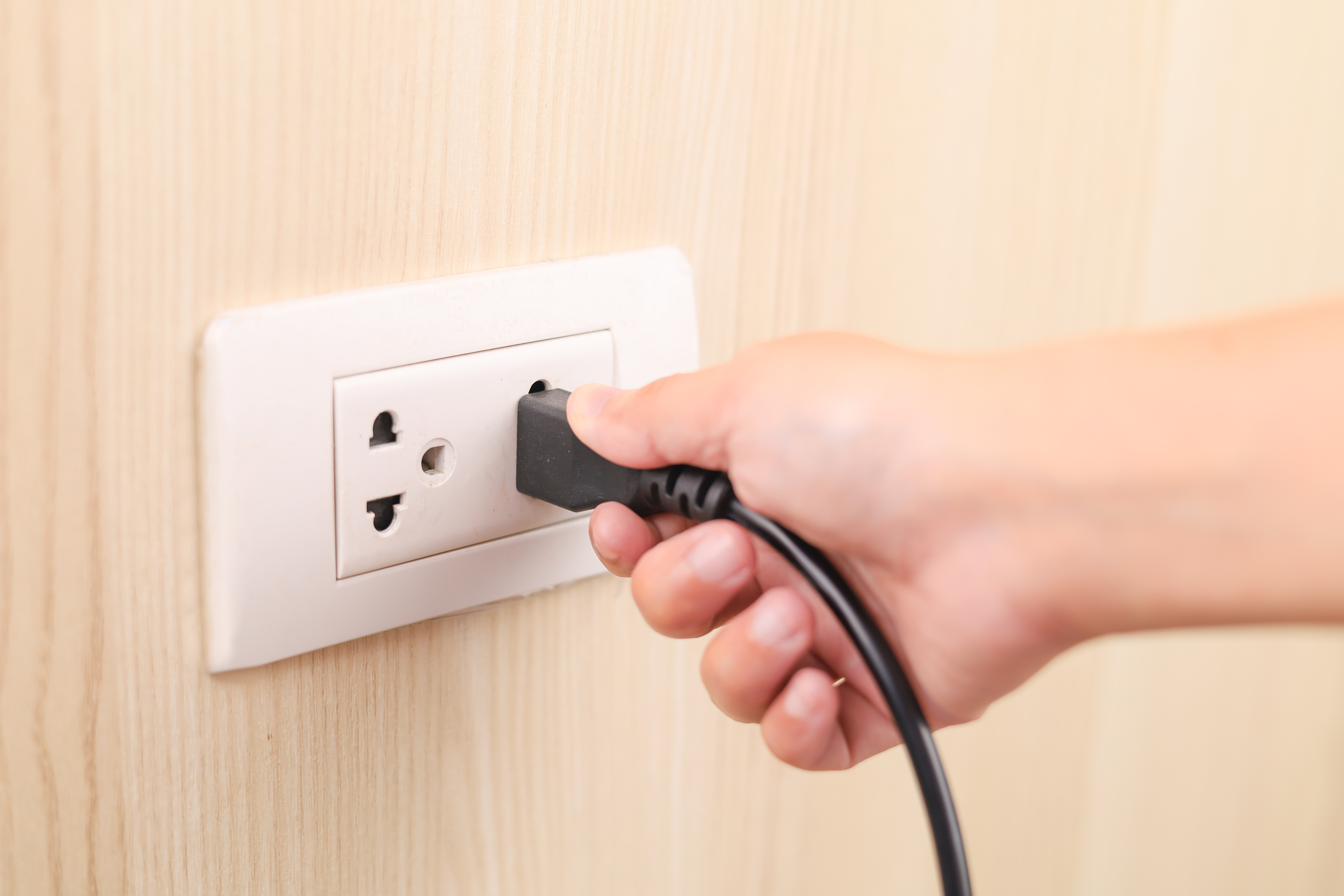
If you have ever plugged a computer, monitor, server rack, or AV device into a wall outlet, you have already used an AC power cable. Most people never think twice about it, which is kind of funny when you consider how fundamental these cables actually are. An AC power cable, short for alternating current power cable, is the physical connection that delivers electrical power from a wall outlet or power distribution unit to a piece of electronic equipment. It sounds basic, but the specs, connectors, and grounding configurations behind these cables vary quite a bit, and getting the right one for the right application genuinely matters, especially in professional and commercial environments.
How AC Power Cables Actually Work
Alternating current is the type of electricity delivered through standard wall outlets in homes and commercial buildings. Unlike direct current, which flows in one direction, alternating current cycles back and forth, typically at 60 Hz in North America and 50 Hz in much of the rest of the world. An AC power cable transfers this electricity from the source to the device. It does so through two or three internal conductors: a hot wire that carries the live current, a neutral wire that completes the circuit, and in many cases, a ground wire. The cable itself is rated for a specific voltage and amperage, and choosing a cable that does not match the demands of your equipment is where things can go wrong.
Understanding the Grounded AC Power Cable
Here is where things get a little more specific. A grounded AC power cable includes that third conductor, the ground wire, which connects your device to the earth ground of the electrical system. You will recognize a grounded cable by its three-prong plug. The two flat prongs handle the hot and neutral connections, while the round third prong is the ground. The purpose of that ground connection is to give excess electrical charge a safe path to dissipate, rather than running through the device, and more importantly, rather than running through the person touching it. In the technology industry, grounding is not just a safety feature, it also reduces electrical noise and interference, which matters a great deal in audio, video, and data environments.
Common Connector Types You Will Encounter
Not all AC power cables use the same connectors, and this is something that trips people up. The connector attached to the device end of the cable follows internationally recognized standards maintained by the International Electrotechnical Commission, or IEC. Here are the most common types in the technology industry:
- IEC 60320 C13 to NEMA 5-15P: The most common configuration for computers, monitors, and networking equipment. This is the standard three-prong cable you see behind most desktop computers.
- IEC 60320 C19 to NEMA 5-15P or L6-30P: Used for high-draw equipment like server rack PDUs and UPS systems.
- IEC 60320 C5 to NEMA 5-15P: Often called a Mickey Mouse or cloverleaf connector, used for laptops and compact devices.
- NEMA 5-15P to NEMA 5-15R: A simple extension cable format that keeps both ends in the standard household outlet configuration.
Knowing which connector your equipment requires is step one. Getting a cable with the correct rating for voltage and amperage is step two.
Key Advantages of Using the Right AC Power Cable
There is a real difference between grabbing any cable that fits and deliberately choosing the right one. When you match cable specifications to device requirements, the advantages are meaningful and compound over time, especially in commercial or rack-based deployments. First, proper grounding protects both equipment and personnel from electrical faults. Second, a correctly rated cable handles current load without overheating, which extends equipment lifespan and reduces fire risk. Third, in AV and audio production environments, grounded and shielded cables reduce hum, buzz, and electromagnetic interference, which are issues that can compromise signal integrity. Fourth, in data centers and enterprise environments, compliant power cables support warranty terms and safety certifications for critical infrastructure.
Common Drawbacks and Things to Watch Out For
Even something as straightforward as a power cable has its pitfalls. The most common issue is mismatched amperage ratings. Using a cable rated for 10 amps on a device that draws 15 amps is a problem. The cable will heat up, insulation degrades over time, and in worst-case scenarios, you are looking at a fire hazard. Another issue is using ungrounded two-prong cables on devices that require a grounded connection. Some older facilities or equipment adapters still use two-prong configurations, and while they may fit, they defeat the safety mechanism entirely. Length also matters more than people expect. Longer cables introduce resistance, and if the gauge of the wire is too thin for the run length and current draw, voltage drop becomes a real concern. Finally, using cheap or uncertified cables is a risk that professionals should avoid outright. Look for cables that carry UL, CE, or other recognized safety certifications.
Practical Tips for Choosing and Using AC Power Cables
Making a smart decision here does not require an electrical engineering degree. A few practical guidelines go a long way. Always check the power requirements printed on your device or in its documentation before purchasing a replacement or additional cable. Match the IEC connector type precisely, because forcing the wrong connector can damage the inlet on the device. For rack-mounted equipment, think about cable length and routing before you buy, since a cable that is two feet too short creates a management headache. In professional AV setups, consider whether your cables are adding ground loop potential to your signal chain and address that proactively. And in any environment where cables are run through walls or conduits, confirm that the cable's jacket material meets local fire code requirements.
AC Power Cables in Enterprise and Data Center Environments
This is where power cable selection gets genuinely technical. In data centers and enterprise server rooms, AC power cables connect servers, switches, storage arrays, and power distribution units. Every cable in a rack deployment needs to be correctly rated, consistently labeled, and neatly managed. Color-coded power cables are common practice in these environments because they allow technicians to instantly identify which circuit a device is connected to, reducing the risk of accidentally killing power to a live system during maintenance. Locking connectors, which physically secure the cable to the device inlet and prevent accidental disconnection, are another feature worth knowing about for mission-critical deployments. Getting this layer of infrastructure right from the start saves time, reduces downtime, and keeps auditors and facility managers satisfied.
Why Grounding Standards Differ Around the World
It is worth briefly acknowledging that power standards are not universal. North America primarily uses 120V at 60 Hz with NEMA-style plugs. Much of Europe, Asia, and other regions operate on 220 to 240V at 50 Hz with entirely different plug and outlet standards. For technology professionals sourcing equipment internationally or deploying infrastructure in multiple countries, understanding that an AC power cable is region-specific is essential. Universal or multi-region power supplies built into devices handle voltage conversion internally, but the cable still needs to match the local outlet format. Grounding conventions also vary by country, which adds another layer of consideration when standardizing power infrastructure across global facilities.
Where to Find Reliable AC Power Cables for Every Application
When it comes to sourcing AC power cables that are properly rated, correctly configured, and built to last, the supplier you choose matters as much as the product itself. Monoprice has built a well-earned reputation for delivering certified, high-quality power cables across a wide range of specifications, including grounded three-prong cables, IEC C13 and C19 configurations, locking power cables, and color-coded rack options, all at pricing that makes sense for both individual buyers and large-scale procurement teams. Whether you are setting up a single workstation or wiring out a full server room, you can rely on grounded AC power cables and professional power accessories from Monoprice to meet the performance and safety standards your equipment demands, without stretching your budget to get there. It is the kind of straightforward, value-first sourcing decision that just makes sense.
Frequently Asked Questions About AC Power Cables and Grounding
What is the difference between a grounded and ungrounded AC power cable?
A grounded AC power cable has three prongs and includes a ground wire that provides a safe path for excess electrical current to dissipate. An ungrounded cable has only two prongs and no ground conductor, which eliminates that safety path and can increase the risk of electrical shock or equipment damage.
Can I use a two-prong cable on a device that has a three-prong inlet?
No. If a device is designed with a three-prong grounded inlet, it requires a grounded three-prong cable. Using an adapter or two-prong cable bypasses the ground connection and may void the device warranty or create a safety hazard.
What does IEC 60320 mean on an AC power cable?
IEC 60320 is an international standard published by the International Electrotechnical Commission that defines connectors and couplers used for AC power cables on electronic and electrical equipment. Common variants include C13, C14, C19, and C5 connectors.
Why does cable amperage rating matter?
The amperage rating indicates the maximum current the cable can safely carry. Using a cable rated below the current draw of your device causes the cable to overheat, which degrades insulation over time and can create a fire hazard.
What causes ground loop issues in AV systems?
Ground loops occur when two or more pieces of audio or video equipment are grounded through different paths, creating a small voltage difference that introduces hum or buzz into the signal. Proper grounding practices and, in some cases, isolation transformers are used to address this.
How long can an AC power cable be before voltage drop becomes a problem?
Voltage drop becomes a concern with longer runs, particularly when the wire gauge is thin relative to the current being carried. For most consumer and commercial applications, cables up to 10 to 15 feet at standard amperages are fine, but longer runs should use heavier gauge wire to compensate.
What does UL certification mean on a power cable?
UL, or Underwriters Laboratories, certification means the cable has been independently tested and verified to meet established safety standards. It is an important marker of quality and compliance, particularly for professional and commercial applications.
Are locking power cables necessary for standard setups?
Locking power cables are not required for typical consumer setups, but they are highly recommended in server rooms, data centers, and professional AV environments where accidental disconnection could cause equipment downtime or data loss.
What is the most common AC power cable used with desktop computers?
The most common AC power cable for desktop computers is the IEC 60320 C13 to NEMA 5-15P configuration, which features a three-prong plug on the wall side and a three-pin connector on the device side. It is sometimes called a computer power cord or PC power cable.
Do AC power cable specifications change when used in different countries?
Yes. Outlet standards, voltage levels, and plug configurations differ by country. In North America, the standard is 120V with NEMA-style connectors. In Europe and many other regions, 220 to 240V with region-specific plug types is standard. Always confirm local power requirements before using or purchasing AC power cables for international deployments.


