

6 Pin Male Female Connector Guide, Uses and Tips
What Is a 6 Pin Male Female Connector and Why Does It Matter?
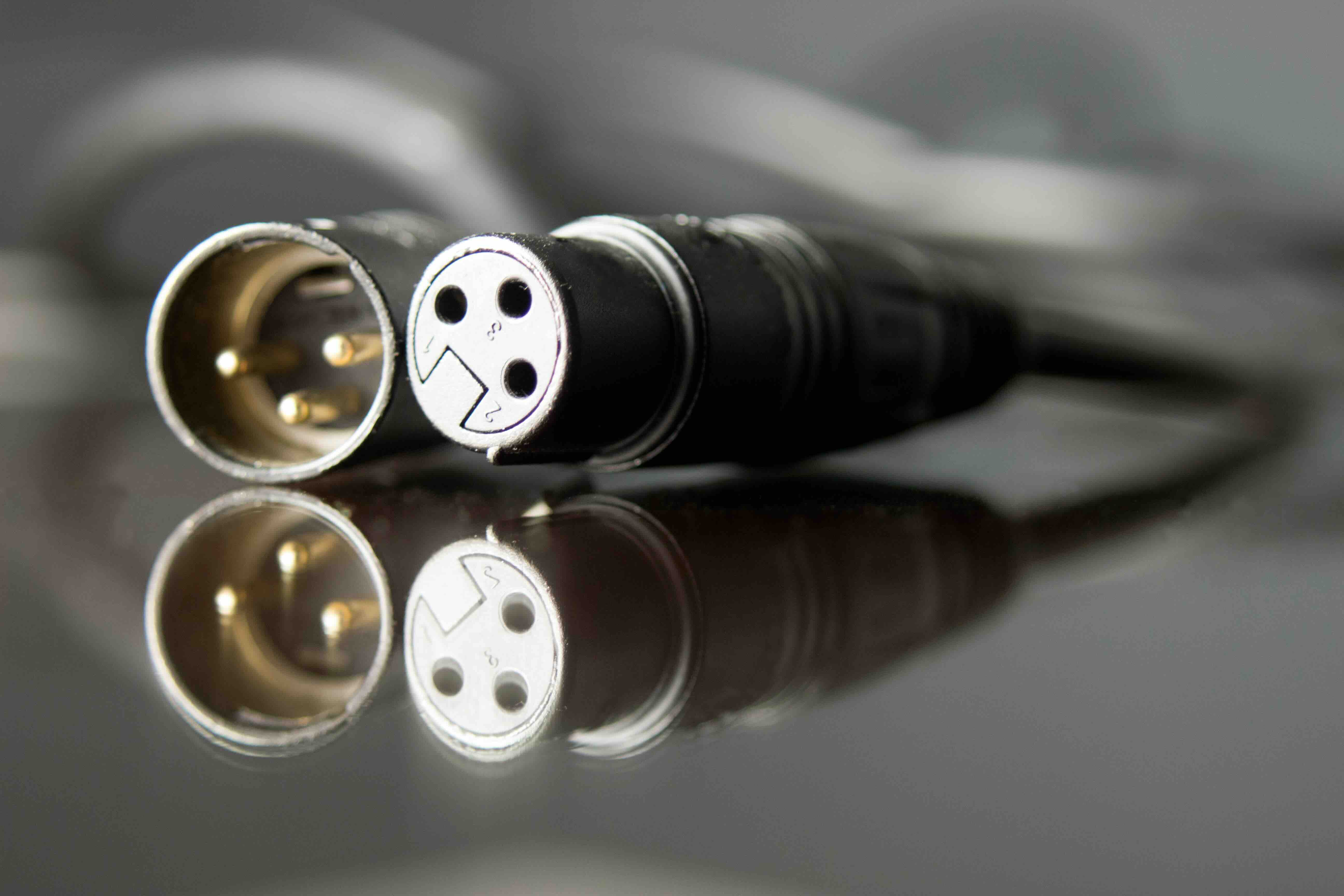
So, if you have ever looked at the back of a piece of electronic equipment and noticed a small, circular connector with six pins arranged in a specific pattern, you have already encountered this component in the wild. The 6 pin male female connector is one of those fundamental building blocks of electronic connectivity that tends to go unnoticed until something stops working or you need to build something from scratch. It shows up across industrial equipment, audio gear, video systems, power supply chains, and data transmission setups. The male side carries the pins that insert into the corresponding female receptacle, forming a stable, repeatable connection that supports both signal and power delivery. Simple enough concept, but the execution and quality behind it matters more than most people realize.
How the 6 Pin Connector Is Designed and How It Functions
At the mechanical level, a 6 pin male female connector works by aligning six conductive pins into six corresponding sockets or cavities. The configuration of those pins, whether circular, rectangular, or keyed in a specific orientation, determines what the connector is compatible with and what it can reliably carry. Most 6 pin connectors use a locking collar, a twist-lock mechanism, or a friction-fit design to keep the connection seated during use. The keying, which is that notch or physical asymmetry designed into the housing, prevents you from inserting the connector the wrong way. That matters a lot in professional environments where a misconnection could damage equipment or disrupt an installation mid-project. Each pin inside the connector has a current rating, a voltage ceiling, and a contact material specification that directly impacts performance over time.
Common Applications Across the Technology Industry
The 6 pin male female connector does not belong to just one vertical. It appears in an almost surprising range of professional and consumer contexts. Here is a quick look at where you will encounter it most frequently:
- IEEE 1394 FireWire interfaces for audio and video device connectivity
- Power delivery in modular PC power supplies, particularly for GPU connections
- Industrial control systems and programmable logic controllers
- Robotics and motion control cabling
- Professional AV installations including cameras, switchers, and intercom systems
- Test and measurement equipment connections
- Medical device instrumentation in regulated environments
That range of applications tells you something important. The 6 pin format has proven flexible enough to serve both low-current signal environments and higher-current power delivery needs, depending on how it is spec'd and manufactured. The connector itself is a format, not a single standard, so context matters when you are shopping or speccing a project.
Key Advantages of Using 6 Pin Connectors
There are solid reasons why engineers and system integrators keep reaching for 6 pin configurations rather than consolidating to fewer pins or jumping to a different format altogether. The six-pin count hits a useful balance point. It carries enough pins to handle combined signal and power functions within a single connector body without adding the bulk or complexity of 8, 12, or 16 pin alternatives. The connector housing also tends to support more robust locking than 2 or 4 pin variants, which makes it better suited for environments where vibration, cable tension, or repeated mating cycles are a concern. Additionally, the standardized pin arrangements in widely adopted formats like FireWire 400 or PCIe power connectors mean interoperability is manageable when you source quality components from reputable suppliers.
Potential Drawbacks Worth Knowing Before You Buy
No connector format is perfect, and being honest about limitations is how you make smarter purchasing decisions. With 6 pin connectors, a few friction points come up regularly in professional settings. First, the variety of standards using the 6 pin configuration can create confusion. Not every 6 pin connector is interoperable with every 6 pin receptacle, even if they physically look similar. Pin spacing, current ratings, and locking mechanisms differ across manufacturers and standards. Second, lower-quality 6 pin connectors with thin contact plating or undersized wire gauges can introduce resistance into the circuit, which degrades signal integrity or causes voltage drop under load. Third, in dense cable management situations, the circular housing of many 6 pin connectors can take up more real estate than flat or right-angle alternatives. These are manageable issues, but they are worth accounting for before you commit to a connector choice for a production-level installation.
How to Choose the Right 6 Pin Connector for Your Application
Selection comes down to matching the connector spec to the actual demands of the application. Start by identifying the current and voltage requirements. A 6 pin connector rated for low-signal environments is not the right choice for GPU power delivery. Next, look at the mating cycle rating, which tells you how many connection and disconnection events the connector is designed to handle before contact wear becomes a problem. For high-use environments, this number matters. Check the contact plating material as well. Gold plating offers better corrosion resistance and lower contact resistance for signal applications, while tin or nickel may be sufficient for heavier power connections where contact pressure is higher. Finally, confirm the keying and housing format match your target receptacle. If you are in a mixed-vendor environment, test fit before committing to bulk procurement.
Installation Tips for Reliable 6 Pin Connections
A good connector only performs as well as the installation behind it. When terminating a 6 pin connector in the field or in a workshop setting, use the appropriate crimping tool for the contact type rather than relying on general-purpose pliers. An improperly crimped contact is one of the most common failure points in field-installed connector assemblies. Verify that all six contacts are seated fully in their cavities before mating the connector. A partially seated contact can cause intermittent faults that are genuinely difficult to troubleshoot once the system is installed. For permanent installations, consider strain relief at the cable entry point of the connector housing to reduce mechanical stress on the termination. And if the connector will be used in a humid or dusty environment, look for versions with IP-rated sealing or protective backshells.
Maintaining and Troubleshooting 6 Pin Connectors Over Time
Field performance degrades if connectors are not maintained, and 6 pin connectors in active use are no different. Periodic inspection of contact surfaces for oxidation, pitting, or debris is a straightforward preventive step that extends connector service life considerably. For connectors that are mated and unmated frequently, check the locking collar or retention mechanism for wear. A connector that no longer seats with positive engagement is a liability in any production or industrial environment. If you are chasing an intermittent fault and the connector is a suspect, use a contact cleaner rated for electronic use and allow it to fully evaporate before reconnecting. Resistance measurements with a quality multimeter across each pin pair can help isolate a failing contact before a full replacement becomes necessary.
Why Monoprice Is a Smart Choice for 6 Pin Connectors and Cable Assemblies
When it comes to sourcing connectors and cable assemblies that actually hold up in real environments, the brand behind the component matters more than most buyers initially expect. Monoprice has built a well-earned reputation among IT professionals, AV integrators, and electronics enthusiasts for delivering performance-grade components without the inflated pricing that tends to follow brand-name hardware. Whether you are building out a modular PC power configuration, routing cabling through an AV rack, or speccing connectors for a professional installation project, the Monoprice catalog delivers quality that checks the technical boxes without asking you to overpay. If you are ready to explore dependable connectivity solutions and affordable cable assemblies, shop professional-grade 6 pin connectors and cable solutions at Monoprice and see what practical, value-driven sourcing looks like at scale. The combination of consistent product quality, accessible pricing, and a broad catalog makes Monoprice a genuinely practical option for both single-project buyers and procurement teams managing ongoing infrastructure builds.
Frequently Asked Questions About 6 Pin Male Female Connectors
What is the difference between a 6 pin male and a 6 pin female connector?
The male connector contains the protruding pins that insert into the corresponding cavities of the female receptacle. The female side holds the sockets that receive and make electrical contact with those pins. Together they form a complete mated connection.
Are all 6 pin connectors the same and interchangeable?
No. The 6 pin count is shared across multiple different standards with different pin spacings, contact ratings, and housing geometries. A FireWire 6 pin connector, for example, is not compatible with a 6 pin PCIe power connector even though both use six pins.
What applications commonly use a 6 pin male female connector?
Common applications include IEEE 1394 FireWire data connections, PCIe GPU power delivery, industrial control cabling, professional AV systems, robotics, and test and measurement equipment.
How many amps can a typical 6 pin connector handle?
This depends on the specific connector standard and contact rating. PCIe 6 pin power connectors are typically rated for around 75 watts total. Industrial 6 pin connectors vary widely, so always verify the current rating in the product datasheet before use.
What causes a 6 pin connector to fail or lose connection?
Common failure causes include oxidized or corroded contacts, physical damage to the locking mechanism, improper crimping during installation, excessive mating cycles beyond the rated lifespan, and mechanical stress on the cable entry point.
Can I use a 6 pin connector in outdoor or humid environments?
Only if the connector carries an appropriate IP rating or is paired with a sealing backshell designed for environmental protection. Standard 6 pin connectors without sealing should not be used in wet, dusty, or high-humidity conditions without additional protection.
How do I know if my 6 pin connector is properly seated?
A properly seated 6 pin connector with a locking mechanism will produce an audible click or require deliberate torque to release. Connectors that mate without positive engagement or that pull free easily should be inspected for wear or replaced.
What contact plating should I look for in a quality 6 pin connector?
Gold plating is preferred for signal-level connections due to its corrosion resistance and low contact resistance. Tin or nickel plating can be acceptable for power connections where higher contact pressure compensates for the plating differences.
What tools do I need to properly terminate a 6 pin connector in the field?
You will need a compatible crimping tool matched to the contact size and type, a wire stripper, and a contact insertion tool for seating the crimped contacts into the connector housing. Using the correct tooling is critical for reliable terminations.
How long do 6 pin connectors typically last in regular use?
Mating cycle ratings vary by manufacturer and application, but many quality 6 pin connectors are rated for 1,500 to 5,000 mating cycles. In fixed or low-cycle installations, the connector may last the full service life of the equipment it serves.


