

3 Prong Wiring Explained: Safety and Tech Setup Guide
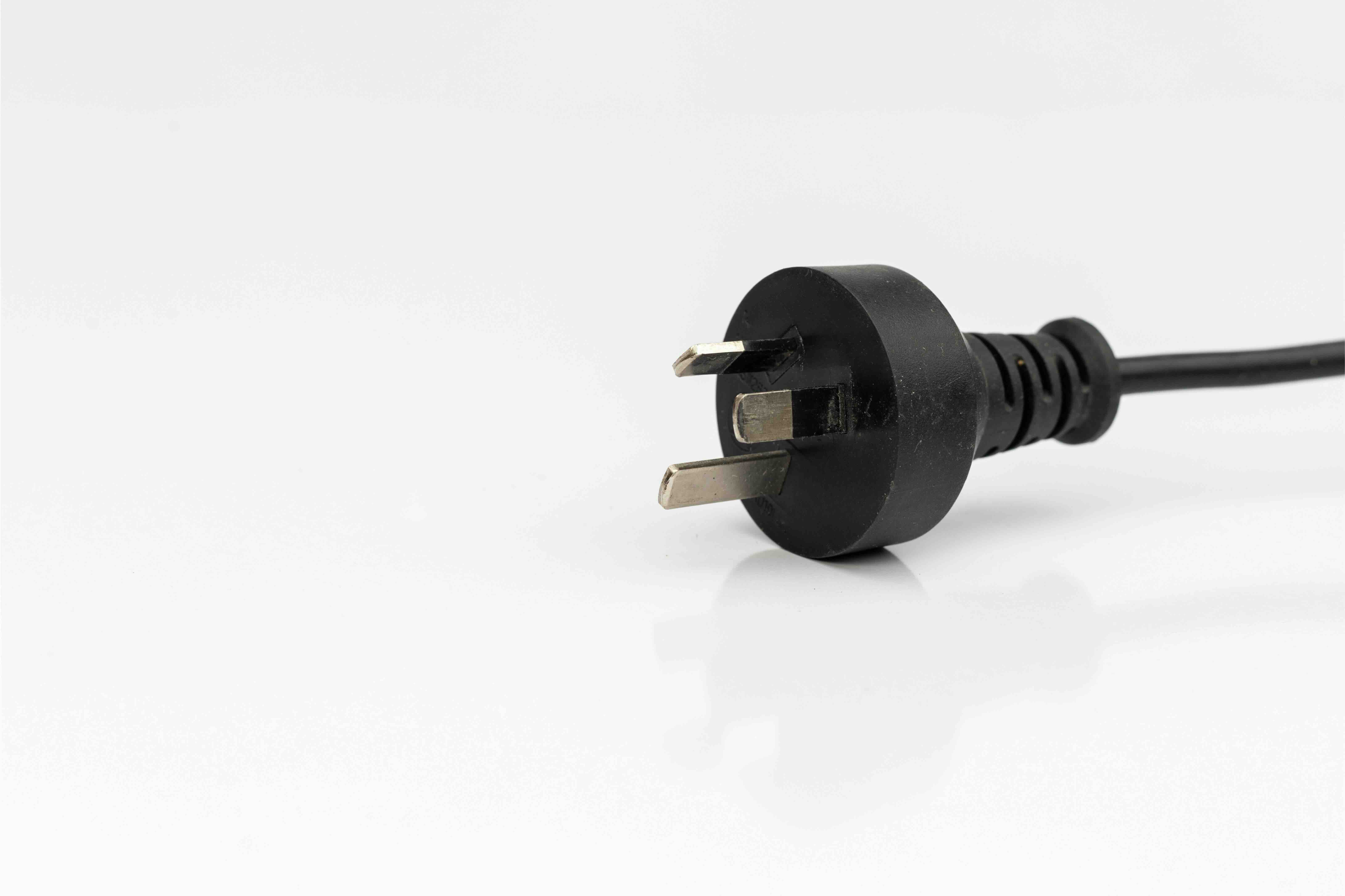
What Is 3 Prong Wiring and Why Does It Matter for Your Tech Setup?
If you have ever looked at the back of a power strip, a desktop computer, or a monitor and noticed that some plugs have two flat prongs while others have two flat prongs plus a round one at the bottom, you have already encountered the difference between two-prong and three-prong wiring. That third prong is not decorative and it is not there to make the plug harder to insert into an older outlet. It exists for a very specific reason, and once you understand what it does, you will see your entire electrical setup a little differently. Three-prong wiring is one of those foundational concepts that touches almost every piece of modern technology, from budget accessories to high-end professional AV gear, and getting it right matters more than most people realize.
The Basic Anatomy of a Three-Prong Plug and Outlet
A standard three-prong plug in North America follows the NEMA 5-15 configuration. Each of the three prongs carries a distinct function that works together to deliver power safely and consistently. The two flat vertical prongs handle the actual flow of electrical current. One is the hot wire, which carries the live current from the power source to your device. The other is the neutral wire, which completes the circuit by returning current back to the source. The round prong at the bottom is the ground wire. It does not participate in normal current flow under regular operating conditions. Instead, it provides an emergency escape route for stray or fault current, redirecting it safely to the earth rather than letting it travel through a person or damage connected equipment. That distinction is everything.
How the Grounding Prong Actually Works
Here is where things get genuinely interesting, especially for anyone running sensitive electronics. Inside a properly wired outlet, the ground wire runs from the outlet back through the wall, through the electrical panel, and ultimately to a physical grounding rod buried in the earth near the building foundation. When a fault occurs inside a device, such as a frayed internal wire that contacts the metal chassis, that stray voltage now has a low-resistance path to follow directly to ground. The circuit breaker or fuse detects the resulting surge and trips, cutting power before anyone gets hurt. Without that ground path, the metal casing of a device becomes energized and anyone who touches it while also contacting any other grounded surface completes the circuit themselves. The physics here are not complicated but the consequences of ignoring them absolutely can be.
Why Three-Prong Wiring Is the Standard in Modern Technology
It did not happen overnight. Grounded outlets became required by the National Electrical Code in the United States during the 1960s and have been steadily enforced in new construction and renovation projects ever since. Today, virtually every piece of performance-grade technology, from gaming rigs to rack-mounted AV equipment to enterprise networking hardware, ships with a three-prong power cable. That is not coincidence. Manufacturers design products around the assumption that the ground path exists. EMI filtering circuits inside power supplies often use the ground connection as a reference point to suppress interference. Without it, some equipment actually performs worse, producing audible hum, digital noise, or erratic behavior that can be difficult to trace back to the source.
Key Advantages of Three-Prong Wiring for Technology Users
Understanding the benefits in concrete terms makes it easier to appreciate why three-prong wiring should never be bypassed or ignored. Here is a practical breakdown of what proper grounding delivers for everyday technology users and professionals alike.
- Shock and electrocution protection when internal faults occur
- Equipment protection from voltage spikes and fault currents
- Reduced electromagnetic interference in audio, video, and data applications
- Predictable circuit breaker response that isolates problems quickly
- Compliance with safety certifications required by UL, ETL, and similar agencies
- Better signal integrity in sensitive AV and networking environments
Common Drawbacks and Misconceptions to Watch Out For
Three-prong wiring does have a few real-world limitations that are worth understanding before you assume everything is fine just because the outlet has three holes. Older homes with three-prong outlets that were wired without an actual ground conductor are more common than most people expect. The outlet looks correct but the ground prong connects to nothing functional. This is called an ungrounded three-prong outlet and it provides no protection. A simple outlet tester, which costs just a few dollars, will tell you immediately whether the ground is actually functional. Another common issue involves ground loops in audio and video setups, where multiple devices share a ground path and create interference through small voltage differences between those paths. This is a real and frustrating problem in professional AV environments, and it requires proper equipment and wiring practices to resolve rather than simply removing the ground connection, which some people incorrectly attempt.
Practical Tips for Safely Managing Three-Prong Power in a Tech Environment
Whether you are setting up a home theater, a gaming station, a home office, or a professional AV rack, there are several practical steps that reduce risk and improve performance across your entire setup.
- Test all outlets with an inexpensive outlet tester before connecting sensitive equipment
- Never use a three-to-two prong adapter, sometimes called a cheater plug, as a long-term solution
- Use power strips and surge protectors that include a proper ground connection and grounded indicator lights
- In professional rack installations, verify that all rack-mounted power distribution units maintain ground continuity throughout
- Consider dedicated circuits for high-draw equipment to reduce shared load and interference
- If you suspect an ungrounded outlet, consult a licensed electrician before proceeding
Three-Prong Wiring and Power Protection Devices
Surge protectors, UPS units, and power conditioners are designed to work in conjunction with a properly grounded circuit. The metal oxide varistors inside a surge protector divert excess voltage to ground during a surge event. If the ground path is absent, those components cannot do their job effectively and the excess energy has nowhere to go except through your connected equipment. This is precisely why quality power protection devices include a ground fault indicator. It is not a marketing feature; it is a functional warning system telling you whether your protection is actually active. Running expensive electronics through a surge protector plugged into an ungrounded outlet gives you a false sense of security while leaving your gear exposed. The ground connection is the foundation that makes every downstream protection mechanism work correctly.
Why Monoprice Is the Right Source for Grounded Power and Cable Solutions
When you are building out a workspace, a media room, or a professional AV installation, having reliable, well-made power cables, surge protectors, and accessories that properly support three-prong grounded wiring is not optional. It is the baseline. Monoprice has spent years earning the trust of IT professionals, AV integrators, and informed consumers by offering products that meet real performance and safety standards without inflated price tags. If you are looking for dependable, correctly rated power cables and grounded power accessories, grounded three-prong power cables and surge protection accessories from Monoprice cover a wide range of configurations built to handle everything from desktop setups to rack-mounted professional environments. The products are designed with the assumption that you know what you are doing and need gear that keeps up. That combination of value, quality, and practical reliability is exactly what Monoprice delivers, and it is why so many professionals return when it is time to expand or upgrade their infrastructure.
Frequently Asked Questions About Three-Prong Wiring
What is the purpose of the third prong on a power plug?
The third prong is the ground prong. It provides a safe path for fault current to travel directly to the earth rather than through a person or the connected device, significantly reducing the risk of electric shock and equipment damage during a wiring fault.
Is it safe to use a two-to-three prong adapter?
These adapters, often called cheater plugs, are not a safe long-term solution. They allow a three-prong plug to fit a two-prong outlet but only provide actual grounding protection if the adapter's green pigtail wire is connected to a properly grounded screw, which is rarely done and often not possible with older outlets.
How do I know if my outlet is actually grounded?
Use an outlet tester, which is an inexpensive plug-in device with indicator lights that reveal whether the outlet wiring is correct. Many older homes have three-prong outlets that were installed without a true ground conductor, making them visually correct but functionally ungrounded.
Can I use a surge protector with an ungrounded outlet?
You can plug a surge protector into an ungrounded outlet, but the surge protection will not function correctly. Surge protection devices depend on the ground path to divert excess voltage safely. Without it, the protection components inside cannot do their job and your equipment remains vulnerable.
What does grounding have to do with audio and video signal quality?
Grounding directly affects signal integrity in AV systems. A proper ground provides a stable reference point that helps suppress electromagnetic interference. Without it, users often experience audible hum, video noise, or other interference artifacts that are difficult to diagnose without understanding the root cause.
What is a ground loop and how does it affect my setup?
A ground loop occurs when two or more connected devices have slightly different ground potentials, creating a small circulating current through the shared ground path. This often produces a low hum in audio systems or horizontal lines in video. It is resolved through proper equipment grounding, balanced connections, or ground loop isolators, not by removing the ground.
Are all power cables with three prongs the same?
No. While the plug configuration may look the same, power cables vary in gauge, conductor quality, insulation rating, and maximum amperage capacity. Using an undersized or poorly made cable for high-draw equipment creates resistance, heat buildup, and potential failure over time. Match the cable rating to the equipment requirements.
Why do some devices only have two-prong plugs if grounding is so important?
Some devices are designed with double insulation, meaning they have two layers of insulating material between live components and the outer case. This design eliminates the need for a ground connection under normal conditions and is commonly used in smaller consumer electronics where the risk profile makes double insulation a practical and approved alternative.
Does three-prong wiring matter for networking and data equipment?
Yes, it does. Switches, routers, servers, and other network hardware benefit from proper grounding because it reduces electrical noise that can interfere with data signals and protects sensitive components from fault currents. In a rack environment, maintaining ground continuity across all equipment is a standard best practice for reliable infrastructure.
What should I do if I need to add grounded outlets to an older home or office?
The correct approach is to hire a licensed electrician who can run a proper ground conductor to existing outlets or replace ungrounded wiring. Another code-compliant option in some jurisdictions is the installation of GFCI outlets, which provide shock protection even without a ground wire and can be labeled accordingly, though this does not resolve all grounding-related issues for sensitive electronics.


