3 Prong Extension Cord Wiring, Safety, and Use Guide
What Is a 3 Prong Extension Cord and Why Does the Third Prong Actually Matter?
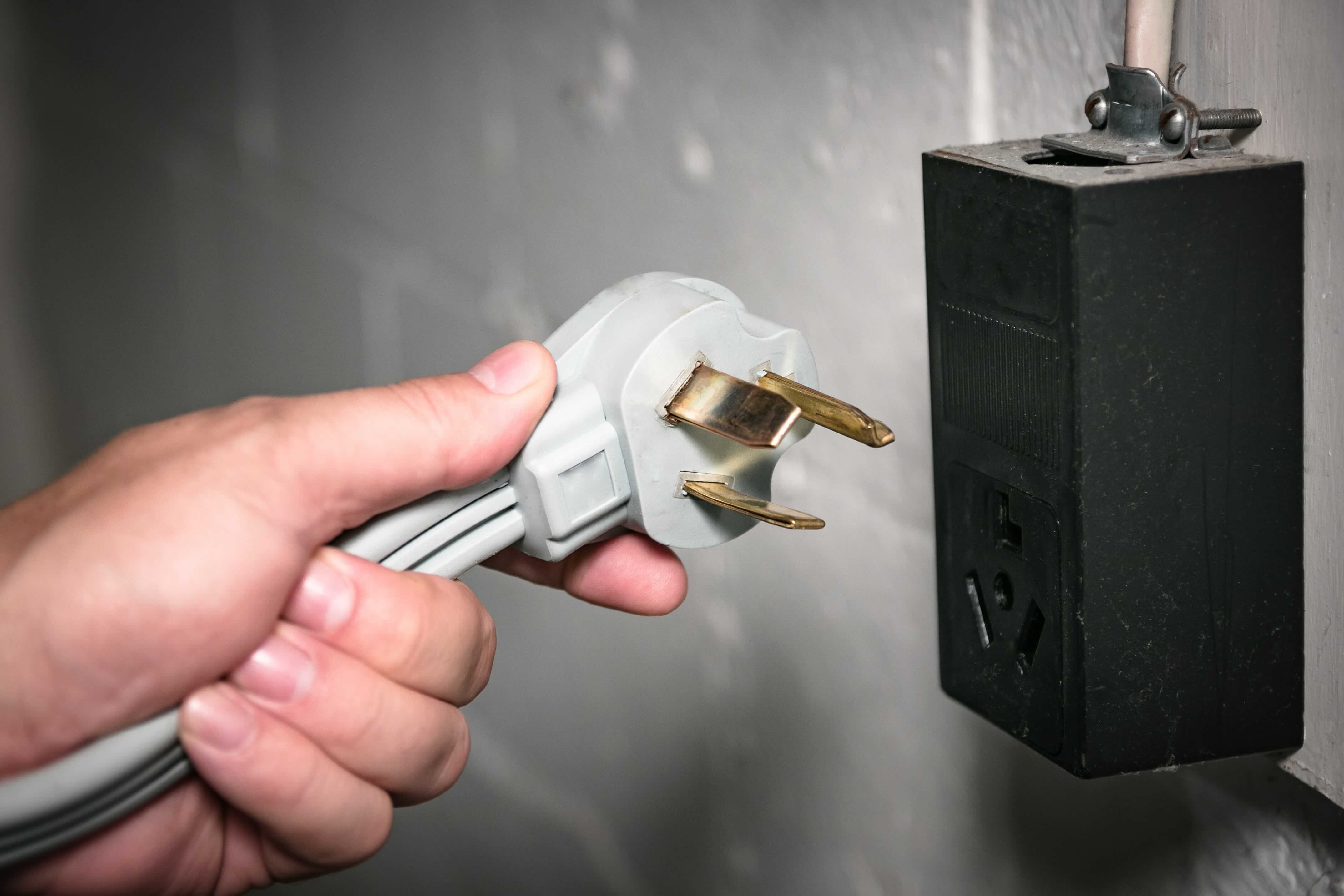
If you have ever looked down at an extension cord and wondered why some have two prongs and others have three, you are not alone. That third prong is one of those things that gets overlooked until something goes wrong, and by then the conversation shifts from convenience to safety real fast. A 3 prong extension cord includes a grounding wire in addition to the standard hot and neutral conductors. That ground wire creates a direct path back to your electrical panel, giving fault current somewhere to go other than through your equipment or, worse, through you. In technology environments specifically, where sensitive electronics, workstations, AV setups, and networking infrastructure are involved, that distinction is not minor. It is foundational.
How a 3 Prong Extension Cord Is Wired and What Each Conductor Does
Inside a standard 3 prong extension cord, you will find three distinct wires, each serving a specific role in the circuit. Understanding what each one does helps explain why grounded cords are the correct choice for technology applications. Here is a straightforward breakdown of the three conductors.
- Hot wire (typically black): carries live current from the power source to the connected device
- Neutral wire (typically white): returns current back to the source, completing the circuit
- Ground wire (typically green or bare copper): provides a low-resistance fault path to protect against electrical shock and equipment damage
The ground wire does not carry current under normal conditions. It only activates when something fails, like an internal short in a power strip or a piece of AV equipment. When that happens, the ground wire diverts the excess current safely, which is what trips the breaker before any damage compounds. Without it, that fault current has nowhere controlled to go.
Grounded vs. Ungrounded Extension Cords: The Core Difference
Two prong extension cords are ungrounded. They work fine for lamps, fans, or low-draw appliances with double insulation, but they were never designed for devices that require a stable electrical reference. Most modern electronics, computers, monitors, network switches, audio interfaces, and charging stations all use three prong plugs for a reason. Plugging them into an ungrounded two prong extension cord bypasses that safety architecture. In the short term it might seem fine. Over time, or in a fault scenario, the risk scales up considerably. Grounded cords maintain signal integrity too, which is something audio and video professionals understand well. Ground loops, electrical noise, and interference artifacts often trace back to improper grounding in the signal chain.
Key Advantages of Using a Grounded 3 Prong Extension Cord
The benefits of using a properly grounded extension cord go beyond basic safety. In tech-heavy environments, the performance and protection advantages are tangible and worth understanding before you spec out your next setup.
- Equipment protection against electrical surges and faults
- Reduction of electrical noise and interference in audio and video systems
- Compliance with NEC and building code requirements for commercial and residential installations
- Protection of sensitive components in computers, network hardware, and AV equipment
- Safer multi-device operation when combined with a grounded power strip or surge protector
- Consistent voltage delivery that helps maintain stable device performance
These advantages compound in professional environments. An IT closet running ungrounded extension cords is a liability. A home studio doing the same is an audio nightmare. The third prong is not a formality. It is a functional part of a safe and high-performing electrical system.
Common Drawbacks and Limitations Worth Knowing
Grounded extension cords are the right call in most scenarios, but there are practical limitations to account for. First, the grounding is only effective if the outlet itself is properly grounded. Plugging a 3 prong cord into an ungrounded outlet, or using an ungrounded adapter, negates the protection entirely. Older buildings with two prong outlets present this challenge regularly. Second, extension cords are intended for temporary use. Running high-load devices off an extension cord indefinitely is not a substitute for proper wiring and dedicated circuits. Third, cord gauge matters significantly. Using an undersized gauge cord with high-draw equipment creates resistance, heat, and the potential for fire. Always match the cord gauge to the amperage requirements of the connected devices.
Understanding Wire Gauge and Cord Length for Technology Applications
Wire gauge is where a lot of purchasing decisions go sideways. The AWG (American Wire Gauge) rating on an extension cord tells you the thickness of the conductors inside. Lower AWG numbers mean thicker wire, which means more current capacity and less resistance over longer runs. A 16 AWG cord handles light loads reasonably well over short distances. A 14 AWG handles moderate loads. For high-draw equipment or runs over 25 feet, 12 AWG is the appropriate choice. In data centers, AV racks, and production environments, undersized extension cords are a persistent problem. The cord might look fine externally, but resistance-induced heat is building invisibly. Matching gauge to application is not optional when reliability matters.
Where 3 Prong Extension Cords Are Most Commonly Used in Tech Environments
Three prong grounded extension cords show up across virtually every technology application where temporary or supplemental power delivery is needed. Home offices and remote workstations use them to bridge the gap between wall outlets and desk setups. AV integrators rely on them during installations and live events where power positioning is not always ideal. IT professionals use them in server rooms and network closets for equipment staging and temporary infrastructure. Content creators and home studio operators depend on them to power audio interfaces, monitors, and production hardware. Even retail and hospitality technology deployments lean on grounded cords to keep point-of-sale systems, kiosks, and digital signage running reliably. In each context, the grounded design is not a nice-to-have. It is part of responsible deployment practice.
Practical Tips for Choosing and Using a 3 Prong Extension Cord Safely
Making the right purchasing decision comes down to a few key checkpoints. Before you buy, confirm that the cord is UL listed or ETL certified, which verifies that it has been tested against established safety standards. Check the amperage rating against the total load of your devices. Never exceed the rated capacity of the cord. Avoid daisy-chaining multiple extension cords together, as this creates resistance, weakens grounding continuity, and increases fire risk. Keep cords out of high-traffic areas where physical damage is likely, and never run them under rugs or through walls, both of which are code violations. For longer-term setups, consider transitioning to a dedicated outlet or a properly rated power strip with built-in surge protection. The cord is a tool, not a permanent solution, and using it correctly extends both its life and the life of your connected equipment.
Why Monoprice Is the Right Source for Grounded Extension Cords and Power Solutions
When it comes to sourcing reliable, properly rated extension cords and power accessories, the brand behind the product matters. Monoprice has built a well-earned reputation in the technology industry for delivering high-performance electrical and connectivity products at pricing that does not require a procurement justification. Every cord in the Monoprice lineup is built to meet the demands of real-world tech environments, from home offices to professional AV installations. If you are outfitting a workstation, staging a rack, or running power to a temporary event setup, you want a cord that is correctly gauged, properly grounded, and verified to perform. Professionals who work with grounded 3 prong extension cords and power distribution solutions from Monoprice get exactly that, without overpaying for a name or compromising on the specifications that actually protect their equipment. That combination of value, performance, and trust is what makes Monoprice the practical choice for buyers who know what they need and want it done right.
Frequently Asked Questions About 3 Prong Extension Cords
What does the third prong on an extension cord do?
The third prong connects to a grounding wire inside the cord that provides a safe path for fault current. If a connected device experiences an internal short or electrical failure, the ground wire diverts excess current away from the equipment and toward the electrical panel, triggering the breaker before damage or injury occurs.
Can I use a 3 prong extension cord in a 2 prong outlet?
Not without an adapter, and doing so removes the grounding protection entirely. An ungrounded outlet cannot complete the ground circuit, which means the safety benefit of the third prong is lost. For grounded protection to work, the outlet itself must be properly grounded.
Is it safe to use a 3 prong extension cord for computers and electronics?
Yes, a properly rated and UL listed 3 prong grounded extension cord is safe for computers and electronics when used as intended. Match the cord gauge to the load, avoid exceeding the amperage rating, and do not use it as a permanent wiring replacement.
What wire gauge should I use for a computer or AV setup?
For most home office and AV applications, a 14 AWG or 16 AWG cord is sufficient for short runs under 25 feet. For longer distances or higher-draw equipment like amplifiers or servers, a 12 AWG cord provides better current capacity and reduces heat buildup.
Can I plug a 3 prong extension cord into a surge protector?
Yes, and doing so is generally recommended in tech environments. A grounded surge protector combined with a properly gauged 3 prong extension cord gives connected devices both overvoltage protection and a safe fault path. Make sure the total load across both the cord and protector stays within rated limits.
Why is my 3 prong extension cord getting warm during use?
Warmth is typically a sign that the cord is being operated near or above its rated capacity. It can also result from using an undersized gauge for the load or the run length. Persistent heat is a warning sign. Reduce the load or replace the cord with one rated for higher amperage.
How long can a 3 prong extension cord run before performance drops?
For standard 16 AWG cords, performance can degrade noticeably beyond 25 feet due to resistance. For longer runs, step up to 14 AWG or 12 AWG to maintain stable current delivery and reduce voltage drop across the length of the cord.
Are all 3 prong extension cords UL listed?
Not automatically. UL listing or ETL certification must be verified at the time of purchase. Look for the certification mark on the cord itself or in the product specifications. Uncertified cords may not meet safety standards and should be avoided in professional or permanent-use scenarios.
Can I use a 3 prong extension cord outdoors?
Only if the cord is specifically rated for outdoor use. Outdoor-rated cords use weather-resistant insulation designed to handle moisture, temperature changes, and UV exposure. Using an indoor extension cord outside creates a shock and fire hazard, even if it has three prongs.
Is daisy-chaining extension cords safe?
No. Connecting multiple extension cords together increases resistance, generates heat, can degrade grounding continuity, and is a code violation in most jurisdictions. If additional reach is needed, use a single cord of the appropriate length and gauge instead of linking multiple cords together.