USB vs Non-USB Microphones
With the growing popularity of streaming and podcasting, USB microphones have now become as common as their non-USB counterparts. This growing popularity, on the other hand, has brought expanded product options along with it, making it sometimes difficult to decide between alternatives. In this article we’ll discuss the differences between USB and non-USB mics, as well as when its most appropriate to chose one over the other.
Differences
Let’s start chronologically. Non-USB microphones precede USB ones, and have been most common throughout time. Technically the only difference between them is that one creates an analog electrical signal, while the other one outputs a digital signal. This means that USB mics have an analog-to-digital converter built-in. This has its pros and cons, which we’ll discuss in detail later. For now, lets look at what the addition or absence of an on-board converter does to the microphone itself:
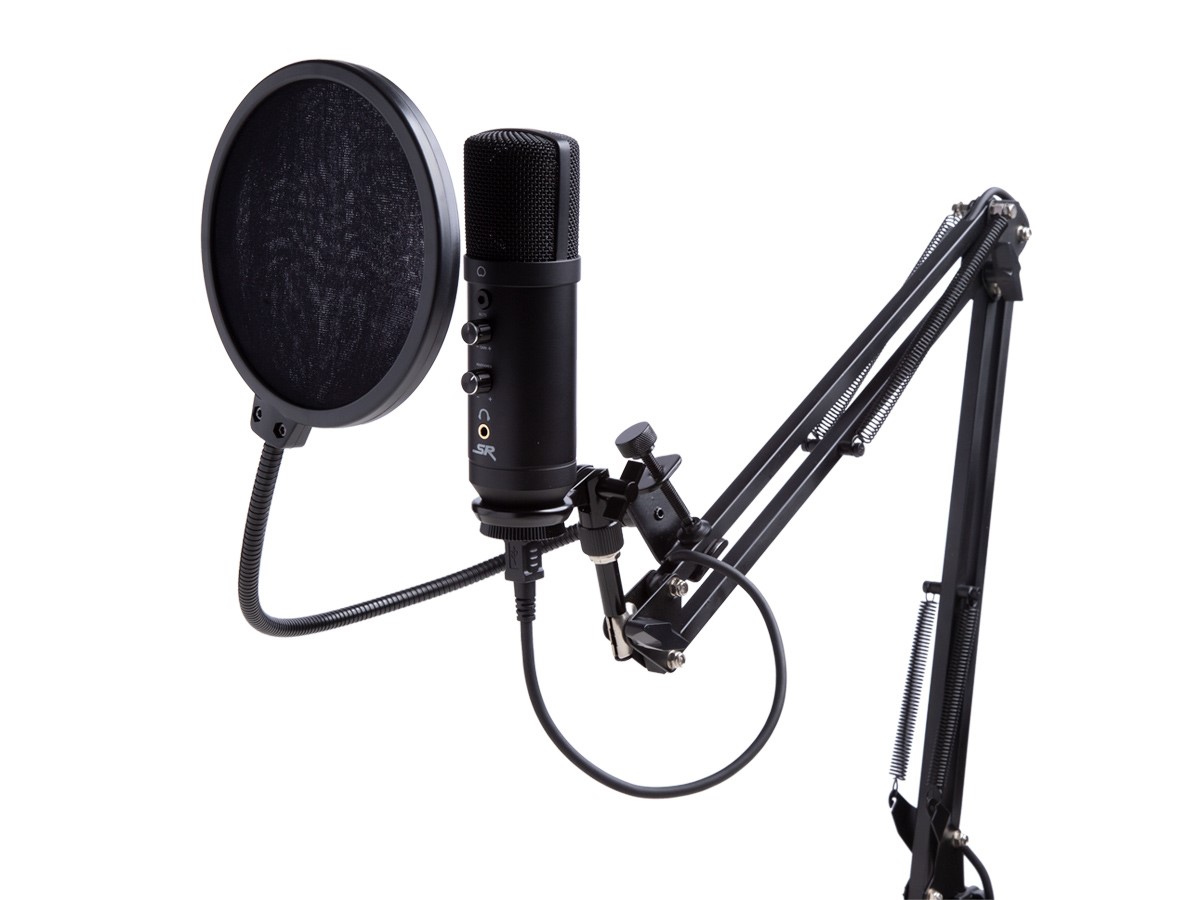
USB Microphones
No need for external hardware when recording into a computer
Typically inexpensive, designed for non-critical applications
Appropriate when recording single sound sources
Easiest to use for people without prior knowledge about recording
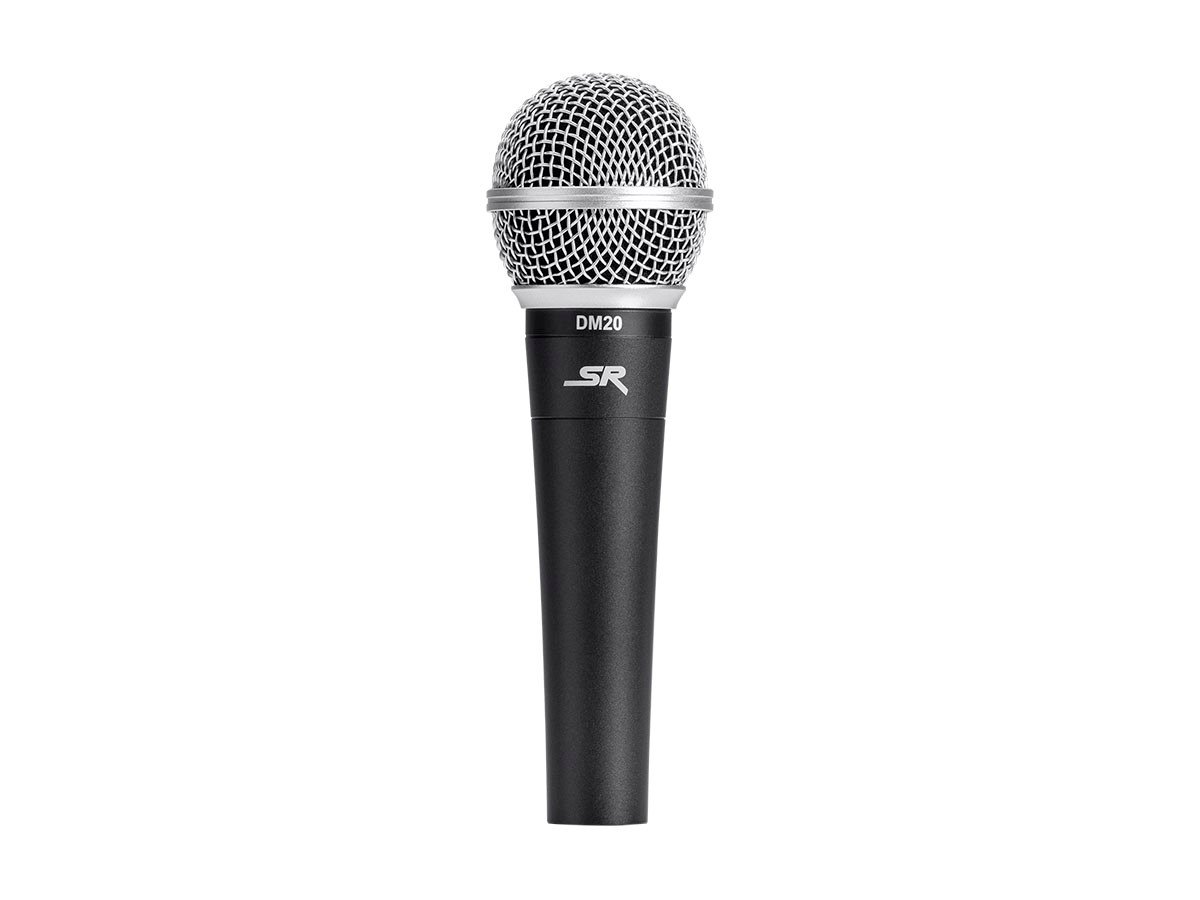
Non-USB Microphones
They require external hardware when recording into a computer
Widest range of prices and quality
Generally speaking, better sounding for critical applications
Appropriate when recording multiple sound sources, when not recording digitally, or for live sound reproduction
Applications
With the above in mind, let’s see what makes the most sense depending on what you’re trying to do.
The Case for USB
By looking at the lists it is clear that USB mics are most convenient for those without prior knowledge about recording, and for those in need of a simple solution for single-source audio recording into a computer. That’s a long way of saying USB mics are great for podcasters, streamers, and maybe people making music that doesn’t involve multiple instruments. Even WFH and distance learning are applications where USB mics may be most appropriate. Any other applications, however, may not be suitable for USB mics given their relative lack of flexibility.
The Case for non-USB
Flexibility, and to some extent quality, are the strong points of non-USB mics. For one, any time you are recording multiple sound sources, non-USB mics are best (needing to be paired with an external interface, etc.). Also, non-USB mics range the widest in quality and price, so there are options available for any application conceivable, including applications where the quality necessary exceeds that of what a USB mic can provide. The “universality” of non-USB microphones is what makes them ubiquitous across so many applications
The Case for the Audio Interface
As a 3rd party to this conversation, understanding a bit more about the audio interface may be key in understanding the place of both USB and non-USB mics. In short, an audio interface acts primarily as a digital-to-analog and analog-to-digital converter. What this means is that the interface is a bridge between your computer and mics, as well as your computer and speakers or headphones (monitoring). What matters about this that has to do with deciding on the type of microphone is that, generally speaking, external audio interfaces are going to sound better than mics with a built-in converter (USB mics). All this means is that for critical recording applications, using an external audio interface will be best as this will deliver the highest-fidelity analog-to-digital conversion.
A Note on Quality
Quality demands are relative to application, and even though one may find most high-end microphones to not be USB, that doesn’t mean USB microphones are bad. USB microphones are amazing at what they do, and they are typically constructed to meet the needs of those most likely to use them. There are also plenty of bad non-USB mics out there, so a microphone being analog doesn’t make it good, obviously. Focus on the application and what makes most sense relative to what you are trying to do, and don’t assume that a USB microphone is going to be less-good than a non-USB one.
Conclusion
We’ve established that USB mics and non-USB mics both have their place depending on the application at hand. We’ve also established that most high-end microphones aren’t USB, but this doesn’t mean USB microphones are bad. And most importantly, we established that what matters most is what you are trying to do, and which tool is better suited for that goal.


