

XLR Adapters: Pro Audio Connectivity Solutions & Guide
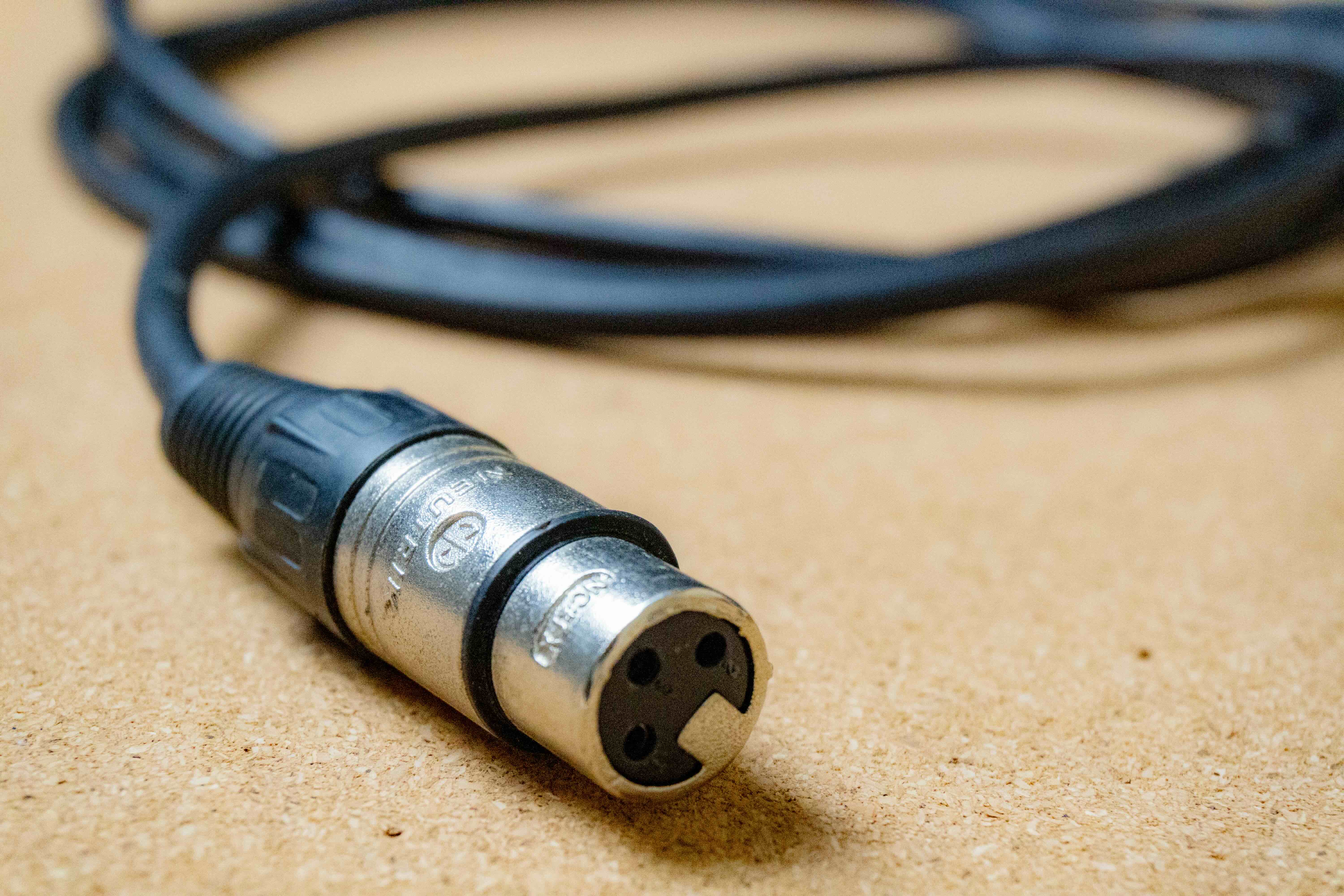
What Is an XLR Adapter and Why Does It Matter in Audio and AV Setups?
So if you've spent any time around professional audio gear, live sound systems, recording studios, or even high-end home theater setups, you've almost certainly encountered XLR connectors. They're those three-pin cylindrical connectors that show up on microphones, mixing consoles, power amplifiers, and stage monitors. But here's the thing -- not every device in your signal chain uses XLR natively. That's exactly where an XLR adapter steps in. An XLR adapter is a compact connector or converter that bridges XLR-based equipment with other audio interfaces, allowing signals to pass between devices that use different connector standards. It sounds simple enough, but the right adapter can genuinely make or break a professional audio installation or live performance setup. Understanding what these adapters do, when to use them, and which type fits your application is actually pretty important if you're working in audio, AV integration, broadcast, or even podcasting.
How XLR Connectors Work and Why They're the Industry Standard
XLR connectors have been a cornerstone of professional audio for decades, and there's a very specific reason the industry has kept them around. The standard three-pin XLR configuration uses a balanced audio signal path -- pin one carries ground, pin two carries the positive polarity signal, and pin three carries the negative polarity signal. This balanced design allows audio signals to travel over long cable runs, sometimes hundreds of feet, without picking up interference from lighting rigs, power cables, or other electromagnetic sources. That noise rejection capability is what makes XLR indispensable on stage, in broadcast trucks, and in permanent AV installations. The connector also features a locking mechanism that prevents accidental disconnection during live events. When you add an XLR adapter into the equation, you're essentially preserving that balanced signal architecture while translating it to or from a different connector format -- whether that's a 1/4-inch TRS, 3.5mm, RCA, or even USB in some modern configurations.
Common Types of XLR Adapters and Their Applications
There are quite a few variations of XLR adapters on the market, and choosing the right one comes down to knowing your signal path and the devices involved. Here's a breakdown of the most common types you'll encounter in professional and consumer audio environments:
- XLR Female to 1/4-inch TRS Male -- connects balanced XLR outputs to TRS instrument or line inputs
- XLR Male to 1/4-inch TRS Female -- useful for connecting standard audio cables to XLR-equipped devices
- XLR to RCA -- typically used to connect professional audio gear to consumer-level equipment
- XLR Female to 3.5mm Male -- allows microphones or mixers to connect to cameras, recorders, or laptops
- XLR Male to XLR Female (gender changers) -- used to reverse connector gender when cable runs don't match
- XLR to USB adapters -- enable direct connection of XLR microphones to computers for recording or streaming
Each of these serves a distinct purpose. The XLR to 1/4-inch TRS adapter is probably the most universally useful, especially in live sound and studio environments where mixing consoles and outboard gear often require both formats. The XLR to 3.5mm adapter has picked up significant demand in recent years, largely because content creators and video producers frequently need to interface professional microphones with DSLR cameras or mobile recorders that only offer a 3.5mm input.
Key Advantages of Using XLR Adapters in Your Signal Chain
The practical benefits of XLR adapters extend beyond just making connectors physically fit together. When used correctly, they allow you to protect your existing equipment investment, expand compatibility across different device ecosystems, and build more flexible signal chains without wholesale replacing gear. Adapters give integrators and sound engineers the ability to connect a professional condenser microphone to a portable field recorder, route a balanced line output from a mixer into an unbalanced consumer amplifier, or repurpose older studio equipment in modern hybrid setups. There's also a real cost advantage -- a high-quality XLR adapter is a fraction of the cost of purchasing entirely new cables or devices just to achieve signal compatibility. For AV integrators managing multiple installations, having a reliable stock of XLR adapters on hand is just smart workflow management. It reduces downtime, simplifies troubleshooting, and keeps projects moving.
Potential Drawbacks and Things to Watch Out For
That said, XLR adapters aren't without their limitations, and it's worth being clear about where they can introduce problems. The most common issue is impedance mismatch. When you're adapting a balanced XLR signal to an unbalanced output like RCA, you may experience a signal level drop or, in some cases, increased noise floor -- especially over longer cable runs. That balanced-to-unbalanced conversion can degrade the noise rejection properties that make XLR connections valuable in the first place. Low-quality adapters with poorly shielded contacts or loose tolerances can introduce hum, crackle, or intermittent signal loss. It's also worth noting that a passive XLR to USB adapter is not going to behave like a proper audio interface -- those are fundamentally different devices, and conflating them leads to frustrating results. Stick to reputable adapter manufacturers, inspect contact quality before deployment, and always test adapters before using them in a live or critical recording environment.
XLR Adapters in Modern Content Creation and Broadcast Workflows
The rise of podcasting, video production, and live streaming has introduced a new generation of users to XLR audio, and adapters play a surprisingly central role in those workflows. A lot of entry-level or mid-range audio interfaces have a limited number of XLR inputs. Adapters allow creators to route additional microphones or instruments into available TRS inputs without purchasing an entirely new interface. Broadcast professionals working in the field rely on XLR to 3.5mm adapters to connect lavalier systems or shotgun microphones to compact recorders. As hybrid work environments evolve, the demand for adapters that bridge professional XLR infrastructure with USB or HDMI-connected conferencing systems has grown considerably. The adapter market has responded accordingly, with more thoughtfully engineered solutions now available at accessible price points.
Practical Tips for Choosing the Right XLR Adapter
Buying the right XLR adapter isn't complicated if you know what to look for. A few practical guidelines can save a lot of headaches in the field or studio:
- Identify your source and destination connectors before purchasing -- know the gender, pin configuration, and signal type
- Match impedance levels where possible, especially when going from balanced to unbalanced
- Look for gold-plated contacts to minimize oxidation and ensure consistent signal transfer
- Verify the physical build quality -- adapters that see frequent use need solid strain relief and robust housings
- Confirm whether you need a simple passive adapter or an active converter for impedance matching
If you're building out a permanent installation, passive adapters work fine for most applications. For longer signal runs or situations where signal integrity is paramount, consider an active direct box or impedance-matching transformer instead of a bare passive adapter. The goal is always to preserve signal quality from source to destination.
XLR Adapter Compatibility Across Different AV and Audio Environments
One thing that tends to catch people off guard is that XLR connectors also appear in non-audio applications. DMX lighting control systems use XLR connectors -- typically 3-pin or 5-pin -- to carry digital control signals between lighting controllers and fixtures. While the connectors may look identical to audio XLR, plugging DMX equipment into audio gear or vice versa is generally not recommended and can damage equipment. This is a meaningful distinction for AV integrators who work across both audio and lighting systems. Knowing your application context before reaching for an adapter is always the right call. For audio-specific uses, the standard 3-pin XLR remains the dominant format, and the adapter ecosystem around it is mature, well-supported, and widely available from multiple reputable sources.
Why Monoprice Is the Smart Choice for XLR Adapters and Professional Audio Accessories
When it comes to sourcing reliable XLR adapters and professional audio connectivity solutions, the quality and value equation matters more than most people realize. Monoprice has built a strong reputation among AV integrators, audio engineers, broadcast professionals, and content creators for delivering high-performance connectivity products without the inflated price tags that often accompany well-known brands. Whether you need an XLR to TRS adapter for a studio build, a gender changer for a live event, or a complete assortment of adapters for a permanent installation project, Monoprice offers a comprehensive catalog that covers the full range of professional and consumer applications. The build quality is engineered for real-world use -- gold-plated contacts, solid housings, and consistent tolerances that hold up over time and through repeated connects and disconnects. If you're looking for professional XLR adapters and audio connectivity accessories that deliver dependable performance at a price that makes sense for your budget, shop professional XLR adapters and audio connectors at Monoprice and see firsthand why thousands of professionals and integrators trust Monoprice as their go-to source for audio and AV infrastructure.
Frequently Asked Questions About XLR Adapters
What is an XLR adapter used for?
An XLR adapter is used to connect XLR-based audio equipment to devices that use different connector types, such as 1/4-inch TRS, 3.5mm, RCA, or USB. It allows signal compatibility between professional and consumer audio gear without replacing cables or devices.
Can I use an XLR adapter with any microphone?
Most dynamic and condenser microphones with XLR outputs can use an adapter to connect to non-XLR inputs. However, condenser microphones that require phantom power will still need a power source, which a passive adapter alone cannot provide.
Does an XLR adapter affect sound quality?
A high-quality passive XLR adapter should not meaningfully degrade audio quality in short signal runs. However, converting from balanced to unbalanced connections can reduce noise rejection, which may be noticeable over longer cable distances or in electrically noisy environments.
What is the difference between an XLR adapter and a direct box?
An XLR adapter is a passive connector that physically bridges two different connector formats. A direct box, or DI box, is an active or passive device that converts impedance levels and balances unbalanced signals, offering more comprehensive signal conditioning than a simple adapter.
Are XLR and DMX connectors the same?
XLR and DMX connectors look similar and share the same pin layout in 3-pin configurations, but they carry different types of signals. XLR is designed for audio, while DMX carries digital lighting control data. They should not be used interchangeably, as doing so can damage equipment.
What does XLR stand for?
XLR stands for External Line Return, a designation originating from the original Cannon X connector series. The letters were later modified to reflect locking and rubber components added to the design, resulting in the XLR naming convention still used today.
Can I connect an XLR microphone directly to my computer?
Not without an intermediary device. A proper USB audio interface with XLR inputs is the recommended solution. Some XLR-to-USB adapters exist but vary widely in quality and may not provide phantom power for condenser microphones.
What type of XLR adapter do I need for a camera?
Most consumer cameras and DSLRs use 3.5mm audio inputs. An XLR female to 3.5mm male adapter will allow you to connect an XLR microphone or audio feed to the camera. For professional results, a field audio adapter or preamp with 3.5mm output is recommended.
Are gold-plated XLR adapters worth it?
Gold-plated contacts resist oxidation and corrosion better than standard nickel contacts, which helps maintain consistent signal transfer over the life of the adapter. For frequent-use professional applications, the modest price difference is generally worth it.
How do I know if my XLR adapter is balanced or unbalanced?
A 3-pin XLR connector carries a balanced signal by design. When adapting to a TRS 1/4-inch connector, the signal remains balanced. When adapting to an RCA or TS 1/4-inch connector, the signal becomes unbalanced. The destination connector type determines the final signal balance.


