

Wiring Two Switches One Box With a Shared Ground
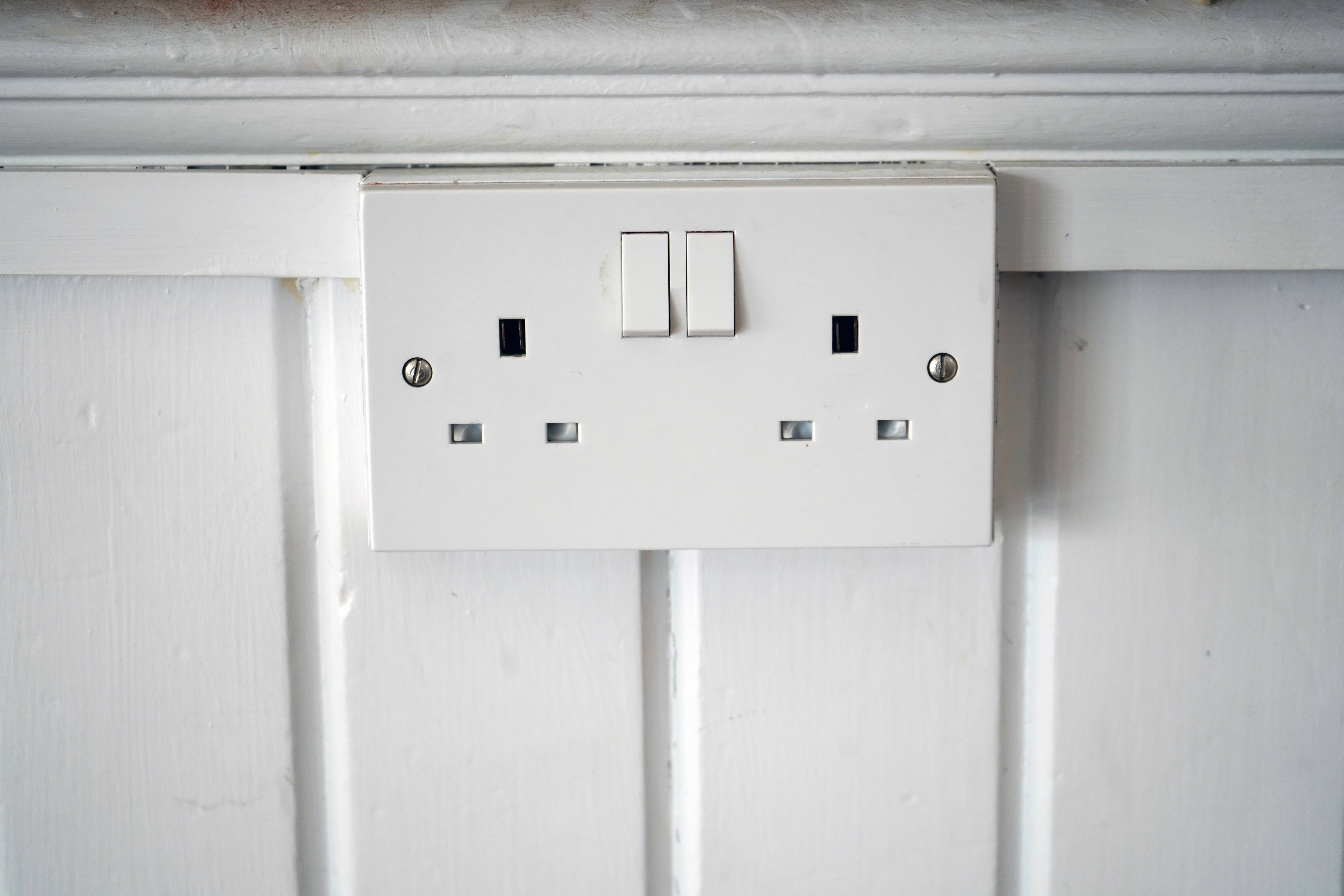
What It Means to Wire Two Switches in One Box with a Shared Ground
If you have ever opened an electrical box and found two switches sharing the same space, you already know the setup is fairly common in residential and commercial wiring. What is less obvious to most people is how the grounding works in that configuration, and why getting it right matters significantly more than most assume. Wiring two switches in a single gang or multi-gang box is not particularly complicated, but there is a specific logic to how current flows, how the ground conductor functions, and what proper technique actually looks like. Understanding that logic helps you make better decisions whether you are doing new construction, a retrofit, or troubleshooting an existing installation.
The Basics of a Double-Switch Box Configuration
A double-switch box is essentially a single electrical enclosure that houses two separate switches. Each switch typically controls a different load, maybe one controls overhead lighting while the other handles a ceiling fan or an exterior fixture. The box itself can be a standard two-gang plastic or metal enclosure. Power usually enters the box through one or more cables, and from there it gets distributed to each switch individually. In some configurations both switches share the same hot feed through a pigtail connection, while in others each switch is fed by its own cable. The arrangement depends on the circuit design, but either way, the grounding methodology follows the same principles.
Why Grounding Two Switches in One Box Actually Matters
Grounding is not optional, and it is not just a code formality. It is a direct safety path that redirects fault current away from people and toward the breaker, which then trips to protect the circuit. When you have two switches in one box, both devices need to be grounded, and the box itself may also require a ground connection depending on whether it is metal or plastic. A metal box must be grounded because the enclosure itself becomes part of the fault path if insulation fails on any conductor inside. A plastic box does not conduct electricity, so the box body does not need a direct ground, but the switches still do. Ignoring any of this creates a shock hazard that is difficult to detect until something goes wrong.
How the Ground Wire Is Shared Between Two Switches
This is where the pigtail technique comes in, and honestly it is one of the cleaner methods in residential electrical work. When two switches share a box and both require a ground connection, you do not simply daisy-chain the ground from one device to the next. Instead, you create a pigtail: a short length of bare or green-insulated wire that connects to both switch grounding screws and then ties back to the main ground wire coming into the box using a wire connector. If the box is metal, a third pigtail or a grounding screw threaded directly into the box ties the enclosure into the same ground path. This way, every device and the box itself share a continuous, reliable connection back to the panel ground. It is clean, it is code-compliant, and it works.
Step-by-Step Overview of the Wiring Process
Walking through the actual process is useful for grounding the concept, no pun intended. The general sequence looks like this:
- Turn off the breaker feeding the circuit and verify with a non-contact voltage tester before touching anything
- Pull the cables into the box and strip the outer sheath to expose the individual conductors
- Identify the hot (black), neutral (white), and ground (bare copper or green) conductors
- Connect the hot conductors to the appropriate terminals on each switch, using a pigtail if both switches share the same feed
- Cap or connect neutral wires if the switches require neutrals, which is increasingly common with smart switches
- Create ground pigtails from the incoming ground wire, one for each switch and one for a metal box if applicable
- Join all ground pigtails and the incoming ground with a wire connector
- Fold the wiring neatly into the box, seat the switches, and secure the cover plate
Metal Box vs. Plastic Box Grounding Differences
The type of enclosure changes the grounding requirements in a real and practical way. A metal box must be grounded, period. If a wire inside the box develops a fault and contacts the metal enclosure, that box becomes energized unless it has a direct ground path to redirect the current safely. A self-grounding switch can handle some of this when properly installed, but a dedicated ground pigtail to a grounding screw on the box is the more reliable and broadly accepted approach. Plastic boxes are non-conductive, so the enclosure itself cannot become energized, which eliminates one step. Still, both switches inside that plastic box need their own ground connections. The material of the box changes one aspect of the job, not the fundamental requirement that every device be grounded.
Common Mistakes When Wiring Two Switches with a Shared Ground
Mistakes in this kind of work tend to fall into a few predictable categories. Some are cosmetic and will not cause immediate problems, but others are genuine safety issues that a home inspector or an AHJ will flag immediately.
- Forgetting to ground the metal box body, leaving the enclosure without a fault path
- Daisy-chaining grounds by running wire from one switch terminal to the next instead of pigtailing back to the source
- Using undersized wire for the pigtails, which can create resistance and heating under fault conditions
- Over-tightening wire connectors to the point of damaging the conductor
- Reversing hot and neutral on a switch, which leaves the fixture energized even when the switch is off
- Skipping the neutral for smart switches, which typically require a neutral to power their internal electronics
When to Involve a Licensed Electrician
There is a fair amount of two-switch box wiring that a confident DIYer can handle, but there are situations where calling a licensed electrician is the right call. If the box is in an older home with aluminum wiring, that changes the material compatibility requirements significantly. If the existing wiring does not include a ground conductor at all, adding switches with proper grounding means running new cable or installing GFCI protection as an alternative code-compliant path. If you open the box and find wiring that does not match any logical configuration, that is a signal that previous work may have been done incorrectly and the whole circuit might need evaluation. Knowing the limits of a project is not a weakness. It is practical risk management.
Why Monoprice Is a Smart Choice for Your Electrical and Technology Needs
When you are working on electrical infrastructure projects, whether it is installing switches, running low-voltage wiring, or integrating smart home technology, having a reliable supplier for your components matters as much as the installation technique itself. Monoprice has built a reputation for delivering high-performance electrical and technology products without the inflated price tags that come with other brands. From wiring accessories and cable management solutions to smart home components and AV infrastructure, the product catalog is designed with working professionals and informed consumers in mind. If you are speccing out a complete installation and need dependable components at real-world pricing, explore the full range of electrical wiring supplies and smart home technology products at Monoprice to find solutions that fit both your project requirements and your budget. The combination of quality manufacturing standards, practical product design, and accessible pricing makes Monoprice a sensible partner for any installation, from a basic switch box upgrade to a full smart home integration.
Frequently Asked Questions About Wiring Two Switches in One Box with a Ground
Do both switches in a two-gang box need their own ground wire?
Yes. Each switch requires its own ground connection. The most reliable method is to create individual pigtail wires from the incoming ground conductor and connect one to each switch grounding screw, then join all pigtails together with a wire connector.
Can I use one ground wire for both switches without pigtailing?
You should not daisy-chain the ground by running it from one switch terminal to the other. If the first switch is ever removed, the second loses its ground connection. Pigtailing back to the source ensures both devices maintain independent ground paths.
Does a plastic electrical box need to be grounded?
No. Plastic boxes are non-conductive and cannot carry fault current, so the box body itself does not require a ground connection. However, the switches installed inside still require proper grounding regardless of box material.
What gauge wire should I use for ground pigtails in a switch box?
Ground pigtails should match the gauge of the circuit conductors. On a standard 15-amp circuit using 14-gauge wire, use 14-gauge for your pigtails. On a 20-amp circuit using 12-gauge wire, use 12-gauge pigtails throughout.
What happens if I forget to ground the metal box itself?
If a conductor inside the box contacts the ungrounded metal enclosure, the box becomes energized. Anyone who touches the box while also in contact with ground could receive a shock. Always ground metal boxes with a dedicated pigtail to the box grounding screw.
Do smart switches require different grounding considerations?
Grounding requirements are the same for smart switches. What changes is that most smart switches also require a neutral wire to power their internal electronics. Verify neutral availability in the box before purchasing any smart switch.
Can two switches in one box control the same light fixture?
Yes, this is a three-way switch configuration, but it typically uses a different wiring method than two independent switches sharing a box. Three-way switching requires traveler wires between the two switch locations, not just a shared hot feed.
Is it code-compliant to share a hot feed between two switches using a pigtail?
Yes. Pigtailing a shared hot feed to two switches in the same box is a standard and code-compliant technique. It ensures that removing one switch does not interrupt power to the other, which is a basic requirement under the National Electrical Code.
How do I know if the ground wire is actually working in my switch box?
A non-contact voltage tester can confirm that conductors are live, but verifying ground continuity requires a multimeter set to continuity or resistance mode. Measuring between the ground screw and the panel ground bus should show near-zero resistance in a properly grounded system.
What is the difference between a ground and a neutral wire in a switch box?
The neutral wire carries return current during normal circuit operation and is part of the active current path. The ground wire carries current only during fault conditions and provides a safe redirect to the panel. They are separate conductors with separate functions and should never be connected together at the device level.


