What Is RG6 Cable? Benefits, Use Cases, and Why Grounding Matters
What Is RG6 Cable and Why Does It Matter for Your Home or Installation
If you have ever set up a satellite dish, run a cable TV line through your walls, or wired a security camera system, there is a very good chance you were working with RG6 cable. It is one of the most widely used coaxial cables in residential and commercial installations, and for good reason. It handles high-frequency signals well, it is durable, and it is built to last in conditions that cheaper cables would simply fail under. But most people do not really know what makes it different from other coaxial options, how it actually works, or why something like grounding matters so much to performance and safety. This guide breaks it all down, clearly and practically, so you can make smart decisions whether you are running a single cable across a room or planning a full property installation.
Understanding the Physical Structure of RG6 Cable
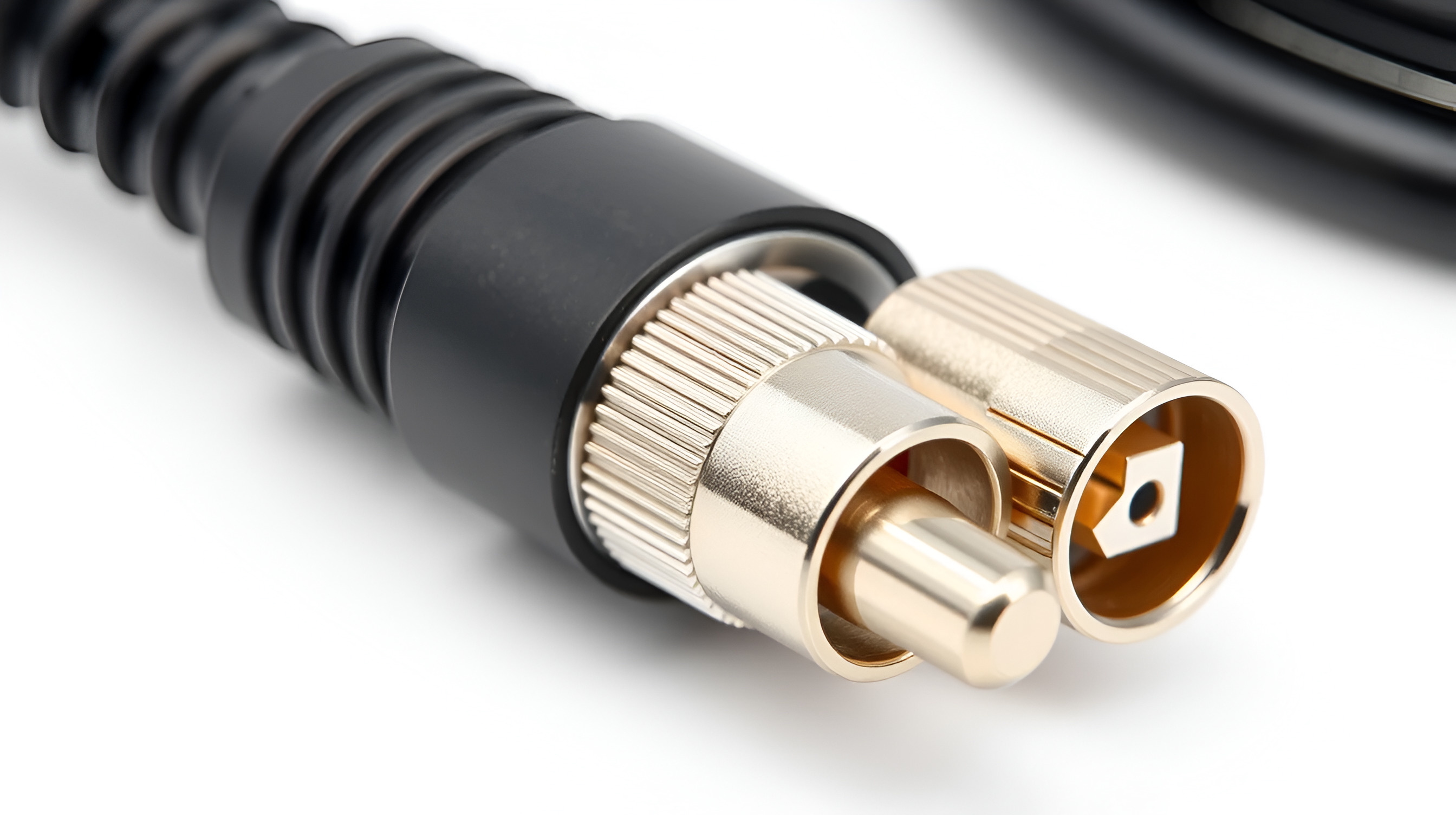
RG6 stands for Radio Guide 6, a designation that comes from military specifications developed decades ago. The cable itself is a coaxial design, meaning it consists of several concentric layers all working together. At the center is a solid copper or copper-clad steel conductor. That conductor carries the signal. Around it is a dielectric insulator, which separates the center conductor from the next layer. Then comes the shielding, typically a combination of a foil layer and a braided or spiral metallic wrap. That shielding is critical because it blocks electromagnetic interference from outside sources. The whole assembly is then protected by an outer plastic jacket. The result is a cable engineered to carry high-frequency RF signals over meaningful distances without significant signal degradation. The thicker dielectric on RG6 compared to older RG59 cable is a big part of why it handles higher frequencies better, which is exactly what modern digital cable, satellite, and broadband systems require.
What RG6 Cable Is Actually Used For
The use cases for RG6 are broad and practical. In residential settings, it is the standard cable for connecting satellite dishes and cable TV service to set-top boxes and televisions. It is also used for over-the-air antenna installations, particularly in setups that need to carry UHF and VHF signals across longer cable runs without losing too much signal strength. On the data side, RG6 is used in DOCSIS cable modem infrastructure, which is how most cable internet connections are delivered to homes and businesses. Security installers also rely on it for CCTV and analog camera systems, particularly when running cables through walls or conduit over longer distances. In commercial and MDU environments, it is a backbone component in structured cabling for distributed antenna systems and headend video distribution. The versatility of RG6 is a genuine advantage, and it is part of why the cable has remained relevant even as technology has evolved.
Key Benefits of Using RG6 Cable
There are several reasons RG6 has remained the go-to coaxial cable for installers and DIYers alike. Here are the most important ones to understand before you spec a project or make a purchase.
- Higher frequency support up to 3 GHz makes it compatible with satellite and modern broadband signals
- Better shielding than older coaxial types reduces interference and signal noise
- Longer effective run lengths compared to RG59 without requiring amplification
- Widely compatible with standard F-type connectors and splitters
- Available in multiple jacket types including flooded for outdoor or underground use
- Suitable for both analog and digital signal formats
Where RG6 Has Limitations
No cable is perfect for every situation, and it is worth being upfront about where RG6 has its boundaries. The copper-clad steel conductor found in lower-cost versions is less conductive than pure solid copper, which can matter on very long runs or in installations where every decibel of signal loss counts. RG6 is also a coaxial format, which means it is not designed for Ethernet networking in the traditional sense, though MoCA adapters can use it to carry network data over existing coax infrastructure. For extremely high-frequency microwave applications or professional broadcast use, specialized low-loss coaxial cables with tighter construction tolerances are typically preferred. And for tight spaces or installations requiring very flexible cable management, the stiffness of standard RG6 can be a minor inconvenience. These are not dealbreakers for the vast majority of applications, but they are worth factoring in when you are planning a more complex or precision-critical system.
RG6 vs RG59: Which One Should You Choose
This comparison comes up constantly, and the short answer is that RG6 is the better choice for most modern applications. RG59 was the residential standard for years, but it was designed for lower frequency signals. Its thinner dielectric and smaller conductor mean it loses signal strength faster over distance and struggles with the higher frequencies that satellite and digital cable systems use. If you are working on a new installation or replacing old cabling, RG6 is simply the smarter long-term investment. The price difference between the two is minimal, and the performance gap is meaningful, especially once you start running cables more than 25 or 30 feet. For baseband video applications like analog security cameras on very short runs, RG59 can still hold its own, but for anything involving broadcast frequencies or longer cable paths, RG6 is the correct specification.
Why Grounding Your RG6 Cable Is Not Optional
Grounding is one of those topics that gets skipped over in casual installation guides, and that is honestly a mistake. When a coaxial cable enters a structure from an outside antenna, satellite dish, or cable drop, it is acting as a potential conductor for any electrical surge it picks up, whether from a nearby lightning strike, a power line interaction, or accumulated static charge. If that cable runs directly into your equipment without a proper ground block, that energy has nowhere safe to go except into your devices. Grounding the coaxial shield at the point of entry, using a grounding block connected to your home's electrical ground, gives that energy a safe path to earth before it can do any damage. Most local electrical codes actually require this for exterior coaxial installations, and the NEC provides specific guidelines around grounding antenna and satellite conductors. Beyond protection, a properly grounded system can also reduce noise and interference in your signal path, which means cleaner picture quality and more reliable signal delivery. It is a small step that carries a large return.
Tips for Getting the Best Performance from Your RG6 Installation
Installing RG6 correctly matters as much as choosing the right cable. A few practical habits go a long way toward maximizing signal quality and system longevity.
- Use compression F-connectors instead of crimp-style for a tighter, more weather-resistant termination
- Avoid sharp bends in the cable, as kinking damages the dielectric and degrades signal quality
- Keep cable runs as short as practically possible to minimize signal loss
- Use a ground block at every exterior entry point and bond it to your home's grounding electrode system
- Limit the number of passive splitters in a run, as each one introduces signal loss
- Use quad-shield RG6 in environments with high electromagnetic interference or near fluorescent lighting
- Label all cable runs during installation to simplify future troubleshooting
Choosing the Right RG6 Cable for Your Specific Application
Not all RG6 cable is identical, and selecting the right variant for your installation makes a real difference. For interior wall fishing, a standard dual-shield RG6 with a PVC jacket handles most residential needs well. For outdoor runs, aerial installations, or burial applications, look for a cable rated for that specific use, typically with a UV-resistant jacket or a flooded gel core that prevents moisture intrusion. If you are in an environment with high signal loss requirements or running very long distances, quad-shield RG6 provides better shielding performance and is worth the modest additional cost. Solid copper center conductors are preferable over copper-clad steel in installations where maximum conductivity is needed. Paying attention to these details upfront saves troubleshooting time and avoids the cost of rework down the line.
Why Monoprice Is the Right Source for Your RG6 Cable Needs
When it comes to sourcing reliable coaxial cable for a home setup or a professional installation, the quality of what you put in the wall matters. Monoprice has built a trusted reputation among integrators, IT professionals, and savvy home users for delivering high-performance cables and connectivity products at pricing that genuinely makes sense. The RG6 cables available through Monoprice are built to real-world installation standards, with options spanning dual-shield and quad-shield configurations, various jacket types for indoor and outdoor applications, and multiple spool lengths to match projects of any scale. You are not paying for a brand name, you are paying for performance, and that is a distinction worth making. If you are ready to source the right coaxial cable for your next project, explore the full selection of high-performance RG6 coaxial cables and accessories at Monoprice, your trusted source for professional-grade RG6 coaxial cable and installation supplies. Whether this is your first DIY antenna run or your hundredth commercial coax drop, the right cable starts with the right supplier.
Frequently Asked Questions About RG6 Cable
What does RG6 stand for?
RG6 stands for Radio Guide 6, a designation derived from military cable specifications. It refers to a specific type of coaxial cable designed to carry radio frequency signals, with the number indicating a particular set of physical and electrical characteristics.
Is RG6 cable suitable for internet use?
Yes, RG6 is the standard cable used in DOCSIS-based cable internet infrastructure. It carries the broadband signal from the utility entry point to your cable modem and is fully compatible with modern cable internet service.
What is the maximum length you can run RG6 cable?
For most residential applications, RG6 performs reliably up to around 100 feet without amplification. Longer runs are possible but will experience signal attenuation. For runs exceeding 150 to 200 feet, an inline amplifier or signal booster is typically recommended.
What is the difference between dual-shield and quad-shield RG6?
Dual-shield RG6 has one foil layer and one braided layer of shielding, which is sufficient for most home installations. Quad-shield RG6 adds a second foil and braided layer, providing significantly better protection against electromagnetic interference in demanding environments.
Do I really need to ground my RG6 cable?
Yes. Grounding is required by the National Electrical Code for any coaxial cable entering a structure from outside. It protects your equipment from electrical surges and static buildup and can also reduce signal noise in your installation.
Can RG6 carry 4K satellite or TV signals?
Yes. RG6 supports frequencies up to 3 GHz, which covers the signal requirements for satellite systems including those delivering 4K content. It is the recommended cable type for DirecTV, DISH, and similar satellite services.
What connectors does RG6 use?
RG6 cable most commonly uses F-type connectors, which are the threaded connectors you see on the back of cable boxes, televisions, and satellite equipment. Compression-style F connectors provide the best weather resistance and signal integrity.
Can I use RG6 for a security camera system?
Yes, RG6 is a solid choice for analog CCTV and security camera installations, particularly over longer cable runs where RG59 would lose too much signal. It delivers reliable baseband video transmission in both indoor and outdoor applications.
What is the difference between RG6 and RG11?
RG11 is a larger, lower-loss coaxial cable used for very long runs or trunk lines where maintaining signal strength over distance is critical. It is less flexible and more expensive than RG6, making it better suited to commercial infrastructure than typical residential use.
Is RG6 cable weatherproof for outdoor installation?
Standard RG6 with a PVC jacket is not rated for prolonged outdoor or burial use. For exterior applications, you should use RG6 with a UV-resistant jacket, a direct burial rating, or a flooded core design that prevents moisture from traveling inside the cable over time.