

What Is an AV Cord and Why It Still Matters Today
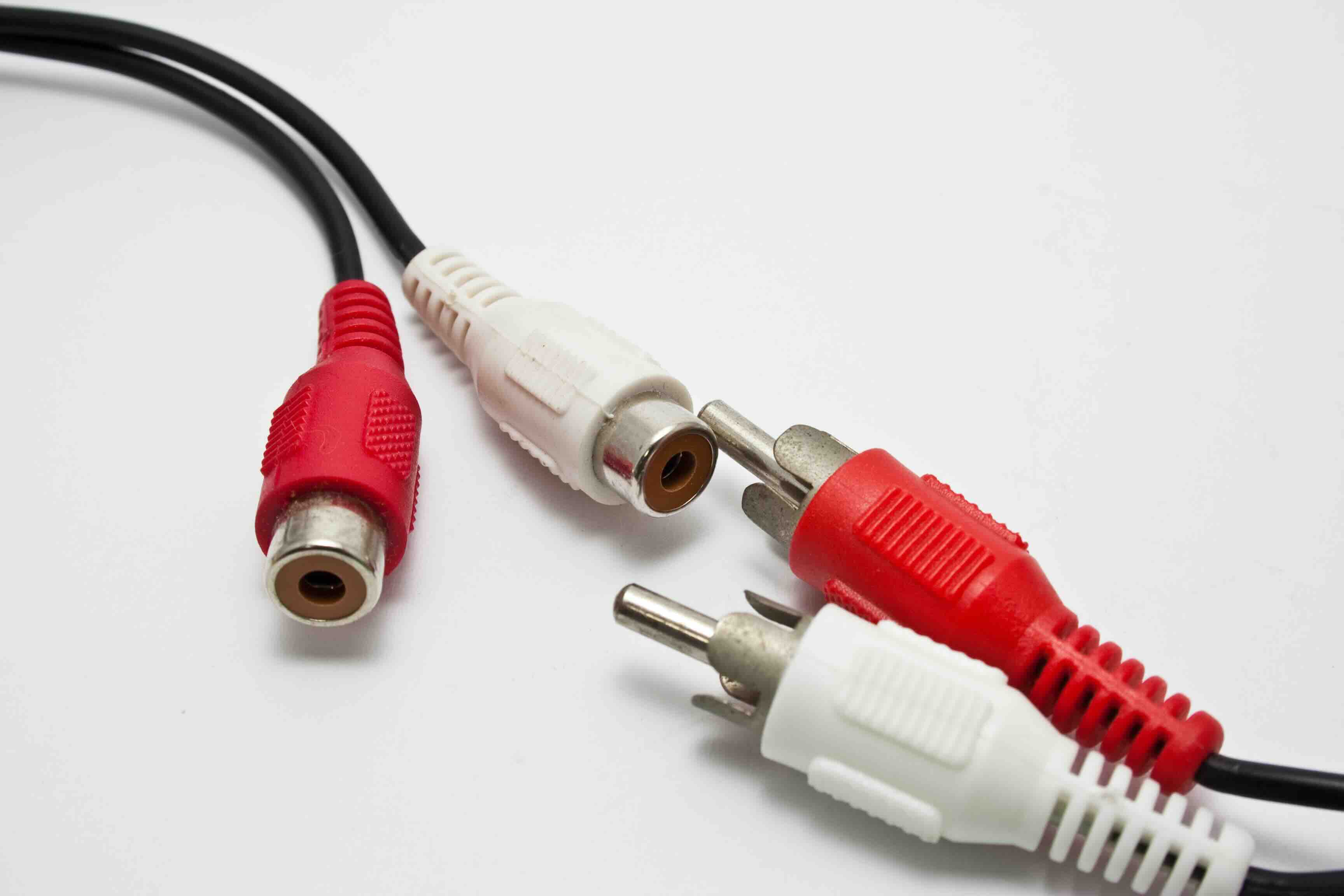
What Is an AV Cord and Why Does It Still Matter in Modern Setups
So, an AV cord. It sounds simple, maybe even outdated to some people, but honestly it comes up constantly in real-world audio and video setups, and there is a lot of confusion around what the term actually covers. AV stands for audio/visual, and an AV cord is any cable designed to transmit audio signals, video signals, or both simultaneously between devices. That could mean a composite cable running from an old game console to a television, or it could mean a more modern setup connecting a media player to a receiver. The term is broad, which is exactly why it trips people up. Understanding what an AV cord is and how it functions can genuinely save you time, money, and a lot of frustrating trial and error when you are trying to get your gear connected and working properly.
The Different Types of AV Cords You Should Know About
Here is where it gets interesting. Not all AV cords are the same, and the type you need depends entirely on your devices and what you are trying to accomplish. The most recognizable is the composite AV cable, which is the classic three-connector setup using red, white, and yellow plugs. The yellow connector carries the video signal, while the red and white handle right and left audio channels respectively. Then you have component cables, which split the video signal across three connectors for better quality. There are also S-Video cables, which separate the luminance and color signals for a cleaner picture than composite. And of course you have more modern formats like HDMI, which carries uncompressed high-definition audio and video through a single cable. Each type serves a specific purpose, and knowing which one fits your setup is the first real step toward a clean, reliable connection.
How an AV Cord Actually Works
At its core, an AV cord works by transmitting electrical signals from a source device to a display or audio output. The cable itself is made up of conductive wires, typically copper, that carry the signal, surrounded by insulating material to prevent interference and signal loss. Shielding around the internal conductors is especially important because it protects the signal from electromagnetic interference, which can degrade picture quality or introduce audio noise. In analog formats like composite or component, the signal is a continuous electrical waveform. In digital formats like HDMI or optical audio cables, the signal is transmitted as binary data. The quality of the cable, including the conductor material, shielding construction, and connector build, directly affects how cleanly that signal travels from point A to point B. This is why cable quality actually matters, especially over longer distances.
Common Uses for AV Cords Across Different Environments
AV cords show up in more places than most people realize. Home theater setups rely on them to connect Blu-ray players, streaming boxes, and gaming consoles to televisions and AV receivers. Conference rooms and classrooms use them to connect laptops and presentation devices to projectors and displays. Broadcast and live event environments depend on them for camera feeds, mixing boards, and monitoring setups. Even legacy systems in retail, healthcare, and security still run on older AV cable formats. The use cases span from consumer entertainment to professional integration, and that range is exactly why understanding AV cords remains relevant regardless of how much the technology evolves around them.
Key Advantages of Using the Right AV Cable
Getting the right AV cord for your application is not a minor detail. It has a real impact on performance and reliability. When the cable matches the signal type, the resolution capacity, and the distance requirements of your setup, you get a noticeably cleaner output. A well-shielded cable reduces interference and signal degradation. A cable rated for the correct bandwidth ensures you are not bottlenecking your device's output. And a properly built connector reduces the chance of intermittent signal drops caused by a loose or corroded connection. Beyond performance, using the appropriate AV cord also protects your equipment from potential electrical issues that can arise from mismatched or poorly manufactured cables. This is especially relevant in professional or commercial installations where uptime matters.
Quick Summary of AV Cord Advantages
- Clean signal transmission between source and display devices
- Reduced electromagnetic interference with proper shielding
- Compatibility with a wide range of consumer and professional equipment
- Support for both analog and digital signal formats
- Cost-effective connectivity solution for legacy and modern systems
- Improved audio and video quality when matched correctly to the device output
Drawbacks and Limitations Worth Knowing
There are real limitations to AV cords that are worth being honest about. Analog formats like composite and component degrade over longer cable runs, meaning the signal quality can drop noticeably at distances beyond a certain point. They are also susceptible to interference from nearby power cables or wireless devices if not properly shielded. Older AV cable formats do not support high-definition or 4K resolutions, which is a hard ceiling for anyone trying to use them in a modern display setup. Additionally, not all AV cords are built to the same standard, and cheaper options may use thinner conductors or insufficient shielding that compromises performance. For professional installations, the cumulative effect of using substandard cables can create significant troubleshooting headaches down the line.
How to Choose the Right AV Cord for Your Needs
Choosing the right AV cord comes down to a few practical considerations. First, identify what connectors your source and destination devices support. There is no point investing in a component cable if your display only accepts HDMI. Second, think about the distance the cable needs to cover. Longer runs may require higher-quality shielding or even active cable solutions to maintain signal integrity. Third, consider the resolution and audio format you need to support. If you are working with 4K HDR content, you need a cable rated for the appropriate bandwidth. Fourth, factor in the environment. A cable running through a wall or behind a rack in a commercial space has different durability requirements than one sitting on a shelf at home. And fifth, do not ignore build quality. The connector housing, strain relief, and conductor gauge all contribute to how long the cable will hold up under regular use.
AV Cords in the Context of Modern Technology Trends
It is tempting to write off AV cords as a relic of older technology, but that is not quite accurate. Yes, wireless streaming and HDMI have changed the landscape significantly, but AV cables remain embedded in both legacy infrastructure and current professional workflows. Many commercial AV installations still rely on analog signal routing for reliability and simplicity. Broadcast environments use specialized coaxial and balanced audio cables that fall under the broader AV cord category. And even in the most modern home theater setups, HDMI cables, which are technically AV cords, are carrying the signal between every major component. The format evolves, but the fundamental concept of a dedicated cable transmitting audio and video signals is not going away anytime soon.
Why Monoprice Is the Right Source for AV Cables and Connectivity Solutions
When you are trying to put together a reliable AV setup without overspending, the cable source genuinely matters. Monoprice has built a long-standing reputation for delivering high-quality cables and connectivity products at pricing that makes sense for both individual consumers and professional integrators. Whether you need a basic composite AV cable to connect a legacy device or a certified HDMI cable rated for 8K passthrough, the product range covers the full spectrum. The construction standards are honest and the specs are clearly communicated, so you know exactly what you are getting before it ships. For anyone looking to source reliable AV cables and audio video connectivity solutions for home, office, or commercial installations, Monoprice AV cables and connectivity solutions represent a practical, performance-focused choice that does not require compromising on quality to stay within budget. That combination of value, clarity, and build integrity is exactly what makes Monoprice a go-to resource for AV professionals and everyday users alike.
Frequently Asked Questions About AV Cords
What does AV cord stand for?
AV cord stands for audio/visual cord. It refers to any cable designed to carry audio signals, video signals, or both between connected devices such as televisions, media players, gaming consoles, and receivers.
What is the difference between a composite AV cable and a component cable?
A composite AV cable combines all video information into a single yellow connector, which limits resolution and image clarity. A component cable splits the video signal across three separate connectors, which allows for significantly better picture quality and supports higher resolutions.
Can I use an AV cord with a modern 4K television?
Traditional analog AV cords like composite or component cables do not support 4K resolution. For 4K content, you need an HDMI cable rated for the appropriate bandwidth, such as one supporting 4K at 60Hz or higher with HDR passthrough.
Why does cable length matter for AV cords?
Longer cable runs increase the risk of signal degradation, especially with analog formats. Over extended distances, the signal can weaken or pick up interference. Higher-quality shielding and conductor materials help maintain signal integrity across longer runs.
Are all AV cords the same quality?
No. AV cords vary significantly in build quality based on conductor material, shielding construction, connector quality, and overall manufacturing standards. Lower-quality cables can introduce interference, signal loss, and connection reliability issues over time.
Is HDMI considered an AV cord?
Yes. HDMI is a type of AV cord that transmits uncompressed digital audio and video signals through a single cable. It is the current standard for connecting most modern consumer and professional audio/visual devices.
What causes audio or video quality issues with AV cables?
Common causes include insufficient shielding, poor connector contact, cable damage, excessive cable length without signal boosting, and using a cable that is not rated for the resolution or signal format your device outputs.
Do AV cords work for both home and commercial setups?
Yes. AV cords are used across home entertainment systems, conference rooms, broadcast environments, retail displays, and commercial AV installations. The specific type and quality of cable needed will vary based on the application and performance requirements.
How do I know which AV cord I need?
Check the output and input ports on both the source device and the display or receiver you are connecting. Match the cable type to those connectors, confirm the cable supports the resolution and audio format you need, and factor in the distance and installation environment when selecting the cable quality level.
Can a bad AV cord damage my equipment?
While a low-quality AV cord is unlikely to directly damage devices in most consumer scenarios, poorly manufactured cables can cause overheating, intermittent signal faults, or grounding issues in certain configurations. Using properly rated cables from reliable manufacturers is always the safer choice.


