What Is a Coaxial Outlet and Why It Still Matters
What Is a Coaxial Outlet and Why Does It Still Matter?
So you moved into a new place, or maybe you are rewiring an older home, and somewhere on the wall there is this round port with a small metal pin in the center. That right there is a coaxial outlet, and honestly, more people should know what it actually does before they decide to ignore it or rip it out. A coaxial outlet is a wall-mounted connection point designed to interface with coaxial cable, which is a type of shielded electrical cable that carries high-frequency signals. These outlets are built to support cable television, satellite service, over-the-air broadcast signals, and in some cases, internet service delivered through a cable modem. The term coaxial comes from the cable design itself, where the inner conductor and the outer shielding share the same geometric axis. It is a pretty elegant piece of engineering that has been around since the mid-twentieth century and still shows up in millions of homes and commercial buildings today.
How a Coaxial Outlet Works
The outlet itself is the termination point of a coaxial cable run that typically travels inside your walls from an external source, whether that is a utility connection from a cable provider, a satellite dish mounted outside, or an antenna in your attic. Inside the wall, the coaxial cable consists of a copper center conductor, a dielectric insulator surrounding it, a braided or foil metallic shield, and an outer plastic jacket. When you plug a device into a coaxial outlet using a coaxial cable with an F-type connector, the signal travels from the source through all those layers and into whatever device you have connected, whether that is a television, a cable box, or a cable modem. The shielding is the real hero here. It keeps outside electromagnetic interference from corrupting the signal traveling down that center conductor. That design is exactly why coaxial cable performs so well over long runs and in environments with a lot of electrical noise.
The Anatomy of a Coaxial Outlet
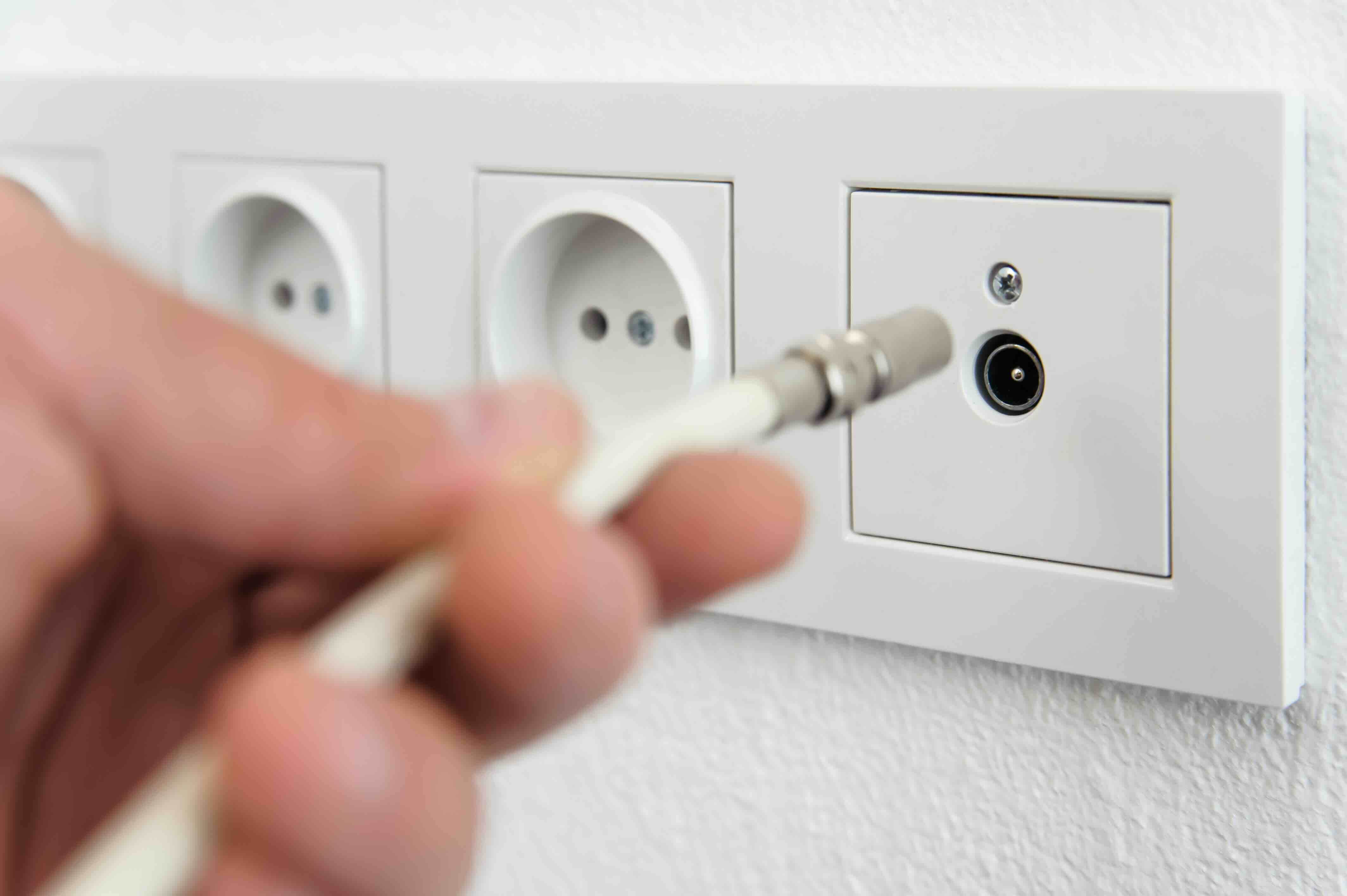
A standard coaxial wall outlet looks deceptively simple. What you see on the surface is a small faceplate with a threaded port in the center. That port is almost universally an F-type connector in residential and light commercial installations throughout North America. Inside the wall, it connects to a coaxial cable that has been run from a distribution point, splitter, or direct feed. The outlet itself does not amplify or process the signal at all. It is purely a passive interface point. The quality of the outlet, including the connector plating, the body material, and how tightly the cable terminates, all affect signal loss and long-term reliability. This is something a lot of people gloss over when setting up home AV or cable internet systems, and then they wonder why they are getting pixelation or slow speeds.
Common Uses for a Coaxial Outlet in Modern Homes
Even as streaming has taken over, the coaxial outlet has not become obsolete. There are several practical and active use cases that keep these outlets relevant in residential and commercial installations. Here is where you will still find them doing real work:
- Cable television service from providers that have not yet transitioned to IP-based delivery
- Satellite television systems, which rely heavily on coaxial runs from the dish to receivers
- Over-the-air antenna connections for local broadcast channels, which are free and still popular
- Cable internet service, where the modem connects to the coaxial outlet and bridges to your router
- MoCA networking, which uses existing coaxial cable infrastructure to extend wired networking throughout a home without pulling new Ethernet cable
That last one, MoCA, is worth pausing on for a second. It is genuinely underutilized. If your home already has coaxial outlets in multiple rooms, you can use a pair of MoCA adapters to create a fast, low-latency wired network connection between devices using those existing cable runs. No drilling, no fishing new wires. That alone makes knowing your coaxial outlets worthwhile.
Key Advantages of Coaxial Outlets
There is a reason this technology has persisted through multiple waves of connectivity innovation. Coaxial infrastructure offers real, measurable advantages that other formats have struggled to fully replace. The shielded design makes coaxial connections exceptionally resistant to signal interference, which matters in environments with a lot of competing electronic devices. The cable itself can carry signals across long distances with relatively low signal degradation, especially when compared to unshielded twisted pair cable. Coaxial outlets are also standardized, meaning the connectors and hardware are broadly compatible across manufacturers and brands. Installation is straightforward for a trained installer, and the hardware is widely available and affordable. For cable internet users, the coaxial outlet delivers consistent throughput that many households depend on every single day.
Common Drawbacks to Be Aware Of
No technology is without limitations, and coaxial is no exception. Signal loss is real, especially when you introduce multiple splitters into a cable run. Each split reduces the signal strength reaching the end device, and if you are daisy-chaining several splitters to feed multiple televisions and a modem, you may start seeing performance issues. The connectors themselves, if improperly installed or low quality, can corrode over time or allow moisture intrusion, particularly in outdoor or exposed installations. Bandwidth on coaxial, while more than adequate for current cable internet tiers, does have theoretical ceilings that fiber-based infrastructure eventually surpasses. And while MoCA is a clever workaround for whole-home networking, it requires additional hardware and is not quite as seamless as a purpose-built Ethernet installation. These are not deal-breakers, but they are worth planning around.
How to Identify a Coaxial Outlet in Your Space
If you are unsure whether what is on your wall is actually a coaxial outlet, it is fairly easy to confirm. Look for a round port about three-quarters of an inch in diameter with a small metal pin protruding from the center, surrounded by a threaded outer ring. The faceplate typically sits flush with the wall and may be labeled with a small television or cable icon, though older installations often have no labeling at all. This connector style is called an F-type, and it is the dominant standard in North American residential cable systems. If the port instead has multiple pins arranged in a pattern, you might be looking at something else entirely, like an old telephone or satellite-specific port. A quick visual comparison with an F-type connector image will confirm what you have.
Practical Tips for Getting the Most Out of Your Coaxial Outlet
Getting good performance from a coaxial outlet is not complicated, but there are some habits worth building into any installation or troubleshooting process. Use the right cable for the application. RG6 is the current standard for residential use and performs significantly better than the older RG59 at higher frequencies and longer cable runs. Make sure every connector is properly torqued onto the port, hand-tight at minimum, with no exposed center conductor beyond what is appropriate. Limit the number of splitters in any single cable run, and when you do need to split, use a quality splitter rated for the frequency range you are working with. If you are installing a new coaxial outlet or replacing an old one, choose hardware with quality plating on the connector to reduce corrosion risk over time. And if you are troubleshooting signal issues, always start at the outlet and work back toward the source rather than assuming the device is at fault.
Why Monoprice Is the Smart Choice for Your Coaxial Cable Needs
When you are sourcing coaxial cables, wall plates, connectors, splitters, or any related infrastructure, the brand behind the hardware matters more than most people realize. Monoprice has built a well-earned reputation for delivering high-performance AV and networking accessories at prices that make sense for both individual homeowners and large-scale commercial integrators. Whether you need a single coaxial wall plate for a living room setup or a complete cable run for a multi-room installation, you will find purpose-built products that meet the technical requirements without unnecessary markup. The team at Monoprice understands how these systems actually get used in the field, and that practical perspective shows up in the product design and selection. If you are ready to put together a reliable coaxial setup or upgrade aging cable infrastructure in your home or facility, explore the full range of coaxial cables, wall plates, and signal accessories at Monoprice and see what a well-priced, performance-focused solution actually looks like.
Frequently Asked Questions About Coaxial Outlets
What is the difference between a coaxial outlet and a regular power outlet?
A coaxial outlet carries audio and video signal data, not electrical power. It uses an F-type connector and is part of your cable television, satellite, or internet infrastructure, not your home electrical system.
Can I use a coaxial outlet for internet service?
Yes. Most cable internet providers deliver service through a coaxial outlet, which connects to a cable modem. The modem then connects to your router to distribute wireless or wired internet throughout your space.
What type of coaxial cable should I use for a residential installation?
RG6 is the current recommended standard for residential coaxial installations. It handles higher frequencies more efficiently than the older RG59 and performs better over longer cable runs.
How do I know if my coaxial outlet is active?
You can test a coaxial outlet using a coaxial cable signal tester or by connecting a television with a built-in tuner and scanning for channels. If no signal is found, the outlet may not be connected to an active feed or may have a damaged cable run.
Can a coaxial outlet be used for networking?
Yes, through a technology called MoCA, which stands for Multimedia over Coax Alliance. MoCA adapters allow you to use existing coaxial cable infrastructure to create a high-speed wired network between rooms without installing new Ethernet cable.
Do splitters affect coaxial signal quality?
Yes, every splitter introduces signal loss. A two-way splitter typically reduces signal strength by around three to four decibels on each port. Too many splitters in a single run can cause noticeable performance issues with television picture quality or internet speeds.
How do I properly connect a coaxial cable to an outlet?
Thread the F-type connector onto the outlet port and turn it clockwise until it is snug. Hand-tight is acceptable in most cases, but a quarter turn with a wrench or connector tool ensures a secure, low-resistance connection that resists loosening over time.
Is a coaxial outlet the same as a cable TV outlet?
Effectively yes, in most residential contexts. Cable TV providers use coaxial infrastructure and F-type connectors, so what most people call a cable outlet is technically a coaxial outlet. The same port can also be used for satellite service, over-the-air antennas, and cable internet.
Can outdoor coaxial outlets be used, and how are they different?
Outdoor coaxial connections are common for antenna and satellite installations. Outdoor-rated cable and weatherproof fittings are required to prevent moisture intrusion and signal degradation. Indoor coaxial outlets should not be directly exposed to weather without proper weatherproofing.
How long does a coaxial outlet last?
A properly installed coaxial outlet can last for decades under normal residential conditions. However, the connector can corrode over time, especially in humid environments, and the cable connection inside the wall can degrade if the original termination was poorly done. Replacing the outlet faceplate and re-terminating the cable is a straightforward fix when performance issues develop.