

Wall Cable Mounts: Types, Benefits, and How to Choose
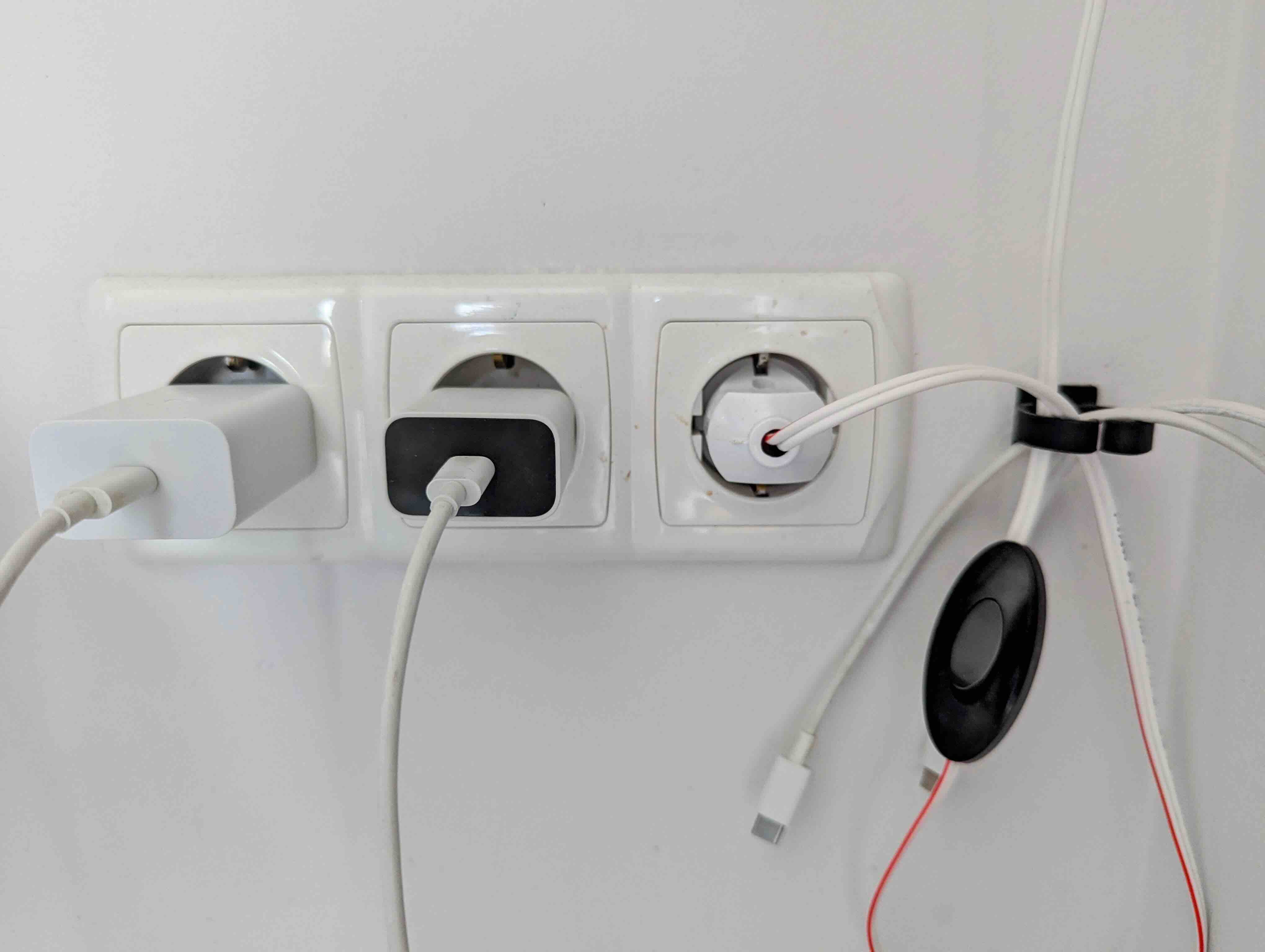
Wall Cable Mounts Explained: What They Are and Why They Matter
So you've got cables running everywhere. Behind the TV, across the floor, snaking around furniture -- and at some point it just becomes a problem. Not just visually, but practically. Wall cable mounts are one of those solutions that seem minor until you actually use one, and then you kind of wonder how you managed without it. At the most basic level, a wall cable mount is a hardware accessory designed to hold, route, or organize cables along a wall surface. That's really it. But the execution and variety of options out there make this a much bigger conversation than it first appears.
How Wall Cable Mounts Actually Work
The core function is straightforward. A wall cable mount attaches to a wall -- usually via adhesive, screws, or clips -- and holds one or more cables in a defined path. Some designs are simple J-hooks or cable clips that keep a wire pressed against the wall. Others are raceways, which are enclosed channels that completely conceal the cables running through them. More advanced setups involve in-wall conduit kits that route cables through the drywall entirely, which gives you a truly clean, professional look. The mechanism depends on what you're mounting, how many cables are involved, and what your wall surface can support. Drywall, brick, concrete, and wood paneling all have different requirements, so material selection matters early in the planning process.
Types of Wall Cable Mounts You Should Know About
There isn't one universal wall cable mount. The category branches into several distinct product types, each serving a specific use case. Understanding the differences helps you pick the right solution the first time instead of buying twice.
- Cable clips and adhesive mounts are low-profile, easy to install, and work well for single cables or light-duty routing
- Cable raceways are the most popular for living rooms and offices because they conceal multiple cables behind a flat, paintable cover
- In-wall cable management kits route cables through the wall itself, ideal for mounted TVs and clean media setups
- J-hooks are a standard in commercial and data center environments, designed to support larger bundles overhead or along walls
- Cable saddles and conduit straps are common in industrial or structured wiring installations
Key Advantages of Using Wall Cable Mounts
Let's be direct about why this matters. The most obvious benefit is aesthetics -- a wall with neatly organized cables just looks more professional and intentional. But beyond appearances, wall cable mounts offer real functional value. Organized cables are easier to troubleshoot when something goes wrong. They're less likely to be tripped over, disconnected accidentally, or damaged by foot traffic. In commercial installations, proper cable routing also supports compliance with building codes and safety standards. For home theater setups in particular, using a wall cable mount for your TV connections eliminates the visual clutter that pulls attention away from the screen. In business environments -- offices, classrooms, conference rooms -- cable management signals operational maturity and reduces maintenance overhead over time.
Common Drawbacks Worth Considering Before You Buy
No solution is perfect, and wall cable mounts have their trade-offs. Adhesive-based mounts can fail on certain wall surfaces, especially in humid environments or over time with temperature fluctuations. Raceways that aren't painted to match the wall stand out more than they should. In-wall kits require cutting into drywall, which means some level of handyman skill and comfort with patching if things change later. Cable clips and basic saddles don't offer much protection against physical damage -- they hold position but won't shield cables from impact or wear. And if you're renting a space, wall-mounted cable solutions that involve drilling may simply not be an option without landlord approval. These aren't deal-breakers, just factors to weigh upfront.
Installation Tips for a Clean, Professional Result
Installation is where most people either get it right or make a mess of it. A few practical guidelines make a meaningful difference. Plan the full cable run before mounting anything -- know where each cable starts, where it ends, and what path makes the most sense along the wall. Group cables with similar functions together where possible to reduce future confusion. Use a stud finder before drilling anything into drywall, especially if you're supporting heavier cable bundles. For adhesive mounts, clean the wall surface thoroughly with isopropyl alcohol before applying -- adhesion fails fast on dusty or oily walls. Label your cables before routing them into a raceway or conduit; pulling them back out later to identify them is frustrating work. And leave a little slack at each termination point. Cables under tension fail sooner than cables with a bit of give.
Wall Cable Mounts in Commercial and AV Installations
The residential use case is well understood, but commercial applications are where wall cable mounts become genuinely critical infrastructure. AV integrators working on boardrooms, auditoriums, retail displays, and education environments deal with high cable counts across long runs. Wall-mounted cable management in these contexts often uses a combination of surface raceways, J-hook assemblies, and in-wall conduit to handle HDMI, Cat6, coaxial, and power cables simultaneously. Clean routing isn't just about looks in these environments -- it's about serviceability, signal integrity, and code compliance. A disorganized cable run in a commercial AV installation can mask a grounding issue, introduce interference, or create a tripping hazard that becomes a liability. Investing in proper wall cable mount systems from the start avoids expensive rework down the road.
Choosing the Right Wall Cable Mount for Your Setup
The right choice comes down to four questions. First, how many cables need to be managed? A single HDMI cable to a wall-mounted TV needs something different than a rack of network drops in a server room. Second, what is the wall surface? Concrete and brick require different anchors than standard drywall. Third, is concealment a priority? If the goal is a fully invisible cable run, an in-wall kit is the right direction. If surface mounting is acceptable, a raceway or clip system gets the job done faster. Fourth, is this a permanent or temporary installation? Adhesive-based solutions are better for renters or spaces that change frequently. Screw-mounted systems are more durable and load-bearing for permanent setups. Answer those four questions honestly and your product selection narrows down quickly.
Wall Cable Mounts and Signal Performance: What You Should Know
Here's something that gets overlooked. The way cables are routed can affect signal performance, particularly for high-speed data and video cables. Sharp bends, tight bundles, and proximity to power cables can all introduce interference or degrade signal integrity over longer runs. Wall cable mounts that keep cables in a straight, organized path reduce the risk of these issues. For HDMI cables carrying 4K or 8K signals, or Cat6 cables supporting gigabit networking, proper routing isn't just aesthetics -- it's performance management. High-quality wall raceways and in-wall conduit kits that provide a clean, low-friction path protect cable geometry and maintain bend radius specifications. It's a detail that separates amateur installations from ones that actually perform over time.
Why Monoprice Is a Smart Choice for Wall Cable Mount Solutions
When it comes to sourcing wall cable mounts and cable management accessories, the supplier matters as much as the product spec. Monoprice has built a well-earned reputation for delivering high-performance installation products at pricing that makes sense for both individual buyers and large-scale commercial projects. Whether you're setting up a living room media center, wiring a corporate conference room, or managing structured cabling across a multi-room AV installation, the product depth and quality standards at Monoprice support every level of that work. For anyone looking to invest in reliable, professionally-graded wall cable mount and cable management solutions, Monoprice delivers the product range, technical credibility, and value proposition that experienced integrators and first-time installers alike can trust. The combination of accessible pricing, quality construction, and broad selection makes it a practical first stop for any cable management project, regardless of scale.
Frequently Asked Questions About Wall Cable Mounts
What is a wall cable mount used for?
A wall cable mount is used to attach, route, and organize cables along a wall surface. It keeps cables in place, reduces clutter, improves safety, and gives installations a cleaner, more professional appearance.
What is the difference between a cable raceway and a cable clip?
A cable raceway is an enclosed channel that conceals multiple cables inside a protective cover, while a cable clip is a smaller fastener that holds a single cable flat against the wall without enclosing it. Raceways are better for high cable counts and cleaner aesthetics.
Can wall cable mounts be used without drilling?
Yes. Many wall cable mounts use adhesive backing that attaches to the wall without screws or anchors. These are suitable for lighter cables and smooth wall surfaces, and are a good option for renters or temporary installations.
Do wall cable mounts affect signal quality?
When used correctly, wall cable mounts actually help protect signal quality by maintaining proper cable geometry, reducing sharp bends, and keeping signal cables separated from power cables. Poor routing, however, can introduce interference or signal degradation.
What type of wall cable mount works best for a mounted TV?
An in-wall cable management kit is the most popular choice for wall-mounted TVs because it routes cables completely through the wall for a clean, cord-free appearance. Surface raceways are a strong alternative when in-wall installation isn't possible.
Are wall cable mounts compatible with all wall types?
Most wall cable mounts work across drywall, wood, and plaster surfaces. Brick, concrete, and masonry walls require specific anchors and may need a hammer drill for proper installation. Always check the mount's specifications against your wall type before purchasing.
How many cables can fit inside a wall cable raceway?
Capacity varies by raceway size. Smaller raceways typically fit two to four standard cables, while wider commercial-grade raceways can accommodate a dozen or more depending on cable diameter. Always choose a raceway with some extra capacity to allow for future cable additions.
Is professional installation required for wall cable mounts?
Most surface-mount options like cable clips, adhesive mounts, and raceways are designed for DIY installation and require minimal tools. In-wall cable kits are more involved but are still manageable for confident DIYers. Commercial installations with large cable bundles or code requirements may benefit from a professional installer.
Can wall cable mounts be painted to match the wall?
Most plastic cable raceways are paintable with standard latex paint, which allows them to blend into the wall color for a less visible appearance. It is recommended to prime the surface of the raceway lightly before painting for better adhesion and a more even finish.
What is the best way to organize cables inside a wall raceway?
Group cables by function before placing them in the raceway -- power cables separate from data and video cables where possible. Label each cable at both ends before routing, and avoid overpacking the raceway to prevent heat buildup and make future access easier.


