

USB to Electrical Outlet Adapters: A Complete Guide
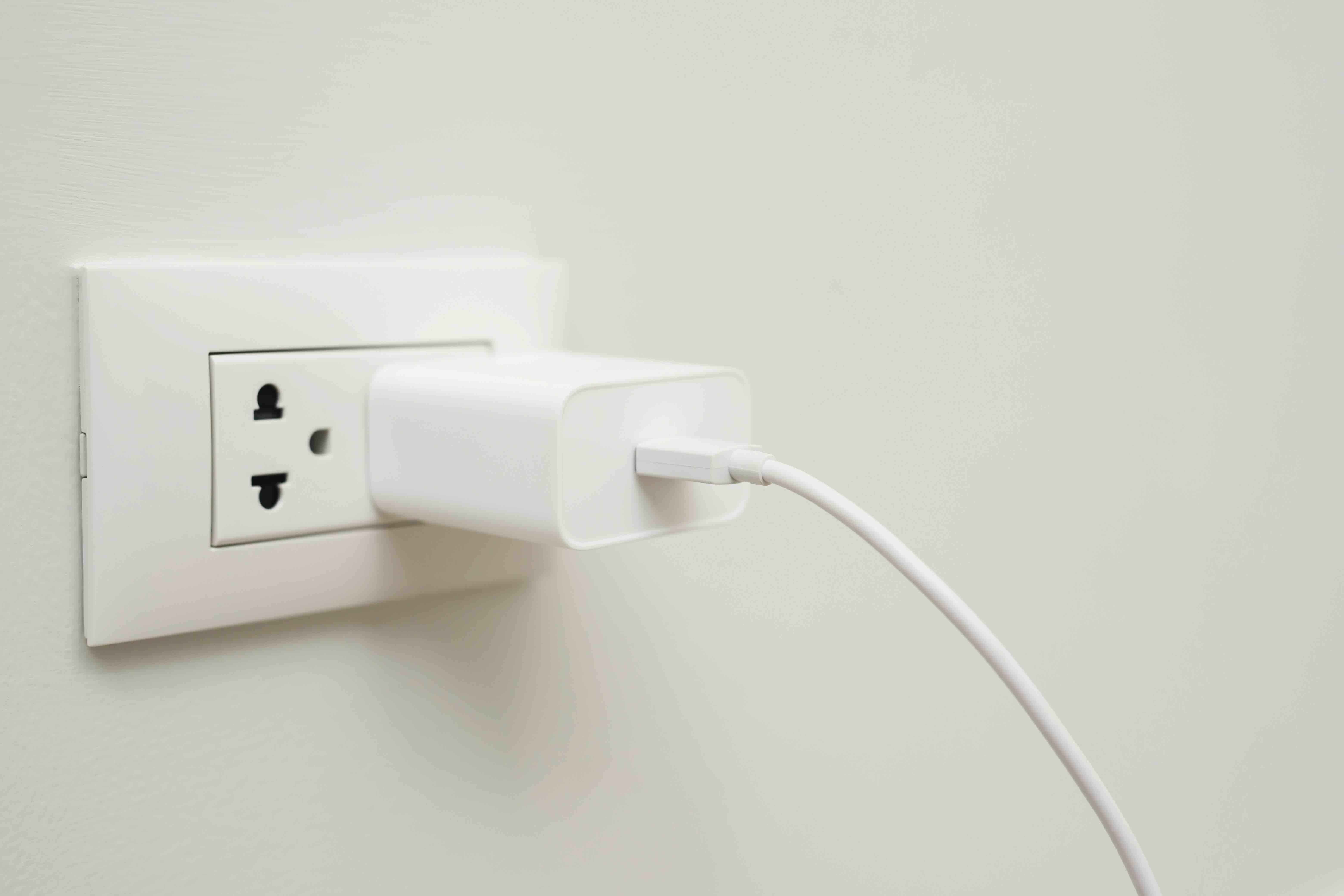
USB to Electrical Outlet Adapters: What They Are and Why You Probably Need One
So here's a situation that happens more than it should. You're at a desk, a hotel room, a conference table -- doesn't matter -- and you've got a USB cable in hand and exactly zero open USB ports anywhere near you. But there's a standard wall outlet right there, mocking you. That's exactly the gap a USB to electrical outlet adapter is designed to close. These small, often underestimated devices convert standard AC wall power into the DC output that USB-powered devices need to charge or operate. They're everywhere now, but a lot of people still don't fully understand how they work, what to look for, or when they might cause problems. Let's get into it.
What Is a USB to Electrical Outlet Adapter?
A USB to electrical outlet adapter -- sometimes called a USB wall charger, USB wall adapter, or AC to USB adapter -- is a compact device that plugs directly into a standard 120V AC wall outlet and outputs one or more USB ports for charging or powering USB-compatible devices. Think smartphones, tablets, earbuds, Bluetooth speakers, small LED lights, portable fans, and plenty of other everyday tech. The adapter does the conversion work internally, stepping down and rectifying the incoming alternating current into stable direct current at a voltage your device expects, typically 5V, though that number has evolved considerably with modern fast-charging standards.
How Does a USB to Outlet Adapter Actually Work?
This is where it gets a little technical, but stay with it because it matters for making good buying decisions. Inside the adapter is a small switched-mode power supply. When AC power enters the adapter, a rectifier converts it to raw DC. That DC then passes through a transformer and switching circuit, which regulates it down to the correct output voltage and current. The result is clean, stable power delivered through the USB port. Better adapters include additional protection circuitry -- overvoltage, overcurrent, short-circuit, and temperature controls -- that prevent damage to both the adapter and your connected device. Cheaper units sometimes skip those protections entirely, which is worth knowing before you plug in a device you care about.
Common Types of USB Wall Adapters You Will Encounter
Not all USB to outlet adapters are the same, and the differences actually matter depending on what you plan to charge or power. Here is a quick breakdown of the main types you will run into:
- Standard USB-A adapters -- single or multi-port, usually 5W to 12W, fine for older phones and low-draw accessories
- USB-C Power Delivery (PD) adapters -- deliver higher wattage, up to 100W or more, for laptops, tablets, and modern smartphones
- GaN (Gallium Nitride) adapters -- newer technology, smaller form factor, more efficient, better for travel or multi-device setups
- Multi-port adapters -- combine USB-A and USB-C ports in one unit, practical for shared spaces or charging multiple devices simultaneously
- Fast-charge certified adapters -- support protocols like Qualcomm Quick Charge, Apple Fast Charge, or USB Power Delivery for significantly reduced charge times
Knowing which type fits your use case upfront saves a lot of frustration later. A 5W adapter trying to charge a modern laptop is essentially doing nothing useful.
Key Advantages of Using a USB to Wall Outlet Adapter
The obvious benefit is convenience -- turning any wall outlet into a USB charging station without needing a power strip or hub. But there are a few other advantages worth calling out. First, portability. Most USB wall adapters weigh almost nothing and take up minimal space in a bag or carry-on. Second, versatility. A single adapter can serve multiple device types depending on port configuration. Third, cost-effectiveness. A well-built USB wall adapter from a reputable source gives you reliable, fast charging at a price point that does not require a second thought. For home users, office environments, and AV or IT setups where device charging management matters, these adapters also reduce cable clutter and dependency on limited USB hub ports on workstations.
Common Drawbacks and Limitations to Know
There are real limitations here that are worth being upfront about. The most common issue is wattage mismatch. If the adapter's output does not match what your device expects or requires, you either get slow charging or no charging at all. Another concern is build quality variability. The market is genuinely flooded with adapters that look identical on the outside but differ drastically in internal component quality and safety certification. UL listing and other certifications matter. Heat is another factor -- low-quality adapters can run warm to the touch, which over time affects both the adapter's lifespan and the environment around it. Finally, some multi-port adapters share total wattage across ports rather than delivering it independently, so charging three devices at once might slow everything down.
What to Look for When Buying a USB to Outlet Adapter
Before you buy, there are a handful of specs and features that separate a reliable adapter from one you will replace in six months. Total wattage output matters most -- match it to your heaviest device's requirement and add buffer for anything else connected simultaneously. Port type and count comes next; make sure the adapter has the right combination of USB-A and USB-C for your specific devices. Look for safety certifications like UL, FCC, or CE marks as indicators that the unit has been tested to recognized standards. GaN technology is increasingly worth the modest premium for its efficiency and reduced heat output. And if you travel internationally, check for universal voltage compatibility, typically marked as 100-240V input, so the adapter works abroad without a separate converter.
USB to Outlet Adapters in Professional and Business Environments
These adapters are not just consumer products. In IT, AV integration, hospitality, and enterprise environments, USB wall adapters play a specific operational role. Conference rooms need reliable charging solutions for visiting devices. Hotel rooms depend on well-placed USB outlets or adapters for guest satisfaction. AV professionals often need to power small control devices, touch panels, or indicator hardware via USB without running additional cabling to a power source. In these contexts, the requirements shift toward durability, consistent output, and sometimes UL listing for commercial installation compliance. Selecting the right adapter for a professional environment means factoring in duty cycle expectations and the number of devices operating simultaneously over extended periods.
Tips for Getting the Most Out of Your USB Wall Adapter
A few practical points that tend to get overlooked:
- Use the cable that came with your device or a certified replacement -- a good adapter paired with a poor cable will underperform
- Do not leave adapters plugged in and unoccupied for extended periods unnecessarily, especially lower-quality units that draw standby power
- Check wattage ratings periodically if you switch to a newer device that may have higher charging requirements
- In shared or office settings, label adapters with output specs so others use them appropriately
- If an adapter runs unusually hot to the touch during normal use, replace it -- heat is a warning sign, not a feature
Why Monoprice Is the Right Source for USB to Outlet Adapters
Here is the thing about sourcing USB wall adapters: quality variance in this category is enormous, and the cost of a bad one goes beyond the price of the adapter itself. Monoprice has built a proven track record delivering high-performance charging accessories and power solutions that meet real-world demands without inflating the price tag. Whether you need a single GaN USB-C adapter for a home office setup or a bulk order for a hospitality or enterprise deployment, Monoprice offers certified, tested solutions that hold up. If you are looking for reliable USB to outlet adapters alongside a full range of power and connectivity accessories, exploring the catalog at Monoprice USB wall chargers and power adapters is a practical starting point. The combination of competitive pricing, product transparency, and consistent quality is exactly what both individual buyers and B2B procurement teams need when sourcing this kind of hardware at any scale.
Frequently Asked Questions About USB to Electrical Outlet Adapters
What is a USB to electrical outlet adapter used for?
It converts standard AC wall power into DC output through one or more USB ports, allowing you to charge or power USB-compatible devices directly from a wall outlet without needing a computer or USB hub.
Is it safe to leave a USB wall adapter plugged in overnight?
Generally yes, if the adapter is from a reputable brand with proper safety certifications such as UL listing. Lower-quality adapters without overcurrent or overheat protection carry more risk and should not be left unattended for long periods.
What does USB Power Delivery mean on an adapter?
USB Power Delivery, or USB PD, is a fast-charging standard that allows adapters to deliver significantly higher wattage than standard USB charging. It supports devices like laptops, tablets, and newer smartphones that require more than the traditional 5W output.
Can one USB wall adapter charge multiple devices at full speed?
It depends on the adapter's total wattage and how power is distributed across ports. Some adapters allocate wattage independently per port, while others share the total capacity across all connected devices, which can reduce individual charging speeds.
What is a GaN USB charger and is it better?
GaN stands for Gallium Nitride, a semiconductor material used in newer adapter designs. GaN adapters are more efficient, generate less heat, and tend to be smaller than traditional silicon-based adapters, making them well-suited for travel and multi-device charging needs.
How do I know if a USB wall adapter is safe to use?
Look for certifications from recognized testing organizations such as UL, FCC, or CE. These marks indicate the adapter has been evaluated against established safety and performance standards. Avoid uncertified products, especially for charging higher-value devices.
Will a USB to outlet adapter work in other countries?
Only if it supports universal voltage input, typically listed as 100-240V on the label. If it does, it will function across different international electrical standards, though you may still need a physical plug adapter for different outlet shapes.
What wattage USB wall adapter do I need for a laptop?
Most modern laptops require between 45W and 100W for effective charging via USB-C Power Delivery. Check your laptop's original charger specifications for the minimum wattage, and select an adapter that meets or exceeds that number for reliable performance.
Why does my device charge slowly even with a USB wall adapter?
Slow charging is usually caused by a wattage mismatch between the adapter and the device, a low-quality or non-certified cable, or a multi-port adapter sharing its total output across connected devices. Matching adapter wattage to device requirements and using a quality cable resolves most cases.
Can USB wall adapters be used in professional AV or IT installations?
Yes. In conference rooms, hospitality environments, and control system setups, USB wall adapters provide clean, localized power to small devices like touch panels, indicator lights, or control hardware. For commercial use, prioritize adapters with UL listing and adequate output ratings for the intended duty cycle.


