

USB Mini-B 2.0 Connector: Legacy Power for Modern Pros
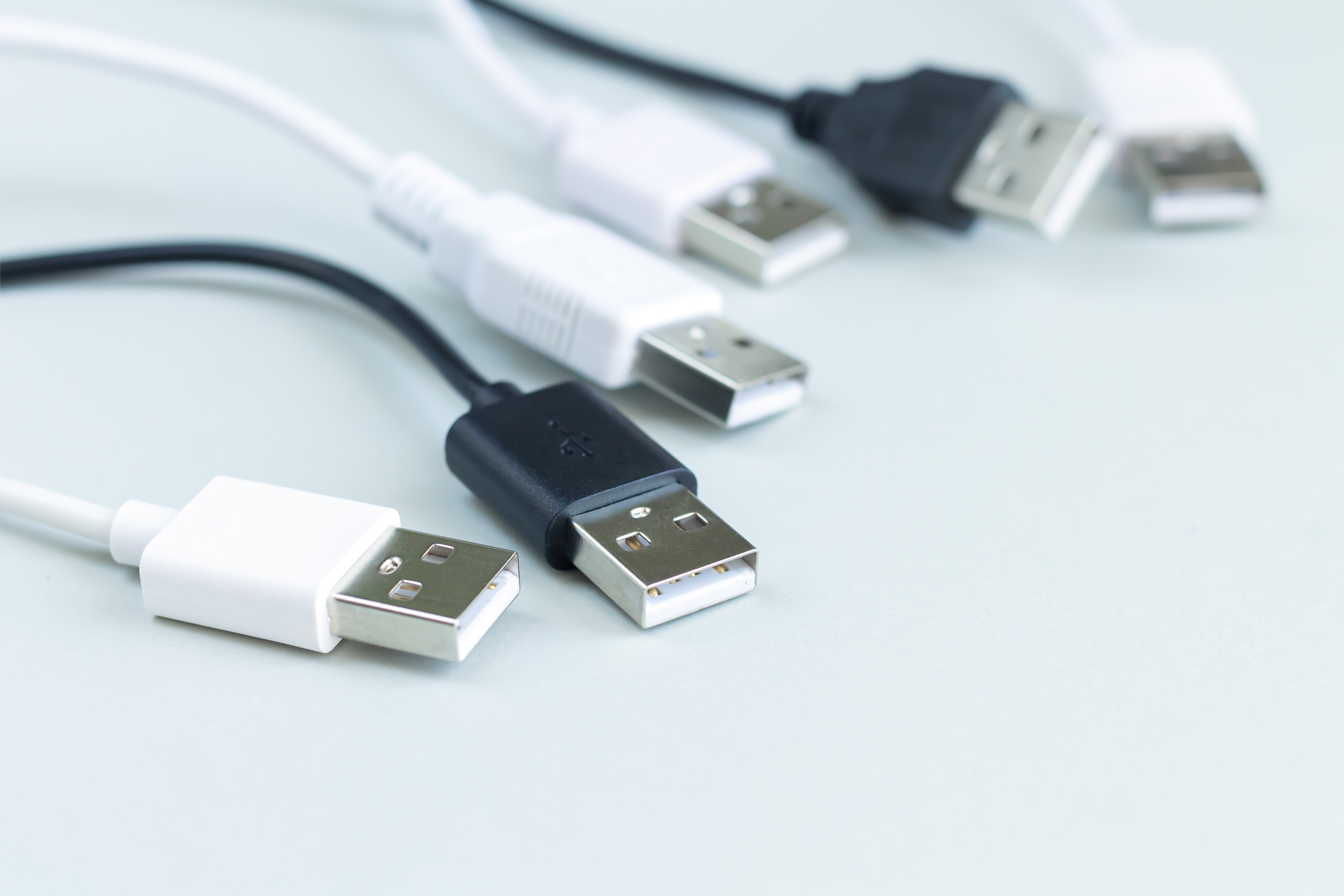
USB Mini-B 2.0: The Connector That Refuses to Retire
There is something almost quietly impressive about a connector standard that has been around since the early 2000s and still shows up in professional workflows every single day. The USB Mini-B 2.0 connector is exactly that. It is not flashy. It does not have a reversible design or thunderbolt speeds. But it does something that matters enormously to a certain category of professional -- it works, reliably, every time, without a fuss. If you have ever connected a digital camera, a MIDI controller, an older GPS unit, or an external hard drive enclosure, there is a very solid chance a USB Mini-B plug was involved. And honestly, that track record deserves a real, grounded look.
What Exactly Is the USB Mini-B 2.0 Connector
Let us just get the basics out of the way before going further. The USB Mini-B 2.0 is a smaller, five-pin connector variant that was developed as part of the USB 2.0 specification. It predates the Micro-USB standard and was widely adopted across portable electronics throughout the mid-2000s and into the early 2010s. The connector has a distinctive trapezoidal shape -- wider on the top edge, slightly pinched at the bottom -- which makes it visually different from both the standard USB Type-A and the later Micro-USB. It typically supports data transfer speeds of up to 480 Mbps, which is the full High-Speed USB 2.0 specification, and it handles power delivery sufficient for charging and powering a wide range of compact devices. Simple enough, right. But there is more going on beneath the surface than the spec sheet suggests.
How the USB Mini-B Connector Actually Works
At the functional level, the USB Mini-B 2.0 operates on the same host-device communication model as any other USB standard. A host device -- usually a computer or powered hub -- initiates communication, and the peripheral responds. The five-pin layout includes power, ground, two data lines, and an ID pin that supports USB On-The-Go functionality in compatible devices, which means some hardware using this connector can switch between host and device roles. Power delivery through Mini-B tops out at around 2.5 watts under the USB 2.0 specification, which is more than adequate for the devices it was designed to support. The physical connector itself is rated for a significant number of insertion cycles -- typically around 5,000 -- which speaks to its durability in regular use environments. This is a connector built with repetitive professional use in mind, not one that was designed to be plugged in once and forgotten.
Where You Still Find USB Mini-B in the Real World
This is where things get genuinely interesting. Walk through almost any professional production environment, broadcast studio, live sound setup, or field survey operation, and you are almost certainly going to encounter USB Mini-B connectors. The list of device categories still actively using this standard is longer than most people expect.
Professional cameras and video recorders from legacy product lines MIDI keyboards and audio interfaces Older external hard drives and solid-state storage enclosures GPS navigation devices and fleet tracking hardware Industrial measurement and calibration equipment Certain oscilloscopes and lab instruments Point-of-sale terminal accessories Some drones and RC controller hardwareThe reason these categories still rely on Mini-B is not stubbornness. It is that the hardware investment in those devices is significant, the workflows built around them are stable, and there is genuinely no performance reason to replace a working system. A MIDI controller that was specced into a touring rig five years ago does not need to be replaced just because Micro-USB or USB-C became more common.
Key Advantages of the USB Mini-B 2.0 Standard
There are real, practical reasons professionals keep this connector in rotation, and it is worth naming them directly rather than just assuming legacy means inferior.
Proven durability across thousands of insertion cycles in field conditions 480 Mbps High-Speed USB 2.0 data transfer -- more than sufficient for audio, MIDI, and standard file transfers Broad device compatibility across a massive installed base of professional and prosumer hardware Widely available cables and adapters at cost-effective price points Simple, passive cable design with no active electronics required Easy to source replacements even in regions with limited supply chainsThat last point is underrated. In a touring environment or a remote field deployment, being able to walk into a local electronics shop and find a replacement cable is not a minor convenience. It is a workflow-critical capability that more modern connector types still cannot match on a global scale.
Common Drawbacks Worth Knowing
There is no point in overstating the case for a legacy connector. USB Mini-B has real limitations, and professionals considering it for new infrastructure should go in with clear expectations. The power delivery ceiling of 2.5 watts rules it out for any application requiring fast charging or powering more demanding peripherals. The 480 Mbps data ceiling, while functional for many use cases, falls well short of what USB 3.0 and USB-C can deliver -- so for high-resolution video file transfers or high-bandwidth audio interfaces, the standard can become a bottleneck. Physical durability, while decent, is generally considered slightly less robust than Micro-USB in side-load stress tests. And of course, new devices simply are not being designed around Mini-B anymore, which means the installed base will shrink over time as equipment cycles out.
Choosing the Right USB Mini-B Cable for Your Setup
Cable quality matters more than people realize with USB Mini-B. Because the standard has been around so long, the market is saturated with cables ranging from well-engineered to genuinely unreliable. For professional use, you want to focus on a few specific attributes. Shielding matters -- especially in environments with significant electromagnetic interference, like live audio setups near stage lighting rigs or industrial equipment. Conductor gauge affects both power delivery stability and signal integrity over longer cable runs. Connector retention force is worth checking, since a loose Mini-B connection in a mobile or vibration-prone environment can cause intermittent dropouts that are frustrating to diagnose. Strain relief at both ends is a non-negotiable in any application where the cable is being handled or moved regularly.
Practical Tips for Getting the Most Out of USB Mini-B in Your Workflow
If you are still running USB Mini-B hardware or supporting an environment that depends on it, a few straightforward practices will keep things running cleanly. Keep a small stock of spare cables on hand -- these are inexpensive and the peace of mind is worth it. Label your cables by length and application so you are not swapping a two-foot cable into a six-foot run in the middle of a setup. Use a powered USB hub when connecting multiple Mini-B devices to a single host, since bus power across several peripherals can cause instability. Inspect connectors regularly for debris or deformation, particularly on devices used in field environments. And when you do need to replace cables, buy from a supplier with a clear return policy and documented specifications rather than opting for unbranded bulk product.
USB Mini-B vs. Micro-USB vs. USB-C: Putting It in Perspective
The comparison question comes up constantly, and it deserves a direct answer. USB Mini-B is not competing with USB-C -- they serve different lifecycle stages of the technology ecosystem. Micro-USB improved on Mini-B primarily in physical form factor and somewhat in durability, while USB-C is a generational leap in power delivery, speed, and reversibility. But for the specific context of supporting existing professional equipment that was designed around Mini-B, neither Micro-USB nor USB-C is relevant. You cannot retrofit a ten-year-old broadcast camera's port with a USB-C connection. What you can do is source a high-quality Mini-B cable that keeps that camera performing at spec for another several years of productive service. That is the value proposition in plain terms.
Why Monoprice Is the Right Source for USB Mini-B Cables and Legacy Connectivity
When you are running a professional setup that depends on legacy connectivity, the last thing you need is to compromise on cable quality just because a connector standard is not the newest thing on the market. Monoprice has been a trusted source for exactly this kind of practical, performance-driven connectivity hardware for years -- and that reputation is built on delivering real specs at prices that make sense for both individual professionals and large-scale procurement teams. If you are looking for reliable USB Mini-B cables built with proper shielding, solid connector construction, and dependable performance across thousands of cycles, browsing the full range of USB Mini-B 2.0 cables and legacy connectivity solutions at Monoprice is a genuinely smart starting point. Whether you are supporting a live production environment, maintaining a fleet of field devices, or simply keeping a professional studio running on proven hardware, Monoprice delivers the kind of value and consistency that earns repeat business from people who know what they are doing.
Frequently Asked Questions About the USB Mini-B 2.0 Connector
What is a USB Mini-B 2.0 connector used for?
The USB Mini-B 2.0 connector is primarily used to connect portable and professional devices such as digital cameras, MIDI controllers, GPS units, and older external storage drives to a host computer or powered hub for data transfer and power delivery.
Is USB Mini-B the same as Micro-USB?
No. USB Mini-B and Micro-USB are physically different connector types. Mini-B has a slightly larger, trapezoidal shape with five pins, while Micro-USB is slimmer and was designed as a later, more compact alternative. They are not interchangeable without an adapter.
What is the maximum data transfer speed of USB Mini-B 2.0?
USB Mini-B 2.0 supports data transfer speeds of up to 480 Mbps, which is the High-Speed USB 2.0 specification. This is sufficient for most audio, MIDI, and standard file transfer applications but slower than USB 3.0 or USB-C standards.
Is USB Mini-B still being manufactured?
Yes. While USB Mini-B is considered a legacy standard and new devices are no longer designed around it, cables, adapters, and replacement connectors remain widely available from reputable suppliers due to the large installed base of compatible hardware still in active use.
How durable is the USB Mini-B connector?
The USB Mini-B connector is typically rated for approximately 5,000 insertion and removal cycles, which is adequate for regular professional use. Cable quality, shielding, and strain relief construction significantly affect real-world longevity in demanding environments.
Can USB Mini-B deliver power to connected devices?
Yes. Under the USB 2.0 specification, USB Mini-B can deliver up to 2.5 watts of power, which is sufficient for charging and operating the compact devices it was designed to support. It is not suited for fast charging or powering high-demand peripherals.
What should I look for when buying a USB Mini-B cable?
Prioritize cables with proper electromagnetic shielding, solid strain relief at both connector ends, appropriate conductor gauge for your cable length, and a verified insertion retention force. Buying from a supplier with documented specifications reduces the risk of unreliable performance.
Will USB Mini-B work with a USB-C host port?
Not directly. You would need a USB-C to USB-A adapter or hub in combination with a USB Mini-B cable, or a purpose-made USB-C to USB Mini-B adapter cable. Compatibility for data transfer typically functions correctly, though power delivery behavior may vary depending on the host device.
Is USB Mini-B fast enough for professional audio applications?
For most MIDI data and standard audio interface use cases, 480 Mbps is more than sufficient. High-channel-count, high-sample-rate audio interfaces may benefit from USB 3.0 or higher, but the majority of professional MIDI and basic audio hardware performs well over USB Mini-B 2.0.
Why do some professional devices still use USB Mini-B instead of newer connector types?
Professional hardware often has long product lifecycles, and manufacturers design around connector standards that were established at the time of development. Replacing a functional connector standard introduces redesign costs and potential compatibility disruptions, so USB Mini-B remains in active use wherever it continues to meet performance requirements reliably.


