

Understanding Dual RCA Cables in Modern AV Systems
What Are Dual RCA Cables and Why Do They Still Matter?
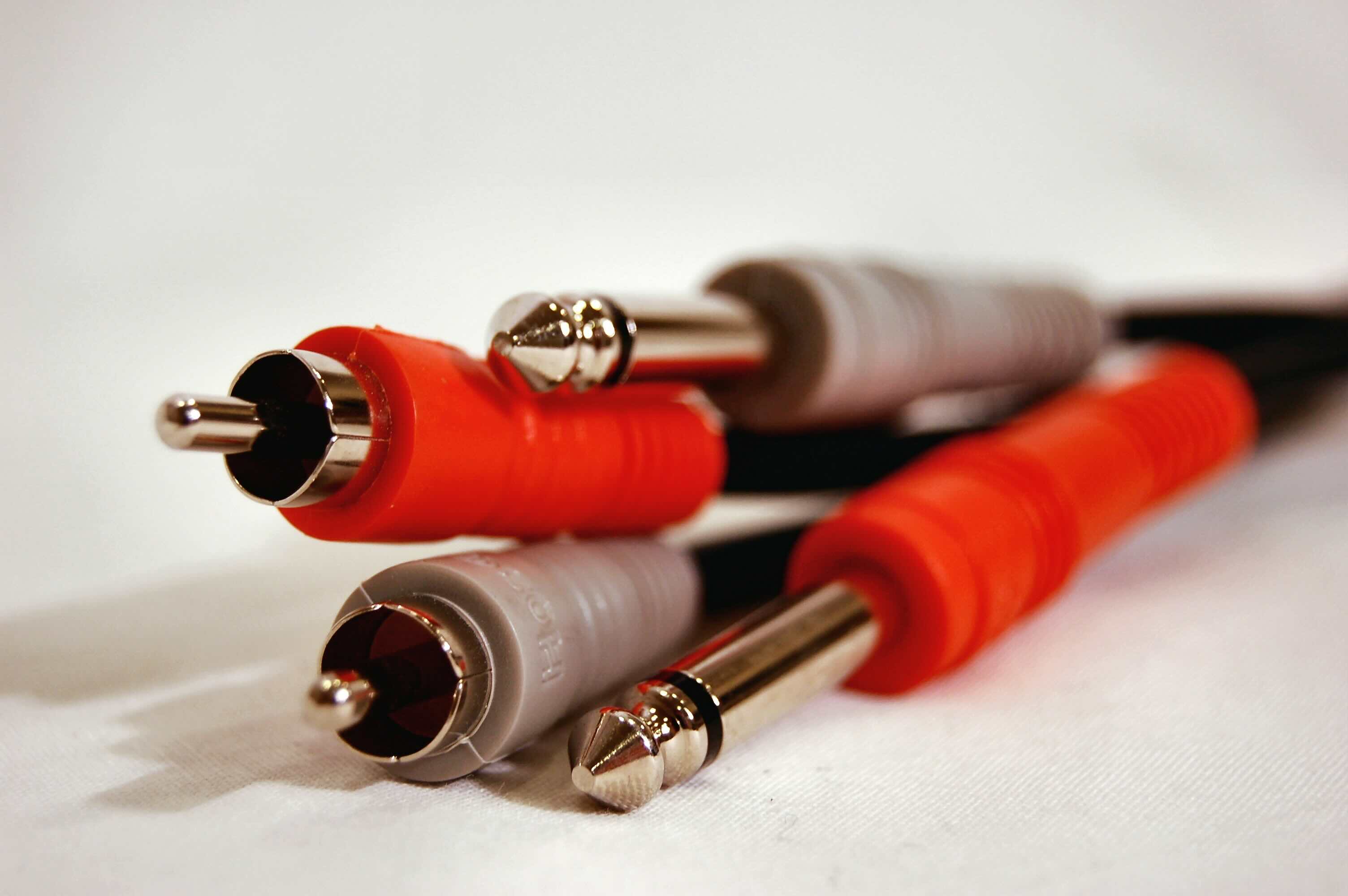
Dual RCA cables — those familiar red and white connector pairs — have been a cornerstone of analog audio connections for decades. They carry stereo audio signals across two separate channels, one for the left and one for the right. Despite the rise of digital audio formats and wireless transmission, dual RCA cables remain widely used in home theater systems, professional AV setups, recording studios, and DJ equipment racks. The reason is straightforward: they work reliably, they are universally compatible, and they deliver clean analog signal transfer without requiring any conversion overhead. Understanding how they function and where they fit into a modern AV chain can help you make smarter purchasing and installation decisions without overcomplicating the process.
How Dual RCA Cables Actually Work
Each RCA connector in a dual cable assembly carries a single unbalanced analog audio signal. The connector itself has two contact points — a center pin that carries the signal and an outer ring that serves as the ground. In a stereo configuration, the red connector handles the right audio channel and the white or black connector handles the left. The cable shields each conductor to minimize interference from external electromagnetic sources. When you plug a dual RCA cable into a receiver, turntable, TV, or audio interface, you are completing a direct analog circuit between source and destination. The signal travels as a continuous voltage wave, which means the quality of the cable — its shielding, conductor material, and connector construction — directly influences the audio output you hear at the other end.
Common Applications Across Home and Pro AV Environments
Dual RCA cables show up in more places than most people realize. In consumer home audio, they connect CD players, turntables, Blu-ray players, gaming consoles, and cable boxes to AV receivers or stereo amplifiers. In professional settings, they link DJ mixers to power amplifiers, connect rack-mounted signal processors, and interface with analog recording gear. Home theater integrators use them when routing audio from source components to zone amplifiers or in-wall speaker systems. If you have a subwoofer with an LFE input, you have almost certainly used a single RCA cable — the same technology, just in mono format. The dual RCA standard is mature, stable, and genuinely difficult to replace in mixed-use AV environments where legacy components and modern gear coexist on the same rack or entertainment center.
Key Advantages of Using Dual RCA Cables
There are several practical reasons to keep dual RCA cables in your AV toolkit, and they go beyond simple habit or compatibility.
- Universal compatibility across decades of audio equipment makes them easy to source and deploy
- No signal conversion required, so there is no added latency or digital processing in the audio path
- Simple plug-and-play installation that does not require technical expertise or special tools
- Cost-effective compared to digital audio solutions, especially for fixed stereo installations
- Wide variety of lengths and configurations available for both home and commercial installations
- Analog warmth preferred by audiophiles and studio engineers working with vinyl or tube equipment
For budget-conscious buyers and integrators working on tight margins, that combination of broad compatibility and low cost is hard to beat. You are not sacrificing meaningful performance for the price point — you are simply choosing the right tool for the application.
Drawbacks and Limitations Worth Knowing
Dual RCA cables are not without their shortcomings, and being honest about those limitations helps you deploy them correctly. First, unbalanced analog cables are susceptible to electromagnetic interference over long cable runs, which can introduce audible hum or noise — especially near power lines, lighting dimmers, or other RF-emitting equipment. Second, they carry only stereo audio, meaning they cannot support multichannel surround sound formats on their own. Third, analog signal degradation can occur if cable quality is poor or connectors are corroded. Fourth, in environments with strict cable management requirements, running separate audio and video cables can become logistically complex compared to HDMI or digital optical solutions that bundle everything into a single cable. Knowing these boundaries upfront prevents misapplication and the frustration that usually follows.
Choosing the Right Dual RCA Cable for Your Setup
Cable selection matters more than most people expect. For short desktop or rack runs under six feet, a basic shielded dual RCA cable performs well in most environments. For longer runs — anything approaching fifteen feet or more — you want to prioritize higher-quality shielding, oxygen-free copper conductors, and well-constructed connectors with solid ground contact. Gold-plated connectors resist oxidation and maintain reliable electrical contact over time, which is particularly valuable in permanent installations where you are not swapping cables regularly. Cable diameter also plays a role; thicker cables generally offer better shielding density. If you are running dual RCA in a professional environment near high-interference equipment, look for cables with braided or foil-plus-braid shielding combinations. Spending a few extra dollars on cable quality here consistently pays off in cleaner audio output and fewer troubleshooting headaches later.
Dual RCA vs. Digital Audio Connections: Which One Do You Need?
This comes up constantly in forums and installation planning conversations. The short answer is that dual RCA and digital audio connections — optical TOSLINK, coaxial digital, HDMI ARC — serve different purposes. Digital connections support multichannel audio formats like Dolby Digital and DTS and are ideal for modern home theater systems built around a central AV receiver. Dual RCA is better suited for stereo-only sources, legacy components, subwoofer connections, and analog signal chains where you want to preserve the original waveform without digital encoding. In many real-world setups, both types of cables coexist in the same system. A turntable feeds into a preamp via RCA while the receiver handles HDMI for everything else. Choosing one does not eliminate the other — it is about routing the right signal through the right path for the intended outcome.
Practical Installation Tips for Cleaner Audio Performance
Even a quality dual RCA cable can underperform if installed carelessly. A few practical habits go a long way toward getting the most out of your analog audio connections.
- Keep RCA cables physically separated from AC power cords to reduce induced hum
- Avoid coiling excess cable length tightly, as this can create inductance that affects signal quality
- Secure connectors fully to ensure consistent pin contact and eliminate intermittent signal loss
- Label both ends of cable runs in rack installations to simplify future troubleshooting
- Test cables with a signal before closing up a wall or locking down a rack installation
These are not overly technical steps, but they reflect how experienced installers approach cable management in both residential and commercial environments. A few minutes of intentional setup saves significant time diagnosing audio problems later.
Why Monoprice Is the Right Source for Dual RCA Cables
When it comes to sourcing reliable, high-performance audio cables without paying inflated retail prices, Monoprice has built a reputation that stands on its own. The brand offers a wide selection of dual RCA cables engineered for both consumer and professional AV applications, with options spanning varying lengths, shielding configurations, and connector grades. Every cable is designed to deliver consistent signal integrity across the full length of the run — not just adequate performance at the connector ends. For integrators managing multiple installs and budget-conscious home users building out a quality AV setup, that combination of performance and price is exactly what the market needs. If you are looking for dual RCA cables and related analog audio connectivity solutions from a trusted AV cable supplier with a proven track record, Monoprice dual RCA cables and analog audio accessories represent one of the most sensible purchasing decisions you can make. The value is real, the quality is consistent, and the selection covers everything from basic home use to demanding professional installations.
Frequently Asked Questions About Dual RCA Cables
What does a dual RCA cable do?
A dual RCA cable transmits stereo analog audio by carrying the left channel signal through one connector and the right channel signal through another, linking audio source components to amplifiers, receivers, or speakers.
Are red and white RCA cables always audio?
Yes, in standard AV color coding, red and white RCA connectors designate stereo audio — red for the right channel and white for the left channel. Yellow RCA connectors are typically used for composite video.
How long can a dual RCA cable run before signal quality degrades?
In most home environments, dual RCA cables perform well up to around 25 feet with quality shielding. Beyond that, signal degradation and noise interference become more noticeable, and higher-grade shielded cable becomes important.
Can I use a dual RCA cable for a subwoofer?
Most subwoofers use a single RCA LFE input, so a standard mono RCA cable is typically sufficient. However, some subwoofers accept dual RCA inputs for left and right channel summing, in which case a dual RCA cable applies directly.
Is there an audible difference between cheap and quality RCA cables?
Yes, in many cases. Poorly shielded cables can introduce hum and interference. Better conductor materials and tighter shielding result in a cleaner, more accurate signal, particularly over longer cable runs or near interference sources.
Do dual RCA cables support surround sound?
No. Dual RCA cables carry two channels of stereo audio only. Multichannel surround formats require digital connections like HDMI, optical TOSLINK, or coaxial digital audio, or multiple individual analog connections for each channel.
Can dual RCA cables be used for video as well as audio?
RCA connectors can carry both audio and video signals, but dual RCA cables in red and white are designed for stereo audio only. Component video and composite video use RCA-style connectors in different color configurations for different purposes.
What is the difference between balanced and unbalanced audio cables?
Dual RCA cables are unbalanced, meaning they carry the signal on one conductor with a shared ground. Balanced cables, like XLR, use a third conductor to cancel noise, making them better suited for long professional audio runs in high-interference environments.
Are gold-plated RCA connectors worth it?
Gold plating resists corrosion and maintains reliable electrical contact over time. For permanent installations or equipment that is not regularly disconnected, gold-plated connectors provide a measurable reliability advantage over bare copper or nickel alternatives.
Can I connect dual RCA outputs to a device with a single stereo input?
Yes, with the appropriate adapter. A dual RCA to 3.5mm stereo mini-jack adapter, for example, allows you to route a stereo RCA signal into a device that accepts a standard headphone-style input, which is a common connection scenario for portable and desktop audio equipment.


