

Understanding Cat5 Cable: Performance, Value, and Use Today
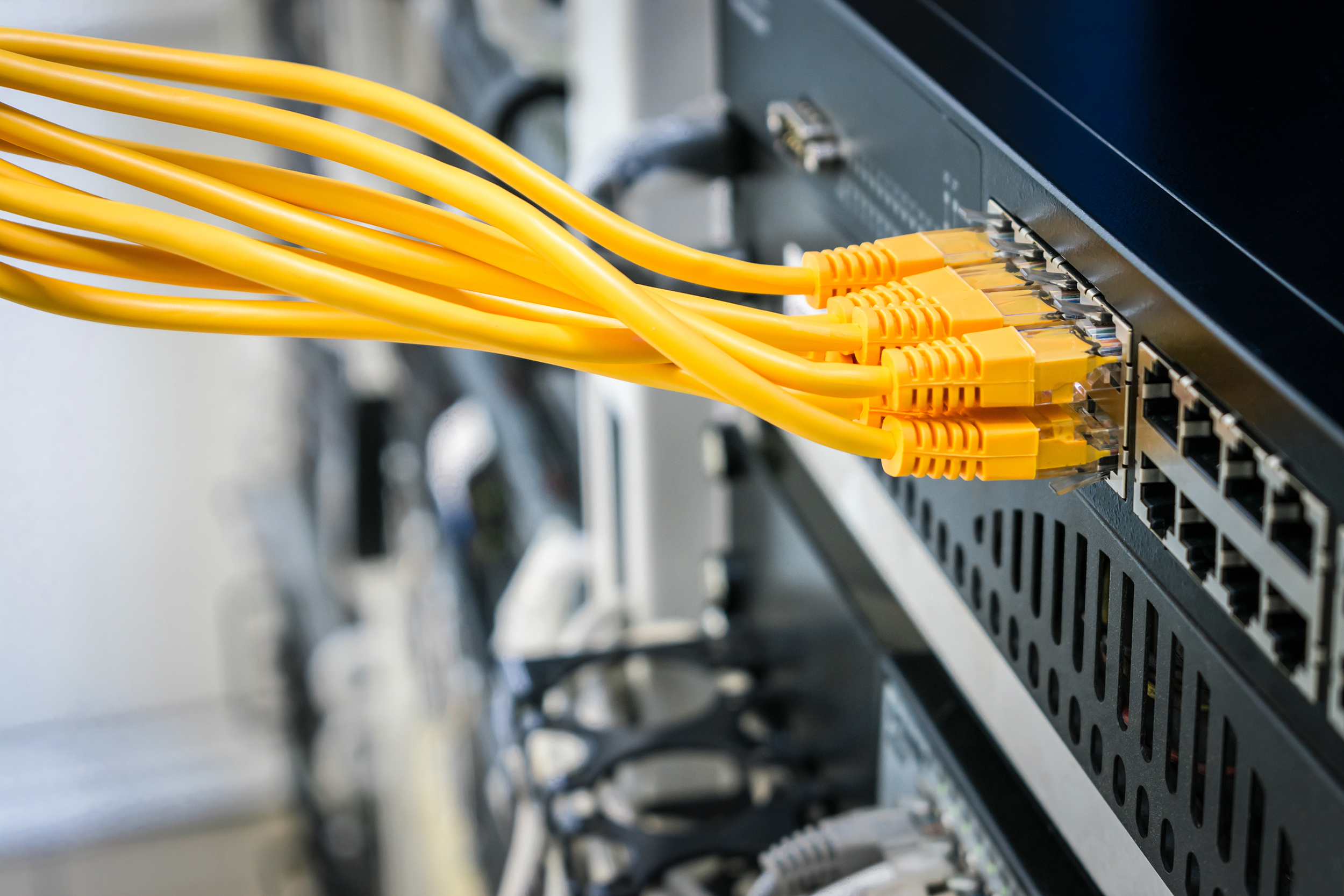
What Is Cat5 Cable and Why Does It Still Matter in Networking Today
Cat5 cable, short for Category 5, is one of the foundational ethernet cable standards that helped shape modern networking as we know it. Developed in the early 1990s, it was designed to support data transmission over twisted pair copper wire, and for a long time it was the go-to choice for home and office networks alike. Even now, years after faster cable categories have entered the market, Cat5 remains relevant in specific use cases where budget matters and bandwidth demands are modest. Understanding what Cat5 is, how it performs, and where it fits today helps you make smarter decisions about your networking infrastructure without overspending on capacity you do not actually need.
How Cat5 Cable Works: The Technical Foundation Behind the Connection
Cat5 cable operates using twisted pairs of copper wire, typically four pairs bundled together inside a single jacket. The twisting of each pair is intentional and functional. It reduces electromagnetic interference and crosstalk between adjacent wires, which directly impacts signal clarity over distance. Cat5 supports transmission speeds up to 100 Mbps and operates at a frequency of up to 100 MHz. That places it comfortably in the Fast Ethernet category, which was a meaningful standard for years. The cable terminates in RJ45 connectors and uses the same physical interface as newer categories, so it slots into standard ethernet ports without any special adapters or conversion hardware. The wiring configuration follows established TIA/EIA standards, either T568A or T568B, and that consistency is part of what made Cat5 so widely adopted across industries and environments.
Cat5 vs Cat5e: Clearing Up a Common Confusion
This is where a lot of people get tripped up, and it is worth addressing directly. Cat5 and Cat5e are not the same cable, even though they look nearly identical and share a similar name. Cat5e, the enhanced version, was introduced to address some of the crosstalk limitations found in original Cat5 installations. Cat5e supports Gigabit Ethernet speeds up to 1,000 Mbps and includes stricter performance standards for near-end crosstalk. In practice, Cat5e has almost entirely replaced original Cat5 in new installations. If you are shopping for ethernet cable and someone is selling you original Cat5, it is worth pausing and asking whether Cat5e or Cat6 might be a better fit for your setup. The price difference is usually minimal, and the performance gain is real.
Key Advantages of Cat5 Cable for Specific Use Cases
Cat5 cable still holds value in certain scenarios, and dismissing it entirely would be an oversimplification. Here are the situations where Cat5 continues to make practical sense:
Low-bandwidth applications such as VoIP phones and basic security camera systems Legacy network environments where existing Cat5 infrastructure is already in place Temporary networking setups where cost is the primary concern Small office or home office networks running older equipment with no Gigabit Ethernet support Short-run connections where distance and interference are non-issuesIn these contexts, Cat5 delivers reliable connectivity at a lower cost per foot than newer categories. It is not about clinging to old technology. It is about matching the cable to the actual requirement, which is a practical and financially sound approach to network design.
Common Drawbacks and Limitations of Cat5 Cable
There is no reason to pretend Cat5 does not have real limitations, because it does. The 100 Mbps speed ceiling is the most obvious constraint in environments where high-bandwidth tasks are routine. Video conferencing, cloud-based file transfers, 4K media streaming, and multi-user workflows on a shared network can all expose the performance gaps of Cat5 fairly quickly. Beyond speed, Cat5 is more susceptible to crosstalk and interference compared to Cat5e and Cat6, which can degrade signal quality in denser cable runs. It also has a distance limitation of 100 meters per segment, consistent with other ethernet categories, but any degradation from interference compounds more noticeably over longer runs. For modern home or business networks that need to support today's data demands, Cat5 is not the right starting point.
Where Cat5 Fits in Today's Networking Landscape
The honest answer is that Cat5 occupies a narrower role than it once did. Cat5e has functionally replaced it for most new installations, and Cat6 or Cat6A is now the standard recommendation for environments where Gigabit or multi-Gigabit speeds are expected. That said, large amounts of Cat5 cabling still exist inside walls, under floors, and running through conduits in buildings that were wired a decade or more ago. Replacing all of that infrastructure is not always practical or cost-effective, especially in commercial buildings where ripping out cabling involves significant labor and downtime. In those settings, understanding Cat5's performance characteristics helps IT managers and facilities teams make informed decisions about when to upgrade and when to work with what is already installed. Knowing your cable category is not just a technical detail. It is a budget and planning decision.
Practical Tips for Working With Cat5 Cable in Existing Installations
If you are managing or troubleshooting a network that still runs on Cat5, there are a few practical steps that help you get the most out of that infrastructure. First, test the cable runs with a proper ethernet cable tester to confirm continuity and identify any damaged pairs before assuming the cable is the problem. Second, keep cable runs as short as reasonably possible and away from power lines, fluorescent lighting, and other sources of electromagnetic interference. Third, inspect the terminations at both ends. Poorly crimped RJ45 connectors are a frequent culprit in intermittent connectivity issues and can be re-terminated without replacing the entire cable run. Fourth, document your infrastructure. Knowing exactly what category of cable is installed where makes future upgrade decisions significantly easier to plan and cost out accurately.
The Cost Value Equation: Is Cat5 Cable Worth It Anymore
Cost is where Cat5 used to hold a clear advantage, but that gap has narrowed considerably. The price difference between Cat5 and Cat5e cable is small enough in most purchasing scenarios that choosing original Cat5 for a new installation is difficult to justify on economics alone. Cat5e delivers more headroom, better crosstalk rejection, and Gigabit support for a marginal increase in cost per foot. If you are buying in bulk for a large project, the per-unit savings on Cat5 may feel meaningful, but weigh that against the possibility of needing to re-cable sooner if your bandwidth requirements grow. In the long run, specifying Cat5e or Cat6 from the start often represents better total value, even if the upfront cost is slightly higher. Smart network planning accounts for where your requirements will be in three to five years, not just where they are today.
Why Monoprice Is the Right Source for Your Cat5 and Ethernet Cable Needs
When it comes to networking cable, quality of construction and consistency of performance matter as much as the category rating on the label. Monoprice has built a well-earned reputation for delivering precisely that, offering networking cable that meets established specifications without inflating the price. Whether you are replacing a short run of Cat5 in a legacy installation or outfitting a new workspace with modern Cat5e or Cat6 infrastructure, the product selection and value proposition at Monoprice is difficult to match. For IT professionals, integrators, and home network enthusiasts who want reliable, well-constructed cable at a price that makes sense, browsing the full range of ethernet networking cables and connectivity solutions from Monoprice is a logical and worthwhile starting point. The combination of transparent specifications, competitive pricing, and consistent product quality makes Monoprice a practical partner for any networking project, from a single cable replacement to a full structured cabling deployment.
Frequently Asked Questions About Cat5 Cable
What is the maximum speed supported by Cat5 cable?
Cat5 cable supports a maximum data transmission speed of 100 Mbps, which falls within the Fast Ethernet standard. This speed ceiling is one of the primary reasons Cat5 has been largely replaced by Cat5e and Cat6 in modern network installations.
Is Cat5 cable still being manufactured and sold today?
Original Cat5 cable is still available from some suppliers, but it has largely been phased out in favor of Cat5e. Most manufacturers and retailers now stock Cat5e as the minimum standard for new ethernet cable purchases.
Can I use Cat5 cable for Gigabit Ethernet?
No. Cat5 cable does not reliably support Gigabit Ethernet speeds. You need Cat5e at minimum to achieve 1,000 Mbps connectivity. Cat5e was specifically designed with the tighter specifications required for Gigabit performance.
What is the difference between Cat5 and Cat5e cable?
Cat5e is an enhanced version of Cat5 with stricter standards for near-end crosstalk and signal performance. Cat5e supports Gigabit Ethernet while original Cat5 is limited to 100 Mbps, making Cat5e the clearly superior choice for most applications.
How far can Cat5 cable run without signal loss?
Cat5 cable supports a maximum run length of 100 meters per segment, consistent with other standard ethernet categories. Runs beyond that distance require a network switch, repeater, or signal booster to maintain reliable performance.
Should I replace Cat5 cable in my home or office?
If your current Cat5 network meets your speed and reliability needs, replacement may not be urgent. However, if you are experiencing performance limitations or planning upgrades to Gigabit or faster equipment, transitioning to Cat5e or Cat6 is a worthwhile investment.
Is Cat5 cable suitable for PoE devices like IP cameras or access points?
Cat5 can carry Power over Ethernet in some configurations, but it is not ideal. The wire gauge and construction quality of original Cat5 may result in higher resistance and heat buildup under PoE loads. Cat5e or Cat6 is strongly preferred for PoE applications.
What does the twisted pair design in Cat5 cable actually do?
The twisting of wire pairs inside Cat5 cable reduces electromagnetic interference and crosstalk between adjacent pairs. Each pair is twisted at a specific rate, and this physical design is fundamental to maintaining signal integrity over the length of the cable run.
Can Cat5 cable be used for telephone or other non-ethernet applications?
Yes. Cat5 cable can be used for telephone wiring, low-voltage control systems, and some audio applications. Its multi-pair construction makes it versatile for various low-bandwidth signal transmission tasks beyond standard ethernet networking.
What should I look for when buying Cat5 or Cat5e cable?
Look for cable that meets or exceeds TIA/EIA standards, uses pure copper conductors rather than copper-clad aluminum, and comes from a supplier with transparent product specifications. Consistent construction and proper certification are more important than price alone.


