

Tying Cables: Best Practices for Clean Installations
What Are Tying Cables and Why Do They Matter in Tech Infrastructure?
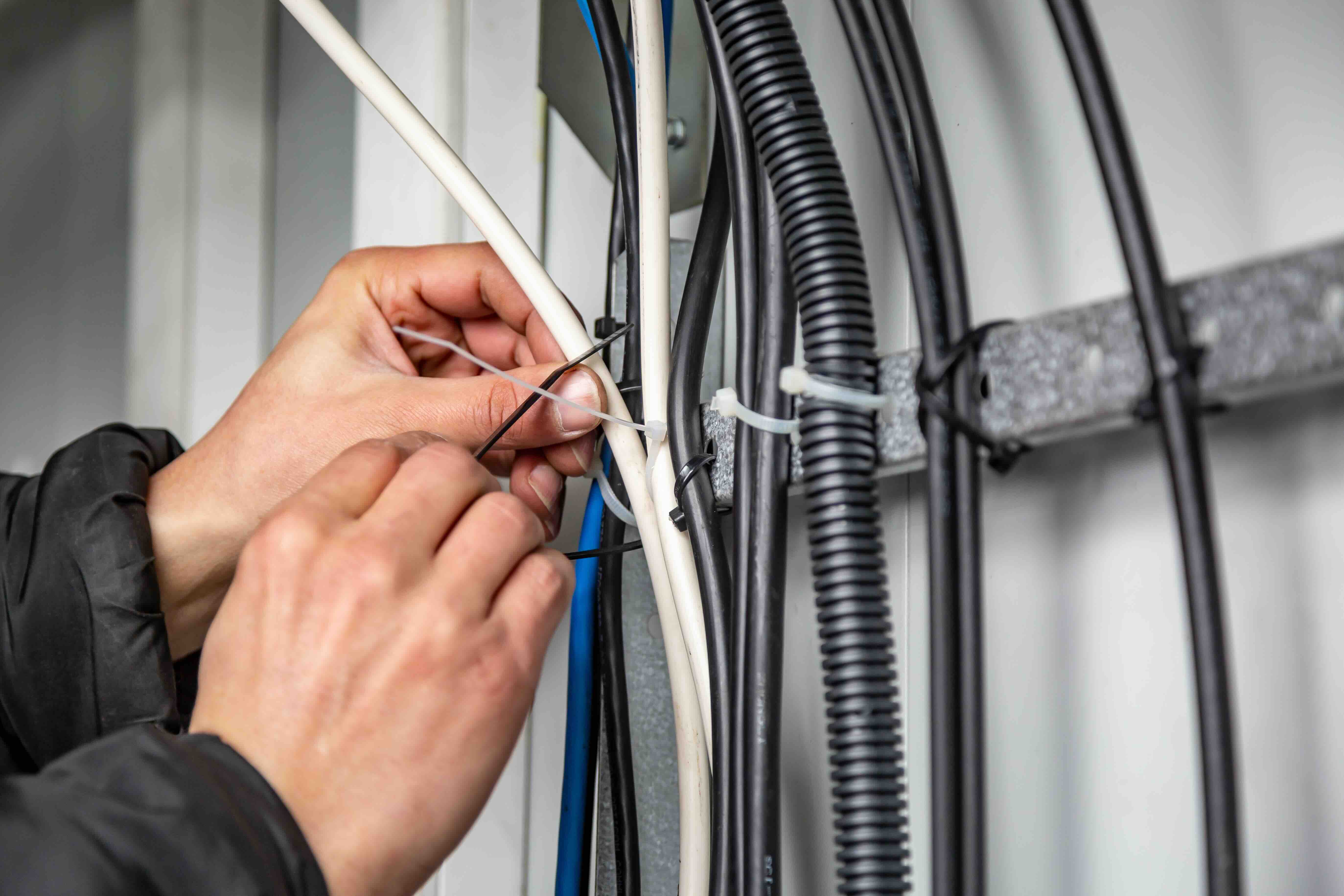
So, tying cables. It sounds like a simple concept, and honestly, it is -- but the way you manage cables in any kind of technology setup can make or break how that system performs over time. Tying cables refers to the process of bundling, organizing, and securing cables together within an installation, whether that is a server rack, home theater, data center, or structured wiring closet. It is one of those foundational practices that professionals take seriously, and for good reason. A properly tied cable installation is cleaner, safer, easier to troubleshoot, and genuinely extends the lifespan of your equipment and your cabling. Done poorly, cable management becomes a fire hazard, a signal interference problem, and a maintenance nightmare all at once.
The Core Purpose Behind Cable Tying and Management
The whole point of tying cables is control. When you are dealing with a rack full of patch cables, power cords, fiber runs, and data lines, things get chaotic fast if nothing is organized. Tying cables keeps them grouped by function or destination, reduces physical strain on connectors, and prevents them from snagging or pulling on adjacent equipment. In professional environments like data centers or broadcast facilities, this is non-negotiable. But even in smaller setups -- a home office, a retail AV installation, a classroom technology upgrade -- cable tying is the difference between a clean, professional finish and a tangled mess that nobody wants to deal with six months later. And look, the reality is that poor cable management has real operational costs. Technicians spend more time tracing lines, troubleshooting becomes slower, and accidental disconnections happen more often than they should.
Types of Cable Tying Solutions Available Today
There is no one-size-fits-all approach here. The technology industry offers a range of cable tying and management products, and which one you reach for depends on your specific application and how permanent you need the solution to be. Here is a quick breakdown of the most common options:
- Zip ties (cable ties): Fast, inexpensive, and strong -- ideal for permanent or semi-permanent installations where cables will not need frequent adjustment.
- Velcro cable ties: Reusable and gentle on cable jackets, making them the go-to choice for AV setups or anywhere cables are frequently added, removed, or repositioned.
- Hook and loop straps: Similar to Velcro options but often sold in longer rolls or pre-cut strips for more flexibility.
- Cable sleeves and wraps: These bundle cables into a unified run, keeping them off floors and walls while protecting against abrasion.
- Cable lacing tape: A more traditional method used in telecom and industrial environments, where a continuous lace of waxed or nylon cord is threaded through a bundle in a specific pattern.
- Spiral wrap: Flexible plastic coil that wraps around a group of cables, allowing for easy access and additions without fully undoing the bundle.
Key Advantages of Proper Cable Tying Practices
The benefits of doing this right go well beyond aesthetics, though a clean rack does look significantly more professional and instills confidence in whoever is evaluating your work. On a practical level, organized cable runs reduce electromagnetic interference between power and data lines -- this is especially important in installations where signal quality matters, like AV systems or structured cabling deployments. Airflow is another major factor in rack environments. Properly tied cables routed away from equipment ventilation paths keep temperatures lower, which directly impacts hardware longevity. And from a maintenance perspective, clearly bundled and labeled cable groups mean faster identification and faster fixes when something goes wrong. Less downtime. Less frustration. Better outcomes.
Common Drawbacks and Mistakes to Watch Out For
Even experienced installers get this wrong sometimes. The most common mistake is over-tightening zip ties on data cables, particularly Cat5e, Cat6, or fiber, where excessive compression can deform the cable jacket and affect transmission performance. Another frequent issue is mixing power cables and low-voltage data cables in the same bundle, which can introduce interference. Some installers also tie cables too tightly to fixed structures without leaving any service loop, so when a connector or port needs replacing, there is not enough slack to work with comfortably. And then there is the opposite problem -- loose, under-managed bundles that shift over time and create the same mess that the tying was supposed to prevent. The solution is balance: firm enough to stay put, flexible enough to service.
Tying Cables in Structured Cabling and Data Center Environments
In structured cabling, tying is not just a best practice -- it is often specified in the installation standards you are following. TIA-568 and ANSI guidelines both speak to cable management, bend radius requirements, and how bundles should be organized within cable pathways and spaces. In a data center context, horizontal and vertical cable managers work alongside tying solutions to route and secure patch cables between equipment and patch panels. The goal is a cable plant that is both high-performing and easy to document. Proper tying supports labeling accuracy, makes audits faster, and gives facility managers a clear visual map of their infrastructure. For enterprise IT teams managing hundreds or thousands of ports, that clarity is worth a significant amount of operational efficiency.
Practical Tips for Tying Cables Effectively
A few things that actually make a difference when you are doing this work. First, plan your routes before you start tying. Know where cables are going, how long they need to be, and what they will be bundled with. Second, use the right tool for the job -- Velcro for anything that will be changed, zip ties for permanent infrastructure, lacing cord for high-density telecom applications. Third, leave service loops at equipment terminations so technicians have room to work without yanking on the cable plant. Fourth, separate power from data whenever possible. Fifth, tie at consistent intervals -- typically every 12 to 18 inches for horizontal runs and as needed for vertical management. Consistent spacing looks cleaner and provides more even support along the cable length.
How Tying Cables Supports Long-Term Network Reliability
It is easy to underestimate how much cable management affects network uptime. Physical layer problems -- a bent cable, a pinched connector, a bundle that vibrates loose over time -- are among the hardest issues to diagnose in any network environment because they are intermittent and unpredictable. Good cable tying practices eliminate a significant category of physical failure modes before they can cause problems. In high-availability environments, that matters. Hospitals, financial institutions, broadcast facilities -- these are places where an unexpected network disruption carries real consequences. Even in smaller commercial or residential settings, a well-organized cable run simply stays functional longer and requires less intervention over the life of the installation.
Why Monoprice Is Your Trusted Source for Cable Management Solutions
When it comes to sourcing the right cable management products, the brand you choose matters as much as the products themselves. Monoprice has spent years building a reputation as a reliable, high-performance supplier for both professional integrators and everyday consumers, offering the full range of cable tying and management solutions -- from Velcro straps and cable sleeves to structured cabling accessories -- all at pricing that makes sense for projects of any scale. Whether you are outfitting a server room or cleaning up a home theater installation, Monoprice delivers quality without the inflated cost. You can explore the complete lineup of professional cable management and tying solutions for structured cabling and data center installations to find exactly what your project calls for. The combination of durable construction, thoughtful design, and accessible pricing makes Monoprice a smart, practical choice for anyone serious about infrastructure quality.
Frequently Asked Questions About Tying Cables
What is the best type of cable tie for data center use?
Velcro hook-and-loop ties are generally preferred for data center patch cable management because they are reusable, gentle on cable jackets, and allow for easy adjustments. Zip ties are acceptable for permanent infrastructure runs but should never be overtightened on data cables.
Can tying cables too tightly cause signal loss?
Yes. Overtightening cable ties on Cat5e, Cat6, or fiber cables can deform the cable jacket and compress the internal conductors or fibers, which degrades transmission performance and can cause signal loss or intermittent connectivity issues.
How often should cables be tied along a horizontal run?
Industry best practice recommends securing cable bundles at intervals of approximately 12 to 18 inches along horizontal runs. Vertical runs should be secured frequently enough to prevent sagging or excess tension on connectors.
Should power cables and data cables be tied together?
No. Power cables and low-voltage data cables should be kept in separate bundles and routed apart whenever possible to minimize electromagnetic interference, which can degrade signal quality on data lines.
What is cable lacing tape and when is it used?
Cable lacing tape is a waxed or nylon cord used to bundle cables using a continuous lacing technique. It is commonly used in telecom, aerospace, and industrial applications where a secure, inspectable, and non-damaging bundle method is required.
Is Velcro or zip ties better for home theater cable management?
Velcro ties are generally better for home theater setups because components are frequently added, removed, or repositioned. They allow you to adjust your cable bundles without cutting and replacing ties every time something changes.
What is a service loop in cable installation?
A service loop is a small amount of extra cable length left at equipment termination points. It gives technicians enough slack to disconnect, reposition, or reterminate a cable without having to pull in new runs, which reduces future labor costs significantly.
Do cable ties affect network performance?
Properly applied cable ties have no negative effect on network performance. Problems arise only when ties are applied too tightly, exceeding the cable's recommended bend radius or compressing the jacket enough to alter the geometry of the internal conductors.
How does good cable tying improve airflow in a server rack?
When cables are neatly bundled and routed away from equipment ventilation openings, air can circulate freely through the rack. Poor cable management that blocks airflow causes equipment to run hotter, which accelerates hardware failure and increases cooling costs.
What standards govern cable management in professional installations?
TIA-568 and ANSI/TIA-569 are the primary standards in the United States governing structured cabling and cable pathway management. These standards address cable bundling, bend radius requirements, fill ratios in conduit, and general best practices for organized, serviceable installations.


