

Two-Way Coax Splitter: Signal Splitting Done Right
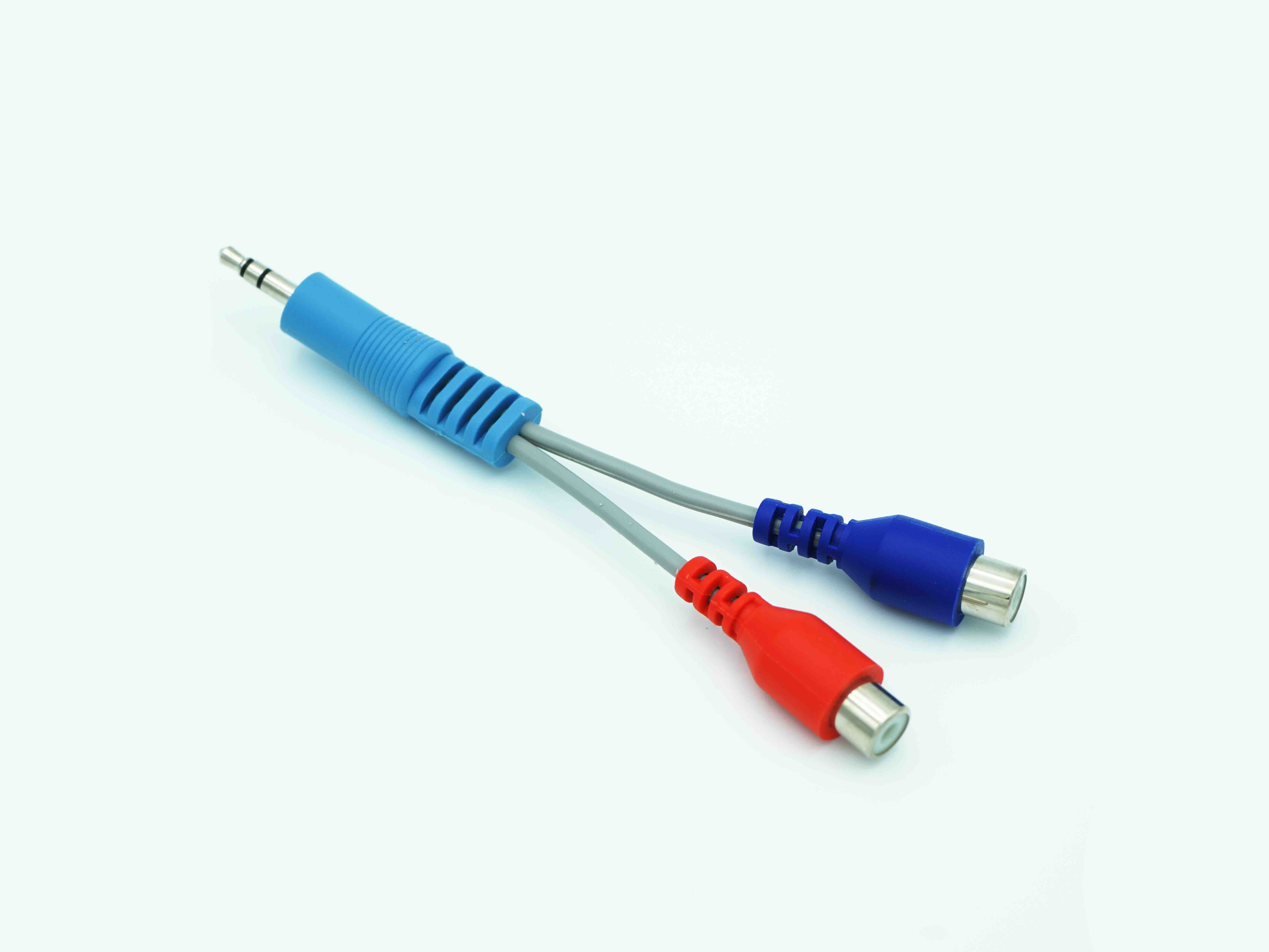
What Is a Two-Way Coax Splitter and Why Does It Matter?
So you have one coaxial cable coming into your home or facility, and you need to send that signal to two different locations. Maybe it is two TVs, two cable boxes, or some combination of over-the-air antenna and a modem. Whatever the situation, a two-way coax splitter is the piece of hardware that makes it happen. It is a small, passive device, usually made of metal with one input port and two output ports, and it divides a single coaxial signal into two separate signal paths. Sounds simple enough, and honestly, it kind of is. But there is a lot more going on under the surface than most people realize, and understanding the fundamentals can save you from a frustrating installation or a degraded picture. Let us walk through it.
How a Two-Way Coax Splitter Actually Works
At its core, a two-way coax splitter uses a passive resistive network to divide the incoming RF signal across two output ports. The signal coming in through your coaxial cable carries radio frequency energy, and the splitter distributes that energy between both outputs using an internal transformer or resistive coupling arrangement. Now, the key thing to understand here is that this division comes with a cost. Signal power does not just duplicate itself. When you split a signal two ways, each output receives roughly half the original power. In decibel terms, that is approximately a 3.5 dB signal loss per port, though real-world splitters often land closer to 3.7 to 4 dB depending on frequency range, shielding quality, and construction. For strong input signals, this loss is barely noticeable. For weaker signals, like those coming from a distant over-the-air antenna, it can absolutely cause problems if not addressed correctly.
Key Components and Construction Quality to Know
Not all two-way coax splitters are built the same, and the differences matter more than you might expect. Here is what separates a solid splitter from one that will cause headaches down the road:
- Shielding quality: Better splitters use full shielding, often rated at 75 dB or higher, which prevents signal ingress from outside RF interference and stops signal leakage that could affect neighboring devices.
- Frequency range: A quality splitter should handle a broad frequency range, typically 5 MHz to 2400 MHz or beyond, to support modern cable TV, satellite, internet over coax, and MoCA applications.
- Port connectors: Look for F-type threaded connectors rather than push-on styles. They hold securely, reduce corrosion risk, and maintain better contact over time.
- Housing material: Die-cast zinc or machined aluminum housings offer better durability and shielding than thin stamped enclosures.
Impedance matching: Standard coaxial systems run at 75 ohms. Your splitter must match this impedance to avoid signal reflections and additional losses.
These are not arbitrary specs. Each of these construction elements plays a direct role in how clean and stable your signal is after the split. Skimping on splitter quality is one of the most common, and underestimated, mistakes in a coax installation.
Where Two-Way Coax Splitters Are Commonly Used
The use cases here are broader than most people assume. Yes, the classic scenario is splitting a cable TV signal between two rooms, but modern installations go well beyond that. Two-way splitters show up in antenna distribution systems where one rooftop or attic-mounted antenna serves two TVs in different rooms. They appear in MoCA network setups, where coaxial cable is used to carry ethernet-like data signals throughout a home. They are used in satellite distribution systems, though care must be taken because some satellite configurations require powered splitters to pass DC voltage back to a dish-mounted LNB. You will also find them in commercial installs, hospitality environments, and small office settings where a single cable drop needs to feed two displays or two cable devices without running a new line. The simplicity of the device makes it incredibly versatile across residential and light commercial contexts.
Advantages of Using a Two-Way Coax Splitter
The benefits are real and practical. A two-way coax splitter eliminates the need to run a second cable from your source, which saves time, materials, and installation labor. It is a passive device, meaning no power supply, no configuration, no firmware updates, and no points of failure tied to electronics. Just plug it in and it works. For most residential cable and antenna applications, a properly selected splitter delivers clean, reliable signal division with minimal hassle. Cost is another obvious advantage. A quality two-way coax splitter is an inexpensive component, especially when compared to the alternative of running entirely new cable infrastructure. For integrators managing budget-conscious jobs, the math is easy.
Common Drawbacks and Limitations to Consider
Signal loss is the unavoidable reality of passive splitting, and depending on your signal environment, it can be a genuine problem. If your antenna or cable signal is already marginal, splitting it without amplification can push one or both outputs below the threshold for reliable reception. In those situations, an amplified splitter or a separate distribution amplifier placed before the split is the right call. Another limitation is that two-way splitters are bidirectional by nature, which means they can sometimes introduce return path noise in two-way cable systems, particularly in DOCSIS cable modem setups. Some installs require splitters specifically rated for low-noise return path performance. Finally, cascading multiple splitters, using a two-way to feed another two-way for example, compounds signal loss quickly and should be avoided in favor of a single multi-way splitter sized appropriately for the number of outputs needed.
Tips for Getting the Best Performance from Your Coax Splitter
A few practical habits make a noticeable difference in how well your split performs. Place the splitter as close to the signal source as possible rather than at the end of a long cable run. Use high-quality RG6 coaxial cable on all legs, avoiding RG59 which has higher attenuation at higher frequencies. Keep cable runs as short as practical, since every foot of cable adds its own insertion loss. Inspect your F-type connectors for proper compression and verify that the center conductor is fully seated and the connector is hand-tightened securely. If you are in a weak signal area, consider a pre-amplifier upstream of the splitter rather than trying to compensate after the split. And if you are working in a MoCA environment, make sure you install an appropriate MoCA point-of-entry filter to keep MoCA signals contained within your home network.
Passive vs. Active Splitters: Which One Do You Need?
This is a question worth addressing directly. A passive two-way coax splitter, the standard type this article is focused on, requires no power and simply divides the signal using its internal circuitry. It is the right choice when your input signal is strong enough to absorb the insertion loss without degrading below acceptable levels. An active splitter, sometimes called a distribution amplifier, incorporates an amplifier stage that compensates for the insertion loss before or after the split. Active splitters require a power source, add a point of electronic failure, and can introduce noise if they amplify an already-noisy signal. For strong cable or antenna signals in a typical home setup, passive is almost always the right answer. Active comes into play when signal levels are low, cable runs are very long, or you are distributing to multiple locations across a larger property.
Why Monoprice Should Be Your First Stop for Coax Splitter Solutions
When you need reliable, well-built coaxial signal distribution hardware at a price that makes sense, two-way coax splitters and coaxial signal distribution accessories from Monoprice are worth a serious look. Monoprice has built a reputation for delivering high-performance connectivity products across both residential and commercial markets, and their coax splitter lineup reflects that same commitment to quality construction without unnecessary cost inflation. Whether you are an AV integrator speccing out a multi-room system, a homeowner setting up a reliable antenna distribution network, or an IT professional sourcing components for a MoCA-based infrastructure, Monoprice offers a product catalog with the range and value to match the job. The combination of solid shielding, proper impedance matching, and F-type threaded connectors means you are getting hardware that performs reliably in the field and not just on paper.
Frequently Asked Questions About Two-Way Coax Splitters
How much signal loss does a two-way coax splitter cause?
A standard passive two-way coax splitter introduces approximately 3.5 to 4 dB of insertion loss at each output port. This is a result of dividing the signal power between two paths and is inherent to the design of any passive splitter.
Can I use a two-way coax splitter with my cable modem?
Yes, but you should be cautious. Splitting the signal before it reaches your cable modem reduces signal strength, which can affect modem performance or stability. If possible, connect your modem to the strongest leg of the split, or use a dedicated line directly from the source.
Will a two-way coax splitter work with an over-the-air antenna?
Yes, a two-way coax splitter can be used with an OTA antenna to distribute the signal to two TVs. However, if your antenna signal is already weak, the insertion loss may cause reception issues, and a distribution amplifier placed before the split may be necessary.
Does a two-way coax splitter need to be grounded?
In most indoor residential applications, the splitter itself does not require additional grounding beyond what is established by the coaxial system. However, outdoor installations and antenna systems should follow NEC grounding requirements at the antenna mast and any exterior cable entry points.
What is the difference between a splitter and a combiner?
A coax splitter and a combiner are physically the same component, but they are used in opposite directions. A splitter takes one input and produces two outputs. A combiner takes two inputs and merges them into one output. The same device can often perform both functions depending on how it is connected in a system.
Can I use a two-way coax splitter with satellite TV?
It depends on the satellite system. Some satellite configurations require DC voltage to pass through the coaxial cable to power a dish-mounted LNB, which standard passive splitters block. For those setups, a DC-passing splitter or a multiswitch designed for satellite distribution is required.
Is it okay to stack two-way coax splitters together?
Technically possible, but not recommended if avoidable. Cascading splitters compounds signal loss at each stage. It is better to use a single four-way or higher splitter sized to the number of outputs you need rather than daisy-chaining multiple two-way units.
What frequency range should my coax splitter support?
For most modern applications including cable TV, OTA antenna, and MoCA networking, look for a splitter rated from at least 5 MHz to 1000 MHz. For MoCA 2.0 and 2.5 applications or satellite, you may need a splitter rated up to 1675 MHz or 2400 MHz respectively.
Does the length of the coax cable affect splitter performance?
Yes. Coaxial cable itself adds insertion loss at a rate that increases with both cable length and signal frequency. Longer cable runs before or after the splitter reduce the effective signal level reaching your devices, so keeping runs as short as practical improves overall system performance.
How do I know if I need an amplified splitter instead of a passive one?
If your input signal level is strong and your cable runs are reasonably short, a passive splitter is usually sufficient. If you are experiencing pixelation, dropouts, or signal-related errors after installing a splitter, that is a strong indicator that signal levels are too low and a distribution amplifier placed before the split point may be needed.


