

TRS to XLR Audio Cables for Balanced Signal Clarity
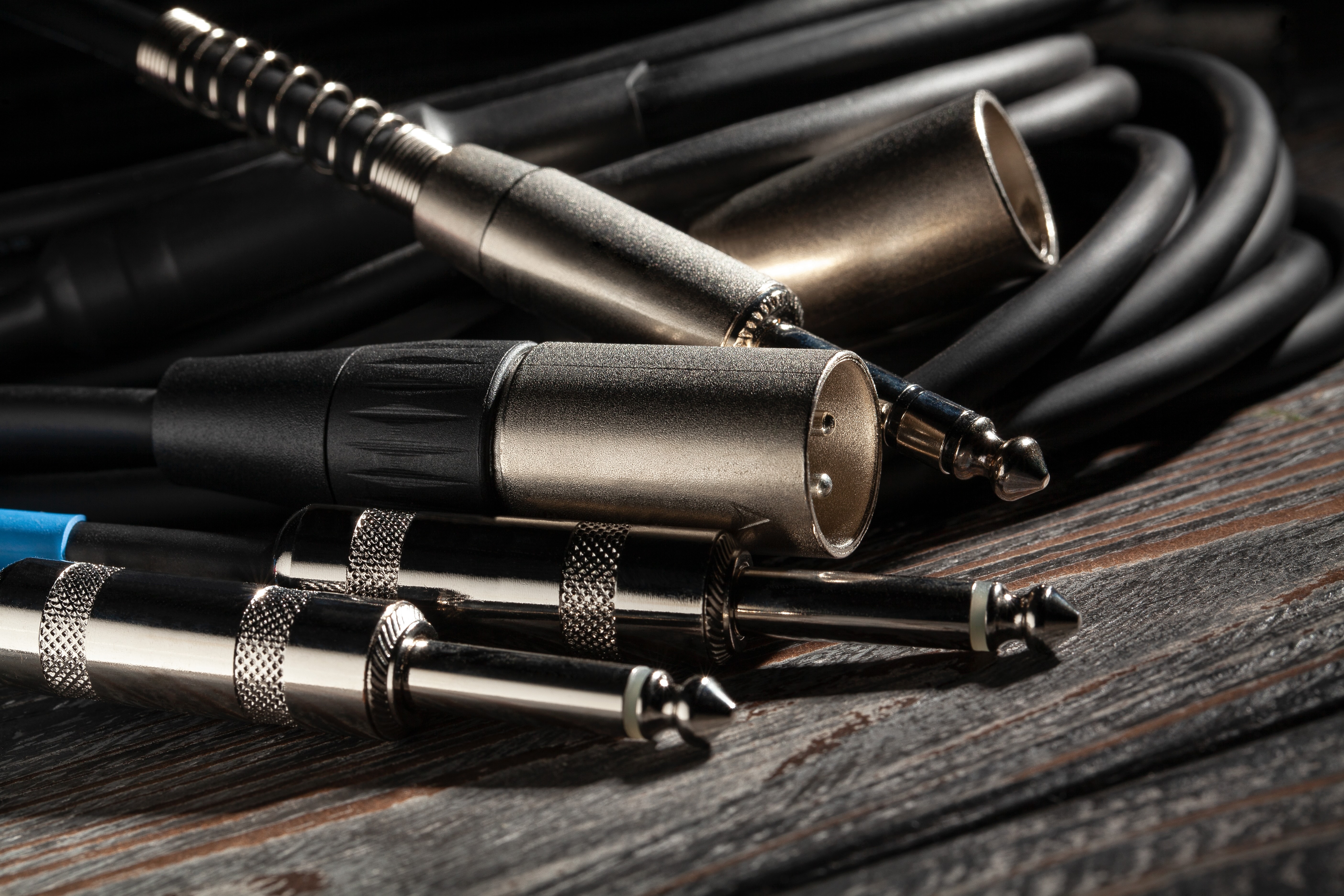
What Is a TRS to XLR Cable and Why Does It Matter?
If you have spent any time around audio equipment, whether in a home studio, a live sound setup, or a professional broadcast environment, you have probably run into both TRS and XLR connectors at some point. The thing is, they serve different purposes, and sometimes those purposes overlap in ways that require a bridge between them. That is exactly what a TRS to XLR cable does. It connects devices that use a Tip-Ring-Sleeve connector on one end to equipment that uses the three-pin XLR connector on the other, and it does so while preserving the balanced signal that both connector types are designed to carry. This is not a workaround or a compromise. It is a legitimate, widely used solution that professional audio engineers, musicians, and broadcast technicians rely on every single day. Understanding how it works and when to use it can save you a lot of troubleshooting headaches and, honestly, a fair amount of money on equipment you do not actually need.
Understanding the Difference Between TRS and XLR Connectors
Let us back up for a second. TRS stands for Tip, Ring, Sleeve. It looks like a standard headphone jack, but typically in the quarter-inch format, though you will also find it in 3.5mm form for smaller devices. Each section of the plug carries a different part of the signal. The tip carries the positive signal, the ring carries the negative signal, and the sleeve is the ground. XLR connectors, on the other hand, use three pins inside a circular housing that locks into place. Pin 1 is ground, Pin 2 is positive, and Pin 3 is negative. Both formats carry balanced audio, which is the important part. The physical connectors look completely different, but the underlying electrical signal they manage is the same type. That is why a properly built TRS to XLR cable can translate between these two formats without degrading the audio quality in any meaningful way.
How a Balanced Audio Signal Actually Works
Balanced audio is one of those concepts that sounds technical but is actually pretty straightforward once you see what it is doing. When a balanced cable carries a signal, it sends two versions of that signal simultaneously, one is the original and one is an inverted, or phase-flipped, copy. Any noise that gets picked up along the cable, and it will pick up some over distance, affects both signals equally. When the signal reaches the destination device, the receiving equipment flips the inverted copy back to its original polarity and combines both signals. Because the noise was added to both in the same phase, it cancels itself out when they are combined. The actual audio signal doubles in strength. This is called common mode rejection, and it is why balanced connections are standard in professional audio environments where long cable runs and electromagnetic interference are just part of the reality. A TRS to XLR cable, when properly wired, maintains this balanced configuration the entire way through.
When Would You Actually Use a TRS to XLR Cable?
There are a handful of situations where this cable type becomes genuinely useful, and they come up more often than you might expect. Audio interfaces are a big one. Many interfaces, especially project studio models, use TRS outputs for their main line outs, while most professional studio monitors and stage amplifiers use XLR inputs. A TRS to XLR cable bridges that gap cleanly. Mixing consoles are another common use case. Some console channels accept TRS inputs from outboard gear that terminates in a quarter-inch plug. Keyboards and synthesizers often output balanced TRS signals that need to connect to an XLR-equipped PA system. Basically, anywhere the signal chain crosses between gear that uses one connector format and gear that uses the other, this cable is the right tool for the job.
Key Advantages of Using TRS to XLR Cables
The benefits stack up quickly once you understand what balanced audio is protecting you from. Here are the main advantages worth knowing before you buy:
- Noise rejection over longer cable runs, which matters in live and installed environments
- Preserved signal integrity when connecting two pieces of professional-grade equipment
- No need for additional adapters, converters, or DI boxes in many common routing scenarios
- Versatility across studio, stage, and broadcast applications
- Cost-effective solution compared to rerouting signal chains with extra hardware
- Clean, full-level signal transfer when both ends are properly wired for balanced operation
These are not minor conveniences. In a working audio environment, hum, noise, and signal degradation cost time and credibility. A good TRS to XLR cable removes those variables from the equation without requiring you to redesign your signal chain or add gear you do not need.
Common Drawbacks and Limitations to Know Before You Buy
No cable type is perfect for every situation, and TRS to XLR connections come with a few considerations worth understanding upfront. First, the cable only works as intended when both the source and the destination are actually operating in balanced mode. If you connect a balanced TRS output to an XLR input that is wired unbalanced, or vice versa, you can end up with a signal that is weaker than expected or introduces ground loop noise. Second, these cables do not convert an unbalanced signal into a balanced one. They carry whatever signal type they are given. Third, the direction of the connector matters. A TRS male to XLR male cable is wired differently from a TRS male to XLR female cable, and using the wrong configuration for your specific gear can result in phase issues or no signal at all. Reading the wiring pinout before purchasing or building a cable is not optional if you want reliable results.
How to Choose the Right TRS to XLR Cable for Your Setup
A few practical factors help narrow down the right cable for a given application. Cable length is the first consideration. Balanced connections handle longer runs well, but there is no reason to use more cable than necessary. Shorter runs reduce capacitance buildup and keep your signal path tidy. Connector gender is the second factor. Know whether your source device has a TRS jack that requires a male TRS plug, and whether your destination device has an XLR jack that requires a male or female XLR. Third, look at the cable construction. Oxygen-free copper conductors, good shielding coverage, and quality strain relief at the connectors are markers of a cable that will hold up under real-world use. Finally, consider the application. A cable that works fine in a controlled studio environment may not survive the physical stress of a touring live setup, so think about durability alongside electrical performance.
TRS to XLR in Professional and Project Studio Environments
In professional environments, TRS to XLR cables show up constantly in ways that are easy to overlook. They connect audio interfaces to monitor speakers. They route signals from patchbays to outboard processors. They connect balanced line outputs from keyboards and electronic drum modules into mixing consoles. In project studios, where gear selection is often a mix of consumer and professional equipment, these cables fill the connector gaps without requiring expensive workarounds. The important thing is treating them as a real part of the signal chain rather than a throwaway afterthought. A cheap, poorly shielded cable in a balanced connection can still introduce noise, even if balanced transmission provides inherent noise rejection. The cable itself needs to be up to the task, and that means paying attention to build quality rather than just grabbing whatever is available.
Why Monoprice Is the Smart Choice for TRS to XLR Audio Cables
When it comes to sourcing audio cables that actually perform, Monoprice has built a clear track record in the professional and enthusiast audio space. The approach is straightforward: deliver the cable construction and electrical performance that working audio setups demand, without the inflated pricing that typically comes with pro audio accessories. For anyone connecting an audio interface to studio monitors, routing balanced signals from a keyboard to a live console, or building out a reliable studio patchbay, Monoprice TRS to XLR cables deliver clean, consistent performance without introducing noise or signal degradation. The connectors are properly wired for balanced operation, the shielding holds up, and the build quality reflects the kind of reliability that professionals actually count on. If you are ready to stop overpaying for cables that do nothing extra to justify the cost, explore the full range of professional TRS to XLR balanced audio cables at Monoprice and see how much further your budget can go without sacrificing the signal quality your setup deserves.
Frequently Asked Questions About TRS to XLR Cables
What does a TRS to XLR cable do?
A TRS to XLR cable connects devices with a Tip-Ring-Sleeve quarter-inch connector to equipment with a three-pin XLR connector while maintaining a balanced audio signal between both ends of the connection.
Is a TRS to XLR connection balanced?
Yes, when both the source and destination devices are operating in balanced mode, a properly wired TRS to XLR cable carries a fully balanced audio signal with common mode noise rejection.
Can I use a TRS to XLR cable to connect my audio interface to studio monitors?
Yes, this is one of the most common applications. Many audio interfaces use TRS line outputs, and many studio monitors use XLR inputs, making a TRS male to XLR male cable the standard connection between them.
Does the direction of the cable matter?
Yes, connector gender and wiring direction both matter. A TRS to XLR male cable is designed for different applications than a TRS to XLR female cable, and using the wrong one can result in no signal or phase problems.
Will a TRS to XLR cable convert an unbalanced signal to a balanced signal?
No. A TRS to XLR cable carries whatever signal type the source produces. It does not convert an unbalanced signal into a balanced one. Both the source and destination need to support balanced operation for the connection to be truly balanced.
What length TRS to XLR cable should I use?
Use the shortest length that comfortably reaches between your two devices. Balanced connections handle longer runs better than unbalanced ones, but keeping cable length reasonable reduces unnecessary capacitance and keeps the signal path clean.
Can a TRS to XLR cable cause a ground loop?
It can, particularly if one end of the connection is unbalanced or if the equipment on either end has grounding issues. A properly balanced connection on both ends significantly reduces ground loop risk.
What should I look for in a quality TRS to XLR cable?
Look for oxygen-free copper conductors, solid shielding coverage, durable connector housings, and quality strain relief at both ends. These construction details directly affect both performance and longevity in real-world use.
Is a TRS to XLR cable the same as an insert cable?
No. An insert cable uses a single TRS connector that splits into two TS connectors for send and return paths. A TRS to XLR cable uses a single TRS connector on one end and a single XLR connector on the other for a straightforward balanced line connection.
Can I use a TRS to XLR cable for microphones?
Generally, no. Microphones typically require phantom power delivered through an XLR connection and operate at mic level, not line level. A TRS to XLR cable is designed for line level signals between balanced devices, not for powering or connecting microphones.


