TiVo Coaxial Cable Guide: RG6 Tips and Best Picks
What Is a TiVo Coaxial Cable and Why Does It Matter for Your Setup?
If you have a TiVo DVR or any cable TV receiver, the coaxial cable connecting it to your wall outlet is doing more work than most people realize. It is the physical link that carries your cable signal from the provider into the device, and the quality of that cable directly affects picture quality, channel reliability, and overall system performance. A lot of folks overlook this completely and then wonder why channels are dropping or why the signal feels inconsistent. The TiVo coaxial cable is not a complicated piece of hardware, but understanding what it does and what to look for when you buy one can make a real difference in your viewing experience.
How a Coaxial Cable Actually Works
Coaxial cable, often called coax, is built around a straightforward but effective design. At the center is a copper conductor that carries the signal. Around that is a layer of dielectric insulation, then a metallic shielding layer, and finally an outer plastic jacket. The shielding is what separates a good coax from a mediocre one. It blocks external electromagnetic interference from corrupting the signal traveling down that center conductor. For TiVo users, that means fewer pixelated images, fewer dropped channels, and a more stable connection from the cable wall plate to the receiver. The most common type used in residential cable TV setups is RG6 coaxial cable, which has largely replaced the older RG59 standard because it handles higher frequencies with less signal loss over distance.
RG6 vs RG59: Which One Do You Actually Need?
This comes up constantly, and the short answer is almost always RG6. RG59 was the standard for years, but modern cable TV systems, including those used with TiVo DVRs, operate at frequencies that RG59 handles poorly over any significant distance. RG6 cable has a thicker center conductor and better shielding, which makes it more capable of handling broadband cable signals, satellite signals, and over-the-air antenna connections without noticeable signal degradation. If you are replacing an existing cable that runs from a wall plate to your TiVo, go with RG6 every time. It is widely available, affordable, and the right tool for the job.
Key Features to Look for in a TiVo Coaxial Cable
Not all RG6 cables are built equally. When you are shopping for a coaxial cable to connect your TiVo or any cable receiver, a few specs and construction details deserve attention before you buy.
- Shielding rating: Look for cables with quad-shield construction if your installation is near interference sources like electrical panels or wireless routers. Dual-shield is typically sufficient for most home setups.
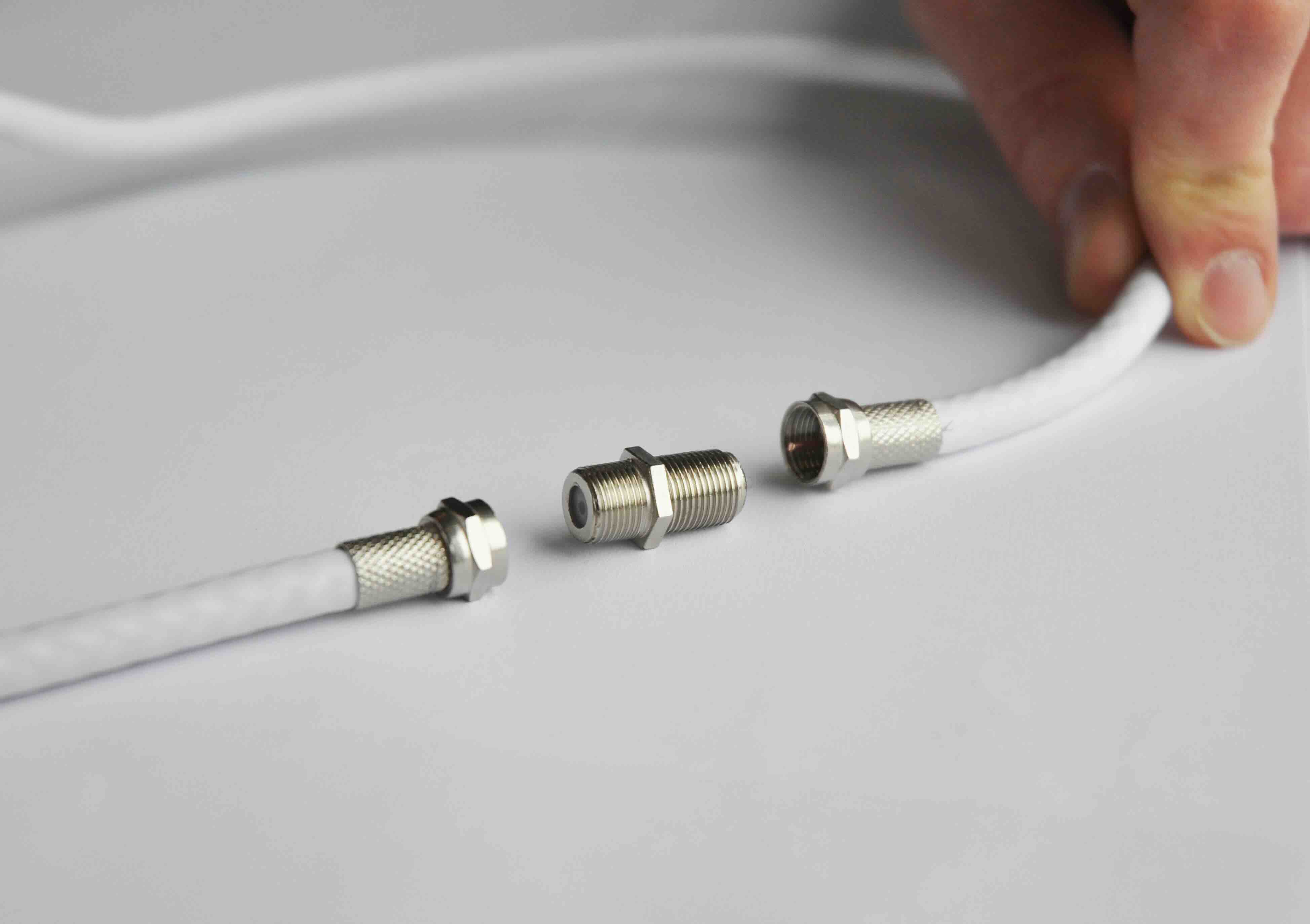
- Connector quality: F-type connectors should be compression-style rather than push-on or crimp-style for a more secure and reliable connection.
- Cable length: Signal loss increases with distance, so only use the length you actually need. Longer runs introduce more attenuation.
- Conductor material: Solid copper is preferable over copper-clad steel, especially for longer runs, because it carries the signal more efficiently.
- Jacket rating: If any portion of the cable runs outdoors or through walls, look for a jacket rated for direct burial or in-wall use to ensure durability and code compliance.
Common Drawbacks and Limitations to Know
Coaxial cables are reliable, but they are not immune to problems. One of the most common issues is signal loss over long cable runs, which becomes noticeable when cables exceed 50 to 100 feet without a signal amplifier in place. Connectors are another weak point. A poorly terminated F-connector can cause signal interference, intermittent drops, or complete signal loss even when the cable itself is fine. Coax is also not as flexible as other cable types, which makes routing it through tight spaces or around corners a bit more involved. And if you are using an older cable that has been sitting behind a wall for years, there is a good chance the shielding has degraded, which is worth factoring in if you are troubleshooting signal problems.
Installation Tips for Getting the Best Signal Quality
Getting your TiVo coaxial cable installed correctly is just as important as choosing the right one. A few practical habits go a long way toward keeping your signal clean and stable. Hand-tighten F-connectors firmly but do not over-torque them, which can damage the connector or the port. Avoid sharp bends in the cable, because coax has a minimum bend radius and sharp angles can distort the internal geometry and degrade signal quality. Keep cable runs as short as practical. If you need to split the signal to multiple devices, use a quality splitter and understand that every split reduces signal strength. If your TiVo is at the end of a long cable run with multiple splits in the chain, a distribution amplifier may be necessary to compensate for those losses.
Does Cable Quality Really Affect TiVo Performance?
Yes, and more than most people expect. TiVo DVRs are sophisticated devices that depend on a clean, stable RF signal to lock onto cable channels, record reliably, and deliver consistent picture quality. A low-quality or damaged coaxial cable introduces noise into the signal path, which can manifest as pixelation during playback, difficulty tuning to certain channels, or errors during recording. In severe cases, the TiVo may struggle to maintain a lock on the signal altogether. Swapping out a degraded or bargain-grade cable for a quality RG6 coax is one of the simplest and least expensive fixes available, and it is often overlooked in favor of more complicated troubleshooting steps.
When to Replace Your Coaxial Cable
There are a few clear signs that your existing coaxial cable is due for replacement. Visible physical damage to the outer jacket, bent or corroded connectors, or cable that has been stapled too aggressively to walls or baseboards are all red flags. Intermittent signal issues that cannot be traced to the cable provider or the TiVo device itself are another indicator. If the cable has been in place for a decade or more, the internal shielding may have deteriorated even if the exterior looks acceptable. Replacing it is a straightforward process and often resolves persistent signal problems without any further intervention required.
Why Monoprice Is the Right Source for Your Coaxial Cable Needs
When you need a coaxial cable that actually delivers, Monoprice consistently stands out as the smarter choice for homeowners, integrators, and AV professionals alike. Monoprice coaxial cables are built to RG6 specifications with quality construction that does not require you to spend a premium to get reliable performance. The product lineup covers everything from short patch cables to longer in-wall rated runs, so finding the right cable for your TiVo installation is straightforward rather than a compromise. If you are ready to shop with confidence and stop guessing about cable quality, explore the full range of affordable coaxial cables and connectivity solutions available through Monoprice coaxial cables and home entertainment accessories and see exactly what reliable signal delivery looks like at a price that makes sense. Whether you are setting up a single DVR or wiring an entire home, Monoprice has the hardware to do it right without inflating your project budget.
Frequently Asked Questions About TiVo Coaxial Cables
What type of coaxial cable does a TiVo DVR use?
TiVo DVRs use standard F-type coaxial cable connections, and RG6 is the recommended cable type for best signal performance in modern cable TV and satellite installations.
Can I use any coaxial cable with my TiVo, or does it have to be a specific brand?
TiVo is compatible with any standard RG6 coaxial cable that uses an F-type connector. Brand matters less than cable construction quality, shielding rating, and connector type.
How long can a coaxial cable run be before signal quality degrades?
RG6 cable begins to show noticeable signal attenuation beyond 50 to 100 feet depending on the frequency being carried. Longer runs may require a signal amplifier to maintain acceptable performance.
What is the difference between quad-shield and dual-shield coaxial cable?
Dual-shield coaxial cable has two layers of shielding and is suitable for most home cable TV setups. Quad-shield adds two more layers and provides better protection against electromagnetic interference in high-noise environments.
Why does my TiVo keep losing signal even with a new coaxial cable?
Signal loss after installing a new cable may point to a faulty connector termination, excessive cable splits in the line, signal issues from the cable provider, or a need for a distribution amplifier on longer runs.
Is RG59 coaxial cable compatible with TiVo?
RG59 can function in low-frequency applications but is not recommended for TiVo or modern cable TV systems. It handles higher broadcast frequencies poorly and introduces more signal loss compared to RG6.
Do I need a special coaxial cable if my TiVo is connected to a satellite dish?
Satellite installations require RG6 cable rated for higher frequencies, and in some cases RG6 with a solid copper conductor is specifically recommended. Always verify the satellite provider requirements before purchasing cable.
Can a bad coaxial cable cause my TiVo to record incorrectly or miss recordings?
Yes. A degraded or poorly shielded coaxial cable can cause the TiVo to lose its tuner lock intermittently, which may result in failed or incomplete recordings even when the schedule is set correctly.
How do I know if my existing coaxial cable needs to be replaced?
Signs include visible jacket damage, corroded or loose F-connectors, persistent signal pixelation, or intermittent channel drops that cannot be attributed to provider outages or device issues.
Is there a difference between indoor and outdoor coaxial cable for TiVo installations?
Yes. Outdoor or direct burial rated coaxial cables have UV-resistant and moisture-resistant jackets designed to handle environmental exposure. Indoor cables should not be used in exterior runs because the jacket will degrade over time and compromise the cable's integrity.