

Sub Box Wire Connectors: Clean Connections That Deliver
What Is a Sub Box Wire Connector and Why Does It Matter?
If you have ever installed a subwoofer enclosure in a car, home theater setup, or custom audio build, you have probably encountered the question of how to properly terminate and connect your speaker wire at the box itself. That is where the sub box wire connector comes in. It is a small but genuinely important component -- essentially a terminal or binding post that allows you to make a clean, secure, and repeatable electrical connection between your amplifier's speaker output and the subwoofer driver mounted inside the enclosure. It sounds straightforward. And mostly it is. But the details matter more than people expect, especially once you factor in signal integrity, long-term reliability, and the overall quality of the audio output you are trying to achieve. Getting this part right can genuinely affect how your system performs.
How Sub Box Wire Connectors Actually Work
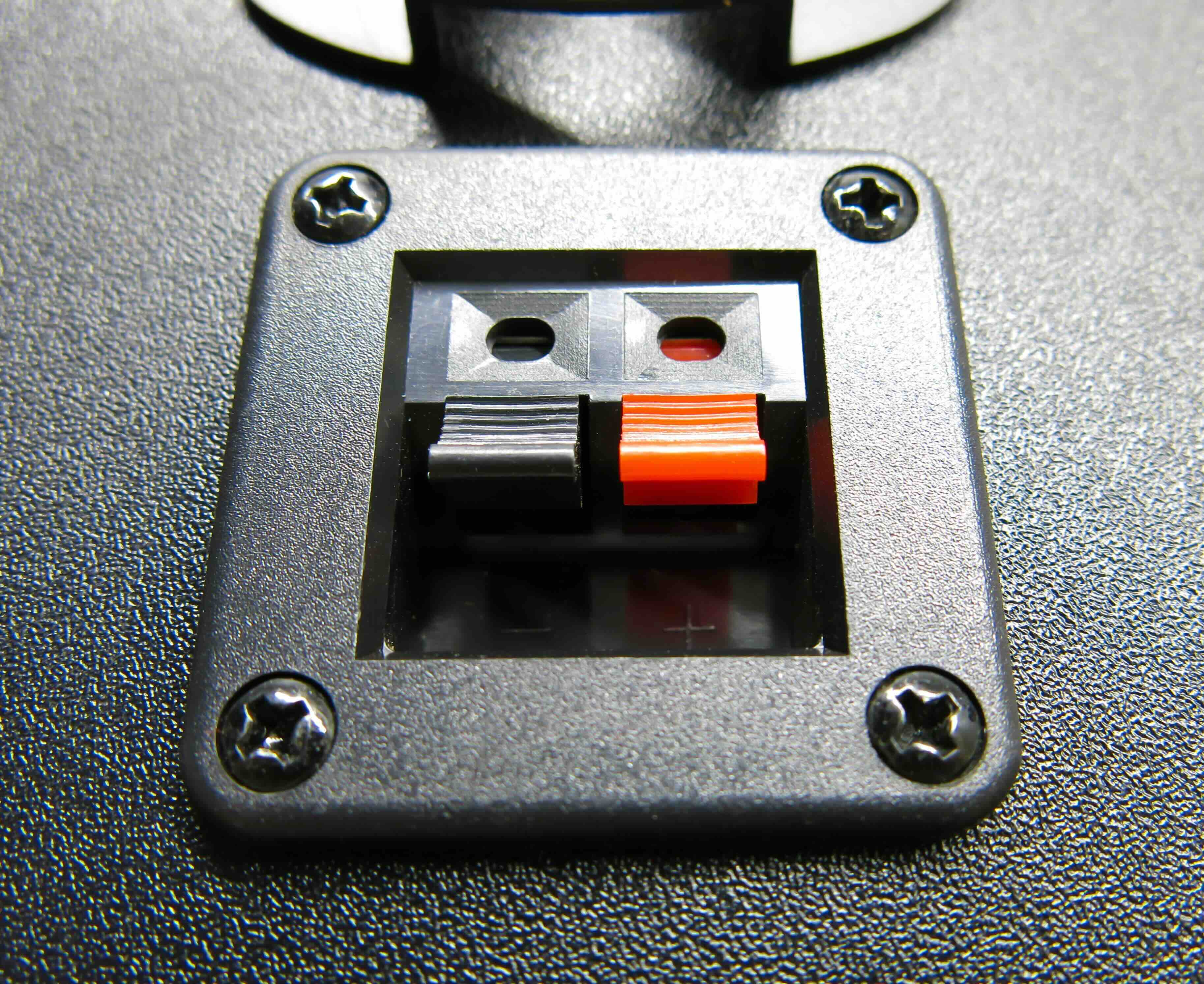
At the core level, a sub box wire connector serves as an interface point -- it passes electrical signal from the outside of the enclosure to the speaker terminal on the inside. Most connectors are mounted directly into the MDF or fiberglass wall of the enclosure using a cutout or mounting flange. On the exterior face, you connect your amplifier leads. On the interior side, short wire runs reach the subwoofer's voice coil terminals. The connector itself is usually spring-clip, push-pin, banana plug compatible, or screw-type, depending on the product. Grounding is a key part of the equation here too. A poorly grounded or loosely connected terminal introduces resistance, which translates to power loss, distortion, and in some cases, a hum or buzz that can be hard to trace. Getting the connector installed correctly -- tight, clean, and grounded where required -- is the difference between a system that underperforms and one that delivers what it was built to deliver.
Types of Sub Box Wire Connectors Available
There are several connector types used in subwoofer enclosures, and the right one depends on your setup, your wire gauge, and how often you plan to disconnect and reconnect things. Here is a practical breakdown of what you are likely to encounter:
- Spring clip terminals -- low profile, easy to use, best for lighter gauge wire and quick connections
- Screw-type binding posts -- more secure, handle heavier gauge wire, better for permanent installs
- Push-pin connectors -- tool-free and fast, common in prefabricated enclosures, moderate grip strength
- Banana plug jacks -- clean and professional, support repeated connection and disconnection without wear
- Dual-terminal plates -- carry both positive and negative runs in a single mounted unit, reduce box penetrations
For most performance audio applications, screw-type or banana-compatible binding posts are the preferred choice. They handle the wire gauges typically used with subwoofers -- usually 12 AWG to 16 AWG -- and they maintain connection integrity far better under vibration, which is obviously a real concern when you are dealing with a speaker that is physically moving a lot of air at high excursion levels.
The Role of Grounding in Subwoofer Enclosure Wiring
Grounding is something people skip over or do improperly, and it causes real problems. In the context of a sub box wire connector, grounding refers to establishing a proper return path for the electrical signal -- the negative terminal connection. In car audio especially, poor ground connections are one of the most common sources of noise and reduced output. The connector itself needs to seat firmly in the enclosure wall, and the wire connections on both sides need to be solid, with no fraying or oxidation at the contact points. If you are working in a metal chassis environment, you may also be dealing with chassis ground loops, which require a bit more attention. The best practice is always to run a dedicated ground wire from the amplifier to a clean metal point as close to the battery as possible, and separately ensure your enclosure's internal wiring uses short, direct, properly terminated runs from the connector to the sub terminals.
Key Advantages of Using Quality Sub Box Wire Connectors
Not all connectors are created equal, and this is worth understanding before you buy. Higher quality connectors offer measurable advantages that affect system performance in ways that are not always obvious upfront.
- Reduced contact resistance means more power transfer from amp to driver
- Gold or nickel plating on contact surfaces resists oxidation over time
- Secure mounting flanges prevent connector movement under bass vibration
- Higher current ratings support powerful amplifiers without thermal stress
- Compatibility with banana plugs allows clean, tool-free reconfiguration
These benefits compound over time. A cheap spring clip connector that works fine on day one may corrode, loosen, or develop resistance over months of use -- particularly in a vehicle where temperature swings, vibration, and humidity are constant factors. Investing in a quality terminal from the start saves you diagnostic time and frustration later.
Common Drawbacks and What to Watch For
There are real limitations and failure points to be aware of. Spring clip connectors, while convenient, are not ideal for high-current applications. They can release under vibration, especially if the wire was not stripped and inserted properly. Screw-type terminals can strip if overtightened, which is a surprisingly easy mistake to make. Connectors with thin plating can corrode in humid environments -- worth noting if the enclosure is going into a trunk or truck bed. The hole cutout in the enclosure wall also has to be precise. Too loose and the connector will move; too tight and you risk cracking the MDF. Most connectors come with a gasket or foam seal to prevent air leaks, which is critical for ported and sealed enclosures where internal pressure is part of the acoustic design. A leaking terminal plate defeats the purpose of a sealed box entirely. These are manageable issues -- just plan for them.
Installation Tips for Getting It Right the First Time
Installation is not complicated, but there are a few habits worth building. First, always pre-drill your mounting hole carefully and test the connector fit before committing. Second, use heat-shrink tubing or electrical tape over any exposed wire connections inside the enclosure -- bare wire near a moving driver cone is a risk you do not need to take. Third, use ring terminals or ferrules on the wire ends before inserting them into screw-type connectors; this gives you a cleaner, more reliable contact than bare stranded wire alone. Fourth, test continuity with a multimeter before mounting the subwoofer permanently -- catching a loose connection before the box is sealed up saves significant time. Fifth, torque screw terminals to snug but not over-tightened. These are small metal components and threads strip faster than you expect.
Choosing the Right Connector for Your Specific Application
The right connector depends on a few variables. What is the impedance and power handling of your subwoofer? What gauge wire are you running? Is this a mobile or stationary installation? For car audio builds using high-powered monoblock amplifiers pushing 500 watts or more, you want a screw-type or banana-compatible terminal rated for the current involved. For a home theater sealed enclosure running moderate power, a spring clip or push-pin terminal may be perfectly adequate. Always check the connector's rated current capacity and compare it to what your amplifier is capable of delivering. And consider the physical space available. Some enclosures are tight, and a large terminal plate may not fit neatly on the side panel you intended. Measure twice, order once.
Why Monoprice Is a Smart Source for Sub Box Wire Connectors and Audio Accessories
When you are building out a subwoofer enclosure or wiring up any part of a sound system, the components you choose at the connection level matter more than most people realize. Monoprice has built a well-earned reputation for delivering high-quality audio and connectivity components at prices that do not force a compromise between quality and budget. Whether you need binding posts, terminal plates, speaker wire, or supporting accessories, the product lineup is designed with real installations in mind -- not just spec sheets. For integrators, enthusiasts, and everyday builders alike, exploring the full range of subwoofer wiring components and audio connectivity solutions at Monoprice is a straightforward way to get reliable parts that perform consistently across a wide range of applications. The combination of thoughtful design, transparent specifications, and accessible pricing makes Monoprice a practical first stop for anyone serious about getting their audio build done right.
Frequently Asked Questions About Sub Box Wire Connectors
What is a sub box wire connector used for?
A sub box wire connector is a terminal or binding post mounted into a subwoofer enclosure that provides a clean, secure connection point between the amplifier's speaker output wire and the subwoofer driver inside the box.
Does the type of sub box connector affect sound quality?
Yes. A poor connection introduces resistance and potential signal loss, which reduces power transfer to the driver. High-quality connectors with low contact resistance and corrosion-resistant plating support better and more consistent audio output.
What wire gauge works with most sub box connectors?
Most subwoofer enclosure connectors support wire gauges between 12 AWG and 18 AWG. For higher-powered applications, 12 or 14 AWG is recommended. Always verify the connector's specifications before purchasing.
Can a loose sub box connector cause a humming noise?
Yes. A loose or poorly grounded connection is one of the most common causes of hum or buzz in subwoofer systems. Ensuring both the positive and negative terminals are fully seated and tightened will typically resolve the issue.
What is the difference between spring clip and screw-type sub box connectors?
Spring clip connectors are easy to use and tool-free but are better suited for lighter gauge wire and lower power applications. Screw-type connectors offer a more secure, durable connection and are preferred for high-power installations.
Do sub box connectors need to be airtight?
For sealed and ported enclosures, yes. Air leaks at the connector mounting point compromise the acoustic design of the box. Most quality connectors include a gasket or foam seal to maintain the enclosure's internal air pressure integrity.
Are banana plug connectors better for subwoofer boxes?
Banana plug compatible connectors offer a clean, professional connection that supports easy disconnection and reconnection without degrading contact quality over time. They are a good choice for setups that require occasional reconfiguration.
Can I use any wire connector on a subwoofer enclosure?
Technically you can use various connector types, but not all are suited for the current levels and vibration conditions associated with subwoofer installations. It is important to match the connector's current rating and physical durability to the demands of your specific application.
How do I know if my sub box connector is failing?
Signs of a failing connector include reduced bass output, intermittent sound, audible distortion, or a hum that was not previously present. Checking the connection with a multimeter for resistance will confirm whether the terminal is the source of the problem.
Does grounding matter for sub box wire connectors?
Grounding matters significantly. The negative terminal of the connector forms the return path for the signal. A poor ground increases resistance, reduces output, and can introduce noise. Always ensure clean, tight, corrosion-free ground connections throughout the signal chain.


