

Stereo Jack Wiring Guide for Reliable Audio Connections
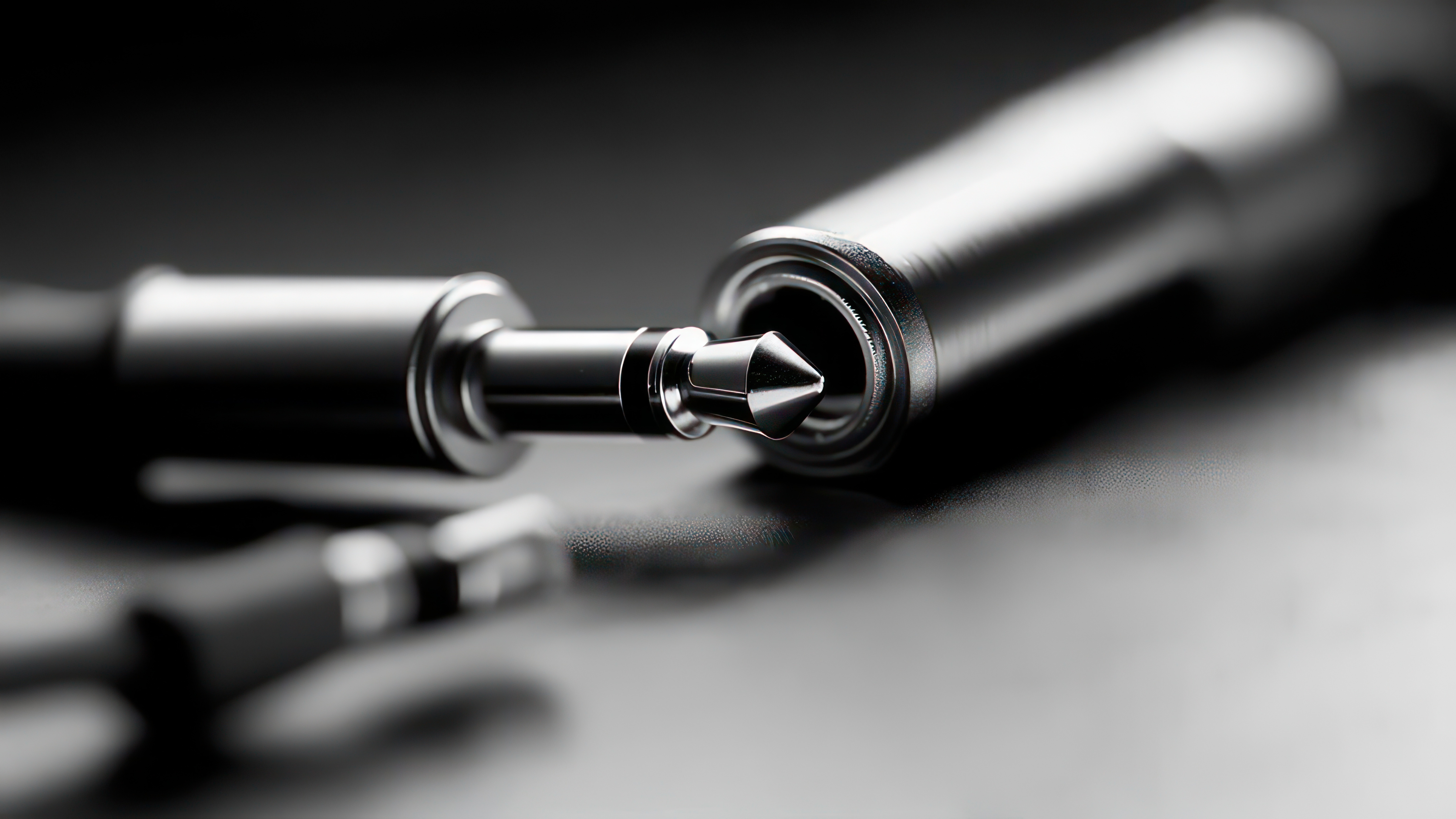
What Is a Stereo Jack Connector and Why Does It Matter
If you have ever plugged headphones into a phone or connected a guitar to an amplifier, you have already used a stereo jack connector. It is one of the most common audio connectors in the world, and honestly, most people do not think twice about it until something goes wrong. The stereo jack, also called a TRS connector, stands for Tip, Ring, and Sleeve. Each section of that small metal plug carries a specific signal, and understanding how that works can save you a lot of frustration when wiring up any audio setup. Whether you are a first-time DIYer or someone who has been assembling audio rigs for years, getting the wiring right is the difference between clean, clear sound and a buzzing, crackling mess that makes you want to throw your gear out the window.
How Stereo Jack Connectors Are Structured
The physical design of a stereo jack is actually pretty elegant once you break it down. The three conductive sections on the plug each serve a distinct purpose. The Tip carries the left audio channel signal. The Ring handles the right audio channel signal. The Sleeve is the ground, and that ground connection is what stabilizes the entire signal path. Without a solid ground, noise bleeds into the signal and audio quality drops immediately. You will typically find stereo jacks in two standard sizes. The 3.5mm jack is the one used in consumer electronics like smartphones, laptops, and portable audio gear. The 6.35mm, or quarter-inch jack, is the standard in professional audio environments, musical instruments, and studio equipment. Both operate on the same TRS wiring principle. The physical size changes, but the function does not.
Stereo vs. Mono Jack Wiring Explained
This is where a lot of people get confused, and it is worth slowing down here. A mono jack, also called a TS connector, only has two sections: the Tip and the Sleeve. No Ring. That means it only carries a single audio channel. Plugging a stereo connector into a mono jack, or the reverse, does not automatically destroy anything, but it can cause audio issues like channel bleed, signal loss, or a short-circuited channel depending on the device. Stereo wiring sends two independent signals down a single cable without interference, and when that wiring is done correctly, it is a remarkably efficient system. The key is making sure the connections inside the jack housing are clean, properly soldered, and matched to the right conductors in your cable. A cold solder joint at the Tip connection is one of the most common sources of intermittent audio issues in DIY cable builds.
Step-by-Step Overview of Stereo Jack Wiring
Wiring a stereo jack does not require advanced skills, but it does require patience and the right tools. Here is a straightforward breakdown of the process to get you oriented before you pick up a soldering iron.
- Strip back approximately 2 to 3 cm of the outer cable jacket to expose the inner conductors
- Identify the left channel wire, right channel wire, and ground wire or shield braid
- Thread the cable through the jack housing before soldering, because this step is easy to forget
- Tin the solder contacts on the jack and the exposed wire ends to prepare them for bonding
- Solder the left channel wire to the Tip contact, the right channel wire to the Ring contact, and the ground to the Sleeve contact
- Allow the solder joints to cool without disturbing them, then gently tug each wire to confirm a solid mechanical bond
- Slide the housing closed and test the connection with a multimeter before using it in your setup
That last step with the multimeter is one most people skip, and then they wonder why they get audio on one channel only. Do not skip it.
Common Wiring Mistakes and How to Avoid Them
Even experienced builders run into the same recurring problems. Swapped channel wires are probably the most common issue, resulting in reversed left and right channels. It is annoying but easy to fix once diagnosed. Another frequent problem is a poor ground connection. If your ground wire is not making full contact with the Sleeve terminal, you will pick up hum and interference from nearby electronics and power sources. Using too much solder is also a real problem. Excess solder can bridge two contacts and create a short, which can damage equipment or produce no sound at all. Finally, mechanical strain on the cable is something that kills connectors over time. Always make sure the cable clamp or strain relief inside the connector housing is tightened down on the cable jacket, not the wires themselves. That clamp is there to absorb the pulling force that would otherwise be transmitted directly to your solder joints.
Key Advantages of Stereo Jack Connections
There are real reasons this connector type has been around for over a century and is still the dominant standard in consumer and semi-professional audio. Here are the core advantages worth understanding.
- Universal compatibility across a massive range of consumer and professional audio devices
- Simple, compact design that requires minimal installation space
- Two-channel audio transmission in a single cable with one connector
- Cost-effective to manufacture and widely available at multiple price points
- Reliable performance when properly wired and strain-relieved
- Easy to repair or replace with basic soldering tools
The simplicity is actually the strength here. There is not much to fail when the wiring is done correctly, and that makes the stereo jack a dependable choice for everything from basic headphone cables to complex stage setups.
Drawbacks and Limitations to Be Aware Of
No connector is perfect, and the stereo jack has real limitations worth understanding. The physical design is not locking, which means it can be pulled out unintentionally. In live audio environments, this is a persistent problem. The connector is also susceptible to corrosion over time, particularly in humid environments or when low-quality plating is used on the contacts. Gold-plated contacts resist corrosion significantly better than bare brass or nickel. The 3.5mm size, while incredibly convenient, is also more fragile than the quarter-inch format, and the internal connections in consumer-grade jacks can loosen with repeated insertion and removal cycles. For high-channel-count professional applications, multichannel connectors like XLR or multi-pin formats are a better solution since TRS is limited to two channels of audio.
Choosing the Right Stereo Jack for Your Application
The decision between connector types depends on your environment and your performance requirements. For consumer electronics, the 3.5mm stereo jack is the practical default. For studio headphone monitoring, instruments, and patch bay connections, the quarter-inch format is more appropriate. In balanced audio applications, a TRS connector can also carry a balanced mono signal, where the Tip and Ring each carry the same signal at opposite polarity to cancel noise, with the Sleeve as ground. This is different from a stereo unbalanced application, and it is important to know which wiring scheme your gear is expecting. Check your equipment documentation before wiring anything in a professional studio or installed audio environment. A mismatch between balanced and unbalanced connections will not always damage equipment, but it can degrade signal quality in ways that are difficult to diagnose later.
Why Monoprice Is the Right Source for Your Stereo Jack Wiring Needs
When it comes to building reliable audio connections, the quality of your components matters as much as the quality of your technique. Monoprice has built a strong reputation for delivering professional-grade audio cables, connectors, and accessories at prices that make sense for both individual builders and professional integrators. Whether you are assembling a home studio, a live performance rig, or a conference room audio system, you need components that are built to spec and tested to perform. Monoprice products are engineered with the serious user in mind, and that includes the kind of person who wants to understand their wiring and do it right the first time. If you are looking to source dependable audio connectors, cables, and related hardware, stereo jack connectors and audio wiring solutions at Monoprice represent a straightforward, value-driven path to a cleaner, more professional audio setup. The combination of quality materials, competitive pricing, and a catalog that spans consumer to professional-grade components makes Monoprice a genuinely practical choice for anyone who takes audio seriously.
Frequently Asked Questions About Stereo Jack Wiring
What does TRS stand for in a stereo jack connector?
TRS stands for Tip, Ring, and Sleeve. These are the three conductive sections on the plug, each responsible for carrying a specific signal. The Tip carries the left audio channel, the Ring carries the right audio channel, and the Sleeve serves as the ground connection.
What is the difference between a 3.5mm and a 6.35mm stereo jack?
The 3.5mm jack is the standard size used in consumer electronics like smartphones and laptops. The 6.35mm, or quarter-inch jack, is the professional audio standard used in instruments, amplifiers, and studio equipment. Both use the same TRS wiring configuration despite the size difference.
Can I plug a stereo jack into a mono socket?
Physically, yes, a stereo plug will fit into a mono socket. However, the Ring contact will typically be shorted to the Sleeve, which can cause the right channel signal to drop out or create other audio anomalies. It will not usually damage equipment but it will affect audio performance.
What causes a humming or buzzing sound after wiring a stereo jack?
Hum and buzzing are most commonly caused by a poor or missing ground connection. If the Sleeve contact is not fully soldered or the ground wire is not making solid contact, interference from nearby electronics will bleed into the signal path and produce audible noise.
What tools do I need to wire a stereo jack at home?
You will need a soldering iron, rosin-core solder, wire strippers, a multimeter for testing, and the appropriate stereo jack connector for your cable size. A helping hands tool or small vise makes the soldering process significantly easier by holding components steady.
What is the difference between a balanced TRS connection and a stereo unbalanced TRS connection?
In a stereo unbalanced connection, the Tip and Ring each carry separate left and right audio channels. In a balanced mono connection, the Tip and Ring carry the same signal at opposite polarity to cancel noise, while the Sleeve is ground. The physical connector looks identical, so it is important to know which configuration your equipment is designed to use.
How do I know if my solder joints are good?
Good solder joints appear smooth and slightly shiny, with the solder flowing evenly around the wire and contact. Dull, grainy, or cracked joints are called cold joints and indicate a poor connection. Always test continuity with a multimeter after soldering to confirm each connection is solid before closing the connector housing.
Why do some stereo jack cables fail faster than others?
Cable failure is usually the result of poor strain relief, low-quality materials, or repeated sharp bending near the connector. The strain relief clamp inside the connector housing should grip the outer cable jacket firmly to prevent mechanical stress from transferring to the solder joints. Cheap cables often skip this detail entirely.
Is gold plating on stereo jack contacts worth it?
Gold plating provides meaningful benefits in real-world use. Gold resists corrosion and oxidation better than brass or nickel, which means the contact surfaces remain clean and conductive over time. For connectors that are inserted and removed frequently, gold-plated contacts maintain signal integrity longer than unplated alternatives.
Can stereo jack connectors be used in professional audio installations?
Yes, stereo jacks are widely used in professional audio environments, particularly in headphone monitoring, patch bays, and instrument connections. For balanced line-level signals over longer distances or in noise-sensitive environments, XLR connectors are generally preferred, but TRS connectors remain a valid and practical choice in many professional contexts.


