

Speaker Wire Connectors: Types, Uses, and How to Choose
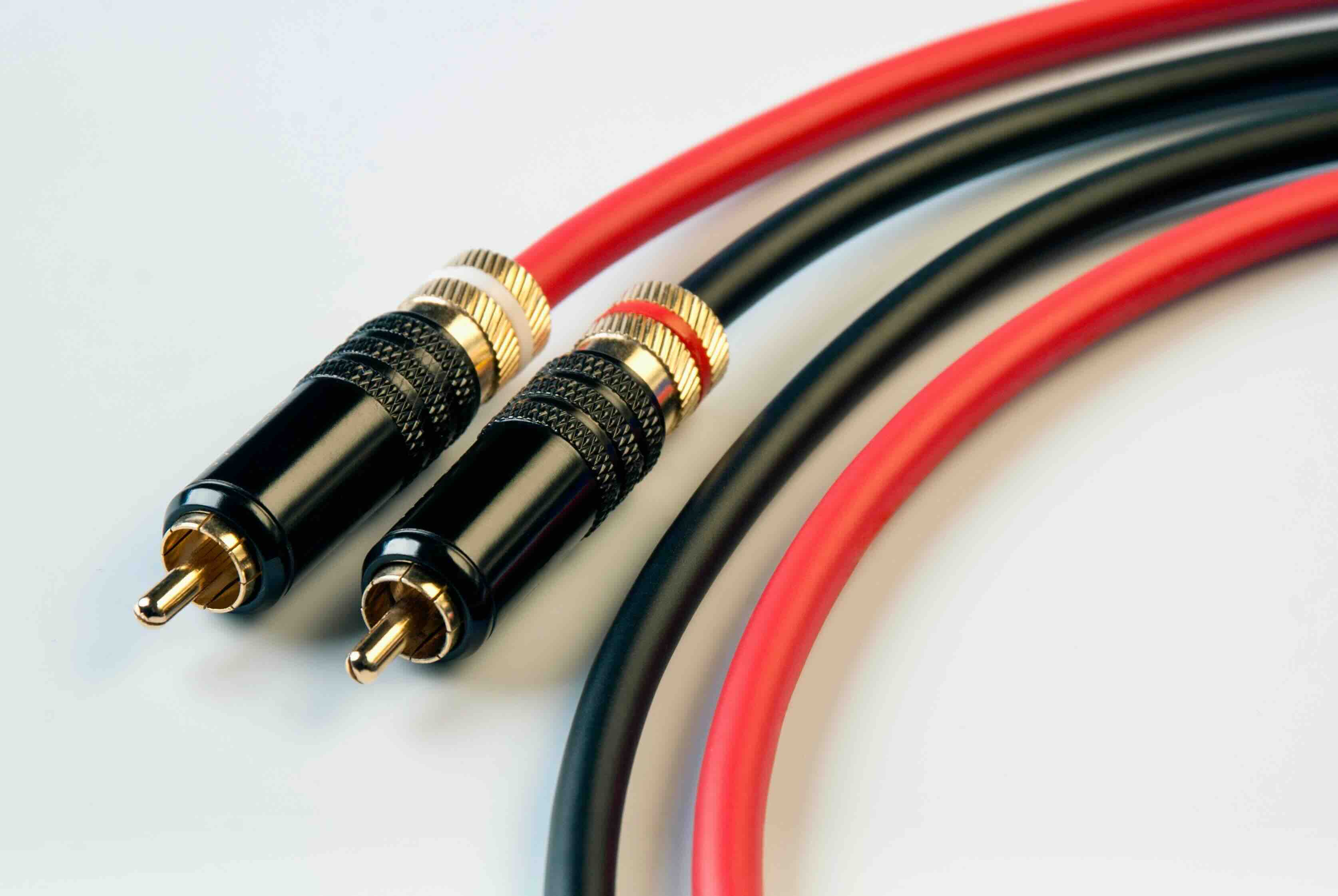
Speaker Wire Connectors Explained: Types, Uses, and How to Choose the Right One
If you have ever stared at the back of a receiver or speaker cabinet and felt genuinely unsure about which connector goes where, you are not alone. Speaker wire connections are one of those things that seem simple until you are actually standing in front of a wall of terminals with bare wire in one hand and a set of banana plugs in the other. The truth is, this stuff matters. The type of connector you use affects signal quality, installation ease, long-term reliability, and yes, even the aesthetics of your setup. So let's walk through all of it clearly and practically.
What Are Speaker Wire Connectors and Why Do They Matter
Speaker wire connectors are the termination points that link your speaker cable to your amplifier, receiver, or speaker driver. At a basic level, you can just strip the wire and jam it into a binding post terminal. That works. But it is not always clean, not always reliable, and depending on your setup, it might not even be allowed. Using the right connector type ensures a stable, low-resistance connection that preserves the integrity of your audio signal from source to driver. Poor connections introduce resistance, oxidation over time, and intermittent contact issues that degrade sound in ways that are hard to diagnose. Getting this right from the start is simply the smarter move.
Bare Wire Connections: The Simplest Option
Stripped bare wire is the most straightforward approach. You remove the insulation jacket, expose the copper strands, twist them together, and insert them directly into a binding post or spring clip terminal. This method is free, requires no additional hardware, and works with virtually any speaker or receiver. The downside is that bare copper oxidizes over time, especially in humid environments. Oxidized wire has higher resistance, and that translates into signal loss. It is also easy to accidentally bridge positive and negative terminals if the strands splay out during installation. For a permanent, never-touch-it-again installation, bare wire is adequate but not ideal.
Banana Plugs: The Industry Standard for a Reason
Banana plugs are probably the most widely used speaker wire connector in home audio and professional AV installations. The plug inserts into the 4mm binding post found on nearly every modern amplifier, receiver, and speaker. The spring-loaded design or set-screw compression creates a firm, consistent connection point that resists oxidation far better than bare wire. Banana plugs come in several styles including screw-type, compression, and solder types. Screw-type are easiest for most users. Compression types offer a cleaner look and slightly better contact consistency. Solder types deliver the most permanent and lowest-resistance connection, but they require tools and skill. Gold-plated banana plugs are widely available and help minimize oxidation at the contact surface.
Spade Connectors: Preferred for Audiophile and Binding Post Setups
Spade connectors, also called fork or Y-connectors, slide over the binding post shaft and are secured when you tighten the post cap down. Because the contact surface area of a spade is larger than that of a banana plug, many audiophiles and AV integrators prefer spades for critical listening setups. They also cannot accidentally pull out the way banana plugs occasionally can. Spades come in different throat widths to accommodate different binding post sizes, so matching the spade width to your terminal is important. Locking spades have a notched design that grips the post more firmly. Like banana plugs, spades are available with gold plating for corrosion resistance. The tradeoff is that swapping cables frequently is a bit more involved compared to banana plugs.
Pin Connectors: The Small-Profile Option for Tight Spaces
Pin connectors, sometimes called single pin or dual pin connectors, are exactly what they sound like. The stripped wire is inserted into a cylindrical pin housing and either soldered or crimped into place. These are most commonly used with spring clip terminals rather than binding posts. Spring clips are found on budget amplifiers, some soundbars, and compact bookshelf speaker setups. They accept bare wire or pins but generally do not accommodate banana plugs or spades. Pin connectors give you a clean termination that is less prone to fraying than bare wire, and they are compact enough for installations where space is genuinely limited. They are not the first choice for high-power applications, but for low to moderate power home audio, they are perfectly functional.
Dual Banana Plugs: Built for Speed and Organization
Dual banana plugs combine both positive and negative connectors into a single housing spaced at a standard 3/4-inch center-to-center distance. This spacing matches the dual binding post configuration found on most amplifiers and receivers, which makes them incredibly convenient for large installs. Instead of managing two separate plugs per cable run, you handle one. They snap in cleanly, stay organized, and reduce the chance of accidentally reversing polarity. The 3/4-inch spacing is a near-universal standard but always verify your receiver's terminal spacing before committing to a large order. For installers running dozens of speaker drops, dual banana plugs save meaningful time and reduce error.
Key Considerations When Choosing Speaker Wire Connectors
Choosing the right connector is not just about preference. Several factors should guide your decision.
- Terminal type on your equipment
- Frequency of cable swapping
- Gauge of speaker wire being used
- Environment such as humidity or temperature
- Power levels of your amplifier
- Installation permanence versus flexibility
- Budget across a full multi-speaker deployment
One overlooked point is wire gauge compatibility. Thicker cables like 12 AWG may not fit into connectors designed for thinner 16 AWG wire. Always check the connector's maximum wire gauge rating before purchasing. Also consider whether your gear uses metric or standard binding post sizing, as some European and audiophile equipment uses slightly different thread dimensions.
Common Mistakes to Avoid With Speaker Wire Connectors
The most frequent issue is reversed polarity. Connecting positive to negative even on a single speaker in a multi-speaker system causes phase cancellation, which noticeably degrades bass response and stereo imaging. Color coding your cables or marking them clearly during installation prevents this. Another common mistake is under-tightening binding posts on spade connections, which allows the spade to shift and create intermittent contact. Over-tightening is also a problem because it can crack plastic binding post housings over time. Use snug, firm pressure rather than maximum torque. Finally, mixing connector types across a single run such as banana on one end and bare wire on the other is fine electrically, but make sure the bare wire end is well-maintained and re-terminated if oxidation appears.
Why Monoprice Is the Smart Choice for Speaker Wire Connectors and Cables
When you are outfitting a home theater, commercial AV installation, or a distributed audio system, every connection point in the signal chain deserves attention. Monoprice has built a trusted reputation precisely because it delivers the kind of reliable, high-quality components that professionals and enthusiasts depend on without the inflated pricing that often comes from legacy brands. Whether you need gold-plated banana plugs, spade connectors, pin connectors, or bulk speaker cable to support a full deployment, Monoprice stocks everything a serious build requires. The quality control is consistent, the product range is comprehensive, and the value proposition is straightforward. If you are ready to source everything from cable to connector in one place, explore the full range of speaker wire connectors and audio cabling solutions at Monoprice speaker wire connectors and audio accessories. From single-room setups to enterprise AV infrastructure, the inventory scales with your needs and your budget.
Frequently Asked Questions About Speaker Wire Connectors
What is the best type of speaker wire connector for home theater use?
Banana plugs are generally the best choice for home theater because they are easy to install, compatible with virtually all binding post terminals, and provide a reliable, repeatable connection. Gold-plated versions offer added corrosion resistance for long-term performance.
Can I use any speaker wire connector with any speaker or amplifier?
Not always. You need to match the connector type to the terminal on your equipment. Binding posts accept banana plugs and spades, while spring clip terminals typically require bare wire or pin connectors. Always check your equipment's terminal type before purchasing connectors.
Do gold-plated speaker connectors actually improve sound quality?
Gold plating does not directly improve audio fidelity, but it does resist oxidation significantly better than bare copper or nickel. Over time, oxidized connections increase resistance, which can subtly degrade signal quality. Gold plating helps maintain a clean, stable contact surface.
What wire gauge is compatible with banana plugs?
Most banana plugs accommodate wire gauges between 12 AWG and 24 AWG, but this varies by manufacturer. Always check the specification sheet for the connector you are purchasing to confirm it supports your cable gauge.
Are spade connectors better than banana plugs?
Spades offer a larger contact surface area and cannot accidentally unplug, which some audiophiles prefer. Banana plugs are easier to connect and disconnect. The right choice depends on your priorities: permanence and contact area favor spades, while convenience and flexibility favor banana plugs.
What is dual banana plug spacing and why does it matter?
Dual banana plugs are designed with a standard 3/4-inch spacing between the two pins to match the binding post layout on most amplifiers and receivers. This spacing ensures both pins seat correctly into the terminals simultaneously. Verify your equipment's post spacing before purchasing.
Is it bad to leave bare speaker wire in a binding post long term?
Bare wire works but copper oxidizes over time, increasing electrical resistance and potentially degrading audio quality. In humid environments, oxidation accelerates. Terminating wire with banana plugs or spades creates a more stable, longer-lasting connection point.
How do I know if my speaker connections are out of phase?
Out-of-phase connections produce noticeably weak or hollow bass and a diffuse stereo image. If your system sounds thin compared to expectations, verify that positive terminals on each speaker and amplifier channel are connected to the same polarity conductor throughout the entire run.
Can I use pin connectors with binding post terminals?
Pin connectors are designed primarily for spring clip terminals, not binding posts. While a thin pin may technically fit into some binding post holes, the connection is not secure or reliable. Use banana plugs or spades for binding post terminals.
What speaker wire connector type is easiest for a beginner to install?
Screw-type banana plugs are the most beginner-friendly option. You strip the wire, insert it into the plug housing, and tighten a set screw to clamp it in place. No soldering, no crimping tool, and no special skills required.


