

Speaker Connection Types: A Complete Guide for Audio Pros
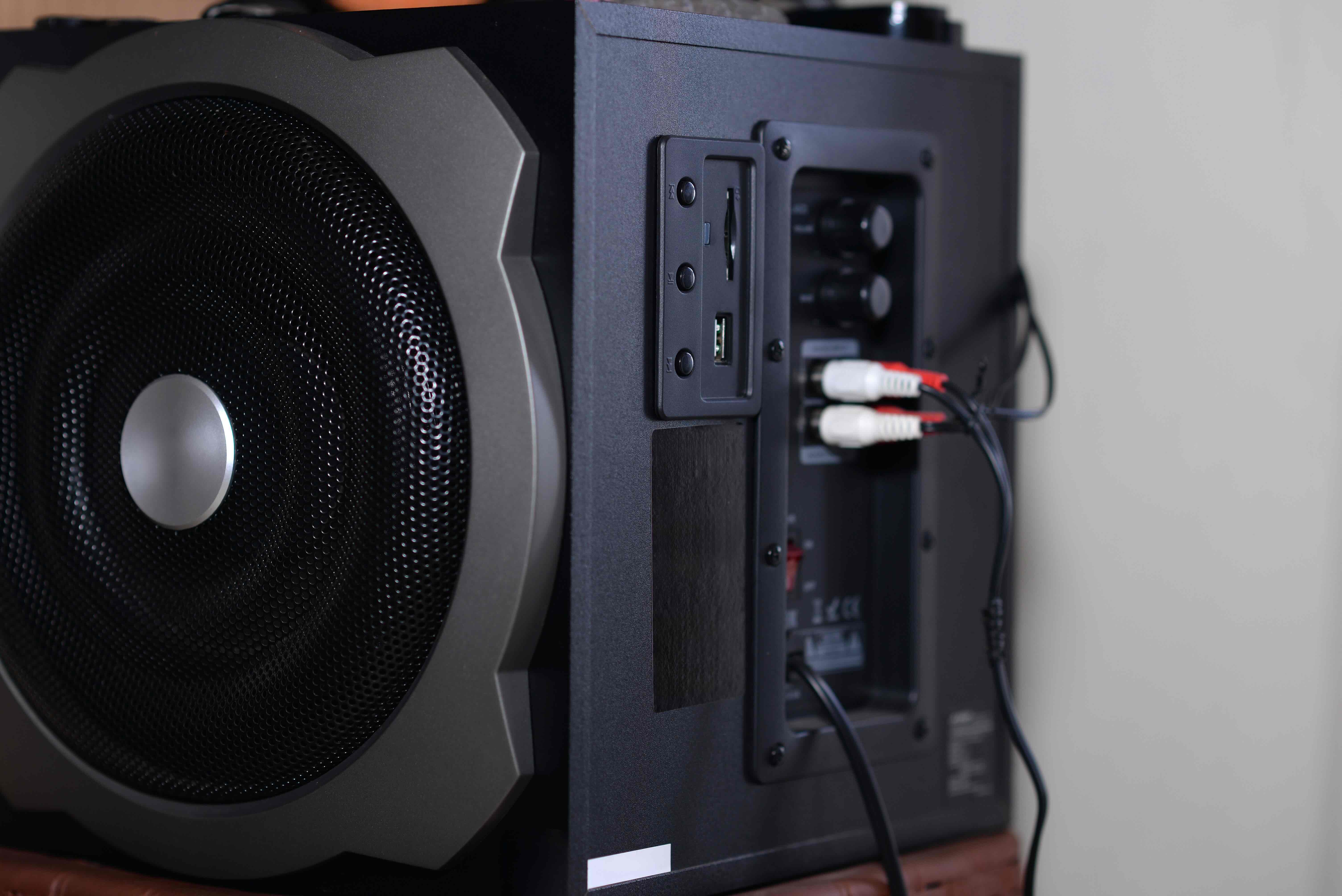
Speaker Connection Types Explained: A Complete Guide for Audio Enthusiasts and AV Professionals
If you have ever stared at the back of a receiver or amplifier and felt genuinely uncertain about which terminal goes where, you are not alone. Speaker connections are one of those things that seem simple on the surface but open up into a surprisingly layered topic once you start digging. There are multiple connection types out there, each with real differences in performance, ease of use, and compatibility. Whether you are wiring a home theater setup for the first time or speccing out a commercial audio installation, understanding what you are working with makes every step cleaner and more confident. This guide covers the most common speaker connection types, how they work, their advantages, their limitations, and what to consider before making a decision.
What Are Speaker Connection Types and Why Do They Matter
Speaker connection types refer to the physical interface between your audio source or amplifier and your speaker. It sounds basic, but the type of connection you use affects signal quality, ease of installation, long-term reliability, and even safety in some configurations. A poor connection introduces resistance, noise, or signal loss. A solid, well-matched connection keeps the audio path clean and consistent. Professionals care about this stuff for a reason -- when you are running cable through walls, racking equipment, or configuring a system that needs to perform for years without issue, the connection type is not an afterthought. It is foundational.
Bare Wire Connections: The Most Basic Option
Bare wire, sometimes called stripped wire, is exactly what it sounds like. You strip the insulation off the end of your speaker cable and insert the exposed conductor directly into a binding post or spring clip terminal. It is the most fundamental connection method and requires no additional hardware. The upside is simplicity and cost -- there is nothing to buy and nothing to fail. The downside is that bare wire can oxidize over time, individual strands can fray and cause short circuits if they contact adjacent terminals, and frequent disconnection and reconnection degrades the wire itself. For a permanent, set-it-and-forget-it installation it can work well, but it is probably not the best choice if you are reconfiguring your system often.
Banana Plugs: Clean, Reliable, and Widely Used
Banana plugs are one of the most popular speaker connection types in both consumer and professional audio. The plug inserts into a binding post terminal -- the spring-loaded metal pin expands inside the socket and creates a solid, low-resistance contact. They come in single and dual configurations, and higher-quality versions are typically gold-plated to resist corrosion and maintain conductivity over time. The major advantage is convenience. You can connect and disconnect without messing with the wire itself, which is huge in any setup that gets reconfigured regularly. The connection is secure, looks clean, and performs well. The limitation is that some binding posts, particularly on imported equipment, may have blocking inserts due to regional regulations, which can make banana plug use impractical without modification.
Spade Connectors: Preferred for High-End and Permanent Setups
Spade connectors, also called spade lugs or fork terminals, slide over or under the binding post and are secured by tightening the post cap down onto the connector. This creates a mechanically firm connection that many audiophiles and integrators prefer for permanent installations. Spades do not rely on spring tension like banana plugs -- the contact is held firmly by mechanical pressure, which some argue produces a cleaner, more stable signal path. They are also significantly easier to inspect visually. The drawback is that swapping connections is more time-consuming. You have to loosen and retighten the post for every change, which is fine for a permanent system but annoying if you are testing or comparing components.
Pin Connectors: Small Profile, Specific Applications
Pin connectors are less common in home audio but show up regularly in specific AV and pro audio applications. The conductor is terminated in a thin metal pin that inserts into a small terminal opening. They are compact and useful in tight spaces where larger connectors would not fit. Some amplifiers and receivers feature smaller binding posts designed specifically to accept pin connectors. The tradeoff is contact area -- a pin connector makes a smaller physical connection than a spade or banana plug, which can matter in high-current applications. For lower-power systems or situations where physical space is genuinely limited, pin connectors are a perfectly functional solution.
Spring Clip Terminals: Accessible but Limited
Spring clip terminals are the push-button style connections found on a lot of entry-level and budget audio equipment. You press down on a tab, insert your bare wire or pin connector, and release. The spring clamps the wire in place. They are fast to use and require no tools, which makes them popular on bookshelf speakers and basic receivers aimed at casual users. However, spring clips generally do not grip wire as securely as binding posts, are prone to loosening with vibration or movement, and are typically not compatible with banana plugs or spade connectors. If you are building a serious, long-term audio system, spring clips are probably a weak point in the chain.
Key Factors to Consider When Choosing a Speaker Connection Type
Choosing the right connection is not just about preference. There are practical considerations that should drive the decision based on your actual use case. Here are the most important factors to think through before committing to a connection type:
- Installation permanence -- permanent setups benefit from spade connectors or direct bare wire, while flexible systems benefit from banana plugs
- Wire gauge compatibility -- some terminals accept thicker gauges better than others, so confirm specs before purchasing
- Equipment compatibility -- not every binding post accepts every connector type, especially with regional variants
- Frequency of reconnection -- banana plugs win for systems that get adjusted or reconfigured regularly
- Budget -- bare wire and spring clips have no added cost, while high-quality banana plugs or spades add modest expense that is usually worth it
Common Mistakes to Avoid with Speaker Connections
Even experienced users make connection errors that compromise audio quality or cause equipment problems. One of the most common issues is polarity reversal -- connecting positive to negative and vice versa -- which causes phase cancellation and noticeably thin, hollow-sounding audio. Always verify your positive and negative terminals before finalizing a connection. Another frequent mistake is using wire that is too thin for the run length, which adds resistance and degrades performance. Loose connections are also a persistent problem, especially with spring clips and improperly seated banana plugs. Take the time to confirm every connection is physically secure before powering the system on. And always -- always -- power down your amplifier before making or adjusting connections. Shorting a terminal on a powered amplifier can cause real damage.
Why Monoprice Is the Right Choice for Speaker Cables and Connection Hardware
When you are making decisions about audio connectivity, the quality of your cables and connectors is just as important as the connection type itself. Monoprice has built a well-earned reputation among AV integrators, home theater enthusiasts, and IT professionals by delivering high-performance audio and connectivity products at pricing that makes sense for both individual buyers and procurement teams. From gold-plated banana plugs to high-strand-count speaker cables engineered for minimal signal loss, the product lineup is designed to support real-world installations without inflating costs. If you are sourcing reliable speaker connection hardware and premium audio cables, exploring the full range of professional speaker cables and audio connection solutions at Monoprice is a genuinely practical next step. The combination of verified performance, intelligent pricing, and consistent product availability makes Monoprice a trusted resource whether you are outfitting a single listening room or managing AV infrastructure across multiple locations.
Frequently Asked Questions About Speaker Connection Types
What is the best speaker connection type for home theater systems?
Banana plugs are widely considered the best option for home theater setups because they offer a clean, secure connection, are easy to swap if needed, and are compatible with the vast majority of binding post terminals found on AV receivers and amplifiers.
Are banana plugs better than bare wire for speaker connections?
In most cases, yes. Banana plugs protect the wire from fraying, reduce oxidation at the contact point, and make reconnection much cleaner. Bare wire works fine in permanent installations but is less practical for systems that get adjusted over time.
Can I use spade connectors and banana plugs on the same binding post?
Not simultaneously on the same terminal, but many binding posts are compatible with both types separately. You would choose one or the other based on your preference and how often you expect to make adjustments.
What does polarity mean in speaker wiring and why does it matter?
Polarity refers to matching the positive and negative terminals on your amplifier to the corresponding terminals on your speaker. Reversed polarity causes phase cancellation, resulting in audio that sounds thin, lacks bass, and has poor stereo imaging.
Do spring clip terminals affect audio quality?
They can. Spring clips generally provide less surface contact area than binding posts and are more prone to loosening over time, which can introduce resistance and degrade signal integrity. For critical listening applications, binding post terminals are a better choice.
What gauge speaker wire should I use with different connection types?
Wire gauge selection depends primarily on run length and amplifier power, not the connection type itself. As a general rule, 16 AWG works for shorter runs under 50 feet at moderate power levels, while 14 AWG or 12 AWG is more appropriate for longer runs or higher-powered systems.
Are gold-plated connectors worth the premium over standard connectors?
Gold plating resists oxidation better than bare copper or nickel, which helps maintain a clean, low-resistance contact over time. For long-term installations, especially in environments with humidity or temperature fluctuation, gold-plated connectors are a practical and worthwhile investment.
Can I convert spring clip terminals to accept banana plugs?
In some cases, yes. Certain spring clip-to-binding post adapters are available, but compatibility varies by equipment design. It is generally easier to look for equipment that already includes proper binding post terminals if banana plug compatibility is important to your setup.
How do I know if my binding post accepts banana plugs?
Most binding posts with a cylindrical cap have a 4mm banana plug socket in the center of the post. If the post cap has a small circular opening in the end, it should accept a standard banana plug. Some posts have this opening sealed with a plastic insert that can be removed.
What is the difference between single and dual banana plugs?
Single banana plugs terminate one conductor per plug, while dual banana plugs join positive and negative conductors on a single housing spaced 0.75 inches apart -- a standard that matches many binding post layouts. Dual banana plugs simplify installation and keep cable management cleaner.


