

Single Mode Patch Cables: Performance Over Distance
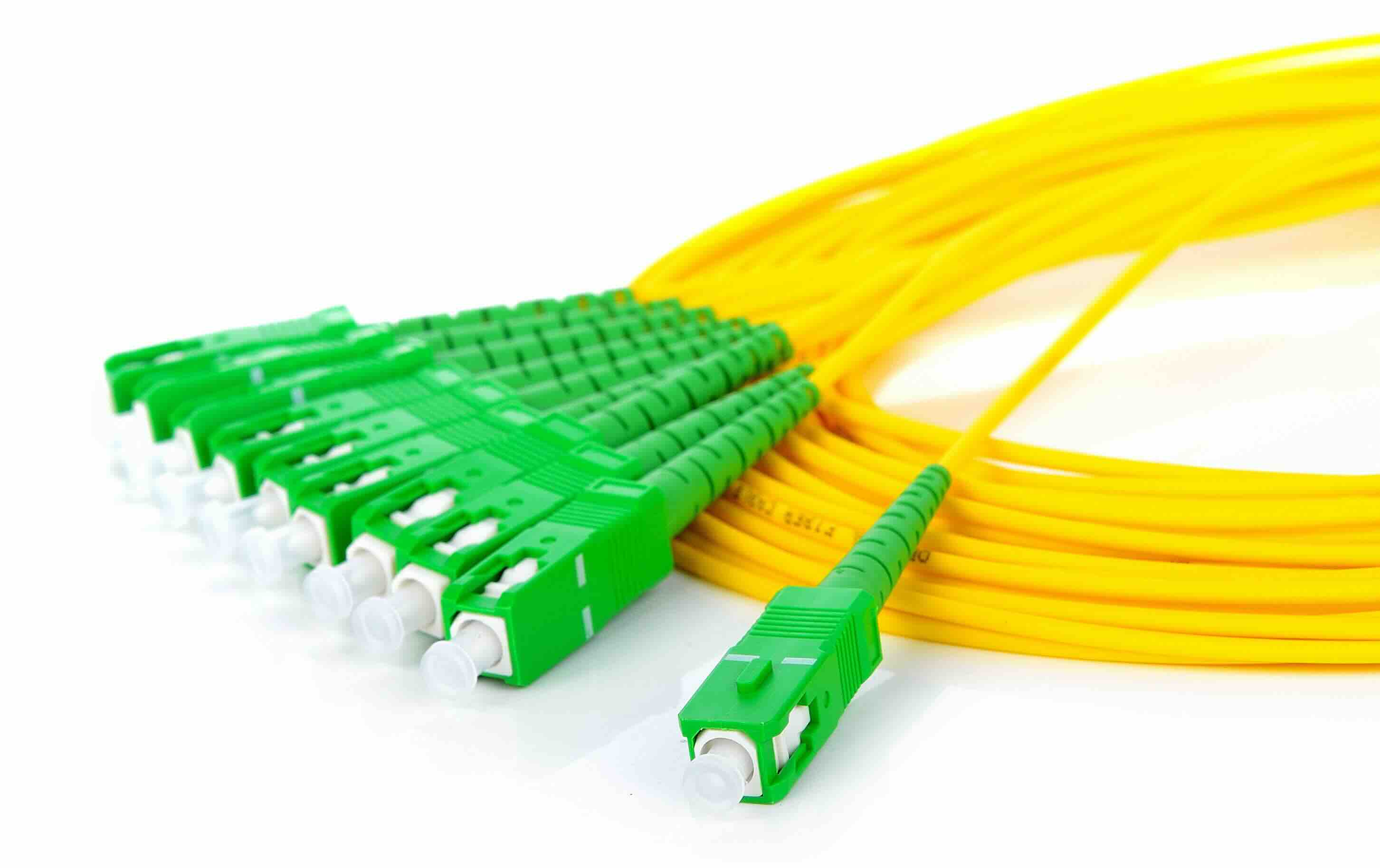
Single Mode Patch Cables Explained: What They Are and Why They Matter
If you have ever found yourself deep in a network infrastructure conversation and heard someone throw out the term "single mode patch cable," you might have nodded along while quietly wondering what exactly separates it from everything else on the shelf. That is a fair place to be. The fiber optic cable category can feel overwhelming at first glance, and honestly, the distinctions between cable types are not always explained in plain terms. So here is a straightforward breakdown of what single mode patch cables are, how they work, where they shine, and where they might not be the right call for your setup.
What Is a Single Mode Patch Cable?
A single mode patch cable is a type of fiber optic cable engineered to carry a single ray, or mode, of light directly down the fiber core. That might sound simple, but the implications are significant. Because only one mode of light travels through the core at a time, there is virtually no signal interference or modal dispersion -- the kind of degradation that happens when multiple light paths bounce around and arrive at slightly different times. The core diameter of a single mode fiber is extremely small, typically around 9 microns, compared to the 50 or 62.5 micron cores found in multimode fiber. That tight core is what makes single mode so effective over long distances. It is precise by design, and that precision is the whole point.
How Does a Single Mode Patch Cable Work?
The physics behind single mode fiber are worth understanding at least on a surface level. Light is transmitted using a laser diode source rather than an LED, which is typically used with multimode cables. That laser produces a focused, coherent beam that travels in a near-straight line through the core. Because the core is so narrow, only that one path exists, and light does not scatter or spread out. The result is an extraordinarily clean signal that can travel much farther without needing amplification or regeneration. In data center and telecommunications environments, this matters enormously, especially when you are routing signals across campuses, between buildings, or over metropolitan distances. The cable itself is passive, meaning it does not require power, but the transceivers and equipment on either end must be rated for single mode operation. Pairing the wrong transceiver type with single mode fiber is one of the most common and easily avoidable mistakes in fiber deployments.
Key Specifications to Know Before You Buy
Before selecting a single mode patch cable, there are several specifications worth reviewing. Understanding these helps narrow down the right option for your specific application without overbuying or underspecifying.
- OS1 -- tight-buffered construction, suited for indoor use and shorter indoor runs, typically up to around 10 kilometers
- OS2 -- loose-tube construction, optimized for outdoor and long-distance runs, supporting distances up to 200 kilometers under certain conditions
- Connector types -- LC, SC, ST, and FC are the most common; LC connectors have largely become the standard in modern high-density environments
- Polish types -- UPC (Ultra Physical Contact) and APC (Angled Physical Contact); APC connectors are identifiable by their green housings and are preferred where return loss is critical
- Cable jacket color -- single mode cables are almost universally yellow, which helps differentiate them visually from multimode cables during installation
Knowing which combination of these specs your active equipment supports before ordering saves a lot of time and frustration on the back end. Connector compatibility in particular is non-negotiable.
Where Single Mode Patch Cables Are Used
Single mode patch cables are the preferred choice wherever distance and signal integrity are the primary concerns. Telecommunications providers rely on them extensively for long-haul backbone connections. Enterprise data centers use them to interconnect buildings across a campus. Internet service providers depend on single mode infrastructure to deliver broadband across cities and regions. Even healthcare and government facilities with large physical footprints use single mode fiber to ensure reliable, low-latency connectivity between wings, floors, and separate structures. Within a data center rack environment, single mode patch cables are used to connect switches, routers, and transceivers in high-density configurations where precision and performance cannot be compromised. The cable does not introduce latency the way copper can at scale, and that reliability is exactly what demanding network environments require.
Advantages of Single Mode Fiber Patch Cables
The benefits of single mode patch cables are well-established and worth laying out clearly, because they make a strong case for the technology in the right context.
- Superior transmission distance -- single mode fiber can carry signals up to 10 kilometers or well beyond with appropriate equipment, far exceeding multimode limitations
- Lower signal attenuation -- the focused light path results in minimal signal loss over distance
- Higher bandwidth potential -- single mode fiber supports extremely high data rates and is compatible with current and emerging network speeds including 100G, 400G, and beyond
- Future-proof infrastructure -- the fiber itself rarely needs replacing as speeds scale; upgrades happen at the transceiver and switch level
- Immunity to electromagnetic interference -- like all fiber, single mode cables are unaffected by electrical noise, making them ideal for industrial or electrically complex environments
Common Drawbacks to Consider
No technology is without trade-offs, and single mode fiber is no exception. The laser transceivers required for single mode are considerably more expensive than the LED-based equipment used with multimode fiber. For shorter runs -- anything under a few hundred meters -- multimode fiber often delivers more than adequate performance at a lower total cost of deployment. Single mode connectors also demand precise alignment and cleaner terminations, which means installation requires skill and the right tools. A poorly terminated single mode connector can introduce significant return loss or insertion loss, negating the performance advantages you paid for. For small office environments or short in-building runs, single mode may simply be more infrastructure than the application actually warrants. The decision should always be driven by distance requirements, budget, and the performance expectations of the network being built.
Single Mode vs. Multimode: A Practical Comparison
The single mode versus multimode conversation comes up in almost every fiber project, and the right answer depends entirely on use case. Multimode fiber uses a larger core diameter and LED or VCSEL light sources, making it a more cost-effective option for shorter runs within a single building or data center floor. Single mode fiber uses that narrow 9-micron core and laser light sources, enabling distances and bandwidth levels that multimode simply cannot match. If you are running fiber between two switches 30 meters apart in the same room, multimode is probably the smarter economic choice. If you are interconnecting two data centers across a campus or routing fiber under a parking lot to reach a secondary building, single mode is the right infrastructure investment. The cables look similar, the connectors are often the same physical type, but they are not interchangeable -- and mixing them up is a costly mistake.
Installation Tips for Single Mode Patch Cables
Getting the most out of single mode fiber starts before the cable is ever plugged in. Clean connectors are not optional in single mode deployments -- dust, oil, and debris on end faces cause measurable performance degradation. Always inspect connectors with a fiber inspection scope before insertion, and clean with an appropriate fiber cleaning tool. Bend radius matters too; single mode fiber does not tolerate tight bends, and violating the minimum bend radius even briefly during installation can cause microbend-induced signal loss. Use bend-radius-compliant routing guides and avoid zip-tying fiber too tightly in cable management trays. When testing completed runs, use an optical power meter and light source or an OTDR to verify insertion loss falls within acceptable limits for your application. Document every run and label both ends clearly -- trust that you will thank yourself later.
Why Monoprice Should Be Your Source for Single Mode Patch Cables
When it comes to sourcing reliable, high-performance fiber connectivity solutions without paying inflated prices, Monoprice has built a reputation worth knowing about. Monoprice offers a broad selection of single mode patch cables across connector types, lengths, and jacket configurations, backed by the kind of product quality that IT professionals and AV integrators depend on daily. Whether you are outfitting a single rack or scaling out a multi-building enterprise network, the value proposition is hard to argue with -- precision-manufactured cables at pricing that makes budget-conscious procurement genuinely achievable. For anyone ready to build or expand fiber infrastructure the smart way, shop single mode fiber patch cables and professional networking solutions at Monoprice and see exactly what high-performance connectivity at a fair price looks like in practice. The quality is there. The pricing makes sense. It is just a smarter way to buy.
Frequently Asked Questions About Single Mode Patch Cables
What is the difference between single mode and multimode patch cables?
Single mode patch cables use a narrow 9-micron core and laser light to transmit a single ray of light, enabling long-distance, high-bandwidth connections. Multimode cables use a larger core and LED or VCSEL sources, making them more cost-effective for shorter runs but limited in distance and bandwidth compared to single mode.
How far can a single mode patch cable transmit a signal?
Single mode fiber can reliably transmit signals up to 10 kilometers with standard transceivers, and considerably farther with amplification or specialized equipment. OS2 single mode cable is rated for runs up to 200 kilometers under specific deployment conditions.
Can I use a single mode patch cable with multimode equipment?
No. Single mode and multimode fiber require compatible transceivers and light sources. Mixing the two will result in significant signal loss and unreliable or failed connections. Always match your cable type to your transceiver specifications.
What does OS1 vs OS2 mean for single mode cables?
OS1 refers to tight-buffered single mode cable designed for indoor use with runs typically up to 10 kilometers. OS2 is a loose-tube design built for outdoor and long-distance applications, supporting much greater distances with lower attenuation.
What connector types are available for single mode patch cables?
The most common connector types are LC, SC, ST, and FC. LC connectors are the most widely used in modern high-density environments. Each connector type must match the port on the equipment being connected.
What is the difference between UPC and APC connectors on single mode cables?
UPC connectors have a flat polished end face and are common in general data applications. APC connectors have an 8-degree angled end face that reflects light away from the source, reducing return loss. APC connectors are identifiable by their green housing and are preferred in passive optical networks and applications where return loss is critical.
How do I know if my single mode patch cable is damaged?
Visual inspection with a fiber inspection microscope is the most reliable method. Damaged or contaminated end faces will show visible debris, scratches, or cracks. An optical power meter test can also reveal unexpected insertion loss that may indicate damage along the cable or at the connector.
Why are single mode patch cables yellow?
Yellow jacket color is the industry-standard designation for single mode fiber, established to help technicians quickly differentiate it from multimode cables during installation and troubleshooting. Multimode OM1 and OM2 cables are orange, while OM3 and OM4 are aqua, and OM5 is lime green.
Is single mode fiber more expensive than multimode?
The fiber cable itself is often comparably priced, but the transceivers and active equipment required for single mode deployments use laser-based technology that costs more than the LED-based components used with multimode. For short runs, multimode is typically the more cost-effective total solution.
What applications are best suited for single mode patch cables?
Single mode patch cables are best suited for telecommunications backbone connections, campus and inter-building fiber links, enterprise data center interconnects, ISP infrastructure, and any application requiring high bandwidth transmission over distances greater than a few hundred meters.


