

Singapore Power Adaptor: Type G Guide for Safe Travel
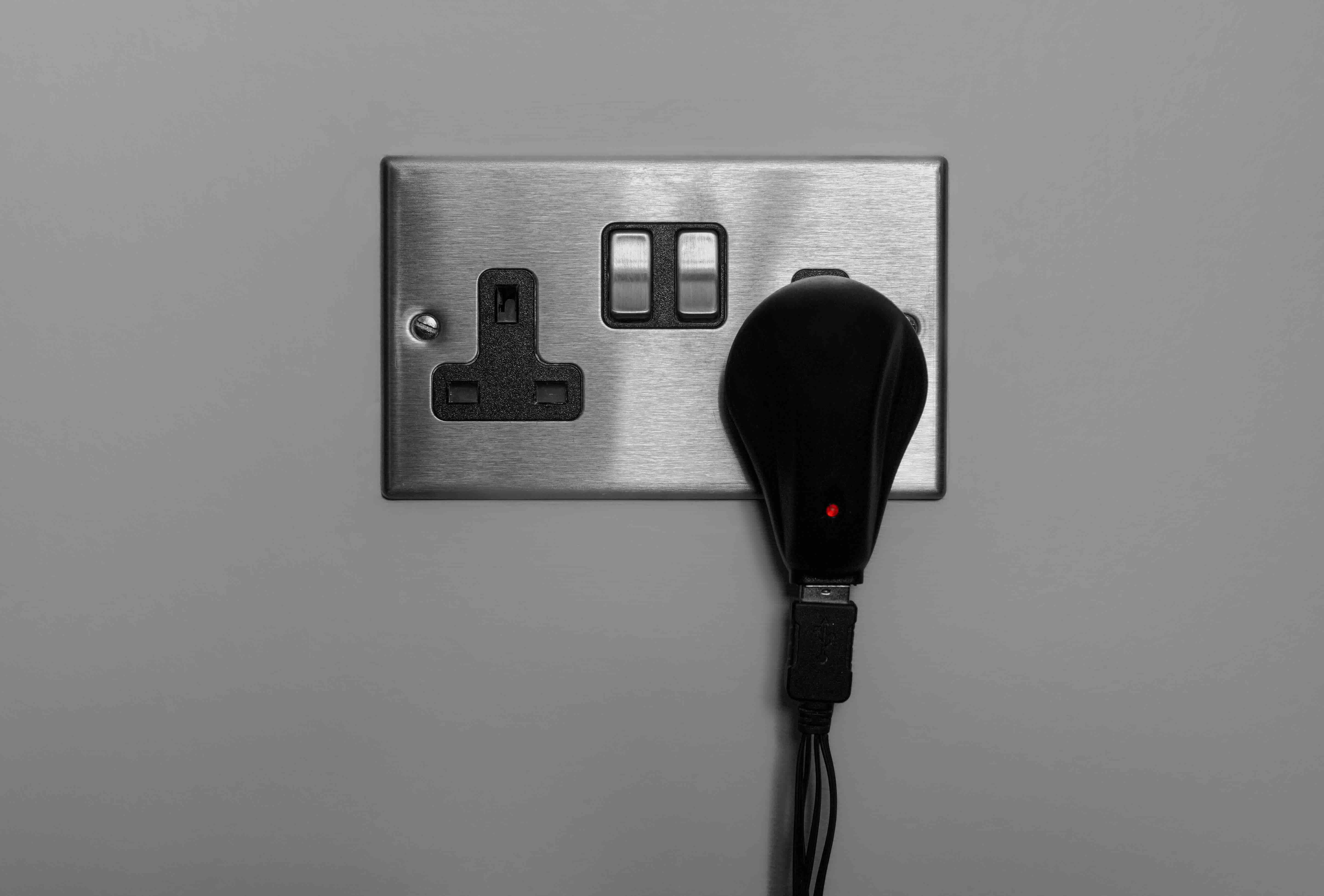
What Is a Singapore Power Adaptor and Why Does It Matter?
If you are traveling to Singapore, relocating there, or shipping electronics into the country, the power adaptor situation is one of those things that catches people off guard more than it probably should. Singapore uses a specific electrical standard, and plugging the wrong device into the wrong outlet without the right adaptor can mean anything from a non-functioning device to a genuinely dangerous situation. The standard in Singapore is 230V at 50Hz, and the plug type used is the Type G, which is the same three-pronged rectangular blade configuration you find across the UK, parts of the Middle East, and several other countries that followed British colonial infrastructure. Understanding this before you travel or deploy equipment is not optional, it is just responsible planning.
Understanding the Singapore Electrical Standard
So here is the thing. Not every country runs on the same voltage or frequency, and that distinction matters more than most people realize. The United States, for example, operates on 110V at 60Hz. Singapore runs at 230V and 50Hz. That is essentially double the voltage. A device built for American outlets that gets plugged into a Singapore wall socket without protection will likely fail, sometimes violently. The Type G plug used in Singapore has three rectangular pins arranged in a triangular formation, with the top pin acting as a ground. It is a robust design that has been around for decades, originally developed by the British Standards Institution, and it remains in wide use across Singapore's residential, commercial, and industrial sectors. Modern power adaptors for Singapore need to physically accommodate this pin configuration while also managing voltage conversion if the device being used is not dual-voltage rated.
How a Singapore Power Adaptor Actually Works
There is a difference between a travel adaptor and a voltage converter, and it is worth taking a moment to clarify that distinction because people mix them up constantly. A travel adaptor is a passive device. It changes the shape of the plug so it physically fits into a foreign outlet. It does not change the voltage or frequency at all. A voltage converter, on the other hand, actively steps voltage up or down to match what your device needs. Many modern electronics, particularly laptops, phone chargers, tablets, and camera batteries, are dual-voltage by design. Check the label on your device's power brick. If it reads something like 100-240V, 50/60Hz, you are good with just a plug adaptor. If it only lists a single voltage like 110V, you need an actual converter. The Singapore power adaptor in most travel contexts refers to the plug shape adaptor, but anyone bringing sensitive or single-voltage equipment needs to think past that.
Key Advantages of Using the Right Adaptor
Getting this right has real, measurable benefits that go beyond just keeping your devices alive during a trip or deployment.
- Device safety and longevity are preserved because the correct voltage reaches the device as intended
- Electrical fires and blown fuses are avoided, which is a serious concern with voltage mismatches
- Warranty validity is often tied to proper power use, so using the right adaptor protects your investment
- Compatibility across multiple device types is possible with universal adaptors that handle both plug shape and voltage
- Business continuity in enterprise deployments depends on correctly powered equipment from day one
- Travel efficiency is improved when you have one well-built adaptor rather than a bag full of cheap, unreliable ones
These are not minor benefits. In a professional or enterprise context, a single improperly powered device can create operational downtime, and that has a cost attached to it. For individual travelers, it is about protecting expensive electronics that were not cheap to buy.
Common Drawbacks and Limitations to Know
No product category is without its trade-offs, and Singapore power adaptors are no exception. The biggest issue people run into is buying a passive travel adaptor when they actually needed a voltage converter. This happens because the product packaging is not always clear, and buyers assume the adaptor handles everything. It does not. Another common issue is build quality. Budget adaptors, especially generic ones with no safety certification, can overheat, have loose pin connections, or fail entirely under load. The Type G plug is also physically larger than many other plug types, which means some cheap adaptors feel wobbly or insecure in the socket. Grounding is another point worth noting. Singapore's Type G standard includes a mandatory ground pin, and adaptors that bypass or ignore the ground connection create a safety gap that matters in environments with sensitive electronics or medical-grade equipment. Finally, not all adaptors support high-wattage devices, so always check the amperage and wattage rating before plugging in anything that draws significant power.
Types of Singapore Power Adaptors Available
The market for power adaptors covers a wide range of form factors and capabilities, so it helps to know what you are looking at before you buy.
- Basic plug adaptors convert the physical connector only, no voltage transformation, ideal for dual-voltage devices
- All-in-one universal travel adaptors include interchangeable plugs for multiple country types including Type G, useful for frequent international travelers
- Voltage converters with plug adaptors handle both physical connection and voltage transformation, necessary for single-voltage devices
- USB charging adaptors integrate USB-A and USB-C ports for direct device charging without needing a separate cable adaptor
- Surge-protected adaptors add a layer of protection against voltage spikes, which is worth considering in areas where grid stability varies
For tech-forward users and enterprise buyers, the USB-integrated and surge-protected options tend to offer the best combination of utility and protection. If you are only ever plugging in a laptop with a 100-240V rated charger, a quality basic Type G adaptor is honestly all you need. Know your device, then choose accordingly.
Practical Tips for Choosing the Right Singapore Power Adaptor
Before purchasing anything, check every device you plan to use and verify its voltage rating. This takes about thirty seconds and eliminates the most common mistake in this entire category. Look for adaptors that carry safety certifications, such as CE, RoHS, or country-specific electrical safety marks. These certifications indicate the product has been tested against recognized safety standards, which matters when you are dealing with 230V circuits. Prioritize adaptors with a solid grounding connection if you are traveling with anything sensitive, high-value, or used in a professional setting. If you are sourcing for a team or a business deployment in Singapore, consistency across your equipment matters. Buying from a single reliable supplier with documented specs means fewer surprises and easier troubleshooting if something does go wrong. And look, do not just grab whatever is cheapest at the airport. Cheap adaptors have a way of failing at exactly the wrong moment.
Singapore Power Adaptors in a Business and Enterprise Context
Organizations sending teams to Singapore, setting up satellite offices, or managing regional IT deployments face a version of this challenge that is scaled up considerably. When you have twenty workstations, a server rack, AV presentation equipment, and charging infrastructure for a mobile workforce, the power adaptor question becomes an infrastructure question. Every device in that setup needs to receive clean, correctly rated power. Enterprise buyers are looking at not just the adaptor itself but also power strips with international support, UPS systems compatible with 230V/50Hz input, and cable management solutions that work in Singapore's commercial real estate standards. Getting this right at the spec stage, before equipment ships or staff deploy, is the difference between a smooth rollout and an expensive scramble on day one. The right supplier in this context is one that can provide consistent product specs, bulk availability, and the documentation that enterprise procurement teams actually need.
Why Monoprice Is the Smart Choice for Power Adaptor Needs
When it comes to reliable, properly specified power adaptor solutions for Singapore and international travel, quality and value have to work together. Monoprice has built a reputation in the technology and AV industry for delivering exactly that. Whether you are an individual traveler protecting a laptop investment or an IT manager sourcing adaptors for a regional deployment, the product lineup is built around real-world use cases with documented specifications and consistent manufacturing standards. There is no guesswork about what you are getting. For anyone equipping a workspace, travel kit, or enterprise setup with dependable power connectivity, international power adaptors and travel electronics accessories for Singapore-compatible Type G outlets are available through Monoprice with the kind of specification transparency and value pricing that makes the decision straightforward. This is not about selling a product for the sake of it. It is about matching the right tool to the task, at a price point that makes sense for both individual buyers and procurement teams managing larger budgets. That is the Monoprice approach, and it holds up whether you are buying one unit or a hundred.
Frequently Asked Questions About Singapore Power Adaptors
What plug type does Singapore use?
Singapore uses the Type G plug, which features three rectangular pins in a triangular configuration. This is the same standard used in the United Kingdom, Malaysia, and several other countries. Any device being used in Singapore must either have a Type G plug or be used with a compatible adaptor.
What voltage and frequency does Singapore use?
Singapore operates on 230 volts at 50Hz. This is significantly higher than the 110V/60Hz standard used in the United States and some other countries, which means voltage compatibility must be verified before plugging in any device.
Do I need a voltage converter for Singapore?
It depends on your device. If the device's power label reads 100-240V and 50/60Hz, it is dual-voltage and only requires a plug adaptor. If it lists only 110V or 120V, a voltage converter is required to safely use it in Singapore.
Is a travel adaptor the same as a voltage converter?
No. A travel adaptor only changes the physical shape of the plug to fit a foreign outlet. A voltage converter actively steps voltage up or down. Using only a travel adaptor on a single-voltage device rated for 110V in a 230V outlet will likely damage or destroy the device.
Are universal travel adaptors compatible with Singapore outlets?
Most quality universal travel adaptors include a Type G configuration for Singapore, the UK, and similar markets. Always confirm the product specs explicitly list Type G or BS 1363 compatibility before purchasing.
Can I use a Singapore power adaptor for other countries too?
Some adaptors are designed specifically for Type G outlets only. Universal adaptors, however, support multiple plug types including Type A, Type C, and Type G, making them useful across multiple countries. Check the product specification before assuming multi-country support.
What should I look for in a quality Singapore power adaptor?
Look for proper safety certifications such as CE or RoHS, a secure grounding connection, a wattage rating that matches your devices, and build quality that holds firmly in the socket. Avoid uncertified generic products that may overheat or fail under load.
Is Singapore's Type G outlet grounded?
Yes. The Type G standard includes a mandatory ground pin, which is the larger top pin in the triangular configuration. This grounding is important for safety, particularly when using sensitive electronics or equipment that requires a proper ground connection.
What is the maximum wattage most Singapore travel adaptors support?
This varies by product. Many standard travel adaptors support between 1,500 and 2,500 watts, but always verify the specific rating printed on the adaptor itself. High-draw devices like hair dryers or certain power tools may exceed what a basic adaptor can safely handle.
Where can I buy a reliable Singapore power adaptor?
Reliable adaptors are available through electronics retailers, travel accessory stores, and online technology suppliers. For consistent specifications, documented safety certifications, and value pricing, established technology suppliers with a clear product catalog are generally a better choice than generic marketplace listings.


